























































One Hundred Twenty Thousand Visitors Flock to Jinsha Site Museum for Qing Rhythm, Highlighting Chengdu’s Cultural Growth in China: Know More
-
Blogs, Entertainment, Children, History & Art, Travel
-
-
4 mins
-
Travel and Tour World
-
Shreya Saha
-


The Jinsha Site Museum in Chengdu hosted the successful Qing Rhythm event, blending cultural tourism, education, and entertainment in China.
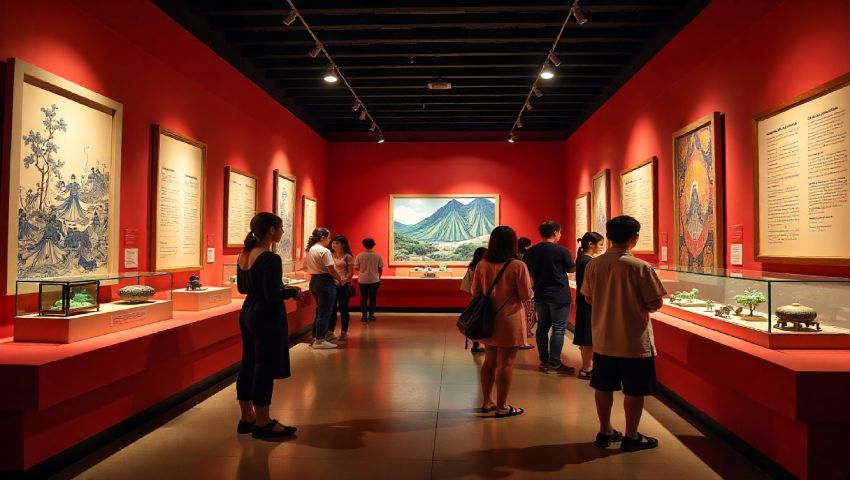
The Jinsha Site Museum in Chengdu became a vibrant cultural hub during the 2025 National Day and Mid-Autumn Festival holiday, hosting an exciting array of activities that captivated visitors of all ages. The centerpiece of this cultural extravaganza, titled Qing Rhythm: An Invitation from Jinsha, was an eight-day event that offered an immersive exploration into the ancient Shu civilization. Not only did this event showcase the richness of Chengdu’s cultural heritage, but it also highlighted the integration of cultural tourism with thoughtful public services and humanistic care, elevating the museum experience to new heights.
The Success of Qing Rhythm: An Invitation from Jinsha
On the afternoon of October 8, 2025, the Qing Rhythm event reached a perfect conclusion as a group of children proudly displayed their “blue and white porcelain painting” creations at the Chengdu Jinsha Site Museum. This hands-on activity was one of many that allowed participants, especially younger visitors, to engage with the cultural and historical themes of the event. By blending education with entertainment, the event became a significant success, offering both a deep dive into the past and a fresh, interactive way of engaging with ancient traditions.
The Qing Rhythm event wasn’t just for children—it was designed to appeal to visitors of all ages. This inclusive, family-friendly cultural experience demonstrated how tourism can effectively combine historical education with public service. The event showcased the beauty and significance of the ancient Shu civilization, a culture that played a key role in China’s history, while also providing a platform for people to experience the region’s rich cultural resources.
Record-Breaking Visitor Numbers
The impact of the event was evident in the impressive number of visitors that flocked to the Jinsha Site Museum during the holiday period. According to data, approximately 120,000 people visited the museum during the 2025 National Day and Mid-Autumn Festival holidays, marking a 15.2% increase from the previous year. This uptick in attendance demonstrated the growing interest in cultural tourism and the powerful appeal of Chengdu’s ancient history.
The museum’s ability to attract so many visitors underscores the public’s growing interest in experiencing China’s diverse cultural landscapes. The increase in visitors also highlights the Jinsha Site Museum’s success in creating an engaging, enriching experience for both domestic and international tourists. Through thoughtful programming and the integration of modern technology, the museum continues to be an important cultural and tourist destination in Chengdu.
A Comprehensive, Multi-Dimensional Experience
The Jinsha Site Museum went above and beyond in ensuring that visitors had a fulfilling and immersive experience throughout the holiday season. The museum integrated its exhibition halls and the National Archaeological Site Park, offering an expansive, multi-dimensional experience for visitors. During the holiday period, three special exhibitions were opened, showcasing various aspects of the ancient Shu civilization, while over 80 diverse cultural activities were organized.
These exhibitions and activities were designed to provide a comprehensive, interactive, and educational experience. By engaging all the senses—sight, sound, and touch—visitors could explore the fascinating history of the Shu people in a way that went beyond the traditional museum visit. This emphasis on a multi-sensory, immersive experience allowed visitors to connect with the artifacts and culture on a much deeper level, making it an unforgettable cultural journey.
Educational and Entertaining Activities for All
One of the key features of the Qing Rhythm event was the museum’s commitment to offering educational yet entertaining activities. The museum provided free guided tours at various times throughout the day, giving visitors the opportunity to learn from knowledgeable guides who shared fascinating insights into the ancient Shu civilization. These tours were designed to be accessible to visitors of all ages, ensuring that everyone could gain a deeper understanding of the historical significance of the Jinsha site.
Additionally, the museum launched several other activities that were both fun and informative. The children’s workshops, including the popular “blue and white porcelain painting,” gave younger visitors a hands-on approach to learning about ancient crafts. These activities encouraged creativity while also imparting knowledge about the techniques and materials used by ancient Shu artisans.
Expanding Cultural Reach Beyond the Museum Walls
The Jinsha Site Museum’s commitment to bringing culture to the people extended beyond its physical location. Several initiatives were launched to bring the rich cultural heritage of the Shu civilization to a wider audience. The “Mobile Exhibition on Ancient Shu Jinsha Civilization” took the museum’s exhibitions to communities across Chengdu, ensuring that people who might not be able to visit the museum could still experience its treasures.
In addition, the museum hosted the “Lighting Up Small Wishes, Spreading Warmth from Jinsha” charity event, which brought holiday cheer and cultural warmth to hospital patients, especially children. These activities demonstrated the museum’s dedication to serving the local community, promoting social responsibility, and spreading the joy of culture to a broader population.
These initiatives are an example of how cultural institutions can extend their reach beyond traditional museum walls, ensuring that culture and education are accessible to everyone, regardless of their circumstances. By reaching out to underserved communities, the Jinsha Site Museum made a significant contribution to the social and cultural fabric of Chengdu.
A Fresh Museum Experience for the Future
The Jinsha Site Museum’s integration of exhibition experiences with cultural services is a testament to the evolving role of museums in today’s society. The success of the Qing Rhythm event not only demonstrated the museum’s ability to attract large numbers of visitors but also highlighted its capacity to innovate and offer new ways for people to engage with culture. The museum’s commitment to storytelling, interactive exhibits, and community outreach has created a fresh, modern museum experience that resonates with visitors from all walks of life.
This approach reflects the future of cultural institutions, which increasingly blend entertainment, education, and public service to provide enriching, memorable experiences for tourists and locals alike.
Conclusion: A Bright Future for Cultural Tourism in Chengdu
The Jinsha Site Museum’s success during the 2025 National Day and Mid-Autumn Festival holidays exemplifies the growing role of Chengdu as a key player in China’s cultural tourism scene. Through its innovative approach to blending culture, education, and entertainment, the museum has shown that ancient civilizations can be brought to life in meaningful and accessible ways. As Macao continues to embrace its status as a cultural tourism hub, the Jinsha Site Museum’s initiatives will undoubtedly inspire other cultural institutions to follow suit, ensuring that cultural heritage continues to thrive in modern times.
The post One Hundred Twenty Thousand Visitors Flock to Jinsha Site Museum for Qing Rhythm, Highlighting Chengdu’s Cultural Growth in China: Know More appeared first on Travel and Tour World














































Comments and Responses
Please login. Only community members can comment.