
















































Baker Lake Delivers a Rare Arctic Family Journey Beyond Canada’s Usual Winter Trails
-
Blogs, Wellness, Children, Nature & Wildlife, History & Art, Shopping, Travel
-
-
4 mins
-
Travel and Tour World
-
Pamela Das
-

Baker Lake gives families a moving November journey through Inuit art, Arctic landscapes and carefully guided winter discovery.
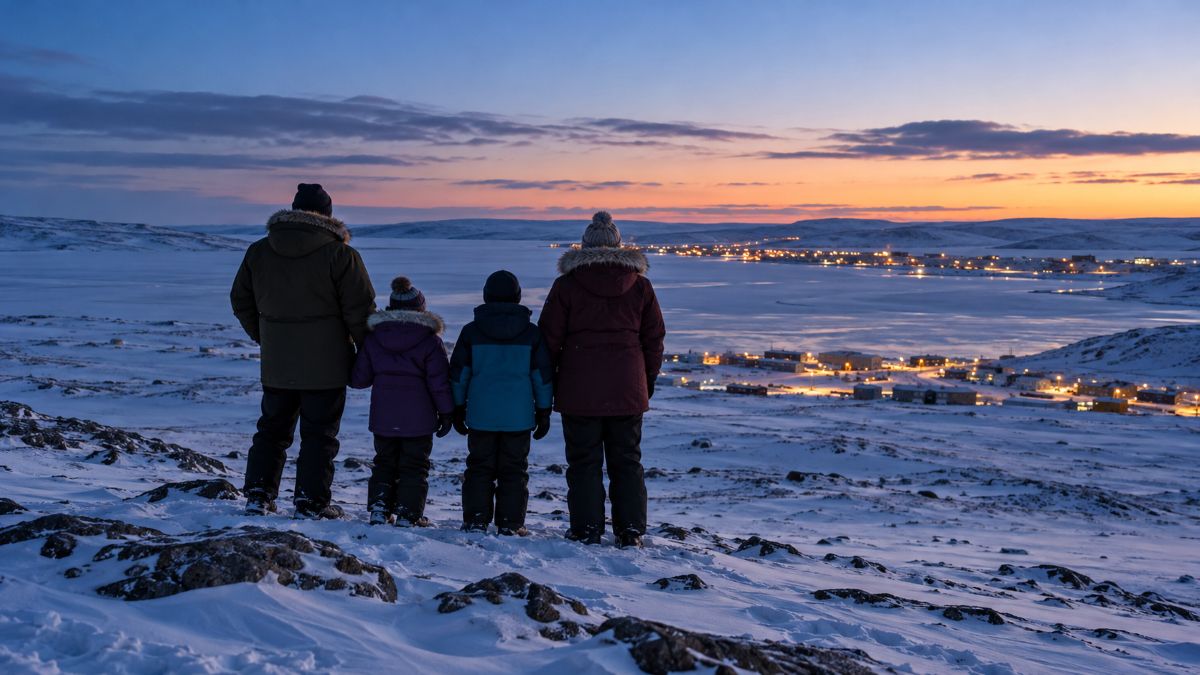
Baker Lake in Nunavut offers families a rare November escape. This remote Canadian community brings together Inuit culture, Arctic scenery, local art and the first strong signs of winter. It is not a fast holiday. It is a meaningful journey for families who want to slow down, learn and see a different side of Canada. Baker Lake is also known by its Inuktitut name, Qamani’tuaq, meaning “where the river widens”. The community sits near the Thelon River and is Nunavut’s only inland community. In November, snow, ice, wind and soft Arctic light create a striking setting. Families can meet local artists, learn about Inuit traditions and enjoy carefully planned outdoor time. However, this is a destination that needs good preparation. The cold is serious, travel is remote and weather can change fast. With warm clothing, flexible plans and local guidance, Baker Lake can offer an unforgettable family adventure.
November Brings the Start of a True Arctic Winter
November changes Baker Lake. Autumn fades away and winter takes over. Snow begins to cover the wide open land. Temperatures can fall well below freezing. Wind can make the air feel much colder. Families should expect short outdoor trips, not long days outside.
The weather is part of the experience. Children can see frost on the ground, frozen water and a landscape that feels quiet and wide. The low sun can create beautiful colours across the snow and hills. Yet, parents must put safety first. A warm hotel, a good meal and regular indoor breaks are important.
Families should pack thermal layers, insulated coats, snow trousers, waterproof boots, thick socks, warm hats and proper mittens. Mittens are often warmer than gloves. Face coverings also help protect children from cold winds. Spare socks and mittens are useful after playing outside.
This is not the place for rushed travel. A family should leave extra time between flights and avoid planning important connections on the same day. Weather can affect air travel in northern Canada. A flexible plan makes the journey easier and more enjoyable.
Baker Lake Gives Families a Real Inuit Cultural Experience
Baker Lake is widely known for its art. The community has a strong connection to Inuit carving, printmaking, sewing and jewellery. This gives families a chance to learn through real people and real stories.
The Jessie Oonark Arts and Crafts Centre is one of the key places to explore. Local artists use the space to create and sell their work. Children can see how an idea becomes a carving, print or handmade item. It is a simple but powerful way to understand that art can carry history, memory and identity.
The Inuit Heritage Centre is another important cultural stop, subject to local opening arrangements. It helps visitors understand Inuit life, traditions and knowledge of the land. Families can learn why the rivers, animals and seasons matter so much to the people of the region.
Parents can encourage children to ask polite questions and listen carefully. This helps turn a holiday into a learning experience. Buying a small piece of art directly from a local maker can also become a special family keepsake. It supports artists and gives visitors something meaningful to take home.
A Short Guided Outdoor Day Creates Big Memories
Baker Lake is close to some of Canada’s most dramatic northern landscapes. The Thelon River and Kazan River are important parts of the wider region. In warmer months, they attract paddlers and wilderness travellers. In November, families should not expect summer activities. Instead, they should focus on safe, guided winter experiences.
A local guide can help families choose a suitable short outing. Depending on weather and local conditions, this could include a land tour, a snowmobile-supported trip or a simple walk with Arctic interpretation. A guide can explain the landscape, wildlife and changing weather. They also know where it is safe to go.
Baker Lake is connected with Arctic wildlife, including caribou and muskox. Seeing wildlife can be exciting for children, but no family should expect guaranteed sightings. Animals live on their own schedule. The best approach is to enjoy the land itself and view any animals from a safe distance.
Families should never travel alone far beyond the community. They should not walk onto frozen lakes or rivers without expert local advice. Arctic ice can be dangerous, especially during the early winter period. A guided outing gives children the excitement of the outdoors while keeping safety at the centre of the day.
Indoor Comfort Is Part of the Baker Lake Experience
A successful November visit balances outdoor discovery with indoor comfort. Baker Lake has accommodation options where families can rest, eat and warm up after time outside. Booking rooms, meals and airport transfers before arrival is important because the community is remote.
Family time indoors can be just as valuable as time outside. A warm dinner offers a chance to talk about the day. Children can draw the snowy landscape, write down new words or look through pictures of local art. These small moments help them remember the trip.
Parents should carry snacks, medicines and familiar items for younger children. Choices may be more limited than in large Canadian cities. Planning ahead helps avoid stress. Families should also carry a small day bag with water, spare clothing and hand warmers for each outdoor visit.
The community’s warmth is not only about heating. Baker Lake offers a chance to meet people, hear stories and understand daily life in a northern Inuit community. Visitors should arrive with respect, patience and curiosity.
A Family Trip That Teaches More Than It Entertains
Baker Lake is not a usual November holiday. It does not offer crowded attractions, large shopping streets or a packed list of activities. Its strength is different. It offers space, silence, culture and a close view of Arctic life.
For families, that can be very powerful. Children can learn that Canada is much bigger and more diverse than the cities they know. They can see how people live with winter, how artists share stories and why local knowledge matters in the North.
A four-day visit works well for most families. It gives enough time to settle in, explore the arts community, join one guided outdoor experience and keep a final day open for weather changes. The key is to travel slowly and allow Baker Lake to set the pace.
In November, Baker Lake offers families a bold Canadian journey. It is cold, remote and unforgettable. With careful planning, it can become a winter story that children remember for years.
The post Baker Lake Delivers a Rare Arctic Family Journey Beyond Canada’s Usual Winter Trails appeared first on Travel and Tour World














































Comments and Responses
Please login. Only community members can comment.