
















































Norway Is Appealing to Adventurers by Accessing Electric Bicycles in Flåm and Many Other Villages
-
Blogs, Culinary, Nature & Wildlife, History & Art, Travel
-
-
8 mins
-
Travel and Tour World
-
Anamika Talukder
-

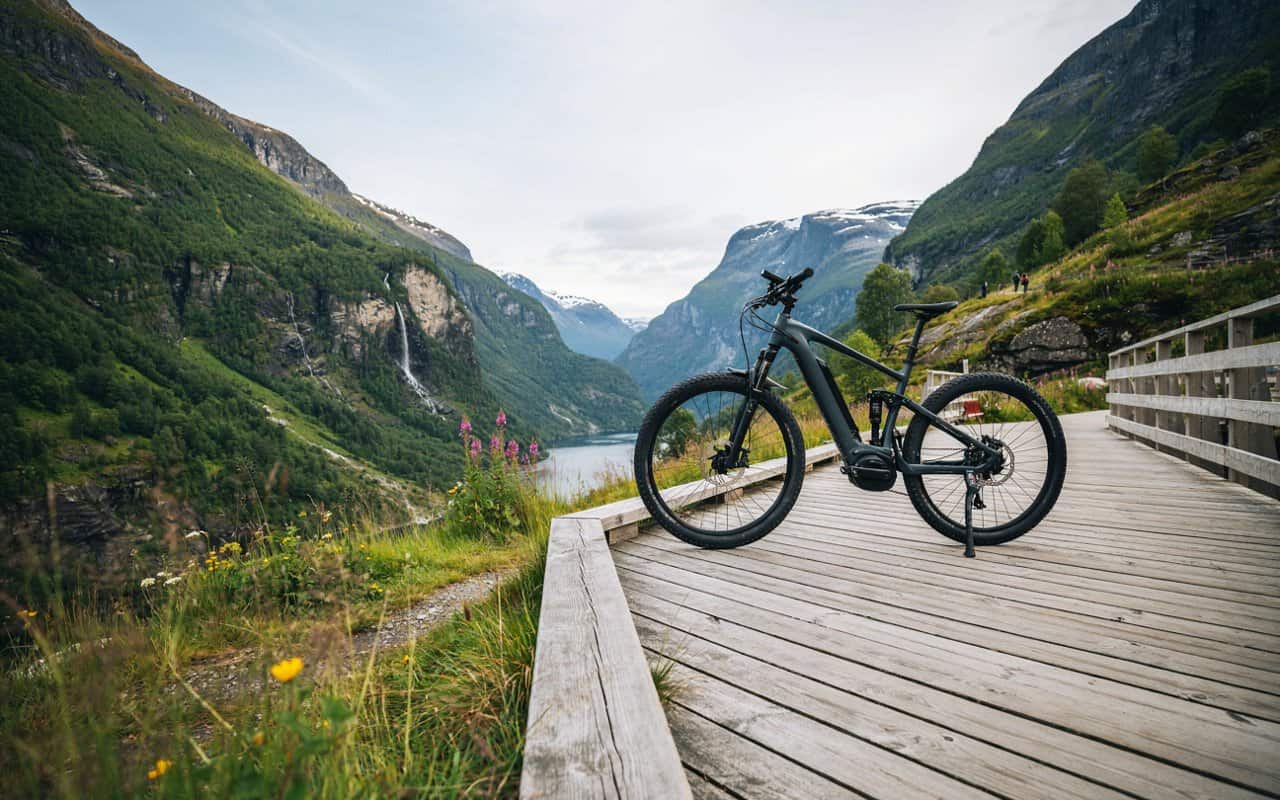
Norway expands e-bike adventures in Flåm and scenic villages, offering sustainable cycling experiences through fjords, mountains and rural landscapes.
Norway is expanding its appeal as an adventure cycling destination by making more villages accessible through electric bicycle (e-bike) experiences, allowing travellers to explore mountain roads, fjords, forests and historic landscapes with less physical strain. The country’s national cycling network connects rural communities with low-traffic routes, while several village destinations offer e-bike rentals, guided rides and cycling packages. Destinations including Flåm, Geilo, Fagernes, Røros and Dombås are using e-bike-friendly routes, rental services and guided experiences to make mountain, fjord and countryside cycling accessible to more visitors. The growing popularity of electric cycling is helping travellers discover Norway beyond major cities while supporting local communities, accommodation providers and sustainable tourism initiatives.
Norway’s E-Cycle Adventure Villages for 2026: Scenic Cycling Destinations Opening Fjords Mountains and Heritage Trails
| Norwegian Village / Destination | Region | Famous E-Cycle Adventure Route | Why It Is Suitable for E-Bike Travel in 2026 | Key Experiences | E-Bike Facilities / Support |
|---|---|---|---|---|---|
| Flåm | Fjord Norway, Vestland | Rallarvegen cycling route | Flåm provides access to one of Norway’s most famous cycling adventures, where electric bikes help visitors manage mountain terrain and long distances. | Aurlandsfjord views, mountain landscapes, historic railway surroundings, waterfalls and fjord villages | E-bike tours operate around the Rallar Road area, including guided electric bike experiences from nearby mountain stations. |
| Geilo | Eastern Norway, Hallingdal | Rallarvegen and National Cycle Route 4 | Geilo acts as a gateway to high-altitude cycling adventures between mountains and fjords. E-bikes allow more travellers to enjoy demanding landscapes. | Mountain plateaus, Hallingskarvet scenery, gravel cycling, outdoor activities | Bike rentals and cycling services available for Rallarvegen riders. |
| Fagernes | Valdres, Innlandet | Mjølkevegen National Cycle Route 5 | Fagernes is a key base for exploring the 250-kilometre Mjølkevegen route through mountain farms and valleys. | Traditional farms, mountain lodges, lakes, Jotunheimen views and local food culture | Electric bikes can be rented along the route, with cycling packages including accommodation and luggage transport. |
| Beitostølen | Valdres, Innlandet | Mjølkevegen mountain cycling | The village provides access to shorter and longer cycling stages suitable for different fitness levels, including e-bike riders. | Mountain scenery, hiking connections, summer farms and alpine landscapes | Bike rental options and cycling-friendly accommodation support visitors. |
| Dombås | Gudbrandsdalen, Innlandet | Tour de Dovre | Dombås is a starting point for exploring a route through three national parks, where e-bikes help visitors handle mountain sections. | Rondane, Dovre and Dovrefjell national parks, wildlife experiences and mountain scenery | Electric bicycle rentals are available for riders who want additional support. |
| Røros | Trøndelag | Moose Bike Trail and National Cycle Route 6 connections | The historic mining town combines cultural tourism with long-distance cycling opportunities through forests and mountains. | UNESCO-listed wooden buildings, wilderness landscapes, local cuisine and wildlife | Moose Bike Trail includes e-bike-friendly sections, accommodation stops and charging possibilities. |
| Dalen | Telemark | Telemark Canal Route | Dalen offers access to one of Norway’s most scenic cycling routes, combining waterways, villages and countryside. | Telemark Canal, forests, historic locks and rural communities | Cycling packages can include accommodation, meals and canal experiences. |
| Ulefoss | Telemark | Canal Route | Ulefoss connects travellers with the Telemark Canal cycling experience, suitable for visitors seeking slower adventure travel. | Canal landscapes, cultural heritage sites, countryside trails | Marked routes and cycling services support independent travellers. |
| Henningsvær | Lofoten Islands | Lofoten cycling routes | The fishing village offers dramatic coastal scenery where e-bikes make island exploration easier. | Arctic beaches, fishing villages, mountains rising from the sea | Lofoten operators provide hybrid bikes and e-bikes for short and multi-day trips. |
| Reine | Lofoten Islands | Western Lofoten cycling routes | Reine provides access to some of Norway’s most photographed coastal landscapes, ideal for relaxed e-bike exploration. | Fjords, peaks, traditional fishing villages and scenic roads | Local rental services offer e-bikes and touring equipment. |
Why Are Norwegian Villages Becoming Popular Destinations for E-Cycle Adventure Travel in 2026?
Norwegian villages are becoming increasingly attractive for e-cycle adventure travel because electric bicycles allow visitors to experience demanding landscapes with greater comfort and flexibility. Routes that once required advanced cycling skills are now becoming accessible to a wider audience.
According to Visit Norway’s cycling information, Norway offers a wide range of scenic cycling routes that pass through mountains, fjords, forests and cultural landscapes. These routes allow travellers to combine outdoor activities with local experiences.
Electric bicycles are especially valuable in Norway because many cycling destinations include steep climbs, long distances and changing terrain. Battery assistance helps visitors enjoy these areas without focusing only on physical endurance.
For villages, the rise of e-bike tourism creates new economic opportunities. Travellers often stay longer when exploring rural cycling routes. They spend money on accommodation, restaurants, equipment rentals and local attractions.
This approach supports Norway’s broader focus on sustainable tourism. E-cycling produces fewer emissions compared with traditional transport options while encouraging visitors to explore smaller communities.
In 2026, Norwegian villages are becoming more than simple stopovers. They are transforming into adventure bases where visitors can discover nature, history and local culture through slower and more immersive journeys.
How Is Flåm Using E-Bikes to Connect Travellers With Norway’s Famous Fjord Landscapes?
Flåm is becoming one of Norway’s most recognised destinations for travellers seeking fjord adventures combined with cycling experiences. Located in the Aurlandsfjord area of Western Norway, the village provides access to dramatic landscapes featuring mountains, waterfalls and historic routes.
The village is closely connected with the famous Rallarvegen cycling route, one of Norway’s most iconic cycling journeys. The route follows an old construction road built during the development of the Bergen Railway.
While traditional cycling along Rallarvegen can be physically demanding, e-bikes allow more visitors to experience the route. Travellers can cover mountain sections more comfortably while enjoying views of glaciers, valleys and fjords.
Flåm also benefits from its strong tourism infrastructure. Visitors can combine cycling with fjord cruises, hiking experiences and cultural attractions.
The growth of electric cycling is helping Flåm attract travellers looking for active holidays without extreme physical challenges. Families, older travellers and casual cyclists can now explore landscapes that were previously considered difficult.
The village’s combination of natural beauty, transport connections and cycling opportunities makes it an important destination in Norway’s expanding e-bike adventure tourism network.
Why Is Geilo Becoming a Gateway for Mountain E-Cycling Experiences?
Geilo is emerging as a major mountain cycling destination because it provides access to some of Norway’s most impressive highland landscapes. Located between Oslo and Bergen, the village has long been known as an outdoor adventure destination.
The area is closely linked with mountain cycling routes, including sections connected with Rallarvegen. According to Visit Norway, the region offers cycling experiences through mountain terrain, valleys and scenic natural areas.
Electric bicycles are helping visitors explore Geilo’s surroundings with greater ease. The additional power support allows riders to manage elevation changes while spending more time enjoying the scenery.
The destination attracts travellers who want a combination of adventure and comfort. Visitors can cycle during the day and return to hotels, cabins and restaurants in the evening.
Geilo’s development as an e-bike destination reflects a wider trend in Norwegian tourism. Travellers are increasingly seeking outdoor experiences that combine activity with accessibility.
By supporting cycling infrastructure and rental services, Geilo is strengthening its position as a year-round adventure destination where visitors can discover Norway’s mountain landscapes in a sustainable way.
How Are Fagernes and Valdres Supporting Long-Distance E-Cycle Adventures?
Fagernes and the wider Valdres region are becoming important locations for travellers interested in longer cycling journeys through Norway’s countryside. The area is known for the Mjølkevegen route, which connects mountain farms, lakes and traditional rural landscapes.
The Mjølkevegen cycling route stretches across the Valdres region and offers visitors a chance to experience Norwegian farming traditions and mountain scenery.
E-bikes are changing how travellers approach this route. Instead of limiting cycling adventures to experienced riders, electric bicycles allow more people to complete longer sections.
The route passes through areas where visitors can discover local food, historic farms and peaceful mountain environments. Travellers can enjoy nature while also supporting small businesses along the way.
Accommodation providers and tourism operators in Valdres increasingly focus on cycling-friendly services. These include bike storage, route information and travel packages designed around cycling experiences.
For 2026, Fagernes represents the type of rural destination that benefits from the growing demand for slow travel. Visitors are looking beyond crowded attractions and choosing journeys that connect them with local communities.
Why Is Røros Combining Heritage Tourism With Electric Cycling Adventures?
Røros offers a unique combination of cultural heritage and outdoor adventure. The historic mining town, recognised for its traditional wooden buildings, provides an ideal setting for travellers who want cycling experiences connected with history.
The destination is linked with the Moose Bike Trail, a long-distance cycling route through forests, mountains and wilderness areas.
Electric bicycles are making the route more accessible by reducing the physical challenge of long gravel sections. Visitors can focus on wildlife, scenery and cultural experiences rather than only managing difficult terrain.
Røros has a strong tourism identity built around heritage, local food and nature. Combining these elements with e-cycling creates a complete travel experience.
Cyclists can explore landscapes outside the town while returning to experience traditional architecture and regional cuisine.
The growth of e-bike tourism supports Røros’ goal of encouraging sustainable exploration. Visitors can travel through natural areas while reducing dependence on motorised transport.
The destination demonstrates how historic villages can adapt modern travel trends while protecting their cultural character.
How Are Dombås and National Parks Creating New E-Cycling Opportunities?
Dombås is becoming an important starting point for travellers exploring Norway’s national park landscapes by bicycle. The village provides access to routes connected with some of the country’s most dramatic mountain environments.
The Tour de Dovre cycling experience allows visitors to explore areas near Dovrefjell, Rondane and other protected landscapes. Information about scenic cycling experiences is highlighted by Visit Norway’s cycling guides.
Electric bicycles are particularly useful in this region because mountain conditions can challenge even experienced riders. The additional assistance allows travellers to enjoy longer distances while maintaining a comfortable pace.
The region attracts visitors interested in wildlife, nature photography and outdoor adventure. Cycling creates a slower way to experience these landscapes compared with travelling by car.
Dombås also benefits from its position as a transport connection between different parts of Norway. This makes it easier for visitors to include cycling adventures within wider travel itineraries.
In 2026, destinations like Dombås show how rural Norway is developing sustainable tourism experiences that combine adventure, conservation and local economic benefits.
What Does the Growth of E-Cycling Mean for Norway’s Future Tourism Development?
The expansion of e-cycle tourism shows how Norway’s villages are adapting to changing traveller preferences. Modern visitors increasingly seek authentic experiences, outdoor activities and environmentally responsible travel options.
Electric bicycles are helping destinations overcome traditional barriers associated with mountain and long-distance cycling. They allow more people to explore Norway’s landscapes while maintaining a sustainable approach.
Villages such as Flåm, Geilo, Fagernes, Røros and Dombås demonstrate how small communities can benefit from adventure tourism. By creating cycling routes, rental services and visitor support systems, they are attracting travellers beyond traditional tourist seasons.
The future of Norwegian tourism may increasingly depend on experiences that connect visitors with nature and local communities. E-cycling provides a practical way to achieve this balance.
As 2026 approaches, Norway’s village destinations are positioning themselves as leading locations for sustainable adventure travel. Through electric bicycles, travellers can discover fjords, mountains and heritage landscapes while experiencing a slower and more meaningful journey.
Norway’s growing e-bike tourism movement is transforming village travel by connecting visitors with landscapes that were once difficult to reach. The reason behind this growth is simple: electric bicycles provide comfort, flexibility and sustainable mobility. Destinations like Flåm and other rural communities are responding to rising demand for meaningful outdoor adventures. By combining cycling routes, local experiences and natural attractions, Norway is creating a future-focused travel model. This approach allows more travellers to experience fjords, mountains and heritage villages while supporting communities and protecting the environment.
The post Norway Is Appealing to Adventurers by Accessing Electric Bicycles in Flåm and Many Other Villages appeared first on Travel and Tour World























































Comments and Responses
Please login. Only community members can comment.