























































Yasushi Kaneko’s Vision for Japan: Addressing Overcrowding in Popular Spots Like Tokyo and Kyoto While Boosting Rural Tourism in Okinawa and Shimane
-
Blogs, History & Art, Travel
-
-
4 mins
-
Travel and Tour World
-
Ankita Neogi Khan
-


Japan’s new Tourism Minister, Yasushi Kaneko, discusses overtourism concerns and the need for balanced tourism distribution and rural development in response to rising foreign arrivals.
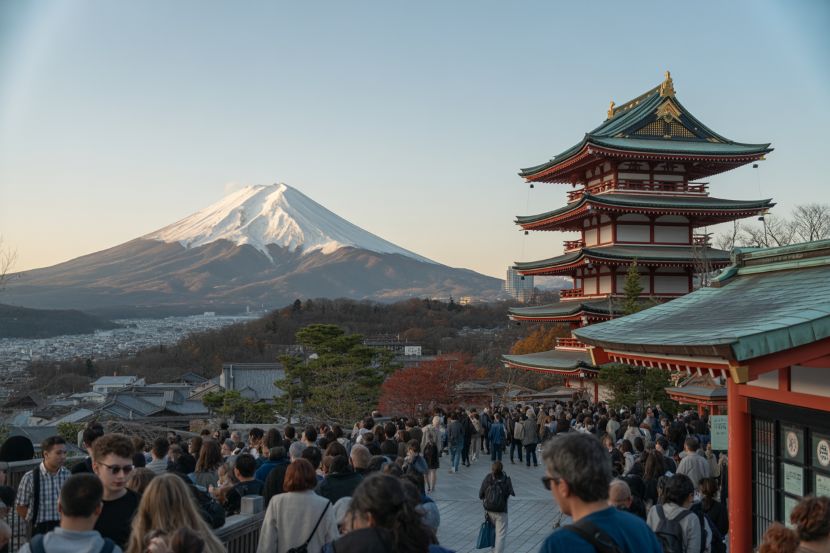
Japan’s tourism landscape is undergoing significant changes under its new Minister for Tourism, Yasushi Kaneko. With an influx of foreign visitors putting pressure on popular tourist areas, Kaneko is spearheading efforts to address overtourism, especially in heavily concentrated regions. As Japan aims to distribute tourism more evenly across the country, the focus has shifted toward implementing local initiatives and enhancing rural infrastructure. These changes come in response to growing concerns about the adverse effects of high visitor volumes on both local communities and the overall experience of tourists. As the country’s tourism strategies evolve, the importance of balancing visitor enjoyment with residents’ quality of life has become a central theme in the ministry’s planning.
The Rise of Overtourism in Japan
Tourism in Japan has seen a steady rise over the past decade, bringing both economic opportunities and challenges. The country’s unique cultural heritage, scenic landscapes, and bustling cities attract millions of visitors annually. However, this influx has led to the problem of overtourism, with some regions, particularly well-known spots like Kyoto and Tokyo, facing overcrowding and strain on local resources. The government is now recognizing the need to manage visitor numbers in a way that preserves the local quality of life while still benefiting from the positive economic impacts of tourism.
Yasushi Kaneko, the newly appointed Tourism Minister, has voiced his concerns about the concentration of tourists in specific regions. The growth in foreign tourist numbers has been particularly noticeable in areas that were already popular, creating imbalances in tourism distribution. The government is now addressing this issue head-on by adopting a more inclusive approach to tourism promotion.
Measures to Distribute Tourists Across Japan
One of the key focuses of Japan’s updated tourism strategy is to ensure that the benefits of tourism extend to all parts of the country. The new plan aims to prevent overcrowding in hotspots by spreading visitors more evenly across Japan’s regions. This strategy includes supporting local initiatives designed to balance tourism growth with residents’ well-being.
Several ideas are being explored, including the introduction of express buses connecting lesser-known but culturally rich tourist destinations. By improving transportation links between remote areas and major cities, visitors can explore more of Japan without overwhelming traditional tourist centers. Additionally, the government is considering the implementation of congestion maps and clear signage that encourages visitors to adopt good manners and be considerate of local communities.
This approach aligns with broader goals to create a more sustainable tourism industry in Japan. By promoting areas that are less saturated with tourists, the government hopes to reduce the strain on infrastructure while increasing the overall tourism experience for visitors and residents alike.
Rural Areas and Infrastructure Development
In addition to addressing the challenges posed by overtourism, Kaneko has emphasized the need for significant investment in rural infrastructure. As urban areas become increasingly crowded, many Japanese rural regions are struggling to retain population and maintain local businesses. Kaneko believes that for the nation to prosper, rural areas must also thrive. Enhancing infrastructure in these regions, whether through better roads, transportation options, or services for both locals and visitors, is essential for their long-term sustainability.
Rural areas have much to offer in terms of scenic beauty, cultural heritage, and unique experiences. However, without the proper infrastructure, these regions remain largely underexplored by tourists. The Japanese government is keen to develop these areas as part of its broader strategy to ensure balanced development across the entire nation. This will not only provide tourists with more diverse experiences but also give local residents a chance to benefit from the economic growth generated by tourism.
The Safety Concerns with Ride-Hailing Services
In his role as the country’s tourism minister, Kaneko has also expressed caution about the potential full deregulation of ride-hailing services in Japan. While the Japan Innovation Party (JIP) advocates for lifting the ban on these services, Kaneko highlighted the importance of ensuring safety and proper management for such services. With Japan’s strict regulations on passenger transport, any change in policy would require a thorough review to ensure that services are both reliable and safe for passengers.
The minister’s concern is particularly focused on vehicle maintenance, the training of drivers, and the accountability mechanisms in case of accidents. While the expansion of ride-hailing services could make transportation more convenient for tourists, Kaneko insists that the safety of passengers should be prioritized, and clear guidelines should be established to govern this new mode of transport.
How Tourists Can Contribute to Sustainable Travel
For tourists visiting Japan, being mindful of local customs and practices is essential in helping address the challenges of overtourism. Here are a few tips for travelers looking to enjoy Japan responsibly:
- Explore Less-Trodden Paths: Don’t just stick to the popular spots like Kyoto and Tokyo. Visit lesser-known regions like Tottori, Shimane, or the remote islands of Okinawa to spread your tourism footprint.
- Use Public Transport: Instead of contributing to congestion, make use of Japan’s extensive and efficient public transport network. It’s an eco-friendly way to travel and helps reduce pressure on local infrastructure.
- Respect Local Communities: Be considerate of the residents, especially in rural areas. Follow the signage and travel etiquette, and ensure you are not disrupting local life with noise or waste.
- Support Local Businesses: Spend time in locally owned shops and restaurants, especially in less touristy areas. This supports small businesses and helps ensure the sustainability of rural economies.
Moving Towards Sustainable Tourism
Japan’s approach to tourism is shifting towards a more holistic and sustainable model, where the benefits are spread throughout the country. By focusing on less crowded regions, enhancing infrastructure, and promoting responsible tourism, the government hopes to mitigate the negative impacts of overtourism. As visitors, we all play a role in ensuring that Japan’s tourism industry remains vibrant while preserving its culture, environment, and local communities.
The post Yasushi Kaneko’s Vision for Japan: Addressing Overcrowding in Popular Spots Like Tokyo and Kyoto While Boosting Rural Tourism in Okinawa and Shimane appeared first on Travel and Tour World














































Comments and Responses
Please login. Only community members can comment.