























































Winter Nightmare for Travelers: KLM, British Airways, and EasyJet Bring Europe’s Tourism to a Halt in 2026!
-
Blogs, Travel
-
-
3 mins
-
Travel and Tour World
-
Sneha Sarkar
-


Winter weather and strikes have disrupted major European airlines like British Airways, KLM, and easyJet, affecting tourism travel across Europe in 2026.
European tourism hubs such as Amsterdam, Paris, London, and Zurich have entered 2026 with a dramatic travel challenge. Severe winter weather and related airline issues have pushed major carriers to ground flights, delay thousands of departures, and force travelers to adapt their plans. While the disruptions have caused short‑term discomfort for visitors, industry experts argue that the extraordinary scenes could bolster awareness of Europe’s winter charm and resilience in travel planning.
Winter swept across Western and Northern Europe in early January, triggered by the powerful Storm Goretti, which brought heavy snow, freezing temperatures, and treacherous ice to key travel corridors. The storm affected several countries including the United Kingdom, France, Belgium, and the Netherlands.
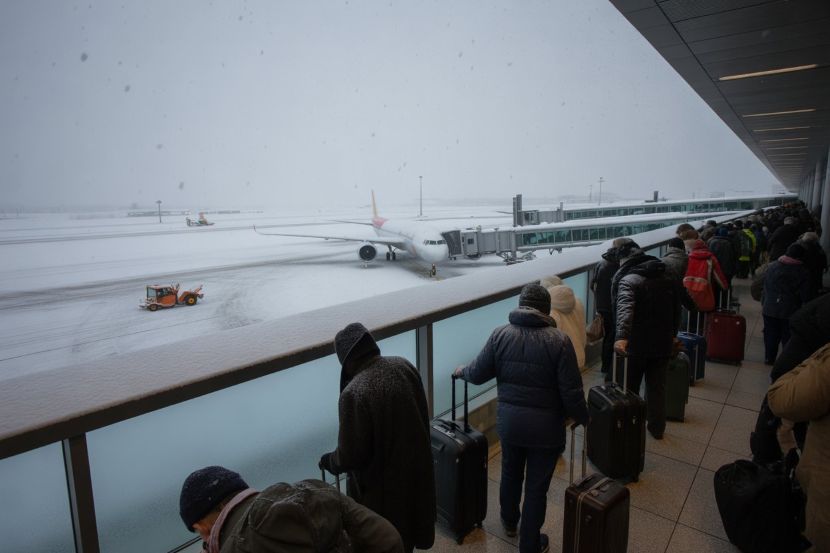
At Amsterdam Schiphol Airport, widely recognised as one of Europe’s busiest transit hubs, operations struggled under the weight of snow and ice, forcing the cancellation of hundreds of flights. Snow‑covered runways and limited de‑icing capacity left passengers waiting for hours and, in some cases, spending the night in terminals.
Across France, similar conditions impacted Paris Charles de Gaulle and other airports, where snow prompted cancellations and constrained inbound and outbound travel. These conditions created a ripple effect that affected rail and road travel, with many authorities issuing weather warnings and urging caution for non‑essential journeys.
British Airways, KLM, and easyJet, among Europe’s major carriers, reported widespread schedule changes tied to both weather and related operational issues. The combination of extreme cold, frozen runways, and reduced airport handling capacity led airlines to delay or cancel flights across the UK, the Netherlands, Switzerland, and beyond.
In the UK, Heathrow and other major airports posted lengthy lists of delays, especially on routes to and from continental Europe. Even flights connecting Dublin, Stockholm, and London faced disruption, leaving holidaymakers and business travelers scrambling for alternative plans.
Tourism authorities across Europe have acknowledged that while disruptions are inconvenient, they also provide an opportunity to showcase the resilience of the travel sector. Officials from city tourism boards noted increases in online searches and inquiries about winter experiences. Many travelers who were delayed shared photos of snow‑covered landmarks and festive winter scenes on social media, inadvertently amplifying the appeal of European winter destinations.
In Paris, visitors delayed by flight cancellations took unexpected sightseeing turns, capturing images of iconic monuments dusted in snow and sharing them widely online. Local tourism representatives welcomed the spontaneous exposure and said that it highlighted the city’s beauty even under unusual winter conditions.
Despite the challenges, European airports and airlines have worked closely with government agencies to maintain traveller services. Airlines are offering rerouting, refunds, and accommodation where needed, and authorities have emphasised public safety and travel flexibility. Aviation regulators like the European Union Aviation Safety Agency (EASA) and national civil aviation authorities have jointly encouraged guests to monitor flight statuses and contact carriers ahead of travel.
Tourism experts observed that the high visibility of travel disruptions has prompted many prospective tourists to plan more flexible journeys and book travel insurance. This shift may benefit European tourism long term, as travelers become more informed and prepared for seasonal weather patterns. Industry analysts also suggest that spontaneous cancellations and delays can increase interest in multi‑city European tours, encouraging travelers to explore rail or road alternatives between destination cities.
Several northern European countries also highlighted winter tourism experiences that remain unaffected by air travel challenges. Nordic regions, for example, continue to attract visitors to winter sports, aurora viewing, and cultural festivals, with strong bookings through January and February. Local governments in these areas emphasise that winter travel remains safe and enjoyable when visitors are informed about conditions and seasonal transport options.
A spokesperson for Amsterdam tourism remarked that “the city has always embraced winter as part of its seasonal identity,” noting that snow‑draped canals and outdoor cafés uniquely enhance the visitor experience. Tourism officials also pointed to government‑supported information campaigns that help travellers plan smarter trips during cold weather.
Hotels and tour operators in major destinations have adapted as well. Many have introduced winter packages that include flexible bookings, guided city walks, and indoor cultural experiences designed to appeal to travellers who might otherwise be deterred by short‑term disruptions. Local businesses reported that, despite transport chaos, on‑the‑ground activity remained relatively strong as visitors embraced unexpected moments in European cities.
European governments have reiterated their commitment to keeping tourism resilient in the face of natural events. Safety advisories from meteorological services and transport agencies emphasise that weather events like Storm Goretti are rare but manageable when travellers stay aware of conditions and airport updates.
For incoming visitors planning winter trips to Europe, travel officials recommend confirming flights ahead of departure, considering travel insurance, and staying open to alternate transport plans. While high winds and snow may temporarily challenge itineraries, the continent’s diverse winter offerings—from snow‑lined streets in historic capitals to rural escapes in alpine regions—remain compelling reasons to visit.
The 2026 winter travel disruptions have tested European tourism systems but also highlighted the adaptability and appeal of the continent’s destinations. As travellers navigate delays and cancellations, they discover unexpected charms and stories that redefine what it means to experience Europe in winter.
The post Winter Nightmare for Travelers: KLM, British Airways, and EasyJet Bring Europe’s Tourism to a Halt in 2026! appeared first on Travel and Tour World














































Comments and Responses
Please login. Only community members can comment.