























































Why Australia Advises Exercising High Caution for Travellers Visiting This Middle-Eastern Country? Terrorism Concerns, Missile Debris, Petty Crime, and More You Need to Know
-
Blogs, Wellness, Culinary, Travel
-
-
3 mins
-
Travel and Tour World
-
Ryan Rashid
-


Updated travel advisory from Australia warns tourists of safety risks, regional instability, health concerns, crime, and strict entry rules in Jordan.
Australia released an updated travel advisory for Jordan, outlining several safety risks that may affect tourists. The advisory explains that visitors should exercise a high degree of caution across the country. It also notes that some areas involve higher risks due to unstable conditions in the Middle-East. Tourists planning trips must follow specific entry rules and remain alert to rapid changes in the regional security environment.
The advisory highlights new requirements for travellers using a 30-day e-Visa. Visitors who plan to stay longer than 14 days must register with the nearest police station. Tourists staying at least three nights may purchase a Jordan Pass before arrival. These steps are intended to support smooth entry and movement for visitors.
Safety Risks in Jordan and the Wider Middle-East
Australia’s updated travel advisory points to an unpredictable security climate in the Middle-East. Conditions may shift quickly. Airspace closures and flight cancellations may occur without warning. These disruptions can affect tourist itineraries, especially for travellers connecting through regional hubs.
The advisory also highlights risks linked to missile and drone activity originating from Yemen. Falling debris may occur if devices fail during flight. Tourists are urged to follow official updates and reduce exposure during regional escalations.
Demonstrations may arise suddenly. Local situations can deteriorate without warning. Tourists are advised to avoid all protests to lower safety risks.
Terrorism remains a global concern and is emphasised in the travel advisory. Attacks may occur without warning. Public areas, crowded locations, and tourist sites may face elevated risk. Travellers should remain alert while navigating busy environments.
Jordan’s borders with Syria and Iraq face instability and possible cross-border attacks. Australia recommends reconsidering travel to these regions. Land crossings may close without notice, affecting overland travel.
Petty crime is also addressed. Risks include robbery with violence, bag snatching, hotel theft, and vehicle theft. Tourists may encounter unlicensed guides and scammers, especially in popular attractions. Credit card fraud and ATM skimming are also noted.
Women travellers face harassment and possible assault. Tourists should avoid walking alone and remain cautious, particularly after dark.
Celebratory gunfire presents additional danger. Although illegal, it remains common and has caused injury. Tourists should stay indoors during such events.
Flash flooding affects many areas between November and March. Valleys, roads, and major highways may be affected. Travellers should monitor weather forecasts before planning road travel.
Health Risks for Tourists Visiting Jordan
Australia’s updated travel advisory includes several health risks. Cases of Middle East respiratory syndrome coronavirus (MERS-CoV) have been reported. Tourists should avoid contact with camel products and secretions, and practise regular handwashing.
Foodborne and waterborne illnesses are present. These include hepatitis, typhoid, measles, and sandfly fever. Tourists should drink bottled or boiled water and avoid raw foods. Insect-proof accommodation is recommended.
Medical care in Amman is considered high-quality in the private sector. Services outside major cities are more limited. Ambulance services may not match Australian standards. Travellers may need to pay upfront for treatment. In severe cases, medical evacuation may be required, so insurance should include this coverage.
Local Laws Tourists Must Understand
The travel advisory stresses that Jordan’s legal system differs significantly from Australia’s. Activities considered minor elsewhere may lead to severe penalties. Rules involve photography restrictions near embassies, military sites, and religious locations. Tourists may be prevented from departing until legal issues are resolved.
Drug penalties are strict. Offences may result in long jail terms, life imprisonment, or, in serious cases, the death penalty.
Drones require prior approval. Unapproved devices will be confiscated at the airport, and visitors will receive collection instructions.
During Ramadan, it is illegal to eat, drink, or smoke in public during daylight hours.
Dual nationals may be treated as Jordanian. Men aged 18 to 40 may need to register for military service.
Travel Requirements and Conditions for Tourists
Tourists require a passport valid for six months and a visa. Visa fees at land borders must be paid in cash. Entry rules may change without warning.
Travellers holding an Australian Emergency passport cannot enter Jordan but may transit.
Land border crossings from Israel may close without notice. Tourists should check current conditions before departure. Those previously in Jordan under refugee status determination processes must confirm re-entry eligibility.
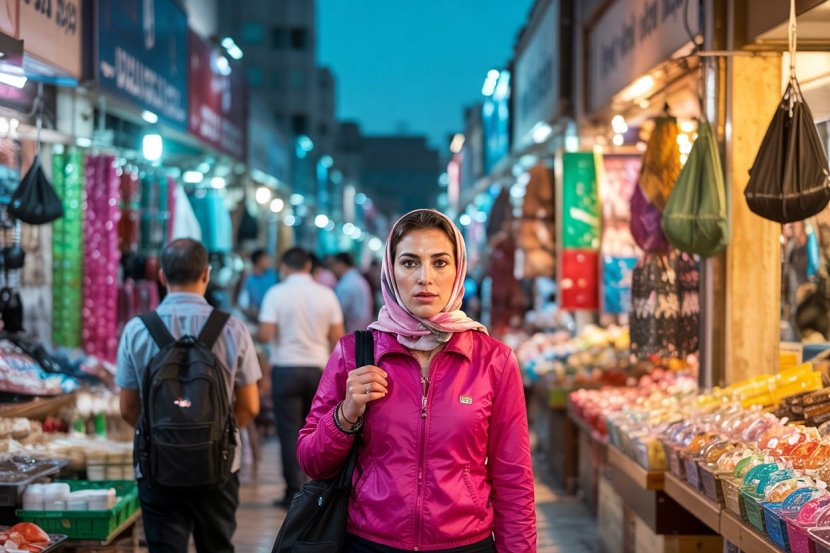
Image Source: AI
The post Why Australia Advises Exercising High Caution for Travellers Visiting This Middle-Eastern Country? Terrorism Concerns, Missile Debris, Petty Crime, and More You Need to Know appeared first on Travel and Tour World














































Comments and Responses
Please login. Only community members can comment.