























































What Does the TransAmerica Trail Really Look Like? Explore It from Oregon to North Carolina with Google and Ford. Is This the Booming Future of Adventure in the United States
-
Blogs, Wellness, Nature & Wildlife, History & Art, Travel
-
-
6 mins
-
Travel and Tour World
-
Upasana Chatterjee
-


The collaboration between Ford and Google allows users to explore the TransAmerica Trail virtually, paving the way for more responsible and immersive travel experiences through Street View technology.
By 2025, the travel industry had undergone a profound transformation, largely driven by technological advancements. One of the most significant innovations was Google Street View, which had revolutionized the way people explored the world. This tool enabled anyone with an internet connection to virtually visit far-flung destinations without leaving home. Whether exploring the busy streets of New York City or the quiet corners of remote villages in Japan, Google Street View had become an essential tool for travelers. It allowed users to scout their destinations, preview their surroundings, and plan their trips with unprecedented detail. By offering the ability to explore areas that were once difficult or far to reach, Google Street View had made global travel more accessible. Recently, this technology was taken to new heights when Ford and Google collaborated on an ambitious project, embarking on a 35-day road trip across the TransAmerica Trail, covering 5,900 miles and enhancing Street View data along the way.
A 5,900-Mile Journey Across the U.S.
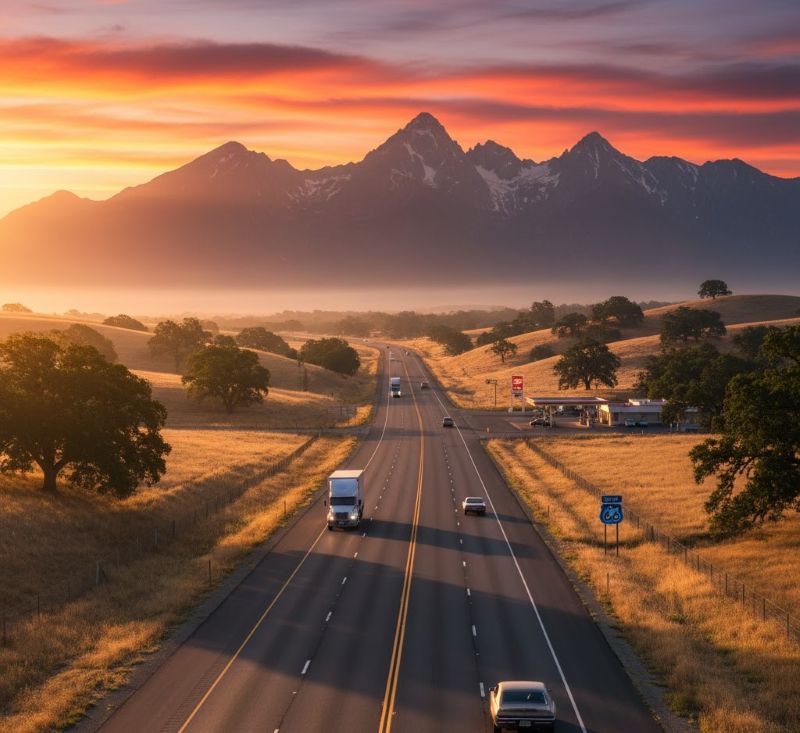
The collaboration between Ford and Google began with a journey that stretched from Port Orford, Oregon to Nags Head, North Carolina, crossing 13 states along the way. The fleet consisted of several Ford vehicles, including models such as the Bronco, Ranger, and Expedition Tremor, each designed to navigate a variety of challenging terrains. The vehicles traveled through everything from sandy West Coast beaches to the rugged deserts of Utah, and even through the hilly, rocky paths of the Ozarks. Over the course of 35 days, the team gathered critical Street View data in regions that had been previously difficult to capture virtually. This data would provide travelers with the chance to digitally explore parts of the TransAmerica Trail that were previously inaccessible.
Expanding the Reach of Street View
This venture between Ford and Google marked a significant expansion of Google Street View’s capabilities. Traditionally, Street View had been confined to easily accessible locations such as urban streets and major highways. However, with this initiative, users could now digitally access remote areas like mountain trails, vast deserts, and other rugged landscapes that had been difficult or even impossible to explore via the platform. The ability to virtually “drive” through these challenging terrains provided an invaluable tool for travelers, allowing them to plan their trips with a clearer understanding of the landscape. This feature was particularly useful for individuals who might face challenges in physically visiting such remote places due to distance, health issues, or accessibility concerns. With Google Street View, these once-distant locations were now accessible to anyone with an internet connection.
The Benefits for Travelers
For travelers, especially those seeking adventure or wishing to explore unconventional destinations, Google Street View had become an indispensable tool. The ability to explore national parks, off-road trails, and other remote destinations from the comfort of their homes made it easier to plan trips and prepare for the challenges that lie ahead. Travelers could now preview terrain, assess road conditions, and evaluate whether a particular route was suitable for their intended mode of travel, whether it be hiking, biking, or driving. This level of preparation ensured a smoother, more enjoyable journey, free from unforeseen obstacles.
Furthermore, Google Street View became invaluable for individuals with disabilities or those facing financial constraints. Many people, who would otherwise have difficulty traveling long distances or navigating rough terrain, were now able to explore far-off destinations virtually. Whether it was to learn about faraway locations, explore unfamiliar landscapes, or satisfy their curiosity, Google Street View allowed everyone to experience the world in ways that were previously out of reach. For people who couldn’t physically travel, this tool provided a meaningful opportunity to explore distant parts of the world from the comfort of their own home.
Environmental Responsibility in Travel
Throughout the journey along the TransAmerica Trail, there was a strong emphasis on environmental responsibility. The team followed the Tread Lightly principles, which promote responsible off-road travel. These guidelines emphasize the importance of respecting nature, staying on designated paths, and minimizing disruption to ecosystems. As more and more people begin to venture into remote areas, it is crucial that these environments are preserved for future generations. The collaboration between Ford and Google not only focused on exploring and mapping new areas but also demonstrated how it’s possible to enjoy these natural spaces without causing harm. The TransAmerica Trail journey made it clear that sustainable travel and environmental preservation could go hand in hand, and this message was integral to the project.
By demonstrating how to explore without damaging nature, the project set an important example. It highlighted that respecting the environment doesn’t mean sacrificing the desire to experience its beauty. Instead, the two companies showed how travelers can enjoy these pristine areas responsibly, ensuring their preservation for future generations.
How Technology Is Shaping the Future of Travel
This collaboration also provided a glimpse into the future of travel. As more people relied on virtual tools like Google Street View, expectations for interactive and immersive experiences were likely to increase. The integration of augmented reality into Street View could soon allow users to interact with landscapes in real-time, offering features like historical context, geographical information, and live updates on weather and trail conditions. Such innovations would allow travelers to better plan their trips, adding layers of useful data to enhance their experiences.
As travel technology evolves, it will continue to provide greater opportunities for people to explore remote locations. The ability to digitally experience destinations from afar is revolutionizing trip planning. In the future, these technologies will likely make travel more accessible to a broader audience, including individuals who previously faced challenges due to physical, financial, or logistical barriers. Google Street View has the potential to democratize travel, opening up remote locations to anyone with an internet connection.
Future Innovations in Travel
Looking forward, the combination of virtual exploration and responsible travel practices will continue to transform the travel industry. With each new advancement, tools like Google Street View will become even more sophisticated, providing travelers with the ability to explore off-the-beaten-path locations in unprecedented detail. One exciting possibility is the introduction of customizable virtual experiences, where users can receive tailored travel recommendations based on their interests and preferences. Real-time updates on weather patterns or trail conditions could be seamlessly integrated into these virtual tools, providing a more comprehensive, personalized travel planning experience.
These innovations will make trip planning more accurate, efficient, and enjoyable. As the technology becomes more integrated into the travel process, it will offer new ways to explore the world. The future of travel technology promises to be more immersive, interactive, and inclusive, helping travelers navigate unfamiliar areas with greater ease and making travel more accessible to a wider range of people.
Breaking Barriers and Expanding Travel Access
By making remote and previously difficult-to-reach destinations accessible for virtual exploration, the partnership between Ford and Google has broken down many of the barriers to travel. Google Street View has now gone beyond mapping urban streets and well-known highways, offering access to rugged wilderness areas, national parks, and other off-the-beaten-path destinations that were once inaccessible. For many travelers, particularly those who were hesitant to visit remote locations due to concerns about accessibility, this innovation opened up entirely new possibilities for exploration.
Through Google Street View, people could bridge the gap between the familiar and the unknown. Virtual exploration enabled them to visit some of the most beautiful, untouched regions of the world, all from the comfort of their homes. Whether they were preparing for a visit to a National Park, planning a journey along the TransAmerica Trail, or simply learning more about the Ozarks, these virtual tools made it possible for travelers to engage with previously out-of-reach areas.
The Larger Impact on the Travel Industry
The success of the Ford and Google collaboration signaled a new direction for the travel industry. It became evident that technology would continue to play a central role in shaping the way people explore the world. This partnership went beyond simply enhancing Google Street View or creating a map of the TransAmerica Trail; it reflected a broader shift in how virtual tools were being integrated into the travel experience. By making it easier to prepare for trips, engage with destinations, and explore new places, these technologies were opening up travel to a larger audience.
The impact on the travel industry is significant. Google Street View has made it possible to virtually visit remote and inaccessible locations, which has made travel more inclusive, sustainable, and interactive. As a result, anyone with an internet connection could now explore the farthest corners of the globe. Virtual exploration has created a more connected world, one where people from all backgrounds can learn about nature and culture, regardless of their physical location or personal limitations.
A New Era in Travel
In conclusion, the collaboration between Ford and Google marks the beginning of a new era in the travel industry. Google Street View has evolved far beyond its original purpose of mapping urban environments, offering users the opportunity to explore remote and rugged locations. The partnership demonstrated how virtual exploration, combined with responsible travel practices, can create new opportunities for both the travel industry and the environment.
As Google Street View continues to evolve, virtual travel will become even more immersive and accessible. This combination of cutting-edge technology and environmental responsibility is shaping the future of travel, making it more sustainable and inclusive. The partnership between Ford and Google proves that the potential for exploration is limitless. With these innovations, the world has become more accessible to travelers everywhere. Whether from the comfort of their own home or as part of an adventurous journey, virtual tools are revolutionizing how we experience the world.
The post What Does the TransAmerica Trail Really Look Like? Explore It from Oregon to North Carolina with Google and Ford. Is This the Booming Future of Adventure in the United States appeared first on Travel and Tour World














































Comments and Responses
Please login. Only community members can comment.