























































Vietnam’s Lao Cai Province Creates Thriving Rural Tourism Destination Where Travelers Experience Authentic Village Life, Agricultural Practices, And Sustainable Hospitality
-
Blogs, Culinary, Nature & Wildlife, History & Art, Travel
-
-
4 mins
-
Travel and Tour World
-
Prasan Das
-


Vietnam’s Lao Cai Province has developed a productive rural tourism hotspot where patrons have the opportunity to immerse themselves in the daily routines of the Indigenous people, participate in customary farming activities, and practice eco-friendly lodging.
Vietnam’s Lao Cai Province has developed a productive rural tourism hotspot where patrons have the opportunity to immerse themselves in the daily routines of the Indigenous people, participate in customary farming activities, and practice eco-friendly lodging. Visitors to the location are offered the opportunity to engage in activities that include, but are not limited to, tea picking, rice planting, and the practice of local farming methods -[all coupled with eco-friendly lodging and cultural immersion.] Lao Cai has harnessed the tourism potential of eco-friendly practices and the eco-friendly rural tourism industry to promote a sustainable model of tourism, making it a top destination for patrons in need of a rural tourism hotspot.
Lao Cai, a northern province of Vietnam, is emerging as a beacon for rural tourism, attracting travelers seeking an authentic and immersive experience. With its lush landscapes, vibrant local culture, and commitment to sustainable development, the province is reshaping the way tourism interacts with rural communities. A standout example of this model can be found in the Ban Lien Commune, a picturesque area nestled in a green valley, where visitors are invited to experience the region’s agricultural life firsthand.
The Charm of Ban Lien Commune
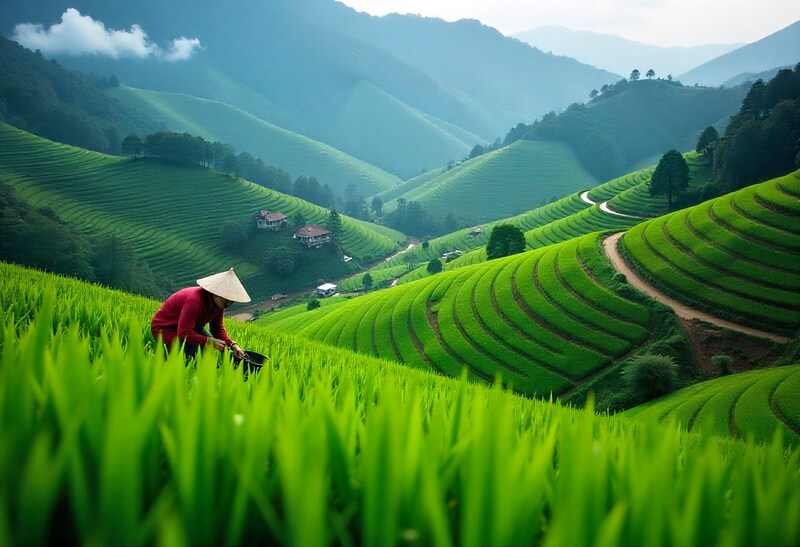
Set against the backdrop of terraced rice fields, misty tea hills, and traditional Tay stilt houses, Ban Lien offers an opportunity to escape the fast-paced urban life and reconnect with nature. Visitors to the commune are not just passive tourists but are encouraged to take part in daily rural activities such as tea picking, rice planting, stream fishing, and cooking over an open wood fire. These hands-on experiences allow tourists to become a part of the community’s routine, gaining insight into the simple yet meaningful life of the local people.
Affordable and Authentic Travel Experience
The tourism model adopted in Ban Lien is based on affordability and authenticity. Rooms are available at a cost of approximately VND 150,000 (USD 6) per person per night, and meals are similarly priced. For those seeking guided tours, local experts offer their services for tea picking, trekking, and farm activities at VND 500,000 (USD 20) per group, regardless of size. This pricing structure ensures that the model remains accessible to a wide range of travelers, while also benefiting the local community.
Transforming a Quiet Farming Village
Since the community embraced tourism in 2019, Ban Lien has undergone a significant transformation. Once a quiet farming village, it has flourished into a rural tourism hub that maintains its traditional agricultural practices while also creating new sources of income. The integration of tourism with local farming activities has allowed the community to preserve its cultural heritage while also improving living standards. By combining agricultural work with rural hospitality, the commune has struck a balance between tourism development and cultural sustainability.
Immersive Cultural and Culinary Experiences
In addition to the daily farming routines, visitors can indulge in authentic local cuisine. Dishes such as grilled hill chicken, roasted stream fish, and forest greens are staples of the region, offering a taste of the highland way of life. This culinary experience, paired with the scenic beauty of the area, provides a rich, multi-sensory immersion into the local culture.
Expanding Rural Tourism in Lao Cai
Lao Cai’s commitment to rural tourism extends beyond Ban Lien, with several other areas in the province following suit. Sa Pa, Bac Ha, Bat Xat, and former Bao Yen District are also seeing significant growth in rural and community-based tourism. The province now boasts hundreds of homestays, many of which have received ASEAN certification for their quality. These homestays not only provide accommodation but also offer visitors an opportunity to engage with local cultures through guiding services, traditional performances, and the sale of local handicrafts and brocade.
Eco-Tourism and Agricultural Experiences
The province is also expanding its focus on eco-tourism and agricultural experiences. One of the most popular initiatives is the “One Day as a Farmer” program, which allows tourists to experience the daily life of Vietnamese farmers. This immersive program offers a deeper connection to the country’s agricultural heritage, allowing visitors to partake in activities such as planting rice or picking tea leaves. Such experiences are designed to foster an appreciation for sustainable farming practices and provide a direct link to the region’s rural lifestyle.
Government Support for Rural Tourism Development
The development of rural tourism in Lao Cai is in line with national strategies aimed at improving the living standards of rural communities. The government has outlined specific goals for rural tourism development between 2025 and 2030, including the establishment of six ASEAN-standard community tourism models and the promotion of eco- and adventure tourism at key sites such as Ngu Chi Son and the Rong and Ong waterfalls.
These initiatives not only aim to boost local incomes but also work to preserve natural resources and cultural traditions. Through these efforts, Lao Cai is building a sustainable rural tourism model that creates long-term value for both locals and visitors. By linking tourism with environmental conservation, the province is fostering a harmonious relationship between development and nature.
Long-Term Economic and Cultural Benefits
As rural tourism continues to grow, it provides a much-needed economic boost to rural areas, creating jobs and stimulating local economies. For visitors, it offers an opportunity to experience Vietnam’s rural life in its purest form, offering a deeper understanding of the country’s cultural roots and agricultural traditions.
Lao Cai’s success in developing rural tourism serves as a model for other provinces in Vietnam and beyond, demonstrating how tourism can be harnessed as a force for good. By prioritizing sustainability, cultural preservation, and local involvement, rural tourism is proving to be an effective strategy for rural development and community empowerment.
The Future of Rural Tourism in Lao Cai
With a clear vision for the future, Lao Cai is set to continue its journey towards becoming a premier destination for sustainable rural tourism. By embracing its agricultural heritage, celebrating local traditions, and engaging travelers in authentic experiences, the province is redefining what it means to be a rural tourism destination.
Vietnam’s Lao Cai Province has transformed into a thriving rural tourism destination, offering travelers an immersive experience in authentic village life, agricultural practices, and sustainable hospitality. This unique blend of cultural immersion and eco-friendly tourism not only enriches the travel experience but also supports local communities and preserves traditional farming heritage.
Lao Cai’s rural tourism model is more than just a tourism trend—it is a sustainable approach to community development that supports both the economy and cultural heritage. By integrating local farming practices with tourism and offering immersive experiences, the province is creating a new pathway for highland communities to thrive. As Lao Cai continues to grow its rural tourism offerings, it sets an example for how rural areas around the world can embrace tourism as a tool for preserving traditions while creating new opportunities for future generations.
The post Vietnam’s Lao Cai Province Creates Thriving Rural Tourism Destination Where Travelers Experience Authentic Village Life, Agricultural Practices, And Sustainable Hospitality appeared first on Travel and Tour World














































Comments and Responses
Please login. Only community members can comment.