























































VALENCIA TRAVEL GUIDE: Beaches, Paella, Culture, and the Ultimate Travel Guide to Valencia

Valencia Travel Guide
-
Travel, Blogs, Entertainment, Culinary, History & Art, Religion, Shopping
-
-
53 mins
-
Out of Town Blog
-
Inka PIegsa-Quischotte
-


Your Ultimate Insider’s Travel Guide to Valencia, Spain If you’re looking for a destination that combines history, innovation, beach lifestyle, and top-notch cuisine, this Valencia Travel Guide will show you one of Spain’s most rewarding cities. Often overshadowed by Madrid and Barcelona, Valencia offers travelers a richer, more relaxed, and more budget-friendly experience. Picture walking through […]
VALENCIA TRAVEL GUIDE: Beaches, Paella, Culture, and the Ultimate Travel Guide to Valencia
Your Ultimate Insider’s Travel Guide to Valencia, Spain
If you’re looking for a destination that combines history, innovation, beach lifestyle, and top-notch cuisine, this Valencia Travel Guide will show you one of Spain’s most rewarding cities. Often overshadowed by Madrid and Barcelona, Valencia offers travelers a richer, more relaxed, and more budget-friendly experience.
Valencia Travel Guide
Picture walking through a futuristic architectural complex in the morning, exploring medieval streets by afternoon, and dining on authentic paella by the sea in the evening. Valencia is the birthplace of paella, home to Europe’s largest urban park, and host of one of Spain’s most spectacular festivals, Las Fallas. Yet, despite its cultural importance, it remains refreshingly local and unpretentious.
This Travel Guide to Valencia is designed to help you experience the city like a knowledgeable local friend. From hidden neighborhoods and authentic restaurants to budget tips and cultural insights, you will find everything you need to plan a meaningful and memorable journey.
Whether you are a first-time visitor to Spain, a digital nomad looking for sunshine, or a culture lover seeking depth, Valencia offers an ideal balance of tradition, creativity, and Mediterranean lifestyle.
Let’s explore it together.
1. Destination Overview

Torres de Serranos in Valencia
Valencia, Spain, is a destination that perfectly combines culture, coastline, and creativity. Visitors can explore historic cathedrals and medieval streets in the morning, enjoy modern architecture in the afternoon, and unwind on golden Mediterranean beaches at sunset. Known as the birthplace of paella,
Valencia offers memorable culinary experiences, ranging from classic rice dishes to creative fine dining. The city is affordable, easy to walk around, and less crowded than Madrid or Barcelona, making it perfect for a relaxed visit.
Valencia, with its sunny weather, lush parks, lively festivals such as Las Fallas, and friendly local culture, encourages you to relax, enjoy each moment, and immerse yourself in the true spirit of Spain.
Key Highlights
- Birthplace of paella
- City of Arts and Sciences complex
- Turia Garden Park (8 km green corridor)
- Mediterranean beaches
- Roman, Moorish, and Gothic heritage
Best Time to Visit
| Season | Months | Highlights | Notes |
|---|---|---|---|
| Spring | Mar–May | Las Fallas, mild weather | Best overall |
| Summer | Jun–Aug | Beach season | Hot, crowded |
| Autumn | Sep–Nov | Warm sea, harvest | Ideal |
| Winter | Dec–Feb | Quiet, festive | Cheaper |
Best overall time: April–June and September–October
Travel Difficulty and Duration
- Difficulty: Easy
- Recommended stay: 3–5 days (7 days with day trips)
2. Essential Travel Information
Visa Requirements
For Filipino Travelers
Filipino passport holders require a Schengen Visa.
Documents:
- Passport (6+ months validity)
- Bank statements
- Travel insurance (€30,000 coverage)
- Hotel and flight bookings
Apply at least 6 weeks in advance.
For Other Nationalities
- EU citizens: No visa
- USA, Canada, Australia, Japan: Visa-free up to 90 days
Currency and Budget
- Currency: Euro (€)
Daily Budget (USD)
| Type | Cost |
|---|---|
| Budget | $50–70 |
| Mid-range | $80–150 |
| Comfortable | $150–250 |
| Luxury | $250+ |
Meal Costs:
- Street food: $4–8
- Café meal: $10–15
- Restaurant: $20–35
- Fine dining: $60+
Language and Communication
Languages:
- Spanish
- Valencian
Useful Phrases:
- Hola – Hello
- Gracias – Thank you
- ¿Cuánto cuesta? – How much?
- Una paella, por favor – One paella, please
Learning a few local words earns goodwill.
Getting There
Here are the main ways to get to Valencia, Spain, with all icons removed:
By Air (Most Convenient Option)
Valencia Airport (VLC)
Valencia has its own international airport located about 8 km from the city center.
International Flights
You can fly directly to Valencia from many European cities, such as:
For travelers from Asia, North America, or Australia, you usually connect through major hubs like:
- Madrid
- Barcelona
- Frankfurt
- Paris
- Dubai
Airport to City Center
- Metro Lines 3 and 5: 20–25 minutes, about €4–5
- Taxi: 15–20 minutes, about €20–25
By Train (Best from Within Spain)
Spain has excellent high-speed and regional trains.
From Madrid
- High-speed AVE train
- Travel time: about 1 hour 50 minutes
- Cost: €25–60
From Barcelona
- Travel time: about 3 hours
- Cost: €20–50
Trains arrive at Estación del Norte (North Station), located in the city center.
By Bus (Cheapest Option)
Long-distance buses are affordable and reliable.
Main Operator: ALSA
Popular routes:
- Madrid to Valencia: 4–5 hours
- Barcelona to Valencia: 4 hours
Cost: €15–30
Buses arrive at Valencia Bus Station, connected by the metro.
By Car (Flexible Option)
Driving is ideal if you want to explore nearby towns and beaches.
Driving Times
- Madrid: about 3.5 hours
- Barcelona: about 3.5 hours
- Alicante: about 2 hours
Roads are well-maintained. Some toll roads may apply.
By Ferry (Limited Routes)
Valencia Port connects to:
- Ibiza
- Mallorca
- Menorca
Travel time: 4–8 hours
This is a good option for island-hopping travelers.
Best Option Summary
| From | Best Way |
|---|---|
| Europe | Direct flight |
| Madrid | High-speed train |
| Barcelona | Train or bus |
| Islands | Ferry |
| Nearby cities | Car |
Travel Tip
If you are traveling within Spain, the high-speed train from Madrid is usually the fastest, most comfortable, and most scenic way to reach Valencia.
Getting Around Valencia, Spain
Valencia is one of Spain’s easiest cities to navigate. It is flat, walkable, bike-friendly, and supported by an excellent public transport system. Whether you prefer walking, cycling, buses, or the metro, you can reach most attractions quickly and affordably.
Walking (Best for Old Town and City Center)
Valencia’s historic center is compact and ideal for walking.
Best areas for walking:
- Ciutat Vella (Old Town)
- Plaza del Ayuntamiento
- El Carmen
- Mercado Central area
- Ruzafa
Most major landmarks are within 10 to 20 minutes of each other.
Tip: Wear comfortable shoes, as many streets are paved with stone.
Metro and Tram (Fastest for Longer Distances)
Valencia’s Metrovalencia system connects the city center, airport, beaches, and suburbs.
Main Lines for Travelers:
- Line 3 and Line 5: Airport to city center
- Line 4 and Line 6 (Tram): Access to beach areas
- Line 7: Connects the central districts
Ticket Prices:
- Single ride: about €1.50–€2
- 10-ride card (Bonometro): about €8–10
- Tourist pass (24–72 hours): €15–25
Key Stations:
- Xàtiva (near Estación del Norte)
- Colón (shopping district)
- Àngel Guimerà (transfer hub)
Tip: Buy a Bonometro card if staying more than two days.
Buses (Best for Neighborhood Travel)
Valencia’s EMT buses cover almost every district.
Benefits:
- Good for areas not served by the metro
- Air-conditioned
- Frequent schedules
Ticket Prices:
- Single ride: about €1.50
- 10-ride card: about €8–9
Buses run from early morning until late at night, with night routes available.
Biking (Most Enjoyable Option)
Valencia is consistently ranked among Europe’s best cycling cities.
Why Bike in Valencia:
- Flat terrain
- Dedicated bike lanes
- Turia Park cycling route
- Coastal paths
Valenbisi (Public Bike System)
- Weekly pass: about €15
- Annual pass (for longer stays): about €30
Private Bike Rentals
- Daily rental: €8–15
- Available near Turia Park and Old Town
Tip: Cycle through Turia Park at sunset for scenic views.
Taxis and Ride Services
Taxis
- White with green stripe
- Metered and regulated
- Available at taxi ranks or by phone
Typical Fares:
- Airport to center: €20–25
- City rides: €6–12
Ride Apps
- Uber operates in Valencia
- Cabify is also popular
Tip: Use apps late at night when public transport is limited.
Driving and Car Rentals
Driving is usually unnecessary inside Valencia.
When Renting Makes Sense:
- Visiting Albufera
- Exploring nearby towns
- Day trips to Xàtiva or Peñíscola
Considerations:
- Limited parking
- One-way streets
- Low-emission zones
Parking garages cost about €15–25 per day.
Scooter and E-Scooter Rentals
Electric scooters are common in Valencia.
Options:
- Lime
- Dott
- Tier
Cost:
- Unlock fee: about €1
- Per minute: €0.15–0.25
Use bike lanes and follow traffic rules.
Transport Passes for Tourists
Valencia Tourist Card
Includes:
- Unlimited metro and bus rides
- Free airport transport
- Museum discounts
Price: €15–25 (24–72 hours)
Good value for short stays.
Best Way to Get Around by Area
| Area | Best Transport |
|---|---|
| Old Town | Walking |
| City Center | Walking + Metro |
| Beach | Tram or Bike |
| City of Arts | Bike or Bus |
| Albufera | Bus or Car |
Practical Tips
- Validate your ticket before riding
- Keep bags secure in crowded transport
- Avoid rush hours (8–9 AM, 6–7 PM)
- Download the EMT and Metrovalencia apps
- Carry small change for buses
For most travelers, the best way to get around Valencia is a combination of walking, biking, and using the metro. This allows you to experience the city at a relaxed pace while staying efficient and affordable.
3. Top Attractions and Experiences
Five Must-See Landmarks

City of Arts and Sciences in Valencia
1. City of Arts and Sciences
The City of Arts and Sciences is Valencia’s most iconic modern landmark, featuring striking white buildings designed by architect Santiago Calatrava. This futuristic complex includes the Oceanogràfic, Europe’s largest aquarium; the Science Museum; the Hemisfèric IMAX cinema; and the Palau de les Arts opera house.
Visitors can explore interactive exhibits, watch dolphin shows, enjoy panoramic films, and stroll through reflecting pools and gardens. It’s also a popular photography location, especially at sunrise and sunset. The complex, situated in the Turia Gardens, is easily accessible by bus, metro, bicycle, or on foot from the city center.

Valencia Cathedral

El Miguelete
2. Valencia Cathedral and El Miguelete
Valencia Cathedral and El Miguelete are among the city’s most important historic landmarks, located in the heart of the Old Town at Plaza de la Reina. The cathedral blends Romanesque, Gothic, and Baroque styles and is believed to house the Holy Grail. Inside, visitors can explore chapels, religious art, and a small museum.
Climbing El Miguelete’s 207 spiral steps is a memorable experience, providing sweeping views of Valencia’s rooftops and coastline. Take some time to unwind in the nearby plaza, which is lively with cafés and street performers. The cathedral is easily accessible on foot from most central locations, or you can take the metro to Colón or Xàtiva stations and enjoy a quick walk afterward.

Central Market of Valencia
3. Central Market (Mercado Central)
Valencia’s Central Market (Mercado Central) is one of Europe’s largest and most beautiful food markets, housed in a stunning Modernist building with colorful stained glass and soaring iron domes. Inside, you’ll find hundreds of stalls selling fresh seafood, cured ham, local cheeses, seasonal fruits, spices, pastries, and Valencian specialties.
Visitors can enjoy tasting tapas, purchase edible souvenirs, and observe locals shopping for daily ingredients. It’s also an ideal spot to try horchata, fresh juice, or a quick bocadillo. To reach it, take the metro to Xàtiva or Colón and walk for about 5–10 minutes, or catch city buses that stop near Plaza del Ayuntamiento. The market is situated next to La Lonja in the Old Town.

La Lonja de la Seda
4. La Lonja de la Seda
La Lonja de la Seda, or the Silk Exchange, is one of Valencia’s most important historical landmarks and a UNESCO World Heritage Site. Built in the 15th century, this stunning Gothic building reflects the city’s former wealth as a major Mediterranean trading center. Inside, visitors can admire the impressive Hall of Columns, with its spiral stone pillars and vaulted ceilings, once used by silk merchants.
Visit the Consulate of the Sea, the courtyard filled with orange trees, and the intricate ceilings. Take a moment to admire the detailed carvings and the calm ambiance. La Lonja, situated in the Old Town near the Central Market, is easily accessible on foot, by bus, or via nearby metro stations like Xàtiva or Colón.

Malvarrosa Beach
5. Malvarrosa Beach
Malvarrosa Beach is Valencia’s most popular urban beach, known for its wide stretch of golden sand, calm Mediterranean waters, and lively seaside atmosphere. Located just a few kilometers from the city center, it is perfect for swimming, sunbathing, beach volleyball, and long walks along the promenade.
Visitors can rent sunbeds, participate in water sports, or indulge in fresh seafood and traditional paella at beachfront restaurants. The palm-lined walkway is perfect for cycling and people-watching, especially during sunset. Malvarrosa is conveniently reachable by tram (Lines 4 and 6), city buses, or bike paths that originate at Turia Park. It takes approximately 25 to 30 minutes to get there from the city center.
Five Hidden Gems

Ruzafa Neighborhood
Ruzafa Neighborhood
Ruzafa is Valencia’s most creative and vibrant neighborhood, known for its trendy cafés, art spaces, nightlife, and multicultural atmosphere. Once a traditional working-class area, it has transformed into the city’s cultural hub, attracting artists, students, and young professionals. Here, you can explore independent boutiques, enjoy brunch spots, visit galleries, and relax in colorful plazas like Parque Central.
In the evening, Ruzafa bursts into life with cocktail bars, live music venues, and international eateries. It is perfect for those who love food and nightlife. Situated just south of the city center, Ruzafa is accessible on foot, by bus, or by metro stations such as Xàtiva and Colón.

Casa de los Gatos
Casa de los Gatos
Casa de los Gatos is a charming hidden attraction in Valencia’s El Carmen neighborhood, designed as a miniature “house” for stray cats. Tucked into a small wall on Calle del Museo, this tiny installation features painted doors, windows, balconies, and tiled roofs, making it a favorite spot for curious travelers and photographers.
Visitors can enjoy the intricate artwork, capture creative photos, and explore the nearby historic streets lined with cafés and street art. It’s not a location to enter but to observe and appreciate. To reach it, stroll through Ciutat Vella toward El Carmen, then find the small cat house embedded in the wall near the street corner.

Albufera Natural Park
Albufera Natural Park
Albufera Natural Park is a peaceful wetland reserve located just south of Valencia, known for its freshwater lagoon, rice fields, and rich birdlife. It is the birthplace of traditional Valencian paella, making it an important cultural and culinary destination.
Visitors can enjoy boat rides on the lagoon, birdwatching, cycling through rural paths, and watching spectacular sunsets over the water. Nearby villages like El Palmar offer authentic seafood and rice restaurants. You can reach Albufera by EMT bus routes from the city center, by taxi in about 20 minutes, or by car via the CV-500 coastal road.

Bombas Gens Centre d’Arts Digitals
Bombas Gens Art Center
Bombas Gens Art Center is a contemporary art museum housed in a beautifully restored former hydraulic pump factory in Valencia’s Marxalenes neighborhood. It features rotating exhibitions of modern and experimental art, photography, and multimedia installations, along with a small archaeological site and historic wine cellar.
Visitors can wander through spacious galleries, participate in guided tours, enjoy cultural events, and unwind in the tranquil garden courtyard. The on-site café provides a perfect spot for a quiet break. To reach the location, take Metro Line 4 to Marxalenes, hop on bus routes 16 or 28, or cycle from the city center in roughly 15 minutes.

Cabanyal District
Cabanyal District
The Cabanyal District is Valencia’s historic seaside neighborhood, known for its colorful tiled houses, fishing heritage, and relaxed coastal atmosphere. Once a traditional fishing village, it now blends old-world charm with creative cafés, local markets, and street art.
Visitors can walk along Calle de la Reina, visit traditional taverns, unwind at Malvarrosa Beach, and savor fresh seafood at family-owned restaurants. The area is perfect for photography and cultural strolls. To reach it, take Metro Lines 4 or 6 (tram) heading to the beach, catch Bus 19 or 32, or cycle along Turia Park and the coastline.
For more activities and places to visit in Valencia, Spain, read our 19 Best Things to do in Valencia, Spain: Tourist Spots and Places to Visit.
Unique Experiences
- Paella cooking class: $60–90
- Orange farm tour: $35
- Albufera boat ride: $6
- Flamenco show: $25–40
- Fallas workshop visit
Photography Hotspots
- City of Arts at sunrise
- Serranos Towers
- Albufera sunset
- Mercado Central ceiling
- Turia bridges
Visit early morning for fewer crowds.
4. Accommodation Recommendations
Budget ($50–100)

Hostal Venecia
Hostal Venecia
Hostal Venecia is a well-located budget-friendly accommodation in the heart of Valencia, situated on Plaza del Ayuntamiento, the city’s main square. Its central position allows easy access to major attractions, shopping streets, restaurants, and public transport.
The property offers clean, comfortable rooms with air conditioning, private bathrooms, flat-screen TVs, and free Wi-Fi. Some rooms feature balconies with views of the square. Guests can enjoy daily housekeeping, luggage storage, and a simple breakfast service, making it a practical and convenient choice for budget-conscious travelers.

Room00 Valencia Hostel
Room00 Valencia Hostel
Room00 Valencia Hostel is a stylish, social accommodation located in the heart of Valencia’s city center, close to Plaza del Ayuntamiento and central transport links. It offers a mix of dormitory and private rooms, modern design, and comfortable beds, making it ideal for budget travelers and solo explorers.
Facilities include a shared lounge, a fully equipped kitchen, a coworking space, and communal dining areas. Free Wi-Fi and luggage storage are available, and the hostel organizes social events and walking tours to help guests meet others while discovering the city.
Mid-Range ($100–250)

Hotel Dimar Valencia
Hotel Dimar
Hotel Dimar is a stylish, mid-range hotel located on Gran Vía Marqués del Turia, just steps from Turia Garden Park and within easy walking distance of the historic center. Rooms are modern, spacious, and soundproof, with free Wi-Fi, flat-screen TVs, and comfortable bedding.
Guests enjoy a breakfast buffet, a rooftop terrace with city views, and a 24-hour front desk. Its central location makes it convenient for exploring attractions such as the City of Arts and Sciences, Mercado Central, and nearby shops and cafés, making it ideal for both leisure and business travelers.

Vincci Palace Valencia
Vincci Palace
Vincci Palace is a stylish boutique hotel located in the heart of Valencia’s Old Town, just steps from Plaza de la Reina, Valencia Cathedral, and major shopping streets. Housed in an elegant historic building, the hotel blends classic architecture with modern design. It offers comfortable, well-appointed rooms with air conditioning, free Wi-Fi, minibars, and soundproofing.
Facilities include a daily breakfast buffet, a cozy lounge, a 24-hour reception, and concierge services. Its central location makes it ideal for travelers who want easy access to cultural attractions, dining, and public transportation.

One Shot Colon Hotel in Valencia
One Shot Colón
One Shot Colón is a stylish boutique hotel located in the heart of Valencia’s city center, just steps from Calle Colón shopping street and close to Plaza del Ayuntamiento and the Old Town. The hotel features modern, minimalist rooms designed for comfort and functionality, with soundproofing, air conditioning, smart TVs, and high-speed Wi-Fi.
Guests can enjoy a daily breakfast service, 24-hour reception, luggage storage, and concierge assistance. Its central location makes it ideal for travelers who want easy access to major attractions, restaurants, and public transportation.
Luxury ($250+)

Hotel Las Arenas Balneario Resort
Las Arenas Balneario Resort
Las Arenas Balneario Resort is a luxury beachfront hotel located directly on Malvarrosa Beach in Valencia, offering stunning Mediterranean Sea views and easy access to the city center. Housed in a beautifully restored historic building, the resort combines classic elegance with modern comfort.
Facilities include spacious sea-view rooms, indoor and outdoor swimming pools, a full-service spa, fitness center, and landscaped gardens. Guests can enjoy fine dining restaurants, stylish bars, and attentive concierge services, making it ideal for romantic escapes, relaxing beach holidays, and high-end leisure stays.
Caro Hotel
Caro Hotel is a luxury boutique hotel set in a beautifully restored 19th-century palace in the heart of Valencia’s Old Town, steps from the Cathedral and Plaza de la Reina. Its rooms and suites blend historic architecture with modern design, offering elegant décor, premium bedding, and city views.
Facilities include a refined restaurant, stylish bar, fitness center, and concierge services. Guests enjoy personalized service, art-filled interiors, and easy walking access to museums, markets, and tapas bars, making it ideal for culture and food lovers seeking refined comfort.
Alternative Stays
- Airbnb in Ruzafa
- Student Residence Damià Bonet
- Mon Suites Apartments
Ruzafa offers the best value for location.
5. Food and Dining Guide
Must-Try Dishes
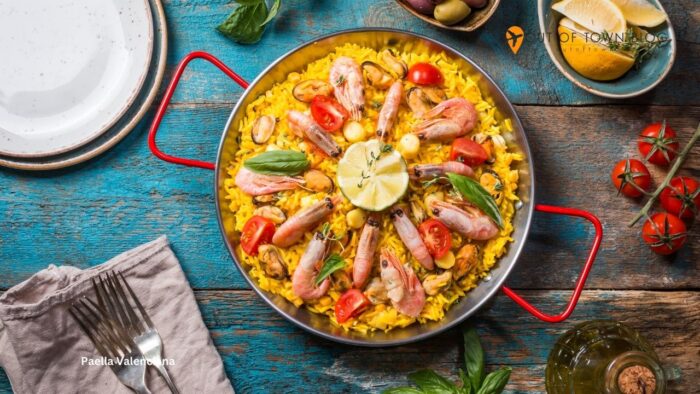
Paella Valenciana
Paella Valenciana
Paella Valenciana is the original and most traditional version of Spain’s famous rice dish, created in the countryside around Valencia. It is made with short-grain rice, chicken, rabbit, flat green beans, white beans (garrofó), tomato, olive oil, saffron, rosemary, and water, all cooked slowly in a wide, shallow pan over an open flame.
The result is a dry, flavorful rice with a smoky aroma and a rich, savory taste balanced by herbal notes. The prized, crispy bottom layer, called socarrat, adds texture. For an authentic experience, try it at Casa Roberto, Restaurante Levante in Albufera, or La Pepica, preferably at lunchtime.

Arroz Negro
Arroz Negro
Arroz Negro is one of Valencia’s most distinctive rice dishes, made with short-grain bomba rice cooked in rich seafood stock and colored naturally with squid ink. The dish typically includes cuttlefish or squid, prawns, mussels, garlic, olive oil, and sometimes fish. Its deep black color contrasts beautifully with creamy aioli sauce, which is often served on the side. In flavor,
Arroz Negro is intensely savory, briny, and slightly smoky, with a subtle sweetness from fresh seafood and a silky texture from the ink-infused rice. You can find excellent versions at beachfront restaurants like La Pepica and Casa Carmela, traditional eateries such as Casa Roberto, and select rice specialists near Albufera Natural Park.

Fideua
Fideuà
Fideuà is one of Valencia’s most beloved seafood dishes, similar to paella but made with short, thin noodles instead of rice. It is traditionally cooked in a wide, shallow pan with fish stock, garlic, tomato, olive oil, and a mix of fresh seafood such as prawns, squid, and monkfish. The noodles absorb the rich broth, creating a deeply savory, slightly smoky flavor with hints of the Mediterranean.
Crispy edges at the bottom add extra texture. Fideuà is usually served with alioli for added creaminess. You can enjoy an excellent fideuà at beachfront restaurants like La Pepica, Casa Carmela, or Restaurante La Marcelina, where it is freshly prepared using traditional methods.

Horchata and Fartons
Horchata and Fartons
Horchata and fartons are beloved Valencian treats, especially enjoyed on warm afternoons. Horchata de chufa is a refreshing, milky drink made from tiger nuts, water, and sugar. Despite its name, it contains no dairy and has a naturally sweet, nutty, and slightly earthy flavor with a smooth, creamy texture.
It is served ice-cold and pairs perfectly with fartons, long, fluffy pastries lightly glazed with sugar. Fartons are designed for dipping into horchata without falling apart. Locals often enjoy this combination at traditional horchaterías such as Horchatería Santa Catalina, Daniel, or Panach, where it is freshly made and served year-round.

All i Pebre by Joanbanjo via Wikimedia Commons
All i Pebre
All i Pebre is a traditional Valencian stew that showcases the region’s rich agricultural and fishing heritage. The name literally means “garlic and pepper,” reflecting its defining flavors. This hearty dish is primarily made with fresh eel from the Albufera lagoon, slow-cooked in a fragrant sauce of garlic, paprika, sweet bell pepper, potatoes, olive oil, and sometimes a hint of almonds or saffron. The result is a robust, savory stew that’s rich and earthy, with subtle heat from the paprika and deep garlic undertones that balance the tender, melt-in-your-mouth eel.
The texture is comforting and slightly silky, with the potatoes absorbing the savory broth. All i Pebre is best enjoyed in traditional, family-run restaurants in Valencia’s Albufera region and Cabanyal district, where local fishermen have served it for generations. Ask for it at classic taverns or seafood casas specializing in Valencian cuisine for the most authentic experience.
Restaurant Recommendations
1. Ricard Camarena Restaurant
Address: Av. de Burjassot, 54, La Saïdia, Valencia
Ricard Camarena is one of Valencia’s most prestigious fine-dining restaurants, led by one of Spain’s most respected chefs. The focus here is on seasonal Valencian ingredients, especially vegetables, seafood, and Mediterranean flavors, presented in elegant and creative tasting menus. The atmosphere is refined yet welcoming, making it ideal for special occasions.
What to Eat:
- Seasonal tasting menu
- Vegetable-forward dishes with seafood accents
- Creative reinterpretations of local products
Price Range: €100+ per person
2. La Salita (Begoña Rodrigo)
Address: C/ de Pere III el Gran, 11, Ensanche, Valencia
Located in a charming historic house, La Salita offers modern Mediterranean cuisine with artistic presentation. Chef Begoña Rodrigo blends traditional Valencian flavors with contemporary techniques, resulting in bold, imaginative dishes that highlight local produce.
What to Eat:
- Chef’s tasting menu
- Seasonal seafood and vegetable dishes
- Signature creative plates inspired by Valencian cuisine
Price Range: €100+ per person
3. Restaurante Lienzo
Address: Pl. Tetuán, 18, Ciutat Vella, Valencia
Restaurante Lienzo combines fine dining with a relaxed, artistic atmosphere in the heart of the Old Town. The restaurant focuses on sustainable, locally sourced ingredients and modern Mediterranean flavors. It is a great option for travelers looking for refined food without excessive formality.
What to Eat:
- Seasonal chef’s menu
- Mediterranean-inspired tasting menu
- Dishes featuring regional fish and vegetables
Price Range: €80–120 per person
4. Restaurante Espurnes
Address: C/ de l’Ambaixador Vich, 6, Ciutat Vella, Valencia
Espurnes is a popular local restaurant known for honest, flavorful Mediterranean cooking at reasonable prices. It attracts both locals and visitors looking for quality food without the fine-dining price tag. The atmosphere is relaxed and friendly.
What to Eat:
- Grilled fresh fish
- Seafood rice dishes
- Traditional Valencian mains with modern touches
Price Range: €20–30 per person
5. Restaurant Secret
Address: C/ de Sant Martí, 11, Ciutat Vella, Valencia
Tucked away in Valencia’s historic center, Restaurant Secret offers an intimate dining experience with creative Mediterranean cuisine. The restaurant is known for its stylish presentation, attentive service, and flavorful seasonal dishes.
What to Eat:
- Chef’s daily specials
- Fresh seafood plates
- Seasonal Mediterranean mains
Price Range: €20–35 per person
6. Casa Montaña
Address: C/ de Josep Benlliure, 69, Cabanyal, Valencia
Casa Montaña is one of Valencia’s most historic tapas bars, operating for nearly a century. This traditional bodega is loved for its classic small plates, excellent wine selection, and authentic local atmosphere. It is especially popular with locals from the nearby fishing district.
What to Eat:
- Iberian ham and cured cheeses
- Grilled prawns
- Anchovies and marinated seafood
- Traditional tapas with local wines
Price Range: €20–30 per person
Local Dining Tip
For the most authentic experience, try eating paella and rice dishes at lunch (between 2:00–4:00 PM), when Valencians traditionally enjoy their main meal. Many top restaurants do not even serve paella at dinner.
Street Food Safety
- Follow local crowds
- Avoid unrefrigerated seafood
- Eat at markets
Markets are the safest option.
6. Local Culture and Etiquette
Valencia is a warm, relaxed Mediterranean city where tradition and modern life blend naturally. While locals are friendly and welcoming, understanding basic customs will help you connect more easily, avoid awkward moments, and experience the city like a respectful guest.
This guide covers social behavior, dining habits, greetings, festivals, and everyday etiquette to help you navigate Valencian culture with confidence.
1. Social Behavior and Communication
Greetings
- Friends and acquaintances usually greet with two cheek kisses (right then left).
- In formal situations, a handshake is common.
- A simple “Hola” or “Buenos días” goes a long way in shops and cafés.
Personal Space
- Valencians are generally expressive and comfortable with close conversation.
- Light touching on the arm during conversation is normal among friends.
- This is friendly behavior, not intrusive.
Conversation Style
- People speak openly and passionately.
- Interrupting slightly during conversation is common and not considered rude.
- Humor and storytelling are important parts of social interaction.
Tip: Don’t mistake loud conversation for anger—locals often speak energetically.
2. Dining Culture and Table Manners
Food plays a central role in Valencian life, and meals are social events rather than rushed necessities.
Meal Times
- Breakfast: 8:00–10:00 AM (light)
- Lunch: 2:00–4:00 PM (main meal)
- Dinner: 9:00–11:00 PM
Restaurants may close between lunch and dinner, so plan accordingly.
Paella Etiquette
- Paella is traditionally eaten at lunch, not dinner.
- It is shared directly from the pan.
- Locals eat it with a spoon from their section.
Ordering paella for dinner in tourist areas is common, but locals consider it inauthentic.
Table Manners
- Keep your hands visible on the table (not in your lap).
- Wait until everyone is served before eating.
- Bread is often placed directly on the table, not on a plate.
- Do not rush; meals are meant to be enjoyed slowly.
Tipping
- Tipping is not obligatory.
- Rounding up the bill or leaving 5–10% is appreciated in good restaurants.
- No tip is expected in cafés or bakeries.
3. Daily Life and Local Rhythm
Valencia follows a relaxed Mediterranean pace.
Siesta Culture
- Many small shops close between 2:00 and 5:00 PM.
- This is normal and respected.
- Large malls and tourist areas stay open.
Work-Life Balance
- Family, meals, and social life are highly valued.
- Long lunches and late dinners are part of daily life.
- Punctuality is flexible in social settings.
Being 10–15 minutes late socially is acceptable.
4. Dress Code and Appearance
Valencians dress casually but with attention to style.
Everyday Dress
- Smart casual is standard.
- Clean shoes, neat clothing, and good grooming matter.
- Beachwear is only appropriate at the beach.
Religious Sites
When visiting churches:
- Cover shoulders and knees.
- Avoid hats inside.
- Speak quietly.
Dining and Nightlife
- Dress slightly better for dinner.
- Sneakers are common, but clean and stylish.
Avoid walking around town in swimwear or shirtless.
5. Respect for Language and Identity
Valencia has its own regional language: Valencian, a variety of Catalan.
Language Sensitivity
- Spanish is universally spoken.
- Valencian is important to local identity.
- Hearing Valencian in public spaces is normal.
Avoid dismissing Valencian as “just a dialect.” It is culturally significant.
Basic Respectful Phrases
- Bon dia – Good morning (Valencian)
- Gràcies – Thank you (Valencian)
- Por favor – Please
- Perdón – Excuse me
Trying a few local words is always appreciated.
6. Behavior in Public Spaces
Public Transport
- Offer seats to elderly, pregnant, or disabled passengers.
- Keep noise levels moderate.
- Let people exit before boarding.
Queuing
- Lines may seem informal.
- Pay attention to who arrived first.
- Politely ask “¿Es aquí?” (Is this the line?)
Noise
- Outdoor conversations can be lively.
- Late-night noise is common in entertainment areas.
- Be respectful in residential zones at night.
7. Festivals and Traditions

Las Fallas
Valencia is famous for its strong festival culture.
Las Fallas (March)
- Giant sculptures are built and burned.
- Fireworks are extremely loud.
- Streets may close without notice.
Respect safety barriers and follow local instructions.
Semana Santa Marinera
- Religious processions in coastal areas.
- Dress modestly.
- Be quiet during ceremonies.
Local Patron Celebrations
- Neighborhood fiestas are community-focused.
- Visitors are welcome but should observe respectfully.
Avoid climbing on monuments or damaging festival installations.
8. Dos and Don’ts in Valencia
Do
- Greet people when entering small shops
- Be patient during long meals
- Try local dishes
- Respect quiet hours
- Support family-run businesses
Don’t
- Rush servers
- Compare Valencia negatively to Barcelona or Madrid
- Eat paella with chorizo (locals consider this incorrect)
- Speak loudly in churches
- Ignore recycling rules
9. Environmental and Responsible Behavior
Valencians care deeply about their beaches, parks, and rice fields.
Responsible Practices
- Use refillable water bottles
- Dispose of trash properly
- Avoid stepping on dunes
- Respect the Albufera wetlands
- Reduce plastic use
Supporting sustainable tourism helps preserve the region’s natural beauty.
10. Building Connections with Locals
Valencians are friendly but value sincerity.
How to Connect
- Visit neighborhood cafés
- Shop at local markets
- Join cooking classes
- Attend small concerts
- Participate in community festivals
Simple curiosity and politeness often lead to meaningful conversations.
Final Advice for Respectful Travel in Valencia
Valencia’s culture is rooted in hospitality, food, family, and celebration. Showing respect does not require perfection—just awareness, patience, and openness.
Smile when you enter a shop. Sit longer at lunch. Learn a few words. Watch how locals behave and follow their lead. These small actions transform you from a visitor into a welcomed guest.
When you travel thoughtfully in Valencia, you do not just see the city—you become part of its rhythm, even if only for a short time.
7. Practical Tips and Safety
Health and Safety
- Very safe city
- Watch for pickpockets
- Drinkable tap water
Emergency: 112
What to Pack
- Comfortable shoes
- Sun hat
- Reusable bottle
- Swimwear
- Light jacket
What to Wear
- Casual chic
- Smart casual for dining
- Beachwear only at the beach
Money-Saving Tips
- Menu del Día: $10–15
- Free museums on Sundays
- Transport passes
Eat lunch as your main meal.
8. Souvenir Shopping
Popular Souvenirs
- Manises ceramics
- Valencian silk
- Horchata powder
- Orange products
- Hand-painted fans
Best Shopping Areas
- Mercado Central
- Calle Colón
- El Carmen boutiques
Flea Markets
- Mercadillo del Cabanyal (Sundays)
- Rastro Valencia
9. Suggested Itineraries
3-Day Express Itinerary
Day 1: Old Town
Day 2: City of Arts and Beach
Day 3: Albufera and Ruzafa
Off-the-Beaten-Path (5 Days)
Day 1: Cabanyal
Day 2: Albufera villages
Day 3: Xàtiva
Day 4: Cooking class
Day 5: Art centers
Xàtiva Castle offers excellent views for $5.
Responsible Travel in Valencia
- Use public transport
- Support local businesses
- Avoid plastic bottles
- Respect natural parks
- Buy handmade crafts
Final Thoughts: Let Valencia Inspire Your Journey
This Valencia Travel Guide, along with our comprehensive guide to the city, illustrates why Valencia should be on every traveler’s list. The city offers a unique blend of cultural richness, budget-friendly living, cutting-edge architecture, and exceptional cuisine, making it stand out among European cities.
Here, you will taste centuries-old recipes, walk through futuristic landscapes, and connect with locals who still value slow living and shared meals. You will discover that Valencia does not compete for attention—it wins hearts quietly, through authenticity and warmth.
If you are planning your next European adventure, let this Travel Guide to Valencia be your starting point. Come curious, eat well, travel responsibly, and allow Valencia to surprise you.
Buen viaje. Your Mediterranean story begins here.
Valencia Travel Tour Packages You Should Try
<script type="text/javascript"></p> <p> (function (d, sc, u) {</p> <p> var s = d.createElement(sc),</p> <p> p = d.getElementsByTagName(sc)[0];</p> <p> s.type = "text/javascript";</p> <p> s.async = true;</p> <p> s.src = u;</p> <p> p.parentNode.insertBefore(s, p);</p> <p> })(</p> <p> document,</p> <p> "script",</p> <p> "https://affiliate.klook.com/widget/fetch-iframe-init.js"</p> <p> );</p> <p></script>
Follow and subscribe to OutofTownBlog.com on Facebook , Twitter, Instagram, Pinterest, and YouTube for more Travel-related updates.
Read:
- 12 Must-Visit Cities in Spain
- Guggenheim Museum: A Modern Architectural Marvel in New York City
- A Mystical Tour of Bilbao
- Top 15 Best Day Trips From Madrid
- 10 Best Places to Visit in Spain
- How to Combine Travel and Family Photography in Spain: Tips from a Local Photographer
VALENCIA TRAVEL GUIDE: Beaches, Paella, Culture, and the Ultimate Travel Guide to Valencia
The post VALENCIA TRAVEL GUIDE: Beaches, Paella, Culture, and the Ultimate Travel Guide to Valencia appeared first on Out of Town Blog














































Comments and Responses
Please login. Only community members can comment.