























































US Travelers Face Ongoing Holiday Disruptions After Shutdown As Tourism Experts Advise for Travel Insurance: What You Need to Know
-
Blogs, Immigration, History & Art, Shopping, Travel
-
-
3 mins
-
Travel and Tour World
-
Shuvechha Mondal
-


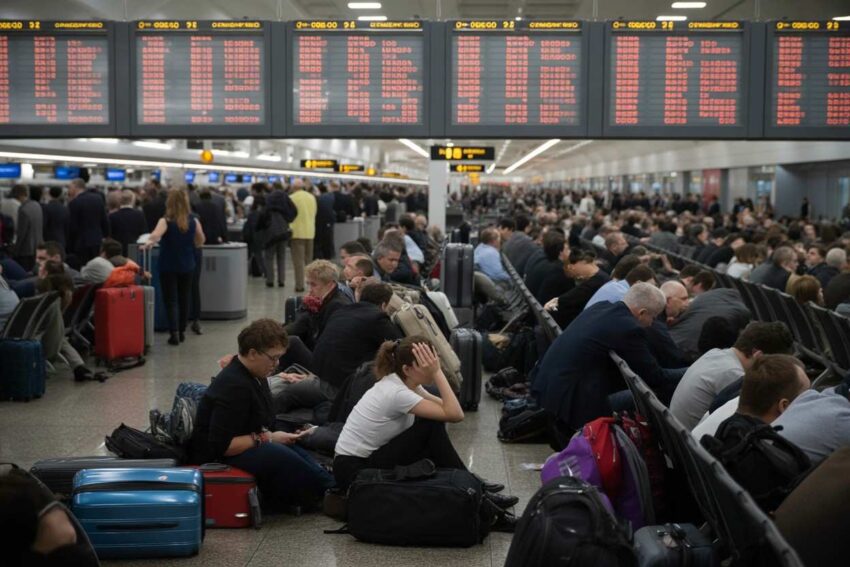
US holiday travel faces lingering disruptions post-shutdown; travelers urged to plan ahead, secure insurance, and expect delays amid ongoing tourism challenges.
United Statestravelers gearing up for the holiday season are facing a complex landscape following the official end of thelongest government shutdownin US history, which concluded on November 12, 2025. As the tourism industry braces for one of the busiest travel periods of the year, key agencies such as theTSA, FAA,and passport services are still recovering from staffing shortages and operational delays. These lingering impacts are expected to present challenges through the holidays, requiring extra vigilance and preparation for travelers navigating the nation’s major airports and travel hubs.
Shutdown Fallout: What Travelers Need to Know
Even with the government now reopened, experts warn that it will take time before essential aviation and security operations are fully restored. During the forty-three-day shutdown, thousands of transportation and security personnel faced significant backlogs and working deficits, which continue to affect current service levels. As a result, travelers should anticipate longer wait times, potential flight delays, and increased risk of interruptions, especially during peak periods associated with holiday tourism.
Proactive Planning: Essential Tips for Holiday Travelers
With widespread delays, authority Squaremouth recommends that travelers arrive early, two to three hours before domestic flights and three to four hours ahead of international departures. This buffer helps offset unpredictable surges in passenger volumes and any unanticipated slowdowns at check-in, security, or passport control.
Additionally, travelers shouldmonitor flight statusclosely by using airline apps and opting in to flight alerts, ensuring up-to-date information on schedule adjustments, gate changes, or weather-related disruptions. Such digital tools have become indispensable for minimizing complications in today’s evolving travel landscape.
Smart Packing and Safeguarding Essentials
Adhering toTSA guidelinesfor liquids and electronics remains critical, but experts also advise travelers to keep medications, chargers, travel documents, and a change of clothing readily accessible in carry-on bags. Leveraging modern tracking technology likeelectronic luggage tagsor photographing packed items can provide valuable backup if bags are delayed or misplaced.
This level of preparedness is particularly important asstaffing constraintsmay result in longer baggage handling times or reduced customer service availability during the ongoing tourism surge.
Optimizing Travel Schedules
Where possible, passengers should choose morning flights to reduce exposure to cascading mid-day and evening delays. Allowing more time between connections is also recommended, reducing the risk of missed flights due to slow security or border checks, a common issue during periods of recovery following system-wide shutdowns.
Subscribing to airports’ social media feeds for real-time wait times and transport updates can provide additional situational awareness for travelers and enhance the holidays’ overall tourism experience.
Importance of Comprehensive Travel Insurance
Given the heightened risk of delay, lost connections, and baggage issues, travelers are strongly urged to invest incomprehensive travel insurance. The best coverage will include protection fortrip delays, trip interruptions, missed connections, baggage delay,andpersonal items loss. These protections not only offer financial peace of mind but also facilitate smoother claims in the event of significant holiday tourism disruption.
Travelers should confirm whether their insurance policy covers issues specifically arising from government shutdowns, as exclusions may apply to delays caused by labor shortages or closures.
Navigating Lengthy Airport Waits: Extra Time is Key
As TSA, FAA, and passport agencies rebuild their teams to pre-shutdown operational capacity, passengers should allow forlengthier security screening and immigration queues. Missing a flight due to excessive wait times caused by post-shutdown recovery is generally not covered by insurance, making punctuality and foresight paramount for a successful tourism experience this season.
Future Shutdown Risks: Stay Informed and Flexible
Experts caution that while the shutdown has ended, further disruptions remain possible in the coming year. Staying updated withofficial government bulletinsand the latest travel advisories helps travelers make informed decisions and adjust plans as needed.
Loyalty to transparent booking platforms that offer extensive insurance options and responsive customer support can provide another layer of protection for tourists concerned about political or operational instability.
Enhanced Preparedness Essential for Holiday Tourism in 2025
As theUS tourism sectorcontinues to rebound, the aftermath of the government shutdown underscores the need for proactive planning, comprehensive insurance, and up-to-date travel information. With agencies still restaffing and demand hitting seasonal highs, travelers who plan ahead, stay informed, and use available digital and insurance tools will be best positioned to minimize disruptions and enjoy a smooth holiday journey.
This challenging period also highlights the resilience and adaptability of the tourism industry, requiring coordinated efforts among government, travel providers, and passengers to restore optimal service and confidence for holiday travel now and in the future.
The post US Travelers Face Ongoing Holiday Disruptions After Shutdown As Tourism Experts Advise for Travel Insurance: What You Need to Know appeared first on Travel and Tour World














































Comments and Responses
Please login. Only community members can comment.