
















































Medellín Aligns Cartagena and More in Witnessing Disproportionate Travel Trends During the First Eight Months of 2026
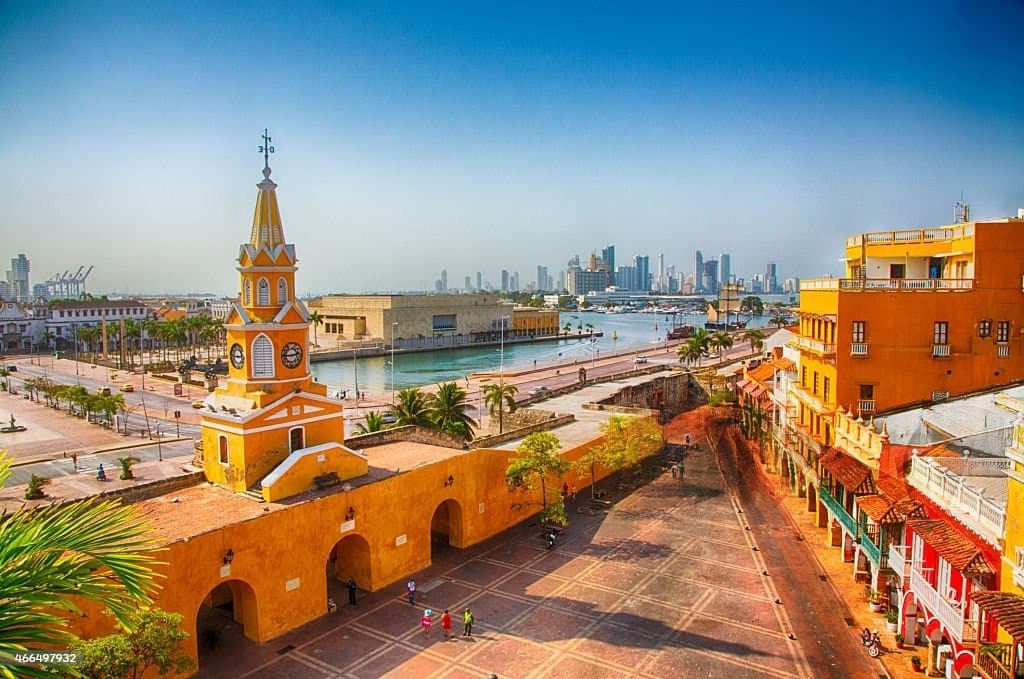
-
Blogs, Entertainment, Nature & Wildlife, History & Art, Reviews, Travel
-
-
13 mins
-
Travel and Tour World
-
Somudranil Sarkar
-


Official reports highlight major shift in Colombia Travel Trends 2026 as Cartagena and Medellin record surges.
Official reports released during the first eight months of 2026 highlight a dramatic evolution in Colombia Travel Trends 2026, with coastal and urban destinations recording unprecedented growth. Data verified by the Ministry of Commerce, Industry and Tourism alongside Aerocivil indicates that international arrivals and civil aviation passenger movement have reached historical peaks. Major metropolitan centres, led by Cartagena and Medellín, are experiencing disproportionate influxes of foreign travellers, fundamentally altering the national tourism landscape. Understanding these shifting dynamics matters immensely for regional infrastructure planning, economic policymaking, local business strategy, and sustainable tourism management across this dynamic South American sovereign territory today.
Background: The Structural Transformation of Colombia’s Tourism Ecosystem
From Regional Hub to Global Foreign Exchange Powerhouse
Over the past decade, Colombia’s national tourism sector has undergone a fundamental structural transformation. Historical perceptions have yielded to a dynamic, multi-faceted destination strategy that positions the South American nation as a primary hub for international culture, biodiversity, and eco-tourism. Central to this evolution has been a coordinated, multi-decade legislative and promotional push by the national government to diversify the domestic economy away from traditional extractive industries and toward non-mining foreign exchange generation.
By prioritizing international air connectivity, streamlining border entry requirements, and implementing public-private investments in hospitality infrastructure, the state has elevated tourism into one of the country’s most vital economic engines. Official figures from the Ministry of Commerce, Industry and Tourism (MinCIT) demonstrate that incoming international travel has shifted from a secondary service industry into a principal macroeconomic driver, consistently contributing billions of US dollars to the national balance of payments.
The Post-Pandemic Trajectory and the “Country of Beauty” National Campaign
Following the global disruption of international travel in the early 2020s, Colombia implemented a targeted strategy to rebuild and expand its tourism sector. The national strategy was consolidated under the flagship promotional campaign “Colombia: Country of Beauty” (Colombia, El País de la Belleza), launched by MinCIT and executed through ProColombia. This unified identity highlighted six distinct macro-regions, ranging from the Colombian Caribbean and the Greater Colombian Massif to the Western and Eastern Andes, the Pacific Coast, and the Amazonian-Orinoco basin.
Rather than concentrating promotional resources strictly on traditional leisure travel, the initiative systematically targeted niche segments including eco-tourism, birdwatching, cultural heritage, business conventions (MICE), and digital nomadism. By aligning national branding with global demand for sustainable and experiential travel, Colombia achieved a rapid post-pandemic recovery. By mid-2026, official data confirmed that international arrival metrics had not merely returned to pre-pandemic benchmarks but had established entirely new historical records, establishing the foundation for the current shift in Colombia travel trends 2026.
Latest Official Developments: First Eight Months of 2026 Verified Data
Divergent Regional Growth Rates Across Urban and Coastal Corridors
Verified government statistics published during the first eight months of 2026 reveal that national growth in visitor arrivals is far from uniform across the country. Data compiled by the Departamento Administrativo Nacional de Estadística (DANE) and MinCIT shows a marked divergence between high-performing urban and coastal hubs and secondary inland destinations. While major urban corridors are experiencing record visitor densities, other regions are undergoing operational adjustments and recalibrations in response to shifting consumer preferences and domestic economic factors.
Cartagena de Indias and Medellín have emerged as the primary beneficiaries of this international influx. According to DANE’s Monthly Hotel Sample (Muestra Mensual de Hoteles – EMA), coastal and urban centres have sustained elevated hotel occupancy rates and robust yield metrics, whereas traditional inland regions have recorded more moderate performance. This uneven distribution has created a dual-track tourism economy, where primary gateway cities face capacity pressures while regional authorities work to redistribute visitor flows into emerging rural circuits.
Civil Aviation Milestones: Aerocivil’s 29 Million Passenger Benchmark
The operational backbone of this tourism expansion remains the Colombian civil aviation sector. Official data released by the Special Administrative Unit of Civil Aeronautics (Aerocivil) confirms that during the first semester (H1) of 2026, Colombian airports moved an astonishing 29 million passengers alongside more than 505,000 tonnes of air cargo. This milestone represents one of the strongest operational performances in the history of Latin American aviation.
+-------------------------------------------------------------------------------+| COLOMBIAN CIVIL AVIATION PERFORMANCE (H1 2026) |+------------------------------------+------------------------------------------+| Indicator | Official Verified Figure (Aerocivil) |+------------------------------------+------------------------------------------+| Total Passenger Volume (H1 2026) | 29,000,000 Passengers || Air Cargo Handled (H1 2026) | 505,000+ Tonnes || Mid-Year High Season Air Traffic | 6,000,000+ Projected Passengers || New International Routes (2026) | 20 Newly Operational Direct Routes |+------------------------------------+------------------------------------------+Aerocivil’s comprehensive tracking confirms that both domestic and international passenger volumes expanded consistently throughout the first eight months of the year. During the mid-year high season alone, aviation authorities managed over 6 million passengers across the national airport network, driven by boosted seat capacity, enhanced operational safety, and expanded direct connections to primary international source markets in North America, Europe, and Latin America.
Government Announcements and Policy Initiatives
Ministry of Commerce, Industry and Tourism (MinCIT) Strategic Frameworks
In response to evolving travel patterns, the Ministry of Commerce, Industry and Tourism, under executive leadership, announced targeted policy measures designed to balance national growth with sustainability. MinCIT officially reaffirmed its commitment to strengthening non-resident visitor flows while enforcing strict environmental and heritage protection codes across high-density destinations.
The ministry’s strategic framework prioritises three core pillars:
- Territorial Decentralisation: Channeling public investment into secondary and tertiary destinations to alleviate capacity pressures on primary urban centres.
- Formalisation and Quality Standards: Enhancing compliance with the National Tourism Registry (Registro Nacional de Turismo – RNT) among accommodation providers and tour operators.
- Community-Based Eco-Tourism: Providing technical assistance and grant funding to local indigenous, Afro-descendant, and peasant communities to establish sustainable tourism enterprises.
Air Connectivity Expansion: ProColombia and Aerocivil’s 20 New Routes
A primary catalyst driving the Colombia travel trends 2026 surge is the aggressive expansion of international air connectivity. During the first eight months of 2026, ProColombia and Aerocivil announced the addition of 20 new international flight routes, connecting Colombian cities directly with key global hubs without requiring layovers in Bogotá.
A major component of this expansion included 14 new weekly flight frequencies between Colombia and the United States, expanding direct capacity into Medellín’s José María Córdova International Airport (MDE) and Cartagena’s Rafael Núñez International Airport (CTG). This direct route development strategy has significantly lowered travel friction, reduced transshipment times, and boosted weekend and short-stay international arrivals from major North American urban centres.
Sustainable Tourism Certification and Regulatory Oversight
To preserve cultural heritage and environmental integrity, the Colombian government has introduced stricter regulatory oversight across historic and ecologically sensitive zones. MinCIT, in coordination with the Ministry of Environment and Sustainable Development, established updated carrying-capacity guidelines for national parks, historic districts, and marine protected zones.
Under these mandates, municipal authorities in high-density areas are required to implement real-time visitor management systems, mandate noise-control compliance in entertainment districts, and strictly regulate illegal short-term vacation rentals. Facilities failing to meet mandatory national sustainability standards risk suspension from the RNT, effectively prohibiting them from legally offering accommodation services to domestic or foreign tourists.
Comprehensive Statistical Deep-Dive: DANE, MinCIT, and ProColombia Analysis
International Non-Resident Visitor Influx and Foreign Exchange Generation
Official data published by MinCIT confirms that during the first four months of 2026, Colombia surpassed 2 million non-resident international visitors. This momentum sustained throughout the first half of the year, generating unprecedented foreign currency revenue for the national balance of payments.
+-------------------------------------------------------------------------------+| MACROECONOMIC TOURISM DATA (FIRST EIGHT MONTHS 2026) |+------------------------------------+------------------------------------------+| Metric | Official Verified Figure |+------------------------------------+------------------------------------------+| Non-Resident Visitors (Jan-Apr 2026)| 2,000,000+ Foreign Travellers || Tourism Foreign Currency (H1 2026) | USD $5.619 Billion (MinCIT / Banco Rep.) || National Hotel Occupancy (Jan 2026)| 49.7% (DANE EMA Survey) || Main Travel Motivation (Leisure) | 33.0 Percentage Points Contribution || National Unemployment (July 2026) | 8.1% (DANE Labor Market Report) |+------------------------------------+------------------------------------------+Official financial reports indicate that international tourism generated USD 5.619 billion in foreign exchange earnings during the first semester of 2026. This substantial inflow places tourism firmly as Colombia’s leading non-extractive source of foreign currency, surpassing major traditional agricultural exports including coffee and cut flowers. The steady increase in foreign currency revenue reflects both an increase in total arrivals and a higher average daily spend per visitor, particularly among long-haul travellers from North America and Europe.
The Cartagena Surge: Hotel Occupancy, Cruise Terminal Volumes, and Yield Performance
Cartagena de Indias continues to serve as Colombia’s flagship coastal destination, exhibiting extraordinary resilience and growth. According to DANE’s official Boletín EMA, Cartagena achieved a hotel occupancy rate of 73.9% during peak operational periods, far outperforming the national average.
+-------------------------------------------------------------------------------+| REGIONAL HOTEL OCCUPANCY BREAKDOWN (DANE OFFICIAL DATA 2026) |+------------------------------------+------------------------------------------+| Region / Major Destination | Official Occupancy Rate (%) |+------------------------------------+------------------------------------------+| San Andrés y Providencia | 77.3% || Cartagena de Indias | 73.9% || Caribbean Coast Region | 54.4% || Antioquia (Including Medellín) | 51.3% || National Total Average | 49.7% || Coffee Axis (Eje Cafetero) | 45.8% || Central Region | 39.7% |+------------------------------------+------------------------------------------+The city’s tourism economy has been propelled by two primary engines:
- Maritime Cruise Tourism: Cartagena’s port facilities welcomed record vessel calls during the 2025–2026 cruise season, bringing hundreds of thousands of day-passengers directly into the UNESCO-listed Walled City (Ciudad Amurallada).
- High-Yield Luxury and MICE Travel: The expansion of boutique luxury accommodations in historic structures alongside multi-national corporate conferences has pushed real hotel room rates up by 7.7% year-on-year, boosting local hospitality payrolls and municipal tax revenues.
Medellín’s Exponential Expansion: Digital Nomad Inflows and Urban Cultural Travel
Medellín and the broader department of Antioquia recorded an outstanding tourism performance through the first eight months of 2026, with Antioquia achieving a hotel occupancy rate of 51.3%. This represents an upward trajectory compared to previous years, solidifying Medellín’s status as Latin America’s leading urban innovation and cultural destination.
The driver behind Medellín’s disproportionate growth is its attraction for digital nomads and extended-stay remote workers. Leveraging Colombia’s dedicated Digital Nomad Visa alongside competitive living costs, world-class telecommunications infrastructure, and a vibrant cultural calendar, Medellín has attracted thousands of long-stay international residents. This influx has sustained high occupancy in serviced apartments, co-working facilities, and local hospitality establishments across key urban zones such as El Poblado, Laureles, and Envigado.
Secondary Market Performance: Bogotá, the Coffee Axis, Pacific Region, and San Andrés
While Cartagena and Medellín lead national growth, DANE’s detailed sector reports reveal nuanced operational conditions across secondary Colombian markets:
- San Andrés y Providencia: Registered the country’s highest hotel occupancy rate at 77.3%, recovering strongly due to targeted air connectivity subsidies and tax relief measures introduced by the national government.
- Caribbean Coast Region: Averaged 54.4% occupancy, driven by leisure travel to Santa Marta, Tayrona National Natural Park, and Palomino.
- The Coffee Axis (Eje Cafetero): Recorded an occupancy rate of 45.8%, with leisure travel contributing 36.7 percentage points. The region continues to shift away from mass domestic travel toward high-value, low-density international eco-tourism.
- Bogotá D.C. & Central Region: Experienced slight real revenue adjustments (-9.2% real income variation in early 2026) due to shifting business travel formats, though hotel occupancy remained steady at 39.7% to 49.7%, supported by corporate conventions and international transits through El Dorado International Airport.
- Pacific Region: Achieved 33.9% occupancy, with seasonal highlights including humpback whale watching along the Chocó and Valle del Cauca coastlines generating concentrated spikes in eco-tourism demand.
Policy Implications and National Governance Strategy
Mitigating Overtourism in Historic Urban Nodes vs Rural Decentralisation
The concentration of international arrivals within specific geographic zones—specifically Cartagena’s Walled City and Medellín’s El Poblado—has raised critical policy considerations for municipal and national planners. The primary policy challenge confronting MinCIT and local authorities in 2026 is balancing the immense economic benefits of high-density tourism with urban liveability and resource preservation.
In response, national planners have implemented the “Tourism for Peace” initiative (Turismo para la Paz), a government policy designed to direct domestic and international travel into former conflict zones and unexplored rural regions. By funding infrastructure projects, rural roads, and local guide training in departments such as Caquetá, Putumayo, Guaviare, and Montes de María, the state aims to decentralise travel flows, diversify rural income sources, and relieve pressure on historic urban centres.
Regulatory Frameworks for Short-Term Vacation Rentals and Digital Platforms
The rapid expansion of short-term rental platforms across major urban destinations has prompted comprehensive legislative reviews. To protect long-term residential housing supply and ensure fair competition with certified hotel operators, municipal councils in Medellín and Cartagena have enacted targeted urban zoning regulations.
Key regulatory initiatives include:
- Mandatory RNT Registration: Requiring all online platform listings to display a valid National Tourism Registry number.
- Homeowners Association (HOA) Oversight: Enforcing legal provisions that require explicit property owners’ association approval before residential units can be operated as short-term rentals.
- Municipal Tourist Levies: Introducing localized municipal tourism fees dedicated directly to funding urban infrastructure maintenance, historic conservation, and local security forces.
Industry Impact and Infrastructure Investments
Aviation Infrastructure Modernisation and Airport Capacity Expansion
To sustain the massive passenger volumes documented by Aerocivil, public-private partnerships are executing multi-million-dollar infrastructure upgrades across Colombia’s primary airport gateways.
+-------------------------------------------------------------------------------+| MAJOR INFRASTRUCTURE PROJECTS SUPPORTING COLOMBIA TOURISM |+-----------------------------------+-------------------------------------------+| Infrastructure Asset | Operational Scope and Upgrade Status |+-----------------------------------+-------------------------------------------+| El Dorado International (Bogotá) | Terminal expansion and runway optimization|| Rafael Núñez International (CTG) | New international terminal & apron expansion|| José María Córdova (MDE) | Master plan for second terminal & runway || Magdalena River Highway & Waterway| Re-activation of luxury river cruise line |+-----------------------------------+-------------------------------------------+In Cartagena, civil aviation authorities approved terminal expansion projects at Rafael Núñez International Airport to increase passenger handling capacity to over 8 million annual travellers. Simultaneously, feasibility studies and land acquisitions for a new international airport in Bayunca are advancing to meet long-term Caribbean coast travel demands. In Medellín, discussions between the Ministry of Transport and regional authorities in Antioquia focus on constructing a second runway and terminal building at José María Córdova Airport in Rionegro to handle projected international flight volumes through 2030.
Hospitality Sector Investments: Luxury Chains, Boutique Properties, and Eco-Lodges
The structural shift in Colombia travel trends 2026 has triggered significant capital investments from global luxury hotel brands and domestic real estate funds. International chains including Marriott, Hilton, Hyatt, and Accor have expanded their footprints across primary urban markets, while high-net-worth investors focus on boutique hotel conversions in historical centres.
Concurrently, rural areas have seen rapid growth in luxury eco-lodges and sustainable glamping resorts. Investors are targeting high-biodiversity areas in the Coffee Axis, the Tayrona coastline, and the Andean cloud forests, responding directly to international demand for sustainable accommodations that combine high-end comfort with minimal environmental footprints.
Riverine and Nautical Tourism: Magdalena River Cruises and Coastal Marina Development
A landmark development in Colombia’s travel industry during 2026 has been the formal launch of luxury river cruise operations along the Magdalena River (Río Magdalena). Supported by national waterway dredging projects and port infrastructure investments, international cruise operators have introduced multi-day luxury voyages connecting Barranquilla and Cartagena with historic inland towns such as Mompox.
This milestone opens up Colombia’s heartland to high-spending international tourists, delivering economic benefits to riverside communities that were previously isolated from the global tourism economy. Additionally, nautical tourism is receiving substantial investments through marina expansions along the Caribbean coastline, positioning Colombia as a premier cruising destination for international private yachts and sailing expeditions.
Economic Implications and Macroeconomic Contribution
Foreign Exchange Contribution: Surpassing USD 5.619 Billion in First-Half Revenue
The macroeconomic contribution of tourism to Colombia’s national economy has reached unprecedented levels. Official balance of payments figures released by the Central Bank of Colombia (Banco de la República) and MinCIT show that foreign currency earnings from international tourism reached USD 5.619 billion during the first six months of 2026 alone.
This influx of foreign currency has provided critical support to the national current account balance, helping offset volatility in international primary commodity markets. Tourism foreign currency generation now plays a vital role in stabilizing the Colombian Peso (COP) and reinforcing foreign exchange reserves, demonstrating the sector’s pivotal function in national economic management.
Employment Generation, Service Sector Wages, and Regional Inflation Metrics
The expansion of the tourism economy has had a profound impact on national labor markets and regional price levels. According to DANE’s official employment metrics for July 2026, national unemployment dropped to 8.1%, representing a 0.7 percentage point reduction compared to July 2025. The service sector—specifically accommodation, gastronomy, transport, and cultural entertainment—served as a primary driver of job creation.
+-------------------------------------------------------------------------------+| MACROECONOMIC INFLATION AND LABOUR METRICS (DANE AUGUST 2026) |+------------------------------------+------------------------------------------+| Macroeconomic Indicator | Official Verified Value |+------------------------------------+------------------------------------------+| Monthly Consumer Price Index (IPC) | 0.39% (August 2026) || Year-to-Date IPC Inflation | 5.35% (Jan-Aug 2026) || Annualized IPC Inflation | 6.24% (August 2025 - August 2026) || Real Hospitality Wage Growth | +7.7% in Cartagena, +14.5% Caribbean Coast|| National Unemployment Rate | 8.1% (July 2026) |+------------------------------------+------------------------------------------+DANE reports show that real wages in the Caribbean coast hospitality sector grew by 14.5% year-on-year, with Cartagena recording a 7.7% increase. However, this rapid growth has also contributed to localized inflationary pressures. National consumer price inflation (IPC) recorded a monthly variation of 0.39% in August 2026, bringing annualized inflation to 6.24%. In tourist-heavy districts, real estate prices, long-term rental rates, and basic service costs have risen faster than the national CPI average, prompting municipal interventions to maintain local living affordability.
Tourism, Business, and Local Community Impact
Urban Transformation and Gentrification Pressures in Historic Quarters
The surge in foreign visitor arrivals has fundamentally transformed local urban dynamics, particularly in historic and popular tourist neighborhoods. Areas such as Getsemaní in Cartagena and El Poblado or Comuna 13 in Medellín have seen rapid commercial conversions, with traditional family residences giving way to boutique hotels, craft cocktail lounges, and short-term rentals.
While property owners and commercial operators have reaped substantial financial rewards, local community organizations have raised concerns regarding residential displacement, culture commercialisation, and rising living costs. Urban planners and local authorities are actively evaluating balanced urban management policies to protect long-standing residents while sustaining vibrant commercial environments.
Environmental Preservation and Biodiversity Protection Initiatives
With Colombia holding the status of the world’s second most biodiverse nation, the environmental impact of expanding travel activity remains a central policy priority. MinCIT, alongside regional environmental corporations (Corporaciones Autónomas Regionales – CARs), has introduced strict carrying-capacity caps across sensitive ecological areas, including Corales del Rosario National Natural Park, Tayrona National Natural Park, and the Cocora Valley.
Government-backed eco-certification programmes incentivize tourism operators to adopt renewable energy sources, eliminate single-use plastics, and implement zero-waste management systems. Furthermore, eco-tourism revenues are increasingly earmarked for funding biodiversity conservation, forest re-afforestation programmes, and wildlife protection corridors across high-priority ecosystems.
Official and Expert Statements
Ministerial Declarations on Sustainable Growth and Global Brand Equity
Senior leadership within the Ministry of Commerce, Industry and Tourism has emphasized that Colombia’s travel growth must be managed responsibly to protect long-term economic and natural resources.
“The verified metrics from the first eight months of 2026 demonstrate that Colombia has solidified its position on the global tourism stage. Our objective is not merely increasing arrival numbers, but generating high-value, sustainable economic opportunities for local communities while safeguarding our unmatched biological and cultural heritage.”
— Official Statement, Ministry of Commerce, Industry and Tourism
Aviation and Trade Leadership Perspectives on International Expansion
Aviation and export promotion officials have highlighted the role of expanded air connectivity in driving regional economic development.
“Moving 29 million passengers across Colombian airports during the first half of 2026 reflects the extraordinary vitality of our civil aviation network. Expanding direct air connections ensures that the economic benefits of international travel reach beyond gateway cities into our country’s diverse regions.”
— Official Spokesperson, Civil Aeronautics Authority (Aerocivil)
Future Outlook: Strategic Roadmap for Q4 2026 and Beyond
Projections for Full-Year 2026 Visitor Arrivals and Revenue Targets
As Colombia enters the final quarter of 2026, official projections from MinCIT and ProColombia indicate that full-year international non-resident visitor arrivals will breach historical records. Building on the 2 million visitors recorded in the first four months and the USD 5.619 billion generated in H1, total annual tourism revenues are projected to top USD 10 billion by year-end.
The upcoming end-of-year high season (December 2026 – January 2027) is expected to draw record international arrivals, boosted by new direct flight connections from North America and Europe. Hospitality sectors in Cartagena, Medellín, and Santa Marta are forecasting hotel occupancy levels exceeding 80% during peak holiday weeks.
Long-Term Horizon: 2027–2030 Sustainable Tourism Objectives
Looking toward the 2027–2030 horizon, the Colombian government’s strategic tourism roadmap focuses on consolidated, high-value, sustainable expansion. Key long-term targets include:
- Market Diversification: Expanding promotional presence in high-yield markets across Asia-Pacific and the Middle East.
- Carbon Neutrality Commitments: Achieving net-zero carbon targets across major airport facilities and government-certified hospitality operations by 2030.
- Complete Territorial Integration: Ensuring all 32 departments of Colombia possess formal sustainable tourism master plans that connect rural communities directly into international value chains.
By executing this balanced strategy, Colombia is positioning its travel industry as a world-class model of economic resilience, cultural preservation, and environmental stewardship.
The post Medellín Aligns Cartagena and More in Witnessing Disproportionate Travel Trends During the First Eight Months of 2026 appeared first on Travel and Tour World























































Comments and Responses
Please login. Only community members can comment.