
Tuscany, Italy – The Ultimate Wine Journey: Why More Travelers Are Embracing Wine Tourism in Europe’s Vineyards
-
Blogs, Culinary, Nature & Wildlife, History & Art, Travel
-
-
4 mins
-
Travel and Tour World
-
Swagata Dey
-


Wine tourism is on the rise across Europe, with travelers flocking to vineyards in France, Italy, and Spain. Here's why you should explore these world-class destinations.
Europe’s wine tourism is flourishing as more and more travelers seek immersive experiences beyond just tasting fine wines. From the rolling hills of Tuscany to the iconic vineyards of Bordeaux, regions across Europe are becoming prime destinations for wine enthusiasts and cultural explorers alike. This growing trend is reshaping the way people travel, providing an opportunity to combine the pleasures of wine with local culture, history, and the joys of slow travel.
Why Wine Tourism Is Booming Across Europe
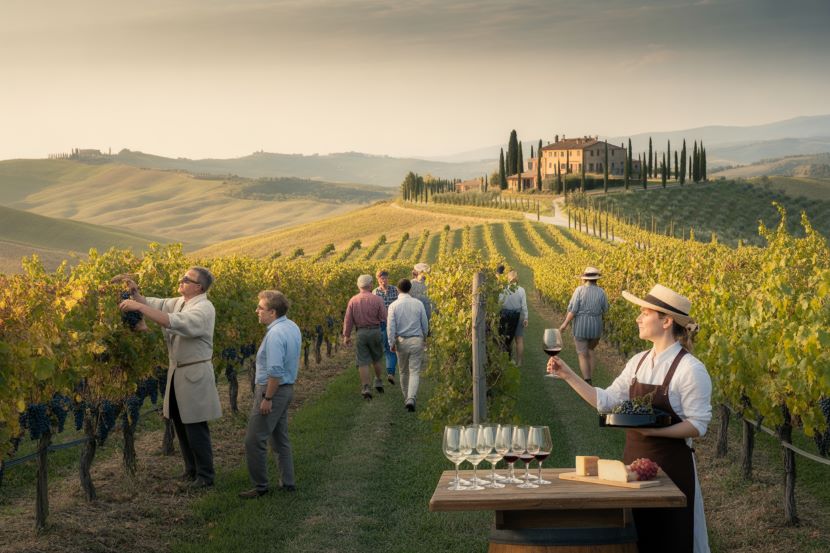
The rise of wine tourism can be attributed to a combination of factors that appeal to modern travelers. Beyond simply sipping a glass of wine, visitors are eager to understand the craftsmanship behind each bottle, immerse themselves in local traditions, and experience the serene beauty of European vineyards. The increasing demand for experiential travel has led to a boom in vineyard visits, as tourists want to engage in hands-on activities like grape harvesting, guided tours, and food pairings that complement the wine-tasting experience.
In addition, the allure of visiting some of the world’s most renowned wine-producing regions—such as Bordeaux, Burgundy, Tuscany, and Rioja—has made wine tourism an attractive option for both seasoned wine connoisseurs and newcomers. Each region offers its own unique story and wine culture, creating a deeply personal connection for travelers.
Exploring Europe’s Most Popular Wine Regions
Europe boasts an incredible diversity of wine regions, each with its distinct character and wine-making traditions. The most famous destinations include:
- France: Bordeaux, Burgundy, and Champagne are known worldwide for their prestigious wines. Bordeaux, in particular, is home to some of the finest sweet wines in the world, like those from Château d’Yquem, while Burgundy’s Pinot Noir and Chardonnay are renowned for their elegance. Champagne, as the birthplace of sparkling wine, offers an unforgettable experience for wine lovers.
- Italy: Tuscany’s vineyards, offering Sangiovese-based wines, provide both excellent wine and breathtaking landscapes. Piedmont and Veneto, famous for Barolo and Prosecco, also attract wine enthusiasts with their cultural heritage and scenic views.
- Spain: Rioja and Ribera del Duero are becoming increasingly popular, offering a blend of bold reds and tapas experiences. These regions give tourists the chance to explore traditional Spanish wines and regional cuisine while taking in stunning landscapes.
These wine regions offer more than just tastings—they provide opportunities for exploration, whether by biking through the vineyards, staying in boutique hotels, or participating in seasonal events such as grape stomping or harvest festivals.
Education and Immersive Wine Experiences
One key factor driving the success of wine tourism is the educational aspect. Vineyards across Europe are offering workshops, guided tours, and tastings that help visitors learn about the wine-making process—from grape cultivation to fermentation. These educational experiences enhance the overall enjoyment of the wine, as understanding the history and craftsmanship behind each bottle makes the tasting experience more memorable.
For example, visitors to Château d’Yquem in Bordeaux can gain a deeper appreciation for the painstaking process of producing one of the world’s finest sweet wines. Similarly, Tuscany’s vineyards offer in-depth sessions on wine-pairing, terroir, and grape varieties, making the experience both informative and enjoyable.
Wine lovers are no longer merely tourists; they are becoming temporary locals, embracing the culture, traditions, and values that shape each region’s wine-making heritage.
Cultural Experiences in Wine Tourism
Wine tourism offers more than just an opportunity to taste fine wines—it’s a complete sensory journey. European vineyards are often located near charming towns and villages, where travelers can explore historic churches, artisan markets, and enjoy traditional local cuisine alongside their wine. This fusion of food, wine, and culture provides a holistic travel experience that appeals to a wide range of visitors.
In addition, seasonal festivals and events are a huge draw. Harvest festivals, wine competitions, and grape-stomping celebrations offer a chance for tourists to engage with local communities and experience the vibrant traditions of each region. These events are perfect for families, couples, and solo travelers alike, providing authentic memories to cherish long after the trip ends.
How Wine Tourism Impacts Business and Travel
Wine tourism is not only benefiting the tourism industry but also contributing to local economies. Hotels, restaurants, and local businesses in wine-producing regions are seeing an influx of visitors eager to explore the wine culture and spend time in the picturesque landscapes. This surge in tourism helps sustain rural communities and preserves the local heritage tied to wine-making traditions.
For business travelers, the rise of wine tourism offers opportunities for corporate retreats, team-building activities, and networking events set against the backdrop of beautiful vineyards. These experiences are attracting more professionals looking to combine business and leisure in a tranquil and inspiring environment.
Tips for Tourists Exploring European Vineyards
Travelers heading to Europe’s wine regions can make the most of their trip with the following tips:
- Book Tours in Advance: Wine tourism often attracts large numbers of visitors, especially during harvest season. To avoid disappointment, it’s wise to book vineyard tours and tastings ahead of time.
- Consider Guided Experiences: If you’re new to wine or want to enhance your experience, joining a guided tour or workshop is a great way to learn from experts and get the most out of your visit.
- Explore Beyond Wine: Many vineyards are located in scenic areas with charming towns, historical landmarks, and nature trails. Don’t forget to explore the surrounding region to fully immerse yourself in the local culture.
- Embrace Local Cuisine: Wine tasting is best paired with local food. Many vineyards offer regional dishes that complement the wines on offer, so be sure to indulge in the local culinary delights.
- Respect Local Traditions: As you travel through wine-producing regions, take the time to learn about the customs and history of the area. This respect for local culture will enhance your experience and create lasting memories.
Conclusion
Wine tourism in Europe is on the rise, attracting travelers who want more than just a drink—they want an experience. From the picturesque vineyards of Bordeaux and Tuscany to the historic wine towns of Rioja, these regions offer a unique combination of luxury, learning, and cultural exploration. As the demand for these immersive wine experiences continues to grow, travelers can look forward to even more exciting opportunities to explore, taste, and learn about the rich wine heritage of Europe. Whether you’re a seasoned wine connoisseur or a curious beginner, a trip to a European vineyard offers a memorable and enriching travel experience.
Disclaimer: The Attached Image in This Article is AI Generated
The post Tuscany, Italy – The Ultimate Wine Journey: Why More Travelers Are Embracing Wine Tourism in Europe’s Vineyards appeared first on Travel and Tour World
Comments and Responses
Please login. Only community members can comment.