
Tulum’s New Sustainable Tourism Plan Aims to Balance Growth and Heritage Protection in Mexico, Get the Details Here
-
History & Art, Travel
-
-
4 mins
-
Travel and Tour World
-
Moulina Dhara
-

Mexico’s Tulum introduces sustainable tourism strategies to boost growth while preserving cultural heritage and engaging local communities.
On October 18, 2025, Secretary of Tourism for Mexico, Josefina Rodríguez Zamora, made a significant working visit to Tulum, as requested by President Claudia Sheinbaum. The working visit focused on taking actionable steps to promote Tulum as a premier travel destination. It aims to enhance the destination’s travel flow, promote Tulum as a world-class travel destination, and invest in the travel destination’s modern, inclusive, eco-friendly, and culturally sensitive legacy.
The Tulum visit focused on the continuing working arrangements made with the members of the local government, the private sector, and the members of the community for the purpose of working on Integration Program offered by the Federal Government to further develop Tulum as a travel destination. This working visit took place ahead of the high-demand tourism season at the end of the year, which was strategically planned to maximize the potential of the global tourism market which includes a lot of domestic travelers.
A Focus on Sustainability and Inclusivity in Tourism
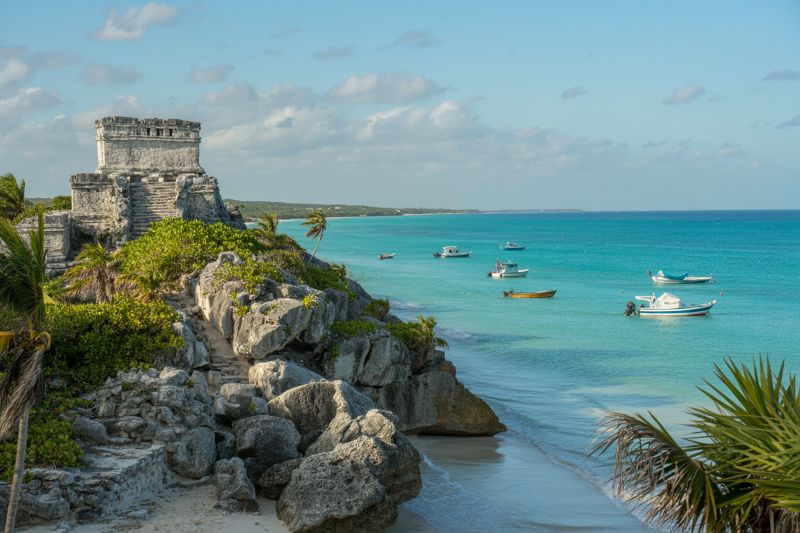
Tulum, known for its pristine beaches, Mayan ruins, and eco-conscious tourism offerings, faces increasing pressures from tourism, with growing visitor numbers and the environmental strain that comes with it. The Secretary’s visit underscored the importance of sustainable tourism, which balances the economic benefits of a thriving tourism sector with the need to protect the destination’s ecological resources and cultural heritage.
One of the key elements of this visit was the emphasis on creating actionable strategies to ensure that tourism benefits the local community. The discussion focused on the integration of local traditions, heritage, and community-driven tourism models, ensuring that the region’s growth does not come at the expense of its social or environmental fabric. Rodríguez Zamora reinforced that the tourism policy must prioritize inclusivity, accessibility, and responsibility, aligning tourism development with the region’s broader goals of cultural preservation and environmental sustainability.
Community Tourism Participatory Forum: A Collaborative Approach
During her visit, the Secretary of Tourism participated in the Community Tourism Participatory Forum, an event held in conjunction with the Legislative Pact for National Tourism. The forum brought together local community leaders, tourism professionals, academics, and NGOs, offering a platform for dialogue and the exchange of ideas on how to build sustainable, inclusive, and fair tourism models. The focus of the forum was on empowering indigenous and Afro-Mexican communities, helping them manage their tourism offerings in a way that preserves their cultural identity while benefiting from tourism.
This forum highlights the growing importance of community-based tourism as an alternative model to mass tourism. By ensuring that communities have a voice in how tourism develops in their regions, the government is fostering local participation in decision-making processes that affect their livelihoods and environments.
Strategic Goals for Tulum’s Tourism Sector
The Secretary’s visit also set the stage for several strategic initiatives aimed at increasing tourism and improving its sustainability in Tulum. Rodríguez Zamora emphasized that one of the primary goals of the visit was to conduct a thorough analysis of current tourism trends, identify short-term actions, and lay out long-term strategies that would better manage domestic and international tourist flows.
Key areas of focus include:
- Infrastructure development: Ensuring Tulum has the proper infrastructure to accommodate increasing numbers of tourists without sacrificing its environmental or cultural integrity.
- Sustainability in tourism operations: Encouraging hotels, resorts, and tour operators to adopt eco-friendly practices, such as reducing carbon footprints, managing waste, and using local materials.
- Preservation of heritage sites: Protecting and maintaining Mayan ruins and other cultural landmarks, ensuring that they are not damaged by over-tourism while being accessible to tourists.
Enhancing Mexico’s Global Tourism Competitiveness
Mexico, with its rich cultural, natural, and historical offerings, is already one of the world’s most popular tourist destinations. The Secretary’s visit is part of broader efforts by the government to strengthen Mexico’s position as a top destination for global travelers. Mexico’s tourism sector is diversified, offering everything from pristine beaches and archaeological wonders to adventure tourism and eco-tourism experiences.
The country has 111 protected areas for tourism, 33 sites inscribed on the UNESCO World Heritage List, and over 12,000 indigenous communities that manage their lands and cultural resources. By integrating these assets into the tourism model, the government seeks to make tourism more equitable and beneficial to local populations while ensuring that the country’s rich natural and cultural resources are preserved for future generations.
Building a Sustainable Tourism Framework
With Tulum at the heart of this transformation, the Secretary of Tourism’s visit also emphasized the need for a comprehensive recovery and sustainability policy. This policy would not only address the growth of tourism numbers but also focus on creating a long-term tourism model that supports the preservation of Mexico’s natural beauty and cultural heritage while fostering social and economic well-being.
The focus on sustainability extends beyond just the management of tourist destinations and includes initiatives like green energy solutions, eco-tourism projects, and the creation of tourism cooperatives where local communities can manage and benefit from tourism directly. The government’s plan is to encourage private-public partnerships that bring together local authorities, businesses, and international investors to develop infrastructure that supports sustainable tourism practices.
Impact on Travel and Tourists
For travelers, the focus on sustainable tourism in Tulum means a richer and more responsible travel experience. Tourists will have the opportunity to engage with local communities, experience authentic cultural exchanges, and participate in eco-conscious activities that support the local economy and respect the environment. These changes are especially important for eco-tourists and responsible travelers who seek to minimize their environmental footprint while enjoying the beauty of the destination.
Tulum’s transformation into a sustainable tourism hub also offers travelers a chance to be part of a larger global movement that emphasizes the importance of responsible travel. As more destinations follow suit, the tourism industry could see a shift toward more authentic, community-driven, and environmentally sustainable travel experiences.
A Collaborative Future for Tulum’s Tourism
Josefina Rodríguez Zamora´s visit and her subsequent action plan is the beginning of the conversion of Tulum into a destinations that will remain a Tulum original while promoting and economically empowering its communities. The government focuses on community inclusion and respect and preservation of Tulum´s cultural heritage and its natural surroundings recognizing Tulum´s growing global popularity whilst sustaining the problems of overtourism.
With the government, private sector, and local communities joining forces, Tulum can be a blueprint for other heavily visited destinations on the world that will allow for responsible and purposeful tourism, providing visitors with a deep connection to the town`s legacy, history, and natural surroundings.
The post Tulum’s New Sustainable Tourism Plan Aims to Balance Growth and Heritage Protection in Mexico, Get the Details Here appeared first on Travel and Tour World
Comments and Responses
Please login. Only community members can comment.