























































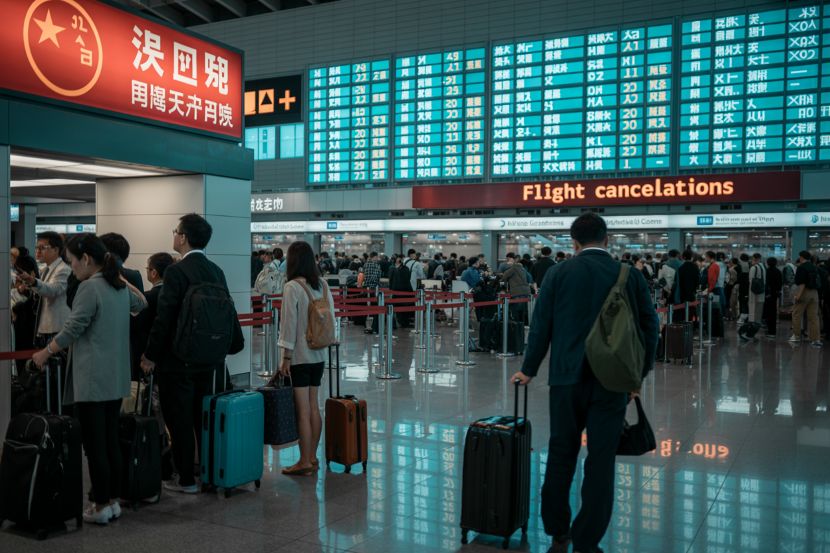
Travel Chaos Strikes as China’s Warning Disrupts Japan Tourism: Five Hundred Thousand Flights Canceled, Impacting Visitors from Beijing to Tokyo, Here’s What You Need to Know
-
Blogs, Nature & Wildlife, Travel
-
-
4 mins
-
Travel and Tour World
-
Ankita Neogi Khan
-


Tensions between China and Japan prompt the cancellation of 500,000 trips, affecting travel plans. Understand the impact on Chinese tourism to Japan.
The recent diplomatic rift between China and Japan has led to a sharp decline in travel bookings between the two nations. Following China’s strong travel warning to its citizens, approximately 500,000 air tickets to Japan have been canceled. This drastic shift in the travel landscape is the result of increasing tensions, particularly after Japan’s Prime Minister Sanae Takaichi’s controversial remarks regarding Taiwan. The cancellation of such a large number of trips could significantly affect Japan’s economy, which relies heavily on Chinese tourism. As we delve into the details of this disruption, it’s essential to understand how these developments are reshaping the tourism industry and what this means for travelers.
The Impact of the Diplomatic Crisis on Travel
The tensions between China and Japan escalated when Japan’s Prime Minister suggested potential military intervention if Taiwan, which Beijing claims as part of China, were attacked. In retaliation, China swiftly issued a travel warning advising its citizens to avoid visiting Japan. This warning has had a profound impact on the travel sector, leading to widespread cancellations.
Aviation analysts have observed a dramatic drop in flight bookings, with 500,000 trips reportedly canceled within a span of just a few days. Data collected from major airlines and travel agencies reveals that bookings to Japan plummeted by over 33% following the warning, a stark contrast to the typical 5% daily fluctuations seen in the past. This sharp decline highlights the sensitive nature of the ongoing diplomatic conflict and its direct consequences on tourism.
Why the Cancellations Matter: Economic Ramifications for Japan
The Chinese tourist market is crucial for Japan’s economy, particularly in sectors like tourism, retail, and hospitality. In fact, nearly 7.5 million Chinese tourists visited Japan in the first three quarters of 2025, spending a staggering billion-dollar sum in just the third quarter. Chinese visitors account for almost 30% of all tourism spending in Japan, making them the largest group of foreign tourists in the country. With the sudden loss of hundreds of thousands of travelers, Japan’s retail and tourism sectors are facing significant financial setbacks.
The stock market responded sharply to the news, with shares of Japanese tourism companies and retailers dropping. This further underscores the economic vulnerability that the nation faces due to the diplomatic fallout, which has disrupted what was once a booming relationship between the two countries.
What’s Next for China-Japan Tourism?
Looking ahead, the situation remains uncertain. Analysts suggest that further cancellations are likely if the diplomatic tensions persist or escalate. Chinese airlines, including the largest carriers in the country, have already offered full refunds to passengers with flights booked to Japan until the end of December 2025. While some travel agencies in China have suspended bookings to Japan altogether, others remain optimistic, hoping that the disruption will be temporary.
Travel Tips for Affected Tourists:
- Check for Refunds: If you’ve booked a flight to Japan, ensure that you are eligible for a refund or rebooking with your airline.
- Consider Alternatives: With Japan becoming a less viable destination for now, consider exploring other Asian countries that offer similar experiences, such as South Korea or Singapore.
- Monitor the Situation: Keep an eye on news related to China-Japan relations as the situation can evolve rapidly, affecting travel advisories and restrictions.
What Should Travelers Do?
For Chinese tourists who had planned to visit Japan, it’s crucial to stay updated on the latest travel advisories. While many China-based travel agencies are suspending Japan-bound bookings, some have opted to continue operating as normal, reflecting the uncertainty that surrounds the situation. Travelers should consider the following steps:
- Be Flexible: With a volatile political climate, flexibility in your travel plans is essential. Always check with airlines and travel agencies for updates.
- Consult Authorities: For the latest travel warnings and advice, refer to official Chinese government sources or embassies for guidance.
- Alternative Destinations: If your plans were to visit Japan, consider nearby countries like South Korea or Taiwan, which offer cultural similarities and a similar travel experience.
A Shift in the Global Tourism Landscape
This episode highlights the fragility of the global tourism sector in the face of diplomatic tensions. With international relationships continually shifting, travelers and tourism industries must remain agile. The reliance on tourism from politically sensitive regions, such as China’s significant presence in Japan, means that external factors can have a devastating effect on the economy.
Moreover, as the Chinese government asserts its stance, it is likely that Japan will need to reconsider its international position and diplomatic efforts to avoid further damage to its tourism sector.
What This Means for Travelers Moving Forward
For tourists in China, the focus should now be on understanding the broader implications of diplomatic issues on travel. Government policies can shift the landscape overnight, making it essential for travelers to stay flexible and prepared for unexpected changes. As of now, Japan is facing a significant reduction in Chinese visitors, but how long these restrictions will last remains uncertain.
In any case, travelers planning international trips should always remain aware of political developments and their potential impact on travel, especially in regions with complex diplomatic relationships.
Traveler’s Guide to Navigating Tension-Driven Disruptions
For those affected by this disruption, it’s wise to stay proactive:
- Document Everything: Keep track of any cancellations or delays with your airline and travel agency for potential claims.
- Explore Other Options: If Japan remains inaccessible, look into alternative destinations that offer similar experiences and cultural experiences.
Wrapping Up the Impact of Diplomatic Tensions on Tourism
The travel warning issued by China has already had serious repercussions, leading to the cancellation of approximately 500,000 trips to Japan. The larger economic consequences are still unfolding, and the tourism industry in Japan is bracing for further disruptions if tensions escalate. For travelers, this situation highlights the importance of political stability in international travel plans. Keeping informed and flexible will help ensure that future travel plans are not derailed by unforeseen events.
The post Travel Chaos Strikes as China’s Warning Disrupts Japan Tourism: Five Hundred Thousand Flights Canceled, Impacting Visitors from Beijing to Tokyo, Here’s What You Need to Know appeared first on Travel and Tour World














































Comments and Responses
Please login. Only community members can comment.