













Top 12 Travel Destinations in Asia by American Travelers
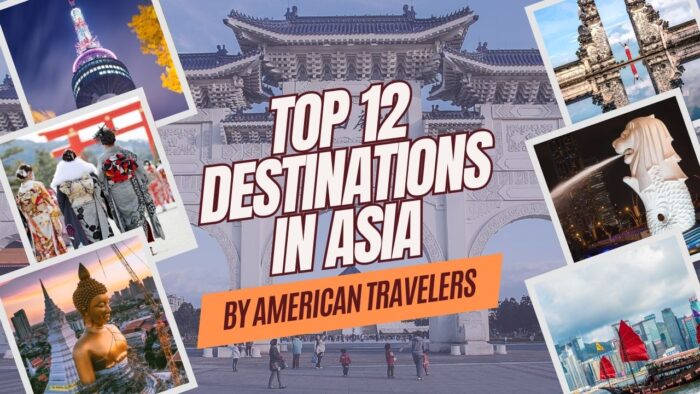
Top 12 Travel Destinations in Asia by American Travelers
-
Travel, Blogs, Immigration, Entertainment, Wellness, Culinary, History & Art, Religion, Shopping, Reviews
-
-
28 mins
-
Out of Town Blog
-
Team Out of Town
-


Most Visited Travel Destinations in Asia by American Travelers: Expert Rankings and Complete Guide for 2025 Asia has become one of the most popular travel regions for American tourists. More Americans are visiting Asian countries than ever before, with millions traveling each year to explore new cultures, cuisines, and landscapes. This guide covers the top […]
Top 12 Travel Destinations in Asia by American Travelers
Most Visited Travel Destinations in Asia by American Travelers: Expert Rankings and Complete Guide for 2025
Asia has become one of the most popular travel regions for American tourists. More Americans are visiting Asian countries than ever before, with millions traveling each year to explore new cultures, cuisines, and landscapes.
Top 12 Travel Destinations in Asia by American Travelers
This guide covers the top 12 destinations in Asia that attract the most American travelers, helping you choose where to go on your next trip. You’ll find information about major cities across Japan, Thailand, Indonesia, South Korea, and other countries that offer unique experiences. The article also includes practical tips for planning your trip and understanding local customs.

Tokyo Skyline
1) Tokyo, Japan
Tokyo ranks among the most popular Asian destinations for American travelers. In 2024, Japan welcomed 2.7 million U.S. tourists, marking a 33% increase from the previous year.
The city combines modern technology with traditional culture. You can visit historic sites such as the Imperial Palace, which houses Japan’s imperial family and features beautiful gardens. Shibuya Crossing is the world’s busiest pedestrian crossing, offering a unique experience where you can witness Tokyo’s fast-paced energy.
Tokyo provides excellent air connectivity from major U.S. cities. The city offers diverse experiences, from neon-lit skyscrapers to ancient temples and shrines.
Your budget will require careful planning, as Tokyo is one of Asia’s more expensive cities. However, you can still enjoy the city without spending large amounts. The public transportation system makes it easy to navigate between neighborhoods.
The food scene ranges from street vendors to high-end restaurants. You can try authentic Japanese cuisine at various price points throughout the city.

Grand Palace, Bangkok
2) Bangkok, Thailand
Bangkok has earned its spot as one of Asia’s most popular destinations for American travelers in 2025. The city attracted 30.3 million international visitors this year, making it the world’s most visited city.
You’ll find a mix of ancient temples and modern attractions throughout Bangkok. The city offers over 400 temples to explore, along with street markets, rooftop bars, and authentic Thai restaurants. You can visit the Grand Palace, take a boat ride through the canals, or shop at the famous Chatuchak Weekend Market.
The city serves as a great starting point for exploring the rest of Thailand. You can easily reach nearby beaches, islands, and cultural sites from Bangkok’s airports and train stations.
Bangkok offers good value for your money compared to many other major cities. You’ll find affordable accommodation, food, and transportation options. The city’s efficient public transit system makes it easy to get around without incurring significant taxi costs.
American travelers continue choosing Bangkok because it combines cultural experiences with modern conveniences. The city has excellent hotels, international dining options, and English-speaking locals in tourist areas.

Bali, Indonesia
3) Bali, Indonesia
Bali continues to attract American travelers with its mix of beaches, culture, and natural beauty. The Indonesian island ranks among Asia’s top destinations, according to traveler reviews and tourism data.
You’ll find options ranging from beach resorts to mountain retreats across the island. Popular areas include Ubud for rice terraces and temples, Seminyak for dining and nightlife, and Uluwatu for coastal views.
The island offers activities for travelers of different styles. You can surf, visit Hindu temples, explore waterfalls, or relax at beach clubs. Many Americans appreciate the affordable prices compared to other tropical destinations.
Indonesia’s tourism efforts have helped spread visitors beyond Bali’s central areas. This means you can find less-crowded spots while still enjoying high-quality amenities.
The local culture includes traditional dance performances, craft markets, and ceremonies you can observe. Balinese hospitality and the island’s spiritual atmosphere add to the experience.
Direct flights from major U.S. cities make Bali more accessible than before. The island’s infrastructure supports tourism well, with accommodations at various price points and English widely spoken in tourist areas.

Seoul Skyline
4) Seoul, South Korea
Seoul combines ancient traditions with cutting-edge technology to create a travel experience unlike any other Asian city. You can explore royal palaces from the Joseon Dynasty in the morning and visit VR labs or AI exhibits in the afternoon.
The city’s neighborhoods each offer something different. In Gangnam, you’ll find high-end shopping and modern architecture. Insadong showcases traditional crafts and tea houses. Hongdae attracts younger crowds with its street performances and nightlife.
Korean food is a significant draw for American travelers. You can try authentic Korean BBQ, bibimbap, and street food at markets throughout the city. The food scene ranges from casual food stalls to upscale restaurants.
Seoul’s public transportation makes getting around simple and affordable. The subway system connects all major attractions and uses English signage. Most stations also have English signs to help you navigate.
The city welcomes international visitors with a growing number of English-speaking services. You’ll find a mix of modern hotels and traditional hanok guesthouses. Seoul works well as either a standalone destination or as part of a larger trip to South Korea.

Singapore Iconic Tourist Spots
5) Singapore City, Singapore
Singapore stands out as a compact destination that delivers modern attractions and cultural experiences in one place. You can explore this city-state easily thanks to its efficient public transportation system and clean streets.
The Gardens by the Bay features futuristic architecture, including its towering Supertrees and climate-controlled conservatories. You’ll find tropical plants from around the world inside the Cloud Forest and Flower Dome. Marina Bay Sands provides sweeping views of the city skyline from its rooftop observation deck.
For cultural exploration, you can visit historic neighborhoods like Chinatown and Little India. Each area features distinct architecture, temples, and local food options. Universal Studios Singapore appeals to families looking for theme park entertainment.
Singapore’s food scene includes hawker centers where you can try local dishes at reasonable prices. The city maintains strict cleanliness standards and a low crime rate, making it a comfortable destination for first-time visitors to Asia.
Your trip planning is straightforward since English is widely spoken. The tropical climate stays warm year-round, so you can visit during any season based on your schedule.

Kinkaku-ji, Kyoto, Japan
6) Kyoto, Japan
Kyoto stands as Japan’s cultural heart, where ancient traditions meet modern travel experiences. The city served as Japan’s imperial capital for over a thousand years, leaving behind an incredible collection of historical sites.
You’ll find more than 2,000 temples and shrines scattered throughout Kyoto. The golden pavilion of Kinkaku-ji and the vermilion gates of Fushimi Inari are among the most-visited sites. The bamboo groves of Arashiyama offer a peaceful escape from the busy tourist areas.
The city attracts American travelers year-round, but spring and fall draw the largest crowds. Cherry blossoms transform parks and temple grounds in spring. Autumn brings vibrant red and gold foliage to hillside temples.
Getting around Kyoto is straightforward with its efficient public transportation system. You can easily reach major attractions by bus or train. The compact city center allows for pleasant walks between many sites.
Traditional teahouses and local markets give you a taste of authentic Japanese culture. Kyoto’s food scene ranges from street vendors to upscale kaiseki restaurants. The city balances historical preservation with visitor accessibility, making it an ideal destination for first-time visitors to Japan.

Hong Kong Skyline
7) Hong Kong, China
Hong Kong stands out as a dynamic destination where East meets West. You can explore towering skyscrapers in Central, then take a short tram ride to traditional temples and bustling street markets. The city packs incredible variety into a compact area.
Your food options are nearly endless here. From Michelin-starred restaurants to local dim sum spots, you’ll find authentic Cantonese cuisine alongside international flavors. The street food scene offers affordable and delicious meals throughout the day.
Victoria Peak gives you stunning views of the harbor and city skyline. You can ride the historic Peak Tram to the top, which is an experience in itself. The harbor area comes alive at night with the Symphony of Lights show.
Getting around is simple with Hong Kong’s efficient public transportation system. The MTR subway connects all major areas, and English signs make navigation straightforward for American visitors.
You’ll find that Hong Kong works well as either a standalone trip or a starting point for exploring other Asian destinations. The international airport offers convenient connections throughout the region.

Flower Vendor in the streets of Hanoi
8) Hanoi, Vietnam
Hanoi is Vietnam’s cultural heart and capital. You’ll find yourself surrounded by centuries of history mixed with modern energy when you visit this northern metropolis.
The Old Quarter serves as the central tourist hub. You can walk through narrow streets filled with street food vendors, traditional shops, and local markets. The architecture reflects French colonial influence alongside Vietnamese design.
You’ll discover several notable attractions throughout the city. Historic sites include ancient temples and the Imperial Citadel. Museums showcase Vietnamese culture and history for those interested in learning more about the region.
Street food ranks among Hanoi’s biggest draws for American travelers. You can try pho, banh mi, and other local dishes at affordable prices. The food scene offers authentic Vietnamese cuisine you won’t find back home.
Hanoi is a good starting point for trips to northern Vietnam. You can book Ha Long Bay tours here. The city also provides access to mountain regions and other destinations in the area.
The climate varies by season. Plan your visit based on your weather preferences: summer brings heat and humidity, while winter offers cooler temperatures.

Beach in Phuket
9) Phuket, Thailand
Phuket is Thailand’s largest island in the Andaman Sea. You’ll find white sandy beaches, clear turquoise waters, and thick tropical forests across this southern destination.
The island offers beaches for different travel styles. Patong Beach draws visitors with its active scene, while Panwa Beach on the southeastern cape remains largely untouched by development. Karon Beach and Mai Khao Beach give you more options along the western coast.
You can visit the Big Buddha monument or explore temples like Chaithararam. The island offers both relaxing spots and adventure activities, depending on what you’re looking for.
Phuket ranked 9th among Asia’s best islands in the 2025 Condé Nast Traveler Readers’ Choice Awards. The tropical climate stays warm year-round, making it accessible for your travel plans.
Getting around the island is straightforward, and you’ll find accommodation options that fit various budgets. The Cape areas feature attractions worth seeing, though some beaches have rougher sand than others. This destination works well if you want an easier entry point into Southeast Asian travel.

Dubai Skyline
10) Dubai, United Arab Emirates
Dubai is among the most popular destinations for American travelers visiting Asia. The city offers a unique blend of modern luxury and traditional culture that you won’t find anywhere else.
You can visit the Burj Khalifa, the world’s tallest building, for stunning views of the city. The Dubai Mall and other shopping venues give you access to international brands and local products. If you enjoy water activities, Aquaventure Waterpark provides entertainment for all ages.
The Al Fahidi neighborhood offers a glimpse into Dubai’s history through its narrow streets and traditional markets. You can shop for spices, textiles, and gold in the historic souks. The Dubai Museum offers insight into the city’s past before its rapid development.
Dubai Marina and Dubai Creek both offer dhow cruise experiences. These boat rides include dinner, entertainment, and skyline views. The beaches provide a place to relax between your city adventures.
Getting around Dubai is straightforward, with taxis, the metro, and ride-sharing services available throughout the city.

Hawa Mahal Palace, Jaipur
11) Jaipur, India
Jaipur, known as the Pink City, ranks fourth among Asia’s best tourist destinations. The city earned this recognition for its cultural richness and unique travel experiences.
You’ll find some of India’s most impressive historical sites here. The Amber Fort is the top attraction, featuring evening sound-and-light shows that recount Jaipur’s history. The City Palace and Hawa Mahal are also must-visit landmarks that showcase the region’s royal heritage.
The old city’s narrow lanes lead to heritage properties and local markets where you can experience authentic Rajasthani culture. You can explore grand hotels and traditional havelis throughout the area.
Jaipur offers a blend of history, architecture, and local hospitality that appeals to American travelers. The city’s well-preserved monuments and vibrant atmosphere make it an accessible introduction to Indian culture. You’ll find that major sites are easy to visit, with clear historical significance and practical amenities for tourists.
The destination offers a different pace than India’s larger cities while still providing comprehensive travel infrastructure.

Taipei Skyline
12) Taipei, Taiwan
Taipei combines modern city life with traditional culture in a way that makes it easy to explore. The city has excellent public transportation that connects you to all the major attractions.
You can visit Taipei 101, once the world’s tallest building, or explore historic Longshan Temple. The night markets offer some of the best street food experiences in Asia. The Shilin and Raohe night markets are popular for trying local dishes at reasonable prices.
Neighborhoods like Ximending give you a taste of youth culture and shopping, while Dadaocheng preserves older architecture and tea shops. You can take the Maokong Gondola up the mountain for tea plantations and city views.
Day trips from Taipei are simple to arrange. The hot springs town of Beitou is just a short metro ride away. You’ll find that Taipei is a good base for exploring northern Taiwan.
The city accommodates a range of budgets and travel styles. Most locals in tourist areas speak some English, and signs include English translations.
Travel Planning Considerations for Asia
American travelers need valid passports, may require visas depending on the destination, and should plan trips around regional weather patterns and health requirements.
Visa and Entry Requirements
Your passport must be valid for at least six months beyond your planned departure date from Asia. Many Asian countries have different visa policies for U.S. citizens.
Visa-free or visa-on-arrival countries include Japan (90 days), South Korea (90 days), Singapore (90 days), and Thailand (30 days). Malaysia offers 90 days of visa-free entry, while Indonesia provides a 30-day visa on arrival.
Countries requiring advance visas include China, Vietnam, and India. You should apply for these visas at least 4-6 weeks before your trip through embassies or authorized visa services.
Keep digital and physical copies of your passport, visa documents, and travel insurance. Some countries require proof of onward travel and sufficient funds for your stay.
Health and Safety Tips
Get vaccinations 4-8 weeks before departure. Routine vaccines should be up to date, and you may need hepatitis A and B, typhoid, and Japanese encephalitis, depending on your destinations.
Drink bottled water in most Asian countries to avoid waterborne illness. Eat at busy restaurants where food turnover is high and avoid raw foods from street vendors unless they’re cooked in front of you.
Purchase comprehensive travel insurance that covers medical emergencies and evacuation. Healthcare quality varies widely across Asia, and medical evacuation can cost over $100,000.
Bring prescription medications in their original containers with a doctor’s note. Pack a basic first-aid kit with anti-diarrheal medication, pain relievers, and any personal medications you need.
Best Travel Seasons
Asia’s climate varies significantly by region, so trip timing is necessary. Monsoon patterns, typhoon seasons, and extreme temperatures affect travel comfort and accessibility.
Southeast Asia is best visited from November to March when the weather is dry, and temperatures are moderate. Avoid June to October when monsoons bring heavy rain.
East Asia offers ideal conditions in spring (March-May) and fall (September-November). Summer brings extreme heat and humidity, while winter can be harsh in northern areas.
South Asia has varied seasons. Visit India and Nepal from October to March for cooler, drier weather. The Himalayan regions are accessible from May to September.
Book flights and hotels 2-3 months in advance for peak season travel. You’ll find better prices and fewer crowds during shoulder seasons in April-May and September-October.
Cultural Experiences and Etiquette
Asia’s diverse cultures require awareness of local customs and social norms. Understanding basic etiquette helps you show respect and enriches your travel experience across different countries.
Respecting Local Traditions
Religious sites across Asia have strict dress codes and behavior rules. You need to cover your shoulders and knees when visiting temples in Thailand, Cambodia, and Indonesia. Remove your shoes before entering temples, mosques, and many homes throughout the region.
Japan expects visitors to bow slightly when greeting others and to avoid loud conversations in public spaces. In India, you should use your right hand for eating and exchanging items, as the left hand is considered unclean. Many Asian cultures view public displays of affection as inappropriate.
Thailand and other Buddhist countries consider the head sacred and the feet impure. Never touch someone’s head or point your feet at people or religious objects. Singapore enforces strict laws against littering, chewing gum, and jaywalking with heavy fines.
Language and Communication
English is widely spoken in tourist areas of Japan, South Korea, Singapore, and major Indian cities. Learning basic phrases in the local language shows respect and helps in smaller towns and rural areas.
Essential phrases to learn:
- Hello/Goodbye
- Thank you
- Please
- Excuse me
- How much?
Download translation apps before your trip for offline use. Many restaurants in Vietnam, Thailand, and China have picture menus or English translations. Japanese signs often include romanized text to help visitors navigate.
Hand gestures carry different meanings across Asia. The thumbs-up sign is considered offensive in parts of the Middle East and rude in Thailand. Pointing with your index finger is considered impolite in many countries; use your whole hand instead.
Unique Customs Across Destinations
China values gift-giving in social situations, but avoids clocks, white flowers, or items in sets of four. Japanese culture emphasizes punctuality and the exchange of business cards with both hands. South Korea has specific rules about pouring drinks for elders and never pouring your own.
In Vietnam and Indonesia, both hands are used when giving or receiving items from elders. Indian culture involves removing shoes in homes and some shops. Malaysia’s diverse culture means you’ll encounter Islamic, Hindu, and Buddhist customs across the country.
Tipping practices vary significantly. Japan considers tipping insulting, while South Korea rarely expects tips. Thailand and Vietnam appreciate small tips for good service, and India’s tourism sector increasingly expects gratuities.
Frequently Asked Questions
What are the visa requirements for American travelers visiting popular Asian destinations?
Japan allows U.S. citizens to enter visa-free for up to 90 days. You need a valid passport with at least 6 months of remaining validity.
Thailand offers a 60-day visa exemption for U.S. passport holders. You can extend your stay by an additional 30 days at immigration offices nationwide.
Indonesia offers visa-free entry to Americans visiting Bali and other parts of the country for up to 30 days. If you plan to stay longer, you can apply for a visa on arrival, which allows up to 60 days in total.
South Korea grants visa-free entry to American citizens for stays up to 90 days. Your passport must be valid for the duration of your stay.
Singapore allows U.S. citizens to enter visa-free for up to 90 days. You’ll receive an entry stamp upon arrival at the airport.
How should American tourists plan their itinerary when touring the top Asian cities and attractions?
Start by choosing 2-3 cities rather than trying to visit too many places in one trip. This approach gives you time to explore each destination without feeling rushed.
Book your major attractions and accommodations in advance, especially during peak travel seasons. Popular sites in Tokyo and Bangkok can sell out weeks ahead.
Plan for travel time between cities. Flights within Asia are generally affordable, but factor in airport transfers and check-in times when scheduling your days.
Leave room in your schedule for unexpected discoveries. Some of the best experiences come from wandering through local neighborhoods or following residents’ recommendations.
Consider using local transportation apps, such as Grab in Southeast Asia or Suica cards in Japan. These tools make getting around much easier than relying solely on taxis.
What are the safety considerations for Americans traveling to Asia?
Major cities like Tokyo, Singapore, Seoul, Bangkok, and Bali are generally safe for tourists. Violent crime against visitors is rare in these destinations.
Keep an eye on your belongings in crowded areas such as markets and public transportation. Pickpocketing can occur in busy tourist spots.
Use registered taxis or ride-sharing apps rather than unmarked vehicles. This precaution helps ensure fair pricing and safer travel.
Be cautious with street food if you have a sensitive stomach. Start with cooked items from busy vendors, as high turnover means fresher ingredients.
Keep copies of your passport and essential documents separate from the originals. Store digital copies in your email or cloud storage as backup.
Check your government’s travel advisories before departure. These updates inform you about any current safety concerns in your destination.
What are the cultural norms and etiquette that American visitors should be aware of in Asian countries?
In Japan, remove your shoes when entering homes, temples, and some restaurants. Look for shoe racks or slippers at the entrance as your cue.
Thai culture considers the head sacred and the feet unclean. Avoid touching people’s heads or pointing your feet at Buddha images or people.
Singapore has strict laws about littering, chewing gum, and jaywalking. Fines for these offenses can exceed $100.
In South Korea, use both hands when giving or receiving items from elders. This gesture shows respect for age and status.
Many Asian countries view loud behavior in public spaces as rude. Keep your voice at a moderate level on public transportation and in restaurants.
Dress modestly when visiting religious sites across Asia. Cover your shoulders and knees at temples and mosques.
What is the best time of year for Americans to visit major travel destinations in Asia?
Tokyo is most pleasant from March to May and October to November. Spring brings cherry blossoms while fall offers colorful foliage and comfortable temperatures.
Bangkok experiences its coolest weather from November to February. These months feature temperatures in the 70s and 80s Fahrenheit and lower humidity.
Bali’s dry season runs from April to October. June through August sees the most tourists but offers the best beach weather.
Seoul shines in spring (April to June) and fall (September to November). These seasons offer mild weather, ideal for walking tours and outdoor activities.
Singapore maintains warm weather year-round with temperatures in the 80s. Visit from February to April for slightly less rainfall.
Can American tourists expect language barriers in Asia, and how can they navigate communication effectively?
English proficiency varies widely across Asian destinations. Singapore has the highest level of English use, while Japan and Thailand present greater language challenges.
Download translation apps, such as Google Translate, before your trip. The camera feature lets you instantly translate signs and menus.
Learn basic phrases in the local language. Simple words like “hello,” “thank you,” and “excuse me” help build rapport with locals.
Many restaurants in tourist areas offer picture menus. Point to images when ordering to avoid confusion.
Hotels and major attractions typically have English-speaking staff. Write down your hotel’s address in the local language for taxi drivers.
Carry a portable WiFi device or a local SIM card. Internet access lets you use translation apps and maps anywhere you go.
Manila Travel Tour Packages You Should Try
<script type="text/javascript"></p> <p> (function (d, sc, u) {</p> <p> var s = d.createElement(sc),</p> <p> p = d.getElementsByTagName(sc)[0];</p> <p> s.type = "text/javascript";</p> <p> s.async = true;</p> <p> s.src = u;</p> <p> p.parentNode.insertBefore(s, p);</p> <p> })(</p> <p> document,</p> <p> "script",</p> <p> "https://affiliate.klook.com/widget/fetch-iframe-init.js"</p> <p> );</p> <p></script>
Follow and subscribe to OutofTownBlog.com on Facebook , Twitter, Instagram, Pinterest, and YouTube for more Travel-related updates.
Read:
- Top 35 Must-Visit Historical Places & Landmarks in the Philippines
- The Top 10 FREE Things to Do Near Central Park, New York City
Top 12 Travel Destinations in Asia by American Travelers
The post Top 12 Travel Destinations in Asia by American Travelers appeared first on Out of Town Blog
Comments and Responses
Please login. Only community members can comment.