























































Top 15 Best Things to do in Luxembourg
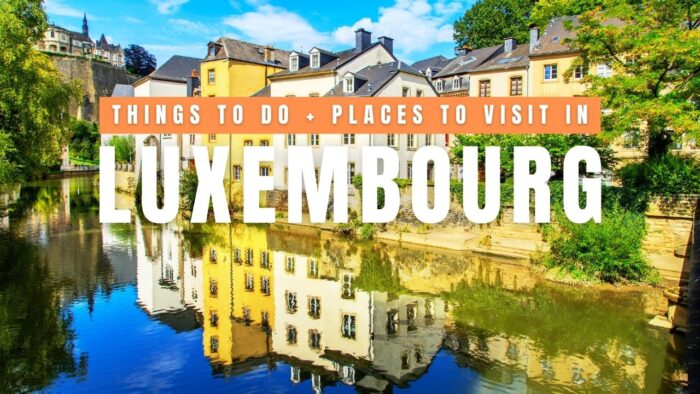
Things to do in Luxembourg
-
Travel, Blogs, Culinary, Children, Nature & Wildlife, History & Art
-
-
30 mins
-
Out of Town Blog
-
Team Out of Town
-


Top 15 Best Things to Do in Luxembourg: A Complete Guide to the Grand Duchy’s Must-See Attractions Luxembourg is one of Europe’s smallest countries, yet it offers visitors a surprising range of experiences. From historic castles and underground tunnels to scenic valleys and world-class museums, this small nation packs impressive variety into its borders. The […]
Top 15 Best Things to do in Luxembourg
Top 15 Best Things to Do in Luxembourg: A Complete Guide to the Grand Duchy’s Must-See Attractions
Luxembourg is one of Europe’s smallest countries, yet it offers visitors a surprising range of experiences. From historic castles and underground tunnels to scenic valleys and world-class museums, this small nation packs impressive variety into its borders. The country sits at the crossroads of Europe, making it easy to reach and explore in just a few days.
Things to do in Luxembourg
Your trip to Luxembourg can include everything from walking through centuries-old fortifications to tasting wines in peaceful valley towns. The capital city features a stunning old quarter perched on cliffs, while the countryside offers hiking trails through unique rock formations and visits to medieval castles. Whether you’re interested in history, nature, culture, or simply wandering through charming streets, you’ll find activities that match your interests in this diverse destination.
1) Explore Luxembourg City’s Old Quarter

The Old Town of Luxembourg City
The Old Quarter of Luxembourg City offers a glimpse into centuries of European history. You can walk through two main areas: Ville Haute and The Grund. Each has its own character and charm.
Ville Haute sits on the upper level and features medieval streets lined with cafes, museums, and shops. You’ll find well-preserved architecture that dates back hundreds of years. The area is easy to explore on foot.
The Grund sits in the valley below along the Alzette River. This neighborhood has a quieter, village-like feel. You can stroll along the riverside paths and see the old Neumünster Abbey.
The Old Quarter earned UNESCO World Heritage status for its historic fortifications. These defensive walls once made Luxembourg the “Gibraltar of the North.” You can still see parts of these structures throughout the area.
The Chemin de la Corniche walkway provides excellent views of the fortifications and the city below. This path connects different parts of the Old Quarter and shows you why Luxembourg’s location was so important for defense.
2) Visit Casemates du Bock

Casemates du Bock
The Casemates du Bock is an underground tunnel system that stretches for kilometers beneath Luxembourg City. Spanish forces carved these tunnels in the 17th century as a defense network. The Austrians later expanded them in the 18th century.
You can explore the mysterious stone passages and staircases that wind through multiple levels. The tunnels once served as shelters and military fortifications. Today, they form part of a UNESCO World Heritage site.
The network offers panoramic views of the city from various openings along the rock face. You’ll walk through chambers where soldiers once stood guard and stored supplies.
Count Sigfried built a castle on the Bock Promontory in 963, which became the foundation of Luxembourg City. The casemates were added centuries later to strengthen the city’s defenses.
The attraction is open to visitors year-round. You should wear comfortable shoes, as the tunnels feature uneven surfaces and stairs. The site can feel touristy during peak hours, but it remains one of Luxembourg’s most popular historical attractions.
3) Tour Vianden Castle

Vianden Castle Fortifications, Luxembourg
Vianden Castle stands as one of the most impressive medieval fortresses in Europe. You can explore its grand halls, restored chambers, and historic fortifications that date back centuries. The castle sits high above the town, offering dramatic views of the Our River valley below.
When you visit, you’ll walk through carefully restored rooms that show what life was like during medieval times. The fortress features multiple towers you can climb for even better views of the surrounding landscape. Each section of the castle tells part of its long history.
The castle is Luxembourg’s most popular historic site, drawing visitors year-round. You should plan at least two hours to fully explore the grounds and interior spaces. The architecture and preservation work make this one of the best castle experiences in the region.
Getting to the castle is easy since everything in Vianden is within walking distance. You can buy tickets at the entrance and choose to tour at your own pace or join a guided visit.
4) Discover the Moselle Valley wine region

Moselle Valley wine region
The Moselle Valley sits along the Moselle River, where Luxembourg, Germany, and France meet. This region is one of Luxembourg’s top wine-producing areas.
You can explore charming wine villages that dot the riverside. The valley features terraced vineyards, historic castles, and traditional half-timbered houses. Many wineries offer tours and tastings where you can sample local Riesling and other wines.
You have several ways to see the area. Cycling paths connect the wine villages along the river. You can also take boat trips on the Moselle River for a different view of the vineyards.
The towns of Remich, Grevenmacher, and Wormeldange are good starting points. Each has its own wine cellars and tasting rooms. The best time to visit is from spring through fall when the weather is pleasant, and the vines are growing.
You can complete a wine tour in a day trip from Luxembourg City. The valley is also worth a longer stay if you want to fully experience the local food, culture, and wines.
5) Walk along the Corniche

Le Chemin de la Corniche, Luxembourg
The Chemin de la Corniche is a scenic pedestrian walkway built along Luxembourg City’s old 17th-century ramparts. Spanish and French forces originally constructed these fortifications. The path offers clear views of the Alzette River valley below and the historic Grund district.
You can see charming houses, green valleys, and the Rham Plateau from this elevated position. The walkway follows the ancient city walls and includes several viewing points where you can stop and take photos.
The route is accessible on foot, and you can reach the lower Grund area using elevators or staircases. Before 1870, the path had steep stairs that were later leveled when the fortress was dismantled. Workers also removed parts of the protective wall to open up the panoramic views you see today.
Early morning and evening visits offer the best lighting for photography. The walk connects to other paths and parks around Luxembourg City. You can start near the Saint Esprit Square or the History Museum and follow the promenade at your own pace.
6) Relax in Parc de Merl
Parc de Merl offers a quiet escape from the busy streets of Luxembourg City. You’ll find this green space in the heart of the city, just a short walk from the main avenues.
The park features a small lake where you can watch ducks swim by. Walking paths wind through the grounds, making it easy to explore with a stroller or simply take a peaceful walk.
Your kids will enjoy the well-equipped playground that includes ziplines, climbing areas, and teeter totters. There’s also a basketball court and ping pong tables. In August, the park sets up a large trampoline area.
You can grab a snack or drink at the small café that overlooks the duck pond. The café provides a nice spot to sit and take in the park views.
The park works well for a quick break during your day or a longer visit. The easy paths and green spaces give you room to relax without leaving the city.
7) Explore the Luxembourg American Cemetery Memorial

Luxembourg American Cemetery Memorial
The Luxembourg American Cemetery Memorial stands as a solemn tribute to American soldiers who died during World War II. You’ll find this historic site in Hamm, just three miles east of Luxembourg City center.
The cemetery serves as the final resting place for thousands of brave soldiers, including General Patton. When you visit, you can walk among the rows of white crosses and Stars of David that mark the graves of those who made the ultimate sacrifice.
The memorial is open daily from 9 a.m. to 5 p.m., except on December 25 and January 1. Admission is free, and staff are on-site every day to answer your questions.
You can take advantage of free guided tours to learn more about the cemetery’s history and significance. The tours provide valuable context about the soldiers buried here and the battles they fought in.
The peaceful grounds offer a place for quiet reflection. Whether you’re a history enthusiast or simply seeking to pay respects, this memorial provides an important glimpse into the sacrifices made during the Second World War.
8) Visit the National Museum of History and Art
The National Museum of History and Art (Nationalmusée um Fëschmaart) stands as Luxembourg’s main cultural institution. You’ll find it showcases the country’s rich heritage through three main areas: archaeology, history, and art.
The museum houses an impressive collection of historical artifacts that spans centuries. You can explore archaeological finds that reveal Luxembourg’s ancient past. The extensive coin collection provides insight into the region’s economic history.
The art galleries feature carefully selected works of decorative and fine art. You’ll see pieces that represent different periods of Luxembourg’s artistic development. The museum organizes its collections to help you understand how the country evolved over time.
Entry is free, making it an accessible way to spend a few hours learning about Luxembourg. The building itself is located in the Fish Market area of the old town. You can easily combine your visit with exploring nearby historic streets and landmarks.
Plan to spend at least two hours to see the main collections. The museum provides a good overview of Luxembourg’s cultural identity through its diverse exhibits.
9) Stroll through the Grund neighborhood

Grund neighborhood, Luxembourg
Grund sits in a valley below Luxembourg City’s center, nestled along the Alzette River. This historic neighborhood offers charming streets and beautiful architecture, making it perfect for a relaxing walk.
You can reach Grund by taking a panoramic elevator down from the upper city or walking down scenic pathways. The riverside location gives you views of old buildings, small bridges, and peaceful waterways.
The neighborhood has a quiet atmosphere that contrasts with the busier areas above. You’ll find narrow cobblestone streets lined with traditional houses and small cafes where you can stop for a break.
Grund works well for families and solo travelers alike. The flat terrain along the river makes walking easy, and you can spend anywhere from 30 minutes to a few hours exploring the area.
The neighborhood looks particularly nice during golden hour when sunlight hits the valley walls. You can also visit at different times of year to see how the landscape changes.
10) Hike in Mullerthal Region (Little Switzerland)

Mullerthal, Luxembourg
The Mullerthal Region offers some of Luxembourg’s best hiking opportunities. You’ll find dense forests, sandstone rock formations, and narrow gorges throughout this area near the German border.
The main attraction is the Mullerthal Trail, which covers 112 km through the region’s natural landscapes. You can walk through valleys, past waterfalls, and along streams as you explore the terrain.
The trail offers multiple route options ranging from 4 to 14 km. This means you can choose shorter walks or longer day hikes based on your fitness level and available time.
You’ll encounter unique rock formations and caves as you hike through the area. The beech forests and rocky landscapes create varied scenery throughout your walk.
The region gets its “Little Switzerland” nickname from its natural beauty and rolling terrain. You can pick up trail maps and information at local tourist offices before you start your hike.
The paths take you through different types of landscape, from open meadows to narrow rocky passages. You’ll find both challenging sections and easier walking routes depending on which trail you select.
11) Tour the Grand Ducal Palace

Grand Ducal Palace
The Grand Ducal Palace stands as one of Luxembourg City’s most important landmarks. This 16th-century building originally served as a town hall before becoming the official residence of Luxembourg’s Grand Duke.
You can visit the palace interior on a guided tour during the summer months. These 75-minute tours take you through rooms that aren’t normally open to the public. You’ll see the Grand Duke’s office, the formal dining room, and the Salon des Rois.
The palace showcases beautiful Flemish Renaissance architecture on its exterior. You can admire the ornate facade from Rue du Marché-aux-Herbes throughout the year.
During your visit, you might catch the changing of the guard ceremony outside the palace. The building serves as a working residence where the Grand Duke conducts official business and welcomes foreign dignitaries and ambassadors.
Tours must be booked in advance and are only available during the summer. The palace offers a rare chance to see where Luxembourg’s head of state works and hosts important state functions.
12) Explore Bock Promontory

Bock Promontory
The Bock Promontory is one of Luxembourg City’s most important historical sites. You can walk along the rocky cliff that rises above the Alzette River and see where the city’s first castle was built in 963 AD.
The promontory offers some of the best views in Luxembourg. You’ll see the old town, the river valley below, and the modern city in the distance.
The main attraction here is the Bock Casemates, a network of underground tunnels carved into the rock. These passages were built as defense systems over several centuries. You can explore about 17 kilometers of these tunnels, though only a portion is open to visitors.
The area is free to walk around and take photos. However, you need to pay a small fee to enter the casemates. The tunnels stay cool year-round, so bring a light jacket even in summer.
Plan to spend at least an hour here, walking the grounds and touring the underground passages. The site gets busy during peak tourist season, so visiting early morning or late afternoon works best.
13) Visit Clervaux Castle

Clervaux Castle
Clervaux Castle stands as one of Luxembourg’s most impressive medieval fortresses. You’ll find this well-preserved castle in the heart of Clervaux, a small town in northern Luxembourg with about 5,000 residents.
The castle houses multiple museums and exhibitions worth your time. The most famous is The Family of Man, a photography collection that draws visitors from around the world. You can explore the castle’s historic rooms and learn about the region’s past through various displays.
Medieval architecture offers a glimpse into Luxembourg’s history. You can walk through the castle grounds and see how the fortress was designed to protect the area centuries ago.
Plan to spend a few hours exploring everything the castle offers. The location also provides good views of the surrounding Ardennes landscape. You’ll find the Clervaux Tourist Center nearby, where you can pick up walking maps and information about other attractions in the area.
The castle works well as part of a day trip to Clervaux, especially if you enjoy history and photography. You can easily combine it with other nearby activities, such as hiking trails in the Eislek region.
14) Take a river cruise on the Alzette

Alzette River
The Alzette River flows gently through Luxembourg’s landscape, offering a peaceful way to see the city from a different angle. You can join organized river tours that follow designated cycle paths along the water’s edge, giving you access to areas you might miss on foot.
Most cruises start near the Grund district, where you’ll get clear views of Luxembourg’s old town perched on the cliffs above. The river winds through deep gorges, passing under historic bridges and alongside medieval architecture. You’ll see how the Alzette and Pétrusse rivers have shaped the city’s unique geography.
These tours typically include stops at nearby towns like Hesperange. The routes follow the PC1 cycle path in many cases, making the journey smooth and well-planned.
River cruises on the Alzette are a good option if you want a relaxing activity that requires little physical effort. The calm waters make for an easy trip, and you can bring your camera to capture the riverside scenery. Book your tour in advance during peak travel seasons to secure your spot.
15) Discover the Philharmonie Luxembourg

Philharmonie Luxembourg
The Philharmonie Luxembourg stands as one of Europe’s premier concert halls. You’ll find this modern architectural landmark in the Kirchberg district of Luxembourg City.
The venue hosts over 400 performances each year. You can enjoy classical music, contemporary works, and jazz concerts throughout the season. The concert hall’s exceptional acoustics make every performance memorable.
Beyond concerts, the Philharmonie offers educational programs and workshops. You can attend family-friendly events designed to introduce music to younger audiences. These programs make classical music accessible to everyone.
The building itself is worth seeing. Its distinctive white columns create a striking appearance that you’ll recognize immediately. The interior spaces are designed to enhance both sound quality and visitor experience.
You should check the schedule before your visit to Luxembourg. Tickets are available for purchase online or at the box office. The venue attracts world-class musicians and orchestras from around the globe.
The Philharmonie provides a cultural experience that complements Luxembourg’s historical attractions. Whether you’re a music lover or simply curious, this venue offers something unique to your trip.
Travel Tips for Visiting Luxembourg
Luxembourg is easy to navigate and welcomes visitors year-round, but knowing a few key details about transportation, timing, and local customs will help you make the most of your trip. The country’s compact size and efficient systems make it straightforward for travelers.
Getting Around Luxembourg
Public transportation in Luxembourg is free for everyone, including tourists. This includes trains, buses, and trams throughout the entire country. You can travel from Luxembourg City to any town or village without paying a fare.
The train network connects major towns efficiently. Buses reach smaller villages and rural areas that trains don’t serve. The city of Luxembourg has a modern tram system that links the main districts.
Transportation Options:
- Public transit: Free trains, buses, and trams nationwide
- Walking: Luxembourg City’s Old Town is compact and walkable
- Car rental: Useful for visiting multiple castles or remote areas in one day
- Bike: Many scenic routes exist, especially in the Moselle Valley
You can download the Mobiliteit app to plan routes and check schedules. Most signs and announcements appear in French, German, and Luxembourgish, with English often included.
Best Time to Visit
Spring (April to June) and fall (September to October) offer mild weather and fewer crowds. Temperatures range from 50°F to 70°F during these months. You’ll find comfortable conditions for walking tours and outdoor activities.
Summer (July and August) brings the warmest weather and longest days. This is peak tourist season, so popular sites get busier. Wine festivals happen in the Moselle Valley during September and October.
Winter months (November to March) are cold and gray. Some castles and attractions have reduced hours or closed completely. However, Christmas markets in December create a festive atmosphere in Luxembourg City and other towns.
Local Etiquette and Customs
Luxembourgers speak multiple languages fluently. Most people know Luxembourgish, French, German, and English. You can comfortably use English in tourist areas, hotels, and restaurants.
Greet people with a handshake in formal situations. It’s polite to say “Moien” (hello in Luxembourgish) or use French greetings like “Bonjour.” Shops and businesses often close on Sundays, so plan accordingly.
Tipping isn’t mandatory since service charges are included in bills. You can round up the bill or leave 5-10% for excellent service. Restaurants expect you to wait to be seated rather than choosing your own table.
Dress tends to be smart casual in cities. Luxembourgers value punctuality, so arrive on time for reservations or tours.
Planning Your Perfect Luxembourg Experience
Luxembourg rewards visitors who plan ahead with better rates and smoother logistics. Most travelers need 2-4 days to see the highlights, while your budget and safety concerns are minimal compared to larger European cities.
Recommended Duration of Stay
You need at least two full days to explore Luxembourg City’s main attractions. This gives you time to walk the old town, visit the casemates, and tour a few museums without rushing.
Three to four days works better if you want to venture beyond the capital. You can add day trips to Vianden Castle, the Müllerthal Trail, or the Moselle Valley wine region. Each destination requires about half a day to a full day, depending on your pace.
A week-long stay lets you dive deeper into smaller towns like Echternach and Esch-sur-Sûre. You’ll have time to hike multiple trails and explore the country’s castles more thoroughly. Most visitors find 3-4 days hits the sweet spot between seeing enough and not feeling rushed.
Money and Safety Advice
Luxembourg uses the euro and ranks among Europe’s most expensive destinations. Expect to pay €15-25 for a basic meal and €100-200 per night for mid-range hotels. Book accommodation in advance to secure better rates.
The country has extremely low crime rates. You can walk around Luxembourg City day or night with minimal concerns. Still, keep standard precautions with your belongings in crowded tourist areas.
Most places accept credit cards, but carry some cash for smaller shops and cafes. ATMs are widely available throughout the country. Tipping isn’t mandatory, but rounding up the bill or leaving 5-10% is appreciated for good service.
Frequently Asked Questions
Luxembourg offers historic fortifications, wine tasting in the Moselle Valley, and medieval castles alongside family activities and outdoor trails. The Old Quarter’s cobblestone streets and the Corniche walking path provide easy access to cultural landmarks and natural scenery.
What are the must-visit historic sites in Luxembourg?
The Old Quarter of Luxembourg City is a UNESCO World Heritage Site, featuring medieval architecture and cobblestone streets. You’ll find centuries-old buildings and fortifications that tell the story of the city’s strategic importance in European history.
The Casemates du Bock is one of the most significant historic sites in the country. These underground tunnels were carved into rock and served as defensive fortifications. You can explore 17 kilometers of passages that once housed thousands of soldiers.
Vianden Castle ranks among Europe’s finest feudal residences. This medieval fortress sits on a hilltop and has been restored to its former glory. The castle features period furniture, armor displays, and panoramic views of the surrounding countryside.
Which family-friendly activities are recommended in Luxembourg?
Luxembourg City’s parks and playgrounds offer safe spaces for children to play. The Pétrusse Valley has walking paths suitable for strollers and young walkers.
The public transportation system is free nationwide, making it easy and affordable to travel with children. You can take trains, buses, and trams without worrying about ticket costs.
Many castles welcome families and provide educational experiences for kids. Interactive exhibits and open courtyards give children room to explore while learning about medieval life.
Can you suggest outdoor adventures to experience in Luxembourg?
The Corniche walking path provides views of the Alzette valley and the Grund district below. This pedestrian promenade stretches along ancient fortifications and offers scenic overlooks.
The Mullerthal region offers hiking trails through rock formations and forests. You’ll find paths that range from easy walks to challenging climbs through Luxembourg’s “Little Switzerland.”
The Moselle Valley includes cycling routes along the river. You can bike between vineyard towns and stop for wine tastings along the way.
Are there any unique cultural experiences to be had in Luxembourg?
Wine tasting in the Moselle Valley lets you sample local Rieslings and Crémants. The region produces quality white wines and sparkling varieties. You can visit family-owned wineries that have operated for generations.
The multilingual nature of Luxembourg creates a unique cultural environment. You’ll hear Luxembourgish, French, and German spoken throughout the country. This blend of languages reflects the nation’s position at the crossroads of Europe.
Local markets sell regional products and traditional foods. You can try Luxembourgish specialties and meet local producers at weekly markets in towns across the country.
What is the best way to explore Luxembourg’s natural landscapes?
Hiking trails cover the country and connect different regions. The network of marked paths takes you through forests, valleys, and along rivers. Trail difficulty levels range from flat riverside walks to steep climbs.
The Moselle Valley combines natural beauty with cultural attractions. River views, vineyard terraces, and small villages create varied landscapes. You can explore on foot, by bike, or by car.
Nature parks protect wildlife habitats and provide designated areas for outdoor recreation. The parks maintain trails, viewing platforms, and information centers to help visitors experience the natural environment.
Where can tourists find the best dining experiences in Luxembourg?
Luxembourg City’s restaurant scene offers international cuisine alongside local dishes. You’ll find everything from Michelin-starred establishments to casual bistros. The Grund district has restaurants set in historic buildings along the river.
The towns in the Moselle Valley feature restaurants specializing in regional cuisine. Fresh river fish and local wines appear on many menus. Vineyard restaurants often pair their wines with seasonal dishes.
Traditional Luxembourgish food includes hearty meat dishes and baked goods. You can try these specialties at local taverns and family-run restaurants throughout the country.
Follow and subscribe to OutofTownBlog.com on Facebook, Twitter, Instagram, Pinterest, and YouTube for more Travel-related updates.
Read:
- Luxembourg Is The First Country To Offer Free-For-All Public Transport
- Top 15 Best Things to Do in Paris, France
- These Are the Most Beautiful Eco-friendly Hotels in Europe
- Top 25 Best NASHVILLE TOURIST SPOTS + Things to Do & Places to Visit
Top 15 Best Things to do in Luxembourg
The post Top 15 Best Things to do in Luxembourg appeared first on Out of Town Blog














































Comments and Responses
Please login. Only community members can comment.