























































The Rising Tide of Overtourism in Asia: Kyoto, Bali, and Southeast Asia Struggle with Tourist Overload, Staying Aware and Taking Precautionary Steps
-
Blogs, History & Art, Religion, Travel
-
-
3 mins
-
Travel and Tour World
-
Ankita Neogi Khan
-


Overtourism is spreading across Asia, with cities like Kyoto, Bali, and Phuket facing severe challenges. Discover how it’s affecting local communities and tourism.
As global tourism continues to rebound, Asian destinations are increasingly facing the challenges of overtourism, a phenomenon that has long plagued European cities like Barcelona and Venice. The surge in visitors to cities such as Kyoto in Japan, Bali in Indonesia, and Phuket in Thailand has been met with rising concerns over overcrowding, environmental damage, and local discontent. Local residents are bearing the brunt of these changes, with many expressing frustration over the disruption to daily life and the degradation of their cultural landmarks. As tourism numbers grow, especially in Northeast and Southeast Asia, both locals and authorities are now grappling with how to balance the economic benefits of tourism with the need to preserve the essence of these popular destinations.
Overtourism in Asia: A Growing Concern
While overtourism is not a new issue, it has increasingly affected Asian countries as more people travel to experience the region’s rich culture, history, and natural beauty. According to the Asia-Pacific Tourism Association (PATA), in the first half of this year, there was a 20% increase in tourist numbers across Northeast Asia, including countries like Japan and South Korea. Similarly, Vietnam has witnessed a 21% rise in foreign visitors, signaling a broader trend across Southeast Asia.
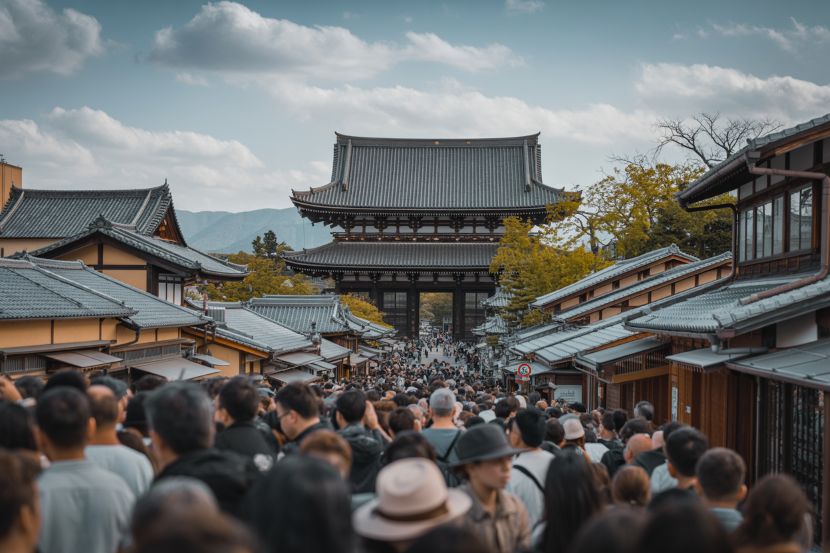
Kyoto, long renowned for its ancient temples and traditional Japanese culture, has become one of the worst-hit cities by this influx. The city, which attracted a staggering 56 million visitors last year, is facing severe traffic congestion and crowd management issues. Local residents find themselves dealing with the daily hassle of navigating crowded streets, with some even expressing concerns about the quality of life in their neighborhoods. This has led to 90% of Kyoto residents indicating dissatisfaction with the growing number of tourists, especially pointing out disruptive behaviors like inappropriate conduct in religious sites.
In response, local authorities in Kyoto are considering a ban on unauthorized filming in tourist-heavy areas like Gion and contemplating a substantial increase in the accommodation tax, raising it from 1,000 yen to 10,000 yen to curb overcrowding. These measures aim to control the flow of visitors and generate revenue to protect the city’s cultural heritage.
Other Asian Destinations Facing the Overtourism Crisis
While Kyoto stands as one of the most noticeable cases, other iconic destinations in Asia are also struggling with the effects of overtourism. In Bali, a famous tourist hotspot known for its beaches and temples, tourists have been criticized for actions like posing for inappropriate photos in sacred places and ignoring local traffic laws, including motorcycle safety rules. These issues have sparked public debates, with local authorities finding it difficult to enforce restrictions due to concerns about damaging the national tourism image.
Meanwhile, Thailand’s Phuket island, despite seeing a decrease in foreign visitors by around 6%, still experiences the same crowding issues in its famous tourist areas. Issues like water shortages and traffic gridlock continue to plague the island, showing that even a dip in tourist numbers doesn’t necessarily resolve the pressures on local infrastructure.
What Can Be Done to Manage Overtourism?
For local governments in affected areas, the solution is not as simple as limiting tourist arrivals. The economic benefits of tourism are too significant to ignore, but finding a sustainable approach to managing these flows is critical. In the Philippines, for instance, authorities temporarily shut down Boracay Island in 2018 for environmental restoration and have since imposed restrictions on the number of visitors allowed, alongside stricter regulations on accommodation providers. While the island has reopened, ongoing issues with enforcement suggest that stricter controls may be necessary to protect the island’s fragile ecosystem.
Moreover, a global trend is emerging where tourism taxes are being considered as one way to manage the impact of tourists. By raising taxes on accommodation and other services, governments can generate funds for preservation projects and infrastructure improvements. However, such measures are not always popular among business owners or tourists, and the success of these strategies remains uncertain.
What Should Travelers Know?
For travelers, the rise of overtourism in Asia presents an opportunity to become more conscious about the impact of their travels. Responsible tourism is a growing concept that encourages visitors to respect local cultures, be mindful of environmental issues, and avoid behaviors that harm communities or damage landmarks. Here are a few tips for travelers to consider:
- Avoid peak times: Traveling during the off-season helps reduce pressure on popular destinations.
- Respect local customs: Learn about local customs and show respect, especially in sacred sites like temples and shrines.
- Support sustainable tourism: Choose eco-friendly hotels and activities that prioritize conservation efforts.
- Follow the rules: Ensure you follow all local regulations, from respecting speed limits to adhering to site-specific guidelines for tourists.
The Way Forward: Striking a Balance
While the growth of tourism in Asia brings economic benefits, the challenges of overtourism are undeniable. Destinations like Kyoto, Bali, and Phuket are at a crossroads, where they must adapt to the changing dynamics of global travel while preserving their heritage and environment. The key lies in finding sustainable solutions that balance the needs of the local community, the economy, and the tourists themselves. Authorities are beginning to understand that overtourism is not just a local issue but a global one, requiring cooperation and long-term planning to ensure that these remarkable destinations remain vibrant for future generations.
The post The Rising Tide of Overtourism in Asia: Kyoto, Bali, and Southeast Asia Struggle with Tourist Overload, Staying Aware and Taking Precautionary Steps appeared first on Travel and Tour World














































Comments and Responses
Please login. Only community members can comment.