























































The Fifteenth National Games Unveils A New Era Of Cross-Border Athletic Collaboration And Sports Tourism Across China
-
History & Art, Travel
-
-
4 mins
-
Travel and Tour World
-
Arpita Bhowmick
-


The 15th National Games are underway, co-hosted by Guangdong, Hong Kong and Macao. A new era of regional sports tourism is being launched across the china.
The official commencement of the 15th National Games represents a momentous occasion in the history of Chinese sport. This particular edition has been distinguished by an unprecedented arrangement, as the events are being co-hosted across the Greater Bay Area by three prominent jurisdictions: Guangdong, Hong Kong, and Macao. A significant departure from the traditional single-city model has thus been made, transforming the competition into a regional showcase of athletic prowess and administrative synergy. Even before the formal opening ceremony, the vast scale of the undertaking necessitated that preliminary competitions be initiated. Consequently, events across multiple disciplines, including football, volleyball, handball, and diving, have already been seen to begin in Guangdong, setting an energized tone for the forthcoming fortnight of intense competition. The foundational planning and preparation efforts in Macao and Hong Kong have been finalized, ensuring that all aspects of their hosting duties are meticulously addressed as the Games unfold across this dynamic, integrated region.
A New Era of Regional Collaboration
The selection of Guangdong, Hong Kong, and Macao as joint hosts is widely considered a defining milestone for the National Games. For the first time, the organizational responsibilities have been intentionally dispersed, creating a powerful mechanism for cross-border cooperation and cultural exchange. The official duration for the Games has been stipulated from 9 to 21 November, with the sporting calendar extending further, as the National Paralympic Games are scheduled to follow in December. This comprehensive programming underscores the depth of the commitment being made to sporting excellence and inclusivity.
Macao’s Sporting Spotlight: Venues and Competitions
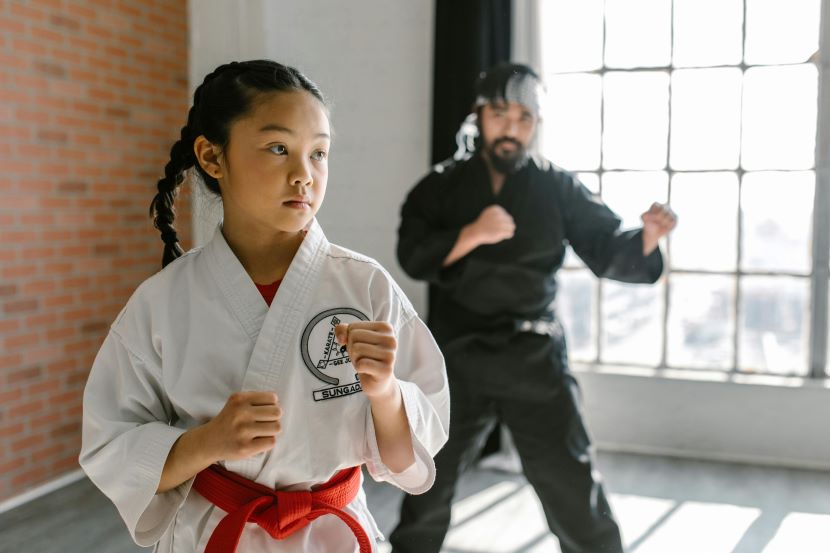
Particular attention has been appropriately focused upon Macao, where specific, high-profile events have been scheduled for staging. The city’s involvement is substantial, extending from hosting critical competition phases to fielding its own dedicated teams. Of primary significance are the Table Tennis competitions, which are slated to be held from 7 to 20 November at the modern and impressive Galaxy Arena. The selection of this venue underscores Macao’s capability to host world-class indoor sports. Furthermore, the sport of Karate has been designated for the Macao Forum, with tournaments scheduled to take place between 6 and 8 November. These specific events are expected to draw considerable interest, cementing Macao’s reputation as a versatile venue for diverse athletic pursuits.
In addition to its role as a host, Macao has been actively represented by its athletes across numerous sports in the competitions being staged in Guangdong. Teams representing the city have been seen competing in disciplines such as men’s U20 football, men’s U18 and U20 volleyball, handball, and basketball. As recent updates have shown, the group-stage fixtures for Macao’s volleyball and handball teams have already been successfully wrapped up. Meanwhile, the efforts of the divers and basketball players continue in their respective competitions, with their progress being closely monitored by spectators and sports officials alike. The multifaceted participation of Macao—both as a gracious host of major events and as a competitor in various sports—clearly demonstrates the city’s deep commitment to the spirit and success of the 15th National Games. The preparation undertaken by all teams and individual athletes has been rigorously executed, ensuring that a high standard of competition is maintained throughout the entire event.
Integrating Sport and Tourism: The Economic Play
Beyond the results tallied on the scoreboard, a crucial objective of the Games has been strategically linked to bolstering Macao‘s economy, which is heavily reliant upon the tourism sector. A sophisticated strategic alignment has been developed, with the concept of tourism-plus-sports being aggressively promoted. This initiative involves the intentional merging of event attendance with immersive travel experiences, including accommodation in premier hotels, fine dining opportunities, and access to unique cultural activities. This approach was emphasized by Cheung Kin Chung, chairman of the Macao Tourism Chamber of Commerce, who articulated that the industry has decisively moved to roll out these integrated products.
Building a Cultural and Enduring Legacy
A vital focus for city planners and industry leaders is ensuring that the immediate excitement generated by the Games is successfully converted into an enduring, long-lasting legacy. Active steps have been taken to secure this outcome, particularly in the realm of cultural engagement. The Cultural Affairs Bureau in Macao has contributed significantly to this effort by extending a generous offer of complimentary admission. This privilege is afforded to all accredited athletes, officials, and media representatives, granting them free access to more than 30 museums and designated heritage venues. Esteemed locations such as the Macao Museum and the Grand Prix Museum are included in this offer, alongside sophisticated digital experiences like the Visiting the Ruins of St. Paul’s in Space and Time installation. This cultural access is being provided throughout the duration of both the National Games and the subsequent National Paralympic Games, allowing participants to fully immerse themselves in the city’s rich history and heritage.
Looking forward, the long-term planning involves proposals for the continued development of year-round sports training camps, which are designed to support and nurture future athletic talent within the region. Furthermore, the rigorous pursuit of international accreditation for local sports bodies is being undertaken, a crucial step for establishing global recognition and maintaining elevated standards. Essential transformation is also being planned for the event venues, which are intended to be repurposed and evolved into long-term attractions and functional community assets long after the competition concludes. Concurrently, in other parts of the region, parallel events like beach volleyball, track cycling, and rugby sevens are being successfully staged in Hong Kong and Guangdong. Therefore, the 15th National Games are being recognized as far more than a mere period of athletic competition; they are being utilized as a definitive launchpad for an entirely new, collaborative model of cross-border sports tourism and regional development within the entire Greater Bay Area. This collective endeavor represents a significant chapter in the regional integration strategy, ensuring that the benefits derived from the Games are felt for many years to come.
The post The Fifteenth National Games Unveils A New Era Of Cross-Border Athletic Collaboration And Sports Tourism Across China appeared first on Travel and Tour World
























































Comments and Responses
Please login. Only community members can comment.