
The Amalfi Coast’s Best-Kept Secret: Why You Should Visit in Winter
-
Blogs, Culinary, Travel
-
-
3 mins
-
Travel and Tour World
-
Aritrika Ghosh
-

Discover the magic of the Amalfi Coast in winter. Avoid the sweltering summer crowds, enjoy temperate weather, and dine at Italy’s best restaurants in total peace.
For most travelers, the “Amalfi Coast” is a mental postcard of sun-drenched cliffs, turquoise waters, and a dizzying swarm of influencers competing for the perfect shot in front of Positano’s pastel houses. It is a place of Aperol Spritzes, sweltering heat, and “No Vacancy” signs. But as John Mariani highlights in his latest dispatch for Forbes, there is another Amalfi—one that only reveals itself when the thermometer dips and the tour buses depart.
Visiting the Amalfi Coast in winter isn’t just a budget-friendly alternative; it is a total sensory reclamation of one of the world’s most beautiful places. Here is why you should trade your swimsuit for a cashmere sweater and head to the coast this season.
The Luxury of Silence
The first thing you notice in Amalfi during December or January is the sound. In July, the coast is a cacophony of Vespa engines, shouting tour guides, and the constant hum of humanity. In winter, the soundtrack changes to the rhythmic crashing of the Tyrrhenian Sea against the rocks and the distant chime of church bells echoing through the Lattari Mountains.
The “SS163″—the famous ribbon of road that hugs the cliffs—becomes a pleasure to drive rather than a test of survival. You can pull over at a scenic overlook without fighting for a spot. You can walk through the Piazza del Duomo in Amalfi town and actually see the intricate 11th-century mosaics of the cathedral without a sea of selfie sticks blocking the view.
“Eat in Peace”: A Culinary Revelation
The title of Mariani’s piece, “Eat in Peace,” hits on the most significant benefit of the off-season: the food. During the summer, even mediocre trattorias require reservations weeks in advance, and the service can feel rushed as waiters scramble to turn tables.
In winter, the hospitality changes. The restaurants that remain open are the ones the locals frequent. When you walk into a cozy, wood-paneled dining room in Ravello or Sorrento, you aren’t just another credit card; you are a guest. You might find yourself in a long conversation with the owner about the morning’s catch or the specific grove where the lemons in your scialatielli pasta were grown.
Winter cuisine on the coast is hearty and soul-warming. This is the season of the Sfusato Amalfitano—the legendary local lemons—which are at their peak. Expect dishes like pezzogna (red sea bream) baked with olives and capers, and pasta tossed with colatura di alici (a traditional fermented anchovy sauce from Cetara) that tastes like the very essence of the sea.
The Weather: The Mediterranean’s Gentle Winter
While much of Europe is shivering under gray skies, the Amalfi Coast enjoys a remarkably temperate climate. Daytime temperatures often hover in the mid-60s (Fahrenheit), providing “jacket weather” that is perfect for hiking.
This is the ideal time to tackle the Sentiero degli Dei (Path of the Gods). In the summer, this hike can be a grueling, sun-scorched ordeal. In winter, the air is crisp, the visibility is crystalline, and you often have the entire mountain to yourself. You can look down from the clouds at the vertical town of Positano and feel like you are the only person in the world watching the sun set over the Faraglioni of Capri.
Town by Town: A Winter Perspective
- Sorrento: Acting as the gateway to the coast, Sorrento is arguably at its most charming in December. The town is famous for its Christmas lights, which transform the Corso Italia into a glittering fairytale. The local artisans in the back alleys are still carving presepi (nativity scenes), a tradition that feels far more authentic when shared with locals than with thousands of tourists.
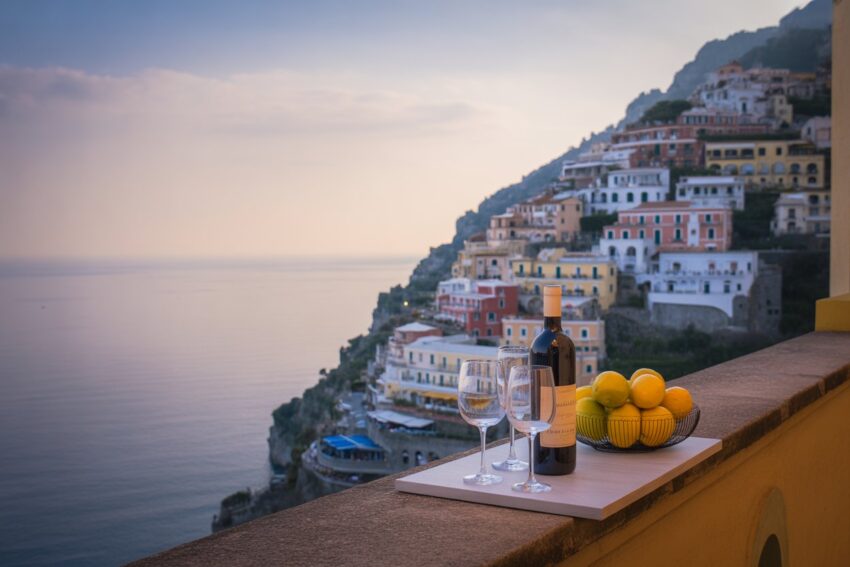
- Positano: Yes, many of the high-end boutiques and the famous “beach clubs” close their doors. But the town itself remains. Seeing the lights of Positano flicker on at dusk from a quiet balcony, with a glass of local Taurasi wine in hand, is a far more intimate experience than any summer party.
- Amalfi & Atrani: These towns feel like living museums in the winter. Visit the Paper Museum in Amalfi to learn about the centuries-old tradition of bambagina paper-making without the wait times.
The Human Connection
The most “human” part of a winter visit is the interaction with the people who call this coast home. In the peak season, locals often retreat from the tourist hubs. In the winter, they reclaim their piazzas. You’ll see old men playing cards in the cafes and grandmothers carrying bags of fresh citrus.
There is a sense of “communal exhale” that happens in November. The pressure of the tourism machine stops, and the genuine Italian dolce far niente (the sweetness of doing nothing) returns. You aren’t just observing a destination; you are participating in a lifestyle.
Final Thoughts: Is it for You?
If your goal is to tan on a crowded beach and party at “Music on the Rocks” until 4:00 AM, stay home until July. But if you want to understand why poets, painters, and emperors have been drawn to this coastline for two millennia—if you want to see the mist clinging to the lemon groves and taste the most authentic seafood of your life—then winter is your season.
As Mariani suggests, there is no greater luxury than peace. And on the Amalfi Coast, peace is a winter harvest.
The post The Amalfi Coast’s Best-Kept Secret: Why You Should Visit in Winter appeared first on Travel and Tour World
Comments and Responses
Please login. Only community members can comment.