























































Thailand Cracks Down on Harmful Sunscreens in Marine Parks to Protect Coral Reefs
-
Blogs, Wellness, Nature & Wildlife, History & Art, Travel
-
-
4 mins
-
Travel and Tour World
-
Poulomi Sinha
-


Thailand bans harmful sunscreens in marine parks to protect coral reefs, with fines up to 100,000 baht. Learn about the new regulations.
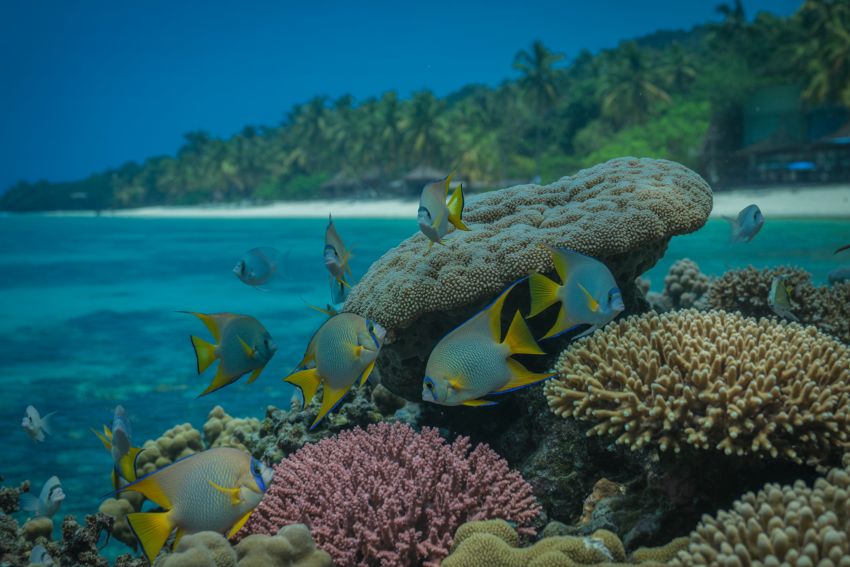
With their immaculate beaches and colourful coral reefs, Thailand’s marine national parks are well-known travel destinations that attract millions of visitors annually. Nevertheless, a number of environmental factors, such as pollution, climate change, and destructive human activity, are endangering these natural wonders. The Thai government has launched a significant effort to safeguard these valuable resources by implementing stronger regulations in response to the growing concerns about the sustainability of its coral ecosystems. One important step has been to outlaw specific sunscreens that are known to harm coral reefs, and those who do so risk steep fines.
The Problem with Conventional Sunscreens
Sunscreens have long been essential for protecting the skin from harmful UV radiation, but they can also harm the environment in ways that many people are unaware of. Recent studies have revealed that certain chemicals found in popular sunscreen products are directly linked to the degradation of coral reefs. The chemicals of concern are Oxybenzone, Octinoxate, 4-Methylbenzylidene Camphor, and Butylparaben. These substances are often used in sunscreens for their UV-blocking properties, but when they enter the ocean, they can have disastrous effects on marine life, especially coral reefs.
The Department of National Parks, Wildlife, and Plant Conservation (DNP) of Thailand has officially banned sunscreens containing these chemicals in the country’s marine parks. These chemicals have been shown to prevent coral larvae from developing properly, disrupt coral reproduction, and cause coral bleaching—a phenomenon where corals lose their vibrant colours and become more susceptible to disease. If left unchecked, this process can lead to the death of coral reefs, which are vital for marine biodiversity and the local economy.
Thailand’s National Parks Act 2019 and New Penalties
To enforce the new rules, the Thai government has turned to its existing legal framework. The National Park Act 2019, which governs the country’s marine national parks, grants officials the authority to impose fines on tourists who fail to comply with environmental regulations. Under Sections 20 and 47 of the Act, tourists who use harmful sunscreens in the marine parks can be fined up to 100,000 baht (approximately $2,800 USD).
The implementation of the sunscreen ban comes as part of a broader conservation effort aimed at preserving Thailand’s fragile marine ecosystems. Other regulations include guidelines for responsible behaviour in the parks, such as staying at least two metres away from coral reefs, avoiding littering or disposal of waste in the ocean, and adhering to instructions given by park officials. These rules are designed to minimise human impact on the marine environment and ensure that the parks remain accessible for future generations of tourists.
Raising Awareness for Sustainable Tourism
In addition to enforcing these regulations, the DNP is actively educating visitors on the importance of using reef-safe products and following environmentally responsible practices. Tourists are encouraged to choose sunscreens labelled “Reef Safe” or “Reef Friendly”, which do not contain the harmful chemicals listed above. This shift towards more sustainable sunscreen products is a part of a larger trend in eco-conscious tourism, where travellers are becoming increasingly aware of the environmental impact of their actions.
The department has also launched several initiatives to inform both local and international visitors about the impact of sunscreen chemicals on coral reefs. These efforts are supported by the Thai government, which is working to balance tourism growth with the need for environmental conservation. By making reef-safe products more accessible and ensuring that tourists understand their significance, the government hopes to foster a culture of sustainable travel that will benefit both the environment and the local economy.
Impact of Coral Reef Conservation on Thai Tourism
Thailand’s coral reefs are not only a key natural resource but also a major attraction for tourists. Each year, millions of visitors come to the country to enjoy its world-class beaches and vibrant marine life. These reefs provide vital ecosystem services, such as supporting biodiversity, protecting coastlines from erosion, and contributing to the local economy through tourism and fishing. The health of the reefs is therefore directly tied to the overall success of Thailand’s tourism industry.
However, the coral reefs are facing increasing pressure from both natural and human-induced factors. Overfishing, rising sea temperatures, and pollution from plastics and chemicals are all contributing to the decline of these fragile ecosystems. The new sunscreen ban is part of Thailand’s broader efforts to address these issues and promote a more sustainable form of tourism that minimises environmental harm.
As tourism continues to be a significant driver of Thailand’s economy, protecting the coral reefs is essential for maintaining the country’s reputation as a top destination for nature lovers and adventure seekers. Without swift action, the loss of coral reefs would not only have devastating ecological consequences but would also impact the livelihoods of millions of people who depend on tourism for their income.
Thailand’s Commitment to Sustainable Tourism and Environmental Protection
Thailand has long been at the forefront of efforts to promote sustainable tourism, with numerous initiatives aimed at reducing the environmental impact of travel. The sunscreen ban is just one example of the country’s commitment to preserving its natural beauty for future generations. In addition to the sunscreen regulations, the Thai government has implemented measures to protect its national parks, improve waste management practices, and promote eco-friendly travel options.
These efforts are aligned with global sustainability goals, including the United Nations Sustainable Development Goals (SDGs), which call for the conservation of marine resources and the promotion of responsible consumption and production. By addressing the environmental challenges posed by tourism, Thailand hopes to create a model for other countries to follow in balancing tourism growth with ecological preservation.
A Step Towards a Greener Future for Thai Tourism
The sunscreen ban is a crucial step in protecting Thailand’s coral reefs and guaranteeing that future generations of tourists can enjoy the splendour of its marine parks as the country continues to hone its approach to sustainable tourism. Thailand is promoting responsible tourism practices that will benefit the local community and the global ecosystem in addition to safeguarding its environment by enforcing stronger regulations and increasing public awareness of the effects of sunscreen chemicals. As tourists, it is crucial that we all think about how our actions affect the environment and select goods and methods that promote environmental conservation.
Long-term, these actions will support the wellbeing of Thailand’s marine ecosystems and guarantee that the nation’s coral reefs continue to be a viable and prosperous component of its tourism industry. It is our duty as travellers to accept these changes and contribute to the effort to save the environment for coming generations.
The post Thailand Cracks Down on Harmful Sunscreens in Marine Parks to Protect Coral Reefs appeared first on Travel and Tour World














































Comments and Responses
Please login. Only community members can comment.