
















































Taiwan Follows Japan and More as Typhoon Champi Puts East Asia Travel Plans to the Test, Leaving Global Travellers Rethinking Their Dream Holidays
-
Blogs, Shopping, Travel
-
-
10 mins
-
Travel and Tour World
-
Sarannya Acharya
-


Typhoon Champi puts Taiwan, Japan and Hong Kong travel plans at risk. Explore flight disruptions, weather alerts and essential travel advice.
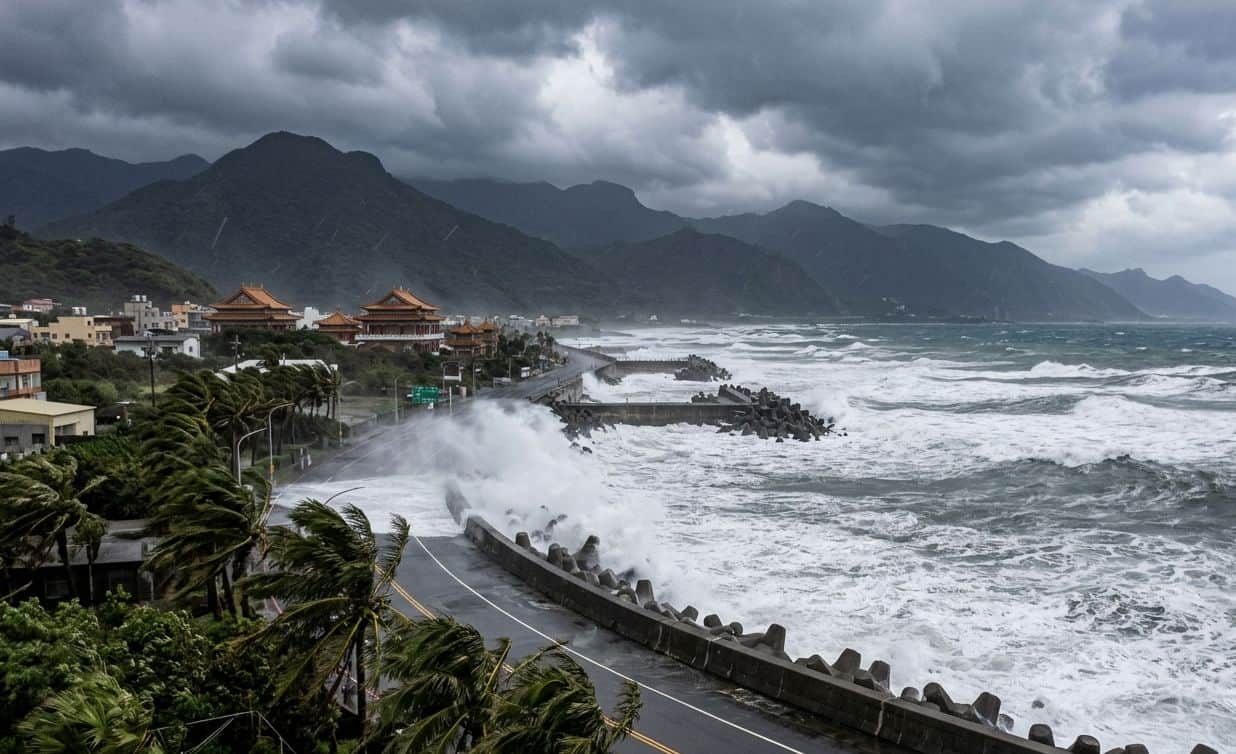
Taiwan follows Japan and more East Asia destinations as Typhoon Champi puts travel plans to the test, leaving global travellers rethinking their dream holidays. As weather conditions change, travellers must reconsider flights, ferry connections and sightseeing arrangements across the region. Meanwhile, Taiwan, Japan and Hong Kong remain important destinations to monitor for official weather alerts and transport updates. Therefore, visitors should prepare flexible itineraries and check airline notifications before departure. Travel And Tour World urges global travellers to read the entire story for essential Typhoon Champi travel updates, destination-specific guidance and practical advice for protecting their East Asia holiday plans.
Typhoon Champi Travel Impact Guide 2026: Detailed Destination Risks, Flight Statistics and Essential Advice for East Asia Visitors
Typhoon Champi’s Latest Track and What the Numbers Mean for Travellers
Typhoon Champi is creating travel uncertainty across parts of East Asia, particularly for visitors with flights, ferry connections and island excursions scheduled around Taiwan and Japan. Its effects extend beyond the immediate storm centre because aviation, maritime transport and outdoor tourism depend on local weather conditions.
The Hong Kong Observatory’s bulletin updated at 00:42 Hong Kong time on October 23, 2026, placed Champi at 21.5° north and 124.6° east at 23:00 on October 22. The system had weakened from super typhoon to severe typhoon status, with maximum sustained winds near its centre estimated at 165 kilometres per hour. It was approximately 1,080 kilometres east of Hong Kong.
These measurements provide a snapshot of the storm, not a guarantee of conditions at any particular destination. Travellers should distinguish between the storm’s central wind speed, local wind conditions and the operational status of transport services.
Detailed Statistical Overview of Typhoon Champi
The following table summarises the Hong Kong Observatory’s reported positions and forecast intensities. Forecast figures are time-specific and may change as new observations become available.
| Observation or forecast time, HKT | Position | Classification | Maximum sustained winds near centre |
|---|---|---|---|
| October 21, 08:00 | 18.1°N, 130.2°E | Super typhoon | 250 km/h |
| October 21, 14:00 | 18.7°N, 128.9°E | Super typhoon | 240 km/h |
| October 21, 20:00 | 19.3°N, 127.9°E | Super typhoon | 240 km/h |
| October 22, 08:00 | 20.3°N, 126.0°E | Super typhoon | 210 km/h |
| October 22, 14:00 | 20.8°N, 125.4°E | Super typhoon | 195 km/h |
| October 22, 20:00 | 21.2°N, 124.9°E | Severe typhoon | 175 km/h |
| October 22, 23:00 | 21.5°N, 124.6°E | Severe typhoon | 165 km/h |
| October 23, 23:00 | 24.9°N, 122.7°E | Forecast: typhoon | 140 km/h |
| October 24, 23:00 | 29.1°N, 124.4°E | Forecast: severe tropical storm | 90 km/h |
| October 25, 23:00 | 33.1°N, 131.8°E | Forecast: tropical storm | 75 km/h |
| October 26, 23:00 | 35.9°N, 145.9°E | Forecast: extratropical low | Not specified |
Source: Hong Kong Observatory, bulletin updated at 00:42 HKT on October 23, 2026. Forecasts are not confirmed future observations.
The reported maximum sustained wind speed fell by 85 kilometres per hour between October 21 at 08:00 and October 22 at 23:00. That represents a reduction of approximately 34% in the reported wind-speed value. It does not mean the storm has become harmless. Severe winds, rough seas and heavy rainfall can still threaten travellers even as a cyclone weakens.
The forecast also illustrates why visitors should monitor several updates rather than relying on one projected route. The storm’s position, forward movement and intensity all influence which areas face the greatest potential disruption.
Flight Cancellations and Transport Disruptions: What the Data Shows
The immediate travel impact is particularly important for passengers with domestic connections and regional flights.
The October 22 report from Around Prague, drawing on Reuters and other news reporting, stated that Taiwan cancelled 125 flights, mostly domestic services. It also reported more than 100 cancellations by Japanese airlines between Thursday and Sunday, affecting over 11,000 passengers. These are reported figures from that publication date, not final totals for the storm.
| Transport indicator | Reported figure or status | What it means for tourists |
|---|---|---|
| Taiwan flight cancellations | 125 flights reported cancelled on October 22 | Domestic connections and onward departures may need rebooking |
| Japan airline cancellations | More than 100 flights reported between October 22 and 25 | Regional travel and island connections may be disrupted |
| Passengers affected in Japan | More than 11,000 reported | Airport queues and rebooking demand may increase |
| Taiwan ferry services | Suspensions reported | Island excursions and coastal itineraries may be interrupted |
| Tourist attractions in Taiwan | Temporary closures reported | Visitors may need alternative indoor activities |
| Hong Kong–Taipei services | Six HK Express flights reported cancelled | Passengers should check individual flight numbers |
| Hong Kong–Taichung and Hong Kong–Kaohsiung services | Four flights reported postponed to Saturday | Revised departure times may affect hotel and onward bookings |
| Hong Kong–Okinawa services | Hong Kong Airlines cancellations reported for October 22 | Travellers should verify revised schedules before departure |
Source: Around Prague’s October 22 report. These are reported disruptions at the time of publication, not a live operational feed.
The figures should not be added together to calculate a regional total because the reporting periods, airlines and categories may differ. Travellers should also avoid assuming that every flight to a named destination has been cancelled.
A scheduled flight can remain operational while a connecting ferry or domestic service is suspended. The safest approach is to check every segment separately and obtain written confirmation of any changes.
Destinations Most Likely to Require Travel Plan Changes
The following destinations are ranked by their relevance to the reported storm track and documented transport disruptions. This is a practical travel-risk comparison, not a claim that every location will experience severe weather.
| Destination | Main concern | Evidence available on October 22–23 | Recommended traveller response |
|---|---|---|---|
| Northeastern Taiwan, including Yilan | Strong winds, rainfall and coastal conditions | Storm forecast to approach the waters east of Taiwan | Recheck local warnings and postpone exposed outdoor activities |
| Taipei | Rain, domestic connections and possible wider transport effects | Northern Taiwan included in storm-related warnings and rainfall concerns | Keep city activities flexible and verify transport |
| Taichung | Flight changes and onward connections | Hong Kong–Taichung flight postponements reported | Confirm revised departure and hotel arrangements |
| Kaohsiung | Flight schedules and possible coastal conditions | Hong Kong–Kaohsiung flight postponements reported | Verify flights and local weather before excursions |
| Yonaguni Island, Okinawa | Strong winds, rough seas and island access | Forecast track and Japanese airline disruptions | Avoid non-essential sea travel and confirm local instructions |
| Okinawa’s wider island network | Domestic flights, ferries and coastal activities | Japanese airline cancellations reported | Check each island’s airport and transport operator |
| Hong Kong | Connecting flights and marine conditions | Regional airline changes reported; storm remained offshore | Separate local forecasts from destination-specific flight status |
| Western Japan and Kyushu | Potential later changes to regional weather and transport | Longer-range storm forecasts showed northward movement | Monitor official forecasts rather than assume direct impacts |
Sources: Hong Kong Observatory and the October 22 Around Prague report. Risk descriptions reflect potential exposure, not confirmed damage at every destination.
Taiwan: Yilan, Taipei, Taichung and Kaohsiung
Yilan County deserves close attention because of its northeastern position and the storm’s forecast approach to the waters east of Taiwan. Travellers planning coastal sightseeing, mountain excursions or scenic drives should check local government announcements before setting out. The original report cited warnings about heavy rainfall in northern mountainous areas, making outdoor plans particularly sensitive to changing conditions.
Taipei may offer more options for visitors who need to adjust their itineraries, including indoor cultural attractions, shopping areas and museums that remain open. However, a city itinerary should not be treated as automatically safe. Rainfall can affect road conditions and connections, while individual attractions may change their operating hours. Travellers should verify opening notices before travelling across the city.
Taichung and Kaohsiung are important to passengers connecting through Taiwan’s domestic and international networks. Reported postponements affecting Hong Kong services demonstrate how disruption can extend beyond the area closest to the storm. Visitors should confirm the exact airport, departure date and revised schedule before arranging airport transfers or onward accommodation.
The UK government’s Taiwan travel advice warns that typhoons can disrupt flights, trains, buses and other transport. It also highlights the potential for road blockages and landslides after severe weather, especially in mountainous areas.
Japan: Yonaguni, Okinawa and Connections to the Main Islands
Yonaguni Island is particularly relevant because the reported forecast placed Japan’s westernmost inhabited island near the storm’s projected route. The island’s location makes air connections and marine conditions important considerations for visitors planning remote-island holidays.
Travellers should avoid assuming that a flight will operate simply because the airport remains open. Weather restrictions can affect a specific departure, while the return service may face different conditions. Those staying on small islands should also ask their accommodation provider about contingency arrangements if transport is interrupted.
Okinawa’s wider island network requires similar preparation. Visitors may need to coordinate domestic flights, ferries, rental vehicles and accommodation across separate islands. If a ferry is suspended, a hotel booked on another island may become unreachable even when the hotel itself remains open.
Japan’s Meteorological Agency publishes typhoon forecasts and local weather warnings. The UK government’s Japan travel guidance notes that tropical cyclones can produce damaging high tides, flooding and landslides. It advises visitors to follow local authorities, emergency services and evacuation orders.
For Kyushu and other parts of western Japan, travellers should treat longer-range projections cautiously. The storm’s forecast movement does not establish that every location along a broad route will face dangerous weather. Monitor local warnings and airline announcements for the precise destination and travel date.
Hong Kong: A Connecting Hub Rather Than a Uniform Risk Zone
Hong Kong’s role as an international aviation hub means regional disruption can affect passengers even when their departure airport is operating normally. Visitors travelling onward to Taiwan or Okinawa should check whether the connecting service has been cancelled, retimed or replaced.
The Hong Kong Observatory’s storm bulletin placed Champi approximately 1,080 kilometres east of Hong Kong at 23:00 on October 22. Its forecast showed the storm moving towards the seas east of Taiwan. That distance and projected path should not be interpreted as proof of direct storm damage in Hong Kong.
The practical concern for many visitors is itinerary reliability. Travellers should confirm flights with their airlines, check the status of marine excursions and avoid assuming that regional disruptions automatically apply to every Hong Kong service.
Detailed Comparison: Which Travel Plans Should Visitors Change First?
The best response depends on the type of activity, the location and whether official restrictions are in place. A flexible city itinerary is usually easier to rearrange than a remote-island trip involving several transport connections.
| Travel activity | Relative sensitivity to typhoon conditions | Why plans may change | Best alternative |
|---|---|---|---|
| Domestic and international flights | High | Wind, weather restrictions and aircraft repositioning can affect schedules | Flexible departure dates and confirmed rebooking |
| Inter-island ferries | High | Rough seas and operator suspensions can prevent departures | Stay on the main island until services resume |
| Mountain hiking | High | Heavy rainfall can trigger landslides, flash floods and dangerous trails | Indoor museums or cultural attractions |
| Beaches and coastal sightseeing | High | Strong waves, dangerous currents and coastal warnings | Indoor attractions away from exposed coastal areas |
| Urban sightseeing | Variable | Rain, transport delays and attraction closures may affect access | Nearby indoor activities, subject to opening notices |
| Rail journeys | Variable | Weather-related restrictions or service changes may affect routes | Check the rail operator’s live service announcements |
| Food and shopping tours | Generally easier to rearrange | Access and business opening hours may change | Choose accessible indoor venues that remain open |
| Scenic drives | High in exposed or mountainous areas | Flooded roads, falling debris and landslide risks | Postpone the drive until authorities confirm safe conditions |
These categories are practical comparisons, not official risk ratings. Local warnings and operator instructions always take precedence.
What Tourists Should Do Before, During and After the Storm
Before travelling
Start by reviewing the complete itinerary, including flights, ferries, accommodation and prepaid tours. Record the booking references and customer-service contacts for every provider.
Check the latest forecast from the relevant national meteorological service. Confirm whether local authorities have issued warnings or announced closures. If travelling through multiple destinations, review each one separately rather than relying on a regional headline.
Travellers should also review their insurance documents. Coverage for weather disruption varies by policy, and purchasing insurance after an event becomes known may not cover that event. Contact the insurer before cancelling a booking independently.
While staying at the destination
Follow official instructions and remain away from restricted coastal, river and mountain areas. Do not approach the sea to photograph large waves, and avoid driving through floodwater.
Keep your phone charged and maintain access to emergency contacts, accommodation details and transport notifications. Ask hotel staff about local emergency procedures and the safest route to an approved shelter if necessary.
If transport is suspended, remain in a safe location and wait for official updates. Do not attempt an alternative journey across a closed road or dangerous sea route simply to preserve a reservation.
When services begin operating again
A reduction in storm intensity does not mean every route has reopened. Flooding, debris, infrastructure damage and aircraft or vessel repositioning can delay the return to normal operations.
Confirm the actual departure time with the operator. Check road access and attraction notices before leaving accommodation. Allow additional time for airport transfers and keep enough flexibility to accommodate further changes.
Essential Official Websites for Travellers
| Authority or service | Information to check | Official website |
|---|---|---|
| Hong Kong Observatory | Tropical cyclone position, forecast intensity and Hong Kong weather | Hong Kong Observatory |
| Taiwan Central Weather Administration | Typhoon warnings, rainfall forecasts and local weather | Taiwan weather authority |
| Japan Meteorological Agency | Typhoon forecasts, rainfall and emergency weather warnings | Japan Meteorological Agency |
| Japan National Tourism Organization | Travel safety information for international visitors | Japan travel information |
| UK Foreign, Commonwealth & Development Office | Destination-specific travel advice for Taiwan and Japan | Taiwan travel advice and Japan travel advice |
The Taiwan and Japan travel guidance specifically recommends monitoring official weather information and following local instructions during typhoons.
Conclusion
In conclusion, Typhoon Champi puts travel plans across Taiwan, Japan, Hong Kong and other East Asia destinations to the test, reminding global travellers to prioritise safety and flexibility. As weather conditions evolve, flight schedules, ferry services and outdoor activities may face unexpected changes. Therefore, tourists should monitor official government weather alerts, confirm transport arrangements and contact accommodation providers before making travel decisions. Although disruptions can challenge dream holidays, careful preparation can help travellers manage uncertainty and make informed choices. Travel And Tour World urges readers to follow the latest Typhoon Champi travel updates and stay prepared for changing conditions across East Asia.
The post Taiwan Follows Japan and More as Typhoon Champi Puts East Asia Travel Plans to the Test, Leaving Global Travellers Rethinking Their Dream Holidays appeared first on Travel and Tour World














































Comments and Responses
Please login. Only community members can comment.