























































Taganak Island Aims to Become Eco-Tourism Hub, Balancing Limited Capacity and Environmental Concerns for Sustainable Growth in the Philippines
-
Nature & Wildlife, Travel
-
-
4 mins
-
Travel and Tour World
-
Gishan Das
-


Taganak Island in the Turtle Islands, Tawi-Tawi, seeks to develop as an eco-tourism hub, focusing on sustainable growth, local economic development, and environmental preservation in the Philippines.
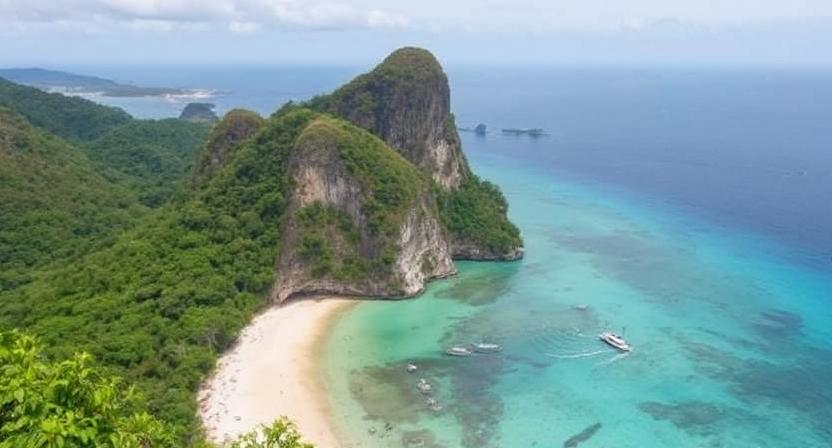
Taganak Island in the Turtle Islands Municipality of Tawi-Tawi is yet another promising eco-tourism site in the Philippines. But given its very limited capacity-just 10 to 20 tourists a day-it is now at a critical junction on how it would balance the need for tourism growth with environmental sustainability. The island has become famous for its nesting sites of sea turtles and virgin beaches, propelling it to the forefront as an attraction site for eco-tourists and other wildlife conservation enthusiasts.
Boosting Local Economy Through Eco-Tourism
While Taganak Island’s visitor capacity remains limited, its eco-tourism potential is already having a positive economic impact on the local community. By promoting sustainable tourism practices, Taganak can generate income for local businesses, including homestays, tour operators, and food vendors. These businesses benefit from the increase in tourist spending, especially as the island gains recognition for its wildlife conservation efforts and eco-friendly practices.
Moreover, the influx of domestic travelers from other parts of the Philippines is helping to stimulate regional tourism, supporting local infrastructure development, and creating job opportunities in the area. However, the island must continue to manage tourist flow effectively to avoid negative impacts such as overcrowding, pollution, and overuse of natural resources.
Sustainable Tourism Practices: Protecting Taganak’s Natural Heritage
As the island looks to expand its eco-tourism offerings, the primary focus remains on environmental protection. Taganak’s future as an eco-tourism hub hinges on its ability to promote sustainable tourism practices that prioritize the preservation of wildlife and natural landscapes. Taganak’s popularity as a sea turtle nesting site has placed the island at the forefront of wildlife tourism in the region. Protecting these vital ecosystems while accommodating growing interest in wildlife viewing and eco-tourism is essential to the island’s continued success.
To maintain its appeal, Taganak has implemented measures to prevent unsustainable tourism activities, such as illegal diving and unregulated tourism ventures. However, the island still faces significant challenges related to waste management, with trash reported around the pristine beaches. Efforts to improve solid waste management and promote eco-conscious tourism are crucial for ensuring that Taganak remains a clean and sustainable destination for eco-tourists.
Promoting Regional Collaboration and Cross-Border Tourism
In addition to fostering local tourism development, Taganak is also focusing on increasing regional tourism collaboration. The island is part of the Turtle Islands Municipality, which shares its geographical location with Malaysia, creating opportunities for cross-border tourism and collaboration. This regional cooperation could encourage more tourists from Malaysia and other nearby countries to explore the Philippines’ Turtle Islands and experience the rich natural heritage that spans across both nations.
In the future, Taganak Island could benefit from increased partnerships with neighboring regions, particularly Malaysia, to offer more integrated tourism packages. These could combine nature tours, cultural experiences, and wildlife conservation efforts, allowing tourists to explore both countries’ natural landscapes and cultural richness while benefiting the local economy.
Infrastructure Challenges: Balancing Growth with Sustainability
The limited infrastructure on Taganak Island presents a challenge as the island works to balance tourism growth with sustainability. Currently, homestays and boarding houses are the primary accommodation options, offering an authentic yet basic experience for visitors. However, the island is planning to expand its tourism infrastructure while ensuring that any new developments align with its sustainable tourism goals.
To accommodate future growth, Taganak needs to address key infrastructure gaps, particularly in transportation, waste management, and public services. Investments in eco-friendly transport options and renewable energy could help the island remain environmentally responsible while accommodating more visitors. As the tourism sector expands, tourism professionals will need to ensure that the economic benefits of tourism are equitably shared among local communities, without compromising the environmental integrity of the island.
Expanding Tourism Capacity and Future Prospects
Looking forward, Taganak is exploring ways to expand its tourism capacity once its tourism systems are strengthened. Local officials are working on developing infrastructure that will allow the island to host more tourists while maintaining its eco-tourism principles. Plans to increase visitor numbers will likely include the development of sustainable resorts, eco-friendly transport services, and improved waste management facilities, all of which will contribute to long-term growth in the tourism sector.
At the same time, Taganak will continue to prioritize wildlife conservation, ensuring that tourism development does not interfere with the island’s vital ecosystems. A balance must be struck between meeting the needs of tourists and protecting the island’s natural resources, ensuring that the eco-tourism model remains sustainable for generations to come.
Taganak’s Sustainable Future as a Tourism Destination
Taganak Island grows as an eco-tourism destination, it serves as a model for how sustainable tourism can benefit both a local economy and the environment. By focusing on responsible tourism practices, wildlife conservation, and community involvement, Taganak is positioning itself as a leader in eco-friendly travel within the Philippines. With regional collaboration, cultural exchange, and careful tourism management, the island will be able to keep drawing international visitors while preserving the beauty of the area for future generations.
In the years to come, Taganak will serve as a model of sustainable tourism for the region, enabling travelers to have a truly genuine, eco-sensitive experience while supporting local enterprise and contributing to long-term economic growth.
The post Taganak Island Aims to Become Eco-Tourism Hub, Balancing Limited Capacity and Environmental Concerns for Sustainable Growth in the Philippines appeared first on Travel and Tour World
























































Comments and Responses
Please login. Only community members can comment.