













10 Places to experience Snowy Winter in Asia
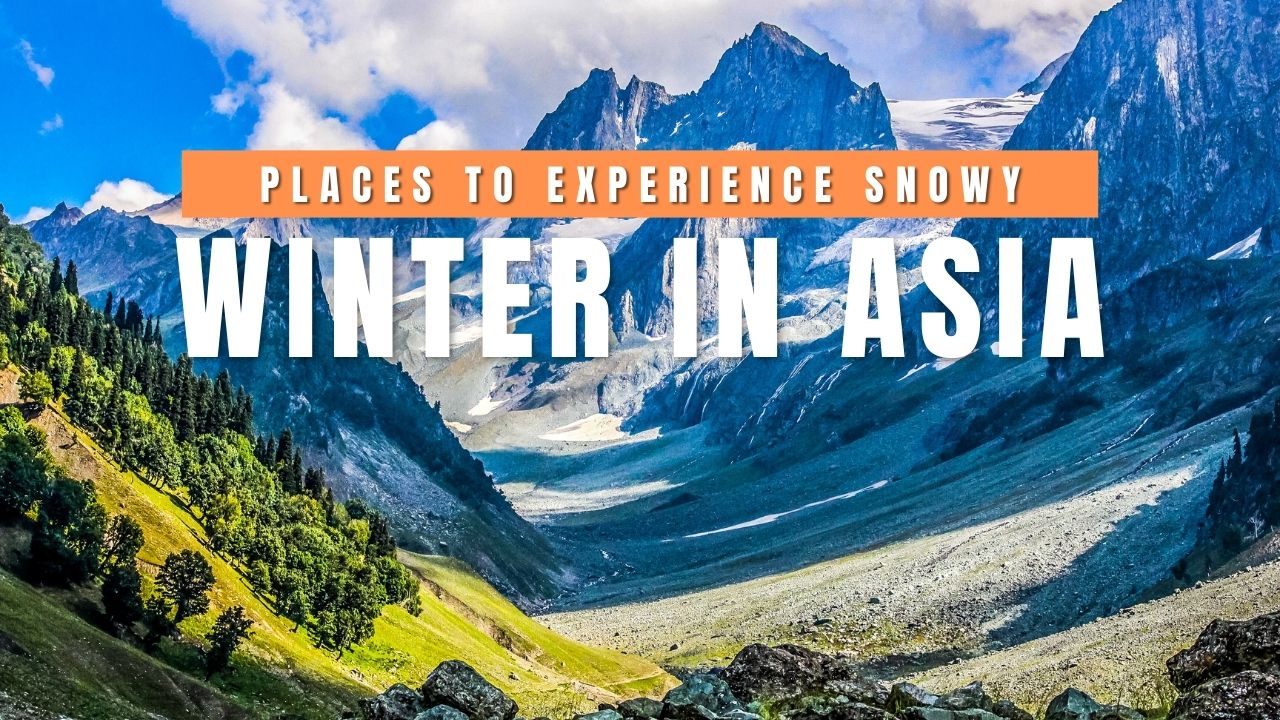
Top Places to experience Snowy Winter in Asia
-
Travel, Blogs, Children, Nature & Wildlife, History & Art
-
-
22 mins
-
Out of Town Blog
-
Melo Villareal
-


Best Places to Experience Snowy Winter in Asia for a Magical Vacation Asia offers more winter options than many travelers realize. While the continent is often associated with tropical beaches and warm weather, several regions transform into snowy landscapes during the winter months. These destinations provide opportunities for winter sports, festivals, and mountain scenery. You […]
10 Places to experience Snowy Winter in Asia
Best Places to Experience Snowy Winter in Asia for a Magical Vacation
Asia offers more winter options than many travelers realize. While the continent is often associated with tropical beaches and warm weather, several regions transform into snowy landscapes during the winter months. These destinations provide opportunities for winter sports, festivals, and mountain scenery.
Top Places to experience Snowy Winter in Asia
You can experience snow activities across Asia, from the ski slopes of Japan and South Korea to the mountain ranges of India, Mongolia, and Kazakhstan. Each location has its own features, whether you’re interested in skiing, trekking through snow-covered trails, or simply enjoying cold-weather landscapes. The winter season in Asia runs roughly from December through February, though timing varies by location and elevation.
Understanding where to find snow in Asia helps you plan a winter trip that matches your interests. Some destinations are known for organized winter sports and established ski resorts. Others offer quieter mountain settings with views of snow-covered peaks and opportunities for winter walks.
1) Gulmarg, India – Premier skiing and snowboarding destination

Gondola Cable Car in Gulmarg
Gulmarg, in the Pir Panjal range of Kashmir, is India’s top destination for winter sports. The resort transforms into a snow-covered landscape from December through March, drawing skiers and snowboarders from around the world.
You’ll find some of Asia’s best ski slopes here, with consistent snowfall and powder-soft conditions. The terrain suits both beginners learning their first turns and experienced riders seeking challenging runs.
The Gulmarg Gondola gives you access to higher elevations where you can explore varied terrain. Local operators offer ski gear rentals, guided tours, and packages that take care of the details of your trip.
You can reach Gulmarg easily through Srinagar, making it more accessible than many Himalayan destinations. The area provides reliable snow conditions throughout the winter season.
Beyond the slopes, you’ll experience Kashmiri hospitality and culture. The surrounding mountain views add to the appeal of this winter sports hub. Whether you’re new to snow sports or an experienced rider, Gulmarg offers the facilities and conditions you need for a solid mountain experience.
2) Sapporo, Japan – Famous for its annual Snow Festival

Downtown Sapporo in Winter
Sapporo transforms into a winter showcase each February when it hosts the Sapporo Snow Festival. This seven-day event is one of Japan’s most popular winter celebrations.
The festival takes place at three main locations in the city. Odori Park serves as the primary site, where you’ll find large-scale snow sculptures. Susukino features ice sculptures that light up at night. Tsudome offers interactive snow activities and slides.
You can expect to see hundreds of snow and ice sculptures throughout the festival. These creations range from small, detailed works to massive structures. Artists and teams from around the world participate in creating these displays.
The event draws over two million visitors annually. People come from across Japan and other countries to experience the festival. The sculptures typically feature themes such as famous landmarks, characters, and original designs.
If you plan to visit, the festival runs in early February each year. The city’s winter temperatures help preserve the sculptures throughout the event. You should dress warmly, as temperatures stay well below freezing during this time.
3) Shimla, India – Colonial hill station with snowy winters

Shimla, India
Shimla sits in the Himalayan foothills and serves as the capital of Himachal Pradesh. The British used it as their summer capital during colonial rule, leaving the town with distinctive Victorian-era architecture.
When winter arrives, Shimla becomes a popular destination for snow tourism. You can expect snowfall between December and February, with January typically seeing the most snow. The white-covered rooftops and pine forests create scenic views that attract visitors from across India and beyond.
The town’s colonial structures look striking against the snowy backdrop. You’ll find the Ridge, Mall Road, and surrounding areas transform into winter landscapes during the cold months.
Shimla offers you a chance to experience snow without traveling to more remote mountain regions. It has good road and rail connections, making it accessible from major Indian cities. The elevation of about 2,200 meters provides cold temperatures that support regular snowfall during the winter months.
You should know that climate patterns have affected the consistency of snowfall in recent years. Still, Shimla remains one of India’s leading hill stations for winter tourism and winter sports.
4) Naejangsan National Park, South Korea – Scenic winter landscapes

Naejangsan National Park
Naejangsan National Park sits in southern South Korea and offers beautiful winter scenery. While most people visit during the fall to see the colorful leaves, winter brings a different kind of beauty to the park.
During the winter months, snow covers the rocky cliffs and peaks. The park’s main mountain reaches 2,503 feet, and its jagged peaks create striking views against the white snow. You’ll find the trails remain open throughout winter because the peaks aren’t very high and don’t receive heavy snowfall.
The park features peaceful temples surrounded by snow-covered trees. Winter visitors often have the trails to themselves, compared with the crowded fall season, when 100,000 tourists visit daily. You can explore hiking paths that wind through the forested areas and take in the quiet winter atmosphere.
The park changes with each season, from spring cherry blossoms to summer greenery. But winter provides a calm and serene experience. You’ll see the landscape transform into a peaceful winter scene perfect for photography and nature walks.
5) Manali, India – Popular for winter sports and snow treks

Manali, India
Manali, in the Himalayan mountains of northern India, becomes a snowy destination from December through February. You can find fresh snowfall during these months, with January typically bringing the heaviest snow.
Solang Valley is the main spot for winter sports. You can try skiing and snowboarding on its slopes. The area offers equipment rentals and instructors if you’re new to these activities.
Snow trekking is another popular option in Manali. You can explore trails that wind through snow-covered pine forests and mountain landscapes. The routes range from easy walks to more challenging treks.
The town itself provides a base for your winter activities. You’ll find hotels, guesthouses, and restaurants that stay open during the cold season. Local shops rent winter gear like jackets, boots, and gloves.
Gulaba is another nearby area where you can experience snow. It’s en route to Rohtang Pass and often receives good snowfall. You can visit for the day to play in the snow or take photos of the white peaks.
6) Nagano, Japan – Host of the 1998 Winter Olympics

Mt. Shiroumadake, Nagano, Japan
Nagano became the third Japanese city to host the Olympic Games when it welcomed the 1998 Winter Olympics from February 7-22. The city beat Salt Lake City by just four votes to earn the honor.
The 18th Olympic Winter Games brought 72 nations together for 68 events across seven sports. Events took place in Nagano City and nearby mountain towns, including Yamanouchi, Hakuba, Karuizawa, and Nozawaonsen.
These games marked Japan’s second time hosting the Winter Olympics, 26 years after Sapporo in 1972. Nagano sits at 36°N latitude, making it the southernmost city in the Northern Hemisphere to host the Winter Olympic Games.
You can still visit many Olympic venues today. The ski resorts, ice rinks, and stadiums remain popular attractions, offering access to the same venues where athletes competed during the games. Each February, Nagano celebrates its Olympic history with the Tomyo Lantern Festival, keeping the spirit of the 1998 Winter Olympics alive.
7) Darjeeling, India – Snowy views of the Himalayas

Himalaya Mountain in Darjeeling, India
Darjeeling, in the Eastern Himalayas, becomes a quiet winter destination from December through February. The hill station offers clear views of snow-covered Mount Kanchenjunga, the world’s third-highest peak.
Winter brings fewer tourists to Darjeeling compared to the busy summer months. You’ll find crisp mountain air and misty mornings that clear up to reveal the Himalayan peaks.
The town itself gets occasional snowfall, though nearby areas like Tumling receive more regular snow. You can watch the mountains turn pink and orange during sunrise at Tiger Hill. The tea gardens remain open, and you can tour the estates while they rest between harvest seasons.
Winter temperatures drop to near freezing at night, so you’ll need warm clothes. The cold weather makes Darjeeling tea taste even better as you sit in local cafes.
You can go trekking on mountain trails or visit monasteries in the surrounding hills. The winter season runs from late November to early March, with January being the coldest month.
8) Kazakhstan’s Almaty – Mountain ski resorts and snow activities

Almaty, Kazakhstan
Almaty transforms into a winter sports hub when snow blankets the Tian Shan mountains. You can reach the main skiing areas in just 30 to 40 minutes from downtown.
Shymbulak stands as Kazakhstan’s flagship ski resort and the largest in Central Asia. The resort offers slopes for all skill levels, whether you’re a beginner or an advanced skier. You’ll find modern facilities and on-site equipment rentals.
Medeu ice rink sits in a narrow alpine gorge below Shymbulak. This open-air skating venue is renowned worldwide and offers the opportunity to skate surrounded by mountain views.
The Almaty Region has five ski resorts. Beyond Shymbulak, you can explore smaller options like Oi-Qaragai and Tabagan for a quieter experience.
Winter in Almaty runs in full swing from December through March. You’ll encounter snow-dusted spruce trees and bright mountain sunshine during this season. The city also offers cultural activities and traditional Kazakh cuisine to round out your winter trip.
9) Sonamarg, India – Known for winter trekking and snowball fights

Thajwas Glacier Sonamarg, Kashmir, India
Sonamarg is located at an elevation of 2,800 meters in Kashmir’s Ganderbal district, about 80 kilometers from Srinagar. The name means “Meadow of Gold,” but winter transforms it into a white landscape covered in thick snow.
You’ll find excellent winter trekking opportunities here, with trails leading to the Thajiwas Glacier as a main attraction. The snow-covered Himalayan peaks surround the valley, creating dramatic scenery for your trek.
The area becomes a hub for winter snow activities. You can enjoy snowball fights, sledding, and exploring snow trails across the meadows. Fresh snowfall typically covers the region throughout the season, maintaining pristine conditions for outdoor activities.
Keep in mind that Sonamarg has no permanent settlement and becomes inaccessible during harsh winter periods due to heavy snowfall and avalanches. The seasonal population is 392 people, excluding tourists and tourism workers. You should plan your visit carefully and check weather conditions before traveling.
The location also serves as the gateway to Ladakh, making it a strategic stop for winter travelers exploring the greater Kashmir region.
10) Ulaanbaatar, Mongolia

Gorkhi-Terelj National Park at Ulaanbaatar, Mongolia
Ulaanbaatar transforms into a striking winter destination from November to March. You’ll encounter temperatures between -25 and -40 degrees Celsius, making it one of the coldest capitals in the world.
The city offers unique winter activities despite the extreme cold. You can try dog sledding just outside the city, where you’ll guide husky teams through snowy landscapes. The Ice Festival offers another memorable experience, featuring ice sculptures and cultural performances.
Winter snow covers the landscape, creating endless white views that stretch across the steppe. You’ll find the city takes on a quiet beauty during these months.
The cold weather is connected to the Siberian high-pressure system that dominates the region. Recent winters have brought record snowfall, with last year seeing the highest amounts since 1975.
You should prepare for the harsh conditions with proper winter gear. Local events and festivals run throughout the season, offering opportunities to experience Mongolian culture. The winter months offer a different perspective on this Asian capital, one that few visitors choose to see.
Climate Patterns and Weather Conditions
Regional Variations Across Asia
Northern and Arctic Asia face the harshest winter conditions. Siberia and the Russian Far East experience prolonged cold spells with heavy snow cover. Temperatures in these areas can drop far below freezing for months at a time.
East Asia sees different patterns across its territory. The region may begin with mild weather, shifting to colder, snowier conditions by late winter. When winter air masses move over surrounding seas, they pick up moisture that falls as snow or rain on island slopes.
Southern Asia maintains mild to hot temperatures year-round. These areas rarely see snow except in mountain regions. The highest temperature ever recorded in Asia was 54°C, recorded in Iran and Israel.
Winter Temperature Zones:
- Arctic/Subarctic: Long, cold winters with heavy snow
- Temperate: Moderate cold with seasonal snowfall
- Tropical: Warm conditions with minimal to no snow
Seasonal Snowfall Trends
High mountain regions in Asia show clear changes in snow patterns. Reduced winter snowfall and extreme summer heat have accelerated glacier loss in the central Himalayas and Tian Shan mountains. These changes affect water resources that millions depend on.
Precipitation patterns determine where and when snow falls each season. In mountainous areas, the line between rain and snow shifts with temperature changes. Winter monsoons bring moisture from the ocean, creating snow in northern regions.
Sea-surface temperatures influence weather across the continent. Asian sea-surface warming now happens at nearly twice the global rate. This warming affects storm patterns and snow distribution throughout the winter months.
Frequently Asked Questions
What are the best destinations to experience snowfall in Asia?
Gulmarg in India offers premier skiing and snowboarding with heavy snowfall from December through March. Sapporo, Japan, experiences consistent snowfall throughout winter and hosts the famous Snow Festival in February.
Shimla offers colonial charm and reliable snowfall from late December to February. South Korea’s Naejangsan National Park transforms into a winter wonderland with snow-covered peaks and trails. Manali attracts winter sports enthusiasts with its snowy landscape and opportunities for skiing and snow trekking.
What should I pack for a winter holiday in Asia’s cold regions?
You need thermal base layers, insulated jackets, and waterproof outer shells to stay warm and dry. Pack wool socks, insulated boots with good traction, and waterproof gloves to protect your extremities from freezing temperatures.
Bring a warm hat, scarf, and sunglasses to shield yourself from sun glare on snow. You should include hand warmers, lip balm, and a moisturizer, as cold air quickly dries out your skin. Don’t forget your camera and extra batteries; cold weather drains battery life faster.
Are there specific months when snowfall peaks in Asian destinations?
January and February typically bring the heaviest snowfall across most Asian winter destinations. Gulmarg experiences peak snowfall from late December through February, while Sapporo experiences consistent heavy snow from December through early March.
Shimla receives its heaviest snowfall in January and early February. Manali’s snow season peaks between late December and February, making these months ideal for winter sports. Higher altitude areas in the Himalayas maintain snow cover from November through April.
Could you recommend family-friendly winter activities in Asian countries?
Building snowmen and having snowball fights are simple activities that children of all ages enjoy. Many destinations, such as Sapporo, offer snow sculpture viewing and winter festivals with family-friendly activities.
Gentle sledding hills and beginner skiing lessons work well for families with young children. You can try snowshoeing on marked trails, which is easier than skiing and suitable for a range of fitness levels. Hot spring visits after a day in the snow provide relaxation for the whole family.
What safety precautions should travelers be aware of when visiting snowy regions in Asia?
You need proper winter gear, including non-slip boots, to prevent falls on icy surfaces. Check daily weather forecasts and avoid travel during heavy snowstorms or blizzard warnings.
Stay on marked trails when hiking or skiing to avoid avalanche-prone areas. Keep emergency supplies in your vehicle, including blankets, water, and snacks if you’re driving in mountain areas. Watch for signs of frostbite and hypothermia, especially in children and elderly travelers.
Altitude sickness can affect visitors to high-elevation destinations like Gulmarg and Manali. Carry necessary medications and know the location of the nearest medical facilities.
How does the weather vary in different snowy areas across Asia during winter?
Temperatures in Gulmarg range from 5°F to 15°F, with heavy snowfall throughout winter. Sapporo maintains temperatures between 20°F and 30°F with frequent snow but less extreme cold than mountain regions.
Shimla experiences milder conditions, with daytime temperatures ranging from 25°F to 40°F. Manali sees temperatures between 15°F and 35°F, depending on elevation. Coastal areas receive less snow but face strong winds and humidity that make temperatures feel colder than they actually are.
Higher elevations experience more severe conditions with stronger winds and heavier snowfall. Lower altitude destinations offer gentler winter weather while still providing snow experiences.
Sapporo Travel Tour Packages You Should Try
<script type="text/javascript"></p> <p> (function (d, sc, u) {</p> <p> var s = d.createElement(sc),</p> <p> p = d.getElementsByTagName(sc)[0];</p> <p> s.type = "text/javascript";</p> <p> s.async = true;</p> <p> s.src = u;</p> <p> p.parentNode.insertBefore(s, p);</p> <p> })(</p> <p> document,</p> <p> "script",</p> <p> "https://affiliate.klook.com/widget/fetch-iframe-init.js"</p> <p> );</p> <p></script>
Follow and subscribe to OutofTownBlog.com on Facebook, Twitter, Instagram, Pinterest, and YouTube for more travel-related updates.
Read:
- 7 Best Things to Carry When Going for a Hike in Snowy Areas!
- Why You Should Go To The Philippines This Winter
- 15 Best Places to Visit in Japan During Winter
10 Places to experience Snowy Winter in Asia
The post 10 Places to experience Snowy Winter in Asia appeared first on Out of Town Blog
Comments and Responses
Please login. Only community members can comment.