























































Saint Martin’s Island Faces Major Tourism Overhaul as New Plan Prioritises Coral Protection, Waste Reduction and Sustainability
-
Blogs, Wellness, Nature & Wildlife, Travel
-
-
3 mins
-
Travel and Tour World
-
Binoy Mehera
-


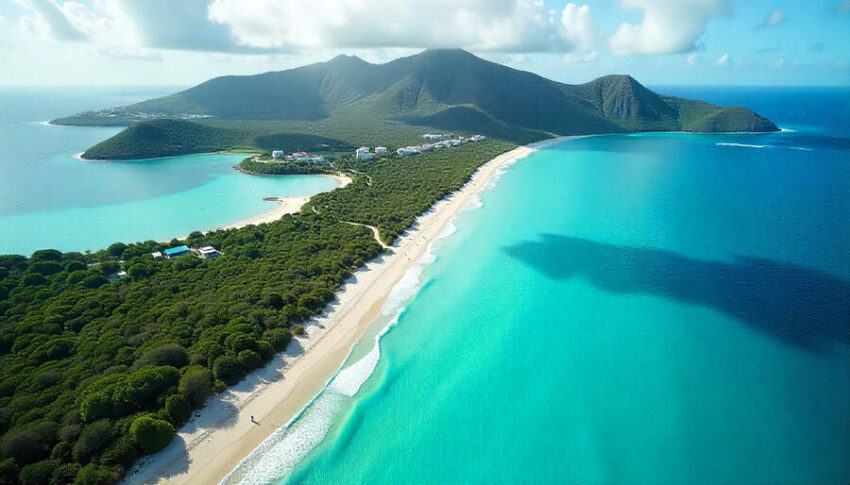
Saint Martin’s Island is poised for a major transformation as a new draft master plan proposes sweeping restrictions on tourism to safeguard the country’s only coral-bearing ecosystem.
Saint Martin’s Island is poised for a major transformation as a new draft master plan proposes sweeping restrictions on tourism to safeguard the country’s only coral-bearing ecosystem. The draft, now open for public review, calls for scaling back daily tourist numbers to 500–900 visitors, a step intended to halt the environmental decline caused by years of unregulated growth and surging visitor traffic.
The plan presents a decisive shift from the island’s current tourism model, where 3,000 to 7,000 visitors arrive each day during the September–April peak months. With a total land area of only 590 hectares, the island has struggled to absorb this influx. Beaches have become overcrowded, natural habitats have been disrupted, and basic services—such as waste disposal and drainage—have been pushed beyond capacity.
To ease this pressure, the proposed plan restricts visitor activity to a 4.1-kilometre stretch of beach marked as a General Use Zone. This will serve as the island’s main tourism corridor, while the remaining zones will be dedicated to conservation, habitat recovery, and limited-use buffer areas. By concentrating tourism within a controlled space, planners aim to minimise ecological disruption and provide a more manageable framework for infrastructure improvements.
The draft emphasises that years of unchecked tourism have intensified environmental stress. Improper waste disposal, limited sewage facilities, mushrooming resorts and restaurants, and disturbances to coral beds and nesting grounds have collectively eroded the island’s ecological balance. On top of this, inadequate transport and energy systems, combined with limited livelihood options, have placed additional pressures on local communities.
To respond to these concerns, the draft master plan outlines a long-term vision that integrates resource protection with improved living standards for residents. It brings together key elements such as spatial planning, management guidelines, development priorities, and institutional responsibilities, forming a holistic blueprint for sustainable management.
The plan identifies nine major sectors that require coordinated intervention to restore ecological and socioeconomic stability:
- Sustainable tourism planning and visitor regulation
- Marine resource and benthic community conservation
- Protection of coral ecosystems and associated biodiversity
- Safeguarding turtle nesting zones
- Restoration and preservation of terrestrial vegetation and wildlife
- Waste reduction, recycling, and responsible waste handling
- Groundwater conservation and monitoring
- Improved internal connectivity and environmentally friendly infrastructure
- Community livelihood diversification and support
Under these sectors, 26 programmes have been proposed, each designed with clear implementation targets. The programmes are distributed across short-term (1–3 years), medium-term (1–5 years), and long-term (1–10 years) phases to ensure steady progress and measurable outcomes.
The projected investment for executing the plan is Tk 547.9 million, allocated according to priority. High-priority programmes account for Tk 194.5 million, followed by top-priority initiatives at Tk 115 million. Medium-priority activities are budgeted at Tk 138.4 million, while Tk 100 million is designated for low-priority actions. The Ministry of Environment, Forest and Climate Change is expected to oversee the largest portion of this investment.
Implementation will rely on both public and private efforts. Public-sector projects—subject to government approval and inclusion in the Annual Development Programme—will focus on conservation, infrastructure, enforcement measures, and environmental monitoring. Private-sector involvement is anticipated in complementary areas such as sustainable tourism operations, coral reef protection, and improved waste solutions. This shared approach is intended to build long-term resilience and distribute responsibility across multiple stakeholders.
The draft aims not only to restore ecological integrity but also to recalibrate how tourism contributes to the local economy. By managing visitor numbers, reducing environmental risks, and expanding community livelihood opportunities beyond tourism, the plan seeks to stabilise economic conditions while protecting the island’s natural assets.
The draft master plan has been published online by the Ministry of Environment, Forest and Climate Change, allowing unrestricted public access. All government entities, local organisations, industry representatives, and members of the public have been encouraged to submit written comments by December 20. This feedback will help refine the final version before it moves to the implementation stage.
If fully adopted, the proposed strategy could redefine how fragile island ecosystems are managed in the country. By placing ecological health at the centre of development planning, the master plan envisions a future in which Saint Martin’s remains a destination for visitors—but only under carefully regulated conditions that ensure its coral reefs, wildlife, and coastal landscapes can endure for generations to come.
The post Saint Martin’s Island Faces Major Tourism Overhaul as New Plan Prioritises Coral Protection, Waste Reduction and Sustainability appeared first on Travel and Tour World














































Comments and Responses
Please login. Only community members can comment.