
















































St. John Follows St. Thomas and St. Croix as Caribbean Winter Escapes Draw Global Travellers
-
Blogs, Culinary, Nature & Wildlife, History & Art, Shopping, Travel
-
-
18 mins
-
Travel and Tour World
-
Sarannya Acharya
-


St. John joins St. Thomas and St. Croix as Caribbean winter escapes attract global travellers with beaches, nature, culture and adventure.
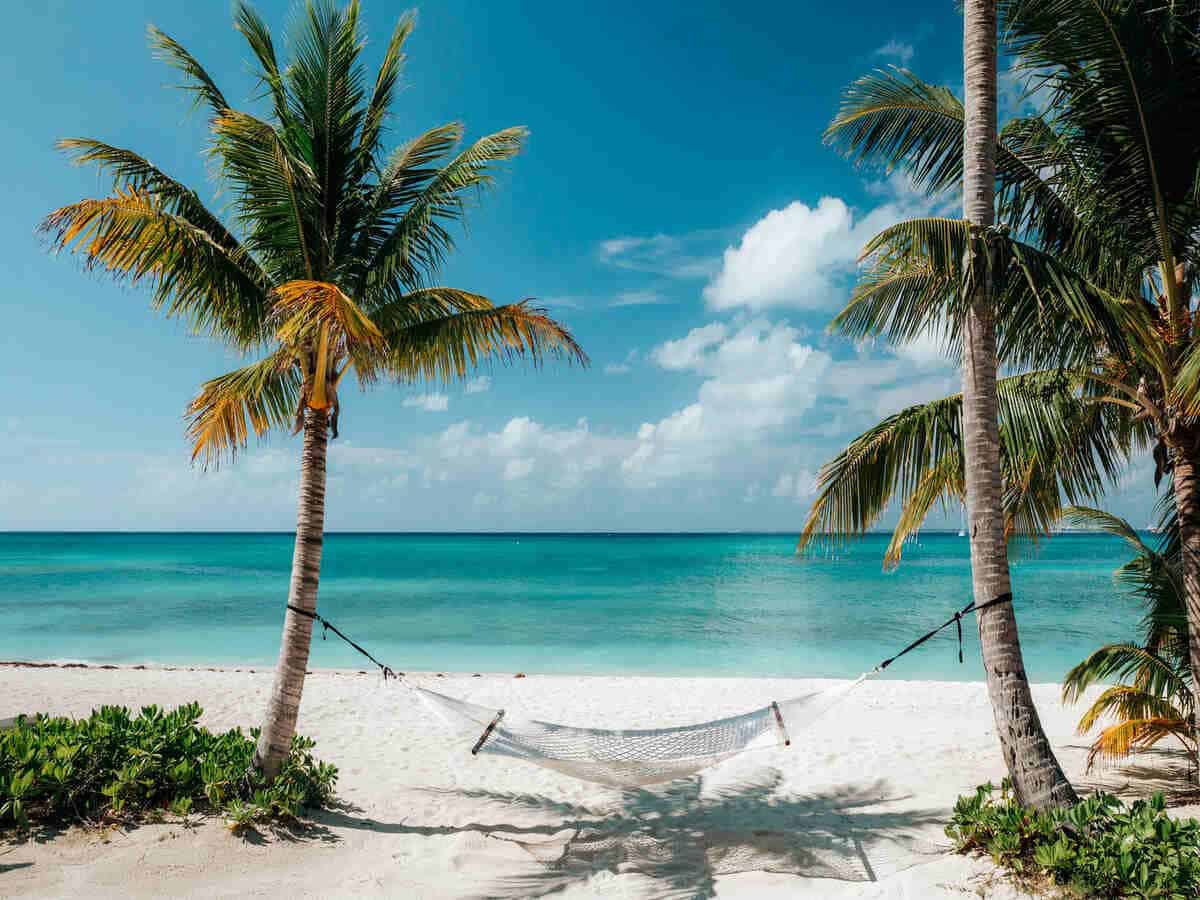
St. John follows St. Thomas and St. Croix as Caribbean winter escapes draw global travellers seeking warm shores, turquoise waters and unforgettable island experiences. St. John, St. Thomas and St. Croix now offer travellers different ways to discover the Caribbean during winter. Moreover, these Caribbean escapes combine beaches, nature, culture, food and outdoor adventures in one tropical journey. Global travellers can explore protected landscapes in St. John, waterfront attractions in St. Thomas and historic experiences across St. Croix. Meanwhile, Travel And Tour World urges readers to explore the complete story for essential travel insights, practical planning details and inspiration for discovering these Caribbean winter escapes.
Caribbean Islands For Winter Travel Guide for U.S. Travellers
For U.S. travellers planning a warm-weather break, Puerto Rico and the three main U.S. Virgin Islands offer four distinct Caribbean experiences without the same international-entry process faced elsewhere in the region.
The four destinations are Puerto Rico, St. Thomas, St. John and St. Croix. They are geographically close but differ considerably in size, landscape, transport, accommodation and travel style.
Puerto Rico is the most diverse option, combining a major capital city, beaches, rainforest, historic districts and smaller offshore islands. St. Thomas is more compact and developed, with strong air and cruise connectivity. St. John is heavily shaped by protected nature, while St. Croix combines beaches with historic towns, marine attractions and a more spread-out island experience.
For winter travellers, climate is another important consideration. National Weather Service records show warm conditions across Puerto Rico and the U.S. Virgin Islands during the winter months. San Juan’s long-term January and February temperature records remain around the upper 70s Fahrenheit, while St. Thomas and St. Croix commonly experience winter temperatures around the mid-to-upper 70s and low 80s Fahrenheit.
Five-Year Tourism Data: What the Numbers Show
The most consistent publicly available Puerto Rico series is airport-arrival data. This should not be confused with unique tourist counts because airport passengers can include residents, returning travellers and other passenger categories.
Puerto Rico recorded 4.84 million arrivals at Luis Muñoz Marín International Airport in 2021. That increased to more than 5.1 million in 2022. In 2023, arrivals reached approximately 6.1 million, followed by more than 6.6 million in 2024 and more than 6.8 million in 2025.
This represents an increase of roughly 41% between 2021 and 2025 based on the reported airport-arrival figures.
| Year | Puerto Rico airport arrivals | Year-on-year context | Important tourism indicator |
|---|---|---|---|
| 2021 | 4.84 million | Recovery year | Lodging revenue reached about $1.3 billion |
| 2022 | 5.1+ million | +6.5% | Tourism spending and employment reached records |
| 2023 | About 6.1 million | Strong continued recovery | Airport traffic continued climbing |
| 2024 | 6.6+ million | +8% | 7.3 million room nights booked |
| 2025 | 6.8+ million | +3% | 8.1 million visitors reported by Discover Puerto Rico |
Puerto Rico’s broader visitor economy also expanded. Discover Puerto Rico reported 7.5 million visitors in 2024 under its broader visitor measurement, with non-resident visitor spending reaching $7.6 billion. Total tourism-related spending reached $11.5 billion and the overall economic impact was estimated at $18 billion.
In 2025, Discover Puerto Rico reported 8.1 million visitors, nearly 7.9 million lodging room nights, approximately $1.99 billion in hotel and short-term-rental revenue, and 102,300 recreation and lodging jobs by November.
Puerto Rico Five-Year Comparison
| Indicator | 2021 | 2022 | 2023 | 2024 | 2025 |
|---|---|---|---|---|---|
| SJU passenger arrivals | 4.84m | 5.1m+ | ~6.1m | 6.6m+ | 6.8m+ |
| Visitor trend | Recovery | Record-setting | Continued expansion | Record year | Record year |
| Lodging revenue | $1.3bn+ | Record | Continued increase | Strong performance | $1.99bn hotel + rental revenue |
| Cruise activity | Recovering | Recovering | Rebounding | 1.4m+ | 1.6m+ |
| Tourism employment | ~80,000 Dec. | Record | Rising | 101,700 by Nov. | 102,300 by Nov. |
The comparison demonstrates why Puerto Rico is particularly suitable for travellers who want variety rather than a single beach resort experience. It also has the largest tourism infrastructure among the four destinations discussed here.
U.S. Virgin Islands Tourism Data: A Different Measurement Picture
The U.S. Virgin Islands publish tourism indicators using several different measures, including air arrivals, cruise passengers, hotel occupancy, tax collections and accommodation revenue.
That means a five-year comparison needs to be read carefully.
In 2021, the U.S. Virgin Islands reported a 96.7% increase in air visitor arrivals compared with the previous year. During the first quarter of 2022, 452,764 visitors arrived, representing a major recovery from the pandemic period.
During winter 2022–23, U.S. visitor arrivals were reported to be 15% higher than the comparable period. By 2024, air connectivity had strengthened substantially, with January-to-August air arrivals projected to be 28% above the same period in 2023.
Cruise traffic also became a major component of the recovery. The USVI reported 1.7 million cruise passengers in 2024, approximately 90,000 more than in 2023. In 2025, nearly 1.83 million cruise passengers arrived.
| Year | Officially reported USVI indicator | Detail |
|---|---|---|
| 2021 | Air visitor arrivals | +96.7% versus 2020 |
| 2022 | Q1 visitors | 452,764 January–March |
| 2023 | Winter U.S. arrivals | +15% versus previous winter |
| 2024 | Cruise passengers | About 1.7 million |
| 2025 | Air passengers | Almost 1 million |
| 2025 | Cruise passengers | Nearly 1.83 million |
The territory also reported hotel occupancy of 75.2% in 2023, while 2025 accommodation performance remained strong. Hotel occupancy was reported 4.3% higher during the 2025 mid-year period, and short-term-rental revenue was tracking nearly 11% higher for the fiscal year.
This data makes the USVI particularly relevant to travellers who value direct air access, beaches and the ability to combine several islands during one holiday.
The Four Passport-Free Caribbean Islands Compared
| Destination | Best suited to | Winter climate indicator | Main attractions | Transport style | Ideal trip |
|---|---|---|---|---|---|
| Puerto Rico | First-time Caribbean visitors, families, culture seekers | San Juan winter temperatures generally around the upper 70s°F | Old San Juan, El Yunque, beaches, Vieques, Culebra | Car, taxi, flights, ferry | 5–10 days |
| St. Thomas | Beach, shopping, sailing, nightlife | Winter average around 77°F | Magens Bay, Charlotte Amalie, Water Island | Car, taxi, ferry | 4–7 days |
| St. John | Nature, hiking, snorkelling | Warm tropical winter conditions | Trunk Bay, Maho Bay, Virgin Islands National Park | Ferry, taxi, rental vehicle | 4–6 days |
| St. Croix | History, food, marine adventures | Winter lows rarely below 73°F at Buck Island | Christiansted, Buck Island, Point Udall, Frederiksted | Car, taxi, boat | 4–7 days |
1. Puerto Rico: Best for a Multi-Experience Winter Holiday
Puerto Rico is the most flexible choice for travellers who do not want their Caribbean holiday to revolve entirely around a resort beach. San Juan can provide a cultural starting point, with Old San Juan offering colonial architecture, historic fortifications, restaurants, shopping and nightlife. The Puerto Rico government tourism portal also highlights a broad accommodation range, from historic hotels and luxury resorts to small inns and nature-based stays. Travellers should set aside at least one full day for Old San Juan before moving into nature. El Yunque National Forest offers a dramatically different landscape, while Vieques and Culebra provide smaller-island experiences. Discover Puerto Rico identifies Culebra’s Flamenco Beach and Vieques’ Mosquito Bay among the major attractions of the offshore islands. Food should be part of the itinerary rather than an afterthought. Visitors can look for mofongo, arroz con gandules, lechón, pasteles, seafood and locally produced coffee. For accommodation, Old San Juan works well for history and walkability, Condado for a combination of beaches, restaurants and urban convenience, and Isla Verde for travellers prioritising proximity to the airport and beach access. San Juan is only around 15 minutes from Luis Muñoz Marín International Airport, according to Discover Puerto Rico. Travellers wanting a quieter extension can stay in Culebra in a small inn, guesthouse or vacation rental around Ensenada Honda. A seven-day plan could begin with two nights in San Juan, followed by El Yunque, then two nights in Vieques or Culebra and a final beach-focused stay. Puerto Rico’s scale also makes a longer trip practical. Discover Puerto Rico says the island has more than 100 daily flights from major airlines and multiple airports, while car rental is widely available.
Puerto Rico: What to Do
- Explore Old San Juan’s historic streets and fortifications.
- Visit El Yunque National Forest.
- Spend a beach day in Isla Verde or Condado.
- Take a ferry or flight to Vieques.
- Visit Mosquito Bay after dark.
- Explore Culebra and Flamenco Beach.
- Discover Puerto Rican food and local coffee.
- Add a west-coast stop such as Rincón for beaches and a slower pace.
Puerto Rico: Where to Stay
| Travel style | Recommended area |
|---|---|
| Historic city break | Old San Juan |
| Beach plus nightlife | Condado |
| Airport convenience | Isla Verde |
| Nature retreat | El Yunque region |
| Small-island escape | Vieques or Culebra |
| Surf-focused holiday | Rincón |
2. St. Thomas: Best for Beaches, Sailing and Easy Island-Hopping
St. Thomas works particularly well for travellers who want a compact Caribbean holiday with strong infrastructure and easy access to surrounding islands. The island covers about 32 square miles, according to the official U.S. Virgin Islands tourism authority, yet it combines beaches, historic sites, shopping, restaurants and outdoor activities. Winter temperatures average around 77°F, making the season attractive for travellers escaping colder conditions. Magens Bay is one of the island’s signature beaches, while Charlotte Amalie provides the strongest combination of history, shopping and dining. Visitors can explore Fort Christian, the historic streets and harbour viewpoints before moving towards the beaches. The island also provides access to St. John by ferry, making it possible to create a two-island itinerary without changing the main international travel arrangements. Travellers should remember that vehicles drive on the left in the U.S. Virgin Islands. This can be surprising for visitors from mainland U.S. states. Food is another reason to explore beyond the resort. Official tourism information highlights dishes such as fish and fungi, kallaloo stew, rice and whelks, pates and dumb bread. Charlotte Amalie is convenient for travellers who want restaurants and historic attractions nearby. Red Hook is useful for visitors planning ferry trips to St. John and wanting access to restaurants and waterfront activity. Resort areas around Frenchman’s Reef and the eastern side of the island suit travellers prioritising full-service accommodation. The island’s official tourism itinerary recommends combining Charlotte Amalie, Drake’s Seat, Magens Bay, sailing, Red Hook and nearby Water Island into a longer stay. A five-day winter plan can therefore combine two days of sightseeing and beaches, one sailing day, one St. John excursion and one flexible day for shopping or additional beaches.
St. Thomas: What to Do
- Walk through Charlotte Amalie.
- Visit Fort Christian.
- See the harbour from Drake’s Seat.
- Swim at Magens Bay.
- Explore Sapphire Beach.
- Take a ferry to St. John.
- Sail around the surrounding islands.
- Add Water Island for a quieter day.
St. Thomas: Where to Stay
| Area | Suitable for |
|---|---|
| Charlotte Amalie | History, shopping and dining |
| Red Hook | Ferries, restaurants and sailing |
| Frenchman’s Reef area | Resort holidays |
| East End | Beaches and water activities |
| North Side | Quieter scenery |
3. St. John: Best for National Park Adventures and Snorkelling
St. John is the nature-led choice among the four destinations. The National Park Service says Virgin Islands National Park contains 7,259 terrestrial acres and 5,650 submerged acres. Two-thirds of St. John is part of the national park system, creating an unusually strong connection between tourism and protected landscapes. The island has no airport, so visitors normally arrive by ferry, water taxi or private boat. That extra transfer makes St. John feel different from St. Thomas and Puerto Rico. Trunk Bay is the best-known beach and features an underwater snorkelling trail. Maho Bay is particularly interesting for travellers hoping to see green sea turtles in seagrass habitat. Cinnamon Bay combines a long beach with access to historic ruins, while Salt Pond Bay offers another option for snorkelling and hiking. The island also rewards visitors who move beyond the coastline. The National Park Service identifies more than 20 hiking trails, ranging from short walks to demanding routes. The Reef Bay Trail is a strenuous option leading towards historic plantation remains and Taino petroglyphs. For food, Cruz Bay is the easiest base, with restaurants ranging from casual Caribbean eateries to waterfront dining. The official USVI tourism authority highlights fresh seafood, Caribbean dishes, tacos and locally influenced cuisine across St. John. Accommodation is concentrated around Cruz Bay and Coral Bay, with resorts, small hotels, villas, guesthouses and vacation rentals available. Travellers should reserve accommodation and vehicle transport early during winter because the island’s smaller inventory can make last-minute planning more difficult. A four-night plan can include Trunk Bay, Maho Bay, a national-park hike and one boat or kayak excursion.
St. John: What to Do
- Snorkel the Trunk Bay underwater trail.
- Look for turtles around Maho Bay.
- Hike through Virgin Islands National Park.
- Visit Annaberg plantation ruins.
- Explore Cinnamon Bay.
- Walk the Reef Bay Trail if properly prepared.
- Kayak or sail around protected waters.
- Spend an evening in Cruz Bay.
St. John: Where to Stay
| Area | Suitable for |
|---|---|
| Cruz Bay | First-time visitors and dining |
| Coral Bay | Quieter stays and nature |
| North Shore | Beach-focused trips |
| Near Cinnamon Bay | Outdoor travellers |
| Villa areas | Families and groups |
4. St. Croix: Best for History, Food and Marine Exploration
St. Croix offers a different rhythm from St. Thomas and St. John. It is the largest of the U.S. Virgin Islands and provides enough space for travellers to build a varied road-trip-style holiday. Christiansted is the main cultural base, with historic buildings, waterfront dining and streets that reflect the island’s Danish colonial heritage. Frederiksted provides another historic centre and access to western beaches. Official U.S. Virgin Islands tourism information highlights Christiansted’s cobblestone streets, historic architecture and artisan shops, while Frederiksted is associated with Fort Frederiksted and the island’s maritime history. One of St. Croix’s major experiences is a boat trip to Buck Island Reef National Monument. The National Park Service says the protected area contains coral gardens, beaches and a significant marine ecosystem. It is accessible only by vessel, and authorised concessionaires operate trips from Christiansted and Green Cay Marina. Buck Island provides opportunities for snorkelling, swimming, hiking and wildlife observation. The National Park Service also notes that two-thirds of Buck Island is surrounded by an elkhorn coral barrier reef. Travellers should not remove shells, coral or other natural materials because collection is prohibited inside the monument. St. Croix’s food scene is another major attraction. Visitors can look for fresh fish, lobster, conch, goat, plantains, rice and beans, rum-based flavours and locally influenced Caribbean dishes. The official tourism authority highlights waterfront and beachside restaurants across Christiansted, Frederiksted and Cane Bay. For accommodation, Christiansted suits visitors who want restaurants and history close by, while the west coast works for beach-oriented trips. The eastern side can suit travellers wanting a quieter stay near Point Udall. A five-day itinerary can combine Christiansted, Frederiksted, Buck Island, Cane Bay and Point Udall without rushing the island.
St. Croix: What to Do
- Explore Christiansted’s historic district.
- Visit Fort Christiansvaern.
- Explore Frederiksted and Fort Frederik.
- Take a boat to Buck Island.
- Snorkel the underwater trail.
- Visit Cane Bay.
- Drive towards Point Udall.
- Explore local food and rum culture.
St. Croix: Where to Stay
| Area | Suitable for |
|---|---|
| Christiansted | History, dining and first-time visits |
| Frederiksted | Beaches and historic atmosphere |
| Cane Bay | Snorkelling and water activities |
| East End | Quiet coastal stays |
| Near Point Udall | Seclusion and scenery |
Winter Weather Comparison
Winter is generally the period when travellers from colder parts of the United States can make the most of these destinations.
National Weather Service climate records show San Juan’s January average-temperature records clustering around 80°F for the hottest years and roughly 73–74°F for the coolest recorded averages. St. Thomas January records range around 79–81°F for the warmest listed years, while St. Croix shows similar winter warmth.
| Destination | January climate evidence | February climate evidence | Traveller takeaway |
|---|---|---|---|
| San Juan | Long-term records show warm tropical conditions | Around upper-70s°F records | City and beach combination |
| St. Thomas | Average winter temperature around 77°F | Warm tropical conditions | Beach and sailing |
| St. John | Warm tropical conditions | Warm tropical conditions | Hiking and snorkelling |
| St. Croix | Winter lows at Buck Island rarely below 73°F | Warm conditions | Marine and cultural travel |
The National Park Service specifically notes that Buck Island’s winter low temperatures rarely fall below 73°F.
Winter Travel Planning: December to March
| Period | Recommended travel focus | Planning consideration |
|---|---|---|
| December | Christmas and festive travel | Reserve accommodation early |
| January | Beach and outdoor activities | Strong winter demand |
| February | Hiking, beaches and sailing | Generally excellent outdoor conditions |
| March | Beaches and island-hopping | Popular spring travel period |
The Atlantic hurricane season officially runs from June 1 to November 30, although travellers should always monitor current weather information before departure.
Seven-Day Passport-Free Caribbean Travel Plan
A traveller choosing only one destination can use the following itinerary structure.
| Day | Puerto Rico | St. Thomas | St. John | St. Croix |
|---|---|---|---|---|
| Day 1 | San Juan | Charlotte Amalie | Cruz Bay | Christiansted |
| Day 2 | Old San Juan | Magens Bay | Trunk Bay | Historic Christiansted |
| Day 3 | El Yunque | Sailing | National Park hike | Buck Island |
| Day 4 | Beach day | Red Hook | Maho Bay | Frederiksted |
| Day 5 | Vieques/Culebra | St. John excursion | Coral Bay | Cane Bay |
| Day 6 | Local food and culture | Water Island | Boat/kayak day | Point Udall |
| Day 7 | Final beach day | Charlotte Amalie | Cruz Bay | Final beach and departure |
Ten-Day Multi-Island Winter Itinerary
Travellers with more time can combine Puerto Rico and the U.S. Virgin Islands.
Days 1–3: San Juan, Puerto Rico
Use the first three days for Old San Juan, Condado, local cuisine and an excursion into the rainforest.
Day 4: El Yunque
Spend the day exploring rainforest trails and return to the San Juan area for the evening.
Days 5–6: St. Thomas
Fly from Puerto Rico to St. Thomas and use the island as a base for beaches, historic sightseeing and sailing.
Days 7–8: St. John
Take the ferry from St. Thomas to St. John. Focus on Trunk Bay, Maho Bay, Virgin Islands National Park and Cruz Bay.
Days 9–10: St. Croix
Fly onward where practical and finish with Christiansted, Buck Island and a relaxed coastal day.
This route gives travellers four different experiences without attempting to treat the islands as interchangeable.
Food Guide for a Caribbean Winter Escape
| Destination | Foods and flavours to seek |
|---|---|
| Puerto Rico | Mofongo, lechón, arroz con gandules, pasteles, seafood, local coffee |
| St. Thomas | Fish and fungi, kallaloo, pates, rice and whelks, seafood |
| St. John | Fresh seafood, Caribbean dishes, tacos, grilled fish, island-inspired cuisine |
| St. Croix | Fresh catch, lobster, conch, plantains, rice and beans, Caribbean fusion |
Puerto Rico’s official tourism information describes its cuisine as influenced by Spanish, African and Taíno traditions, while the USVI tourism authority highlights seafood and traditional Caribbean dishes across the Virgin Islands.
For travellers wanting to explore rather than remain inside a resort, food markets, waterfront restaurants and locally focused eateries can become part of the daily itinerary.
Accommodation Strategy: Where Travellers Should Base Themselves
Accommodation choice can dramatically change the holiday experience.
In Puerto Rico, Old San Juan is the strongest option for travellers who prioritise history and walking. Condado suits visitors who want beaches, restaurants and an urban atmosphere. Isla Verde works well for airport convenience and beach access. The Puerto Rico Tourism Company lists a wide range of endorsed accommodation types, including hotels, guesthouses and resorts.
On St. Thomas, Charlotte Amalie is convenient for history and shopping, while Red Hook works well for travellers planning ferry trips to St. John.
On St. John, Cruz Bay provides the greatest concentration of accommodation and restaurants. Coral Bay offers a quieter alternative.
On St. Croix, Christiansted provides the strongest combination of history and dining, while Frederiksted and the island’s coastal areas suit beach-focused visitors.
Detailed Travel Data at a Glance
| Metric | Puerto Rico | St. Thomas | St. John | St. Croix |
|---|---|---|---|---|
| Passport-free for U.S. citizens from mainland U.S. | Yes | Yes | Yes | Yes |
| Main airport | SJU | STT | No airport | STX |
| Winter focus | Culture + beach + nature | Beach + sailing | National park + snorkelling | History + marine travel |
| National park presence | El Yunque nearby | Limited on island | Major part of island | Buck Island offshore |
| Major historic centre | Old San Juan | Charlotte Amalie | Annaberg/plantation sites | Christiansted |
| Signature beach | Flamenco/Isla Verde/Condado | Magens Bay | Trunk Bay | Cane Bay |
| Major marine experience | Vieques/Culebra | Sailing | Coral reefs | Buck Island |
| Best trip length | 5–10 days | 4–7 days | 4–6 days | 4–7 days |
| Main transport | Car/taxi/ferry/air | Car/taxi/ferry | Ferry/taxi/car | Car/taxi/boat |
| Winter temperature character | Tropical | Around 77°F average winter | Tropical | Tropical |
Important Passport and Identification Rules
The term “passport-free” needs careful interpretation.
U.S. citizens travelling from the mainland to Puerto Rico or the U.S. Virgin Islands generally do not need a passport. The U.S. Virgin Islands tourism authority confirms that U.S. citizens travelling from the U.S. mainland or Puerto Rico do not require passports.
However, travellers should still carry acceptable identification.
The Transportation Security Administration requires passengers aged 18 and over to present a REAL ID-compliant identification document or another acceptable form of identification at airport security checkpoints.
The rules are different for non-U.S. citizens.
A traveller from India, Europe, Canada, Latin America or another international market should not assume that the passport-free arrangement applies to them simply because the destination is a U.S. territory. The U.S. Virgin Islands states that non-U.S. citizens are subject to U.S. entry requirements.
Which Island Fits Which Winter Traveller?
| Traveller profile | Most suitable destination to investigate | Why |
|---|---|---|
| First Caribbean trip | Puerto Rico | Broadest combination of experiences |
| Beach holiday | St. Thomas | Strong beach infrastructure and accessibility |
| Hiking and nature | St. John | Extensive national park landscape |
| Snorkelling | St. John / St. Croix | Protected reefs and marine areas |
| History and culture | Puerto Rico / St. Croix | Historic cities and heritage sites |
| Food-focused trip | Puerto Rico / St. Croix | Broad local culinary traditions |
| Island-hopping | St. Thomas | Strong ferry connections to nearby islands |
| Longer holiday | Puerto Rico | Greater geographic and activity variety |
| Quiet escape | St. John / eastern St. Croix | Lower-density travel experiences |
| Family holiday | Puerto Rico / St. Thomas | Wider accommodation and activity choices |
Final Traveller Takeaway
The four destinations should not be treated as identical versions of the same Caribbean holiday.
Puerto Rico is the broadest option for travellers who want cities, history, rainforest, beaches and smaller offshore islands in one trip. Its tourism numbers also demonstrate a substantial recovery and continued expansion, with SJU arrivals increasing from 4.84 million in 2021 to more than 6.8 million in 2025.
St. Thomas is more compact and convenient for travellers who want beaches, sailing, shopping and access to neighbouring islands. Its winter climate averages around 77°F, while the territory continues to maintain substantial air and cruise connectivity.
St. John is the choice for travellers who want protected nature to become the centrepiece of the trip. More than 40% of Virgin Islands National Park is underwater, while the island offers beaches, coral reefs, seagrass habitats, hiking routes and historic sites.
St. Croix provides a broader road-trip experience, combining historic towns, food, beaches and marine adventures. Buck Island adds a protected underwater experience, with the National Park Service protecting coral gardens, beaches and marine habitats.
For U.S. travellers planning a winter escape, the biggest advantage is therefore not simply the absence of a passport requirement. It is the ability to reach distinctly Caribbean landscapes while retaining a familiar U.S. travel framework.
The practical choice depends on the experience travellers want to build: culture and variety in Puerto Rico, beaches and connectivity in St. Thomas, protected nature in St. John, or history and marine exploration in St. Croix.
Conclusion
St. John follows St. Thomas and St. Croix as Caribbean winter escapes continue attracting global travellers with warm weather, beaches and memorable experiences. Each island offers a distinct way to enjoy the Caribbean, from St. John’s protected natural landscapes to St. Thomas’s coastal attractions and St. Croix’s historic charm. Together, these Caribbean destinations give winter travellers plenty of choices for beaches, food, culture, nature and adventure. However, travellers should check identification requirements, transportation options and seasonal weather conditions before departure. For more destination inspiration, practical travel guidance and the latest tourism stories, Travel And Tour World invites readers to explore the complete coverage.
The post St. John Follows St. Thomas and St. Croix as Caribbean Winter Escapes Draw Global Travellers appeared first on Travel and Tour World























































Comments and Responses
Please login. Only community members can comment.