













ROME TRAVEL GUIDE: Best Things to Do, Where to Stay, Food & Tips
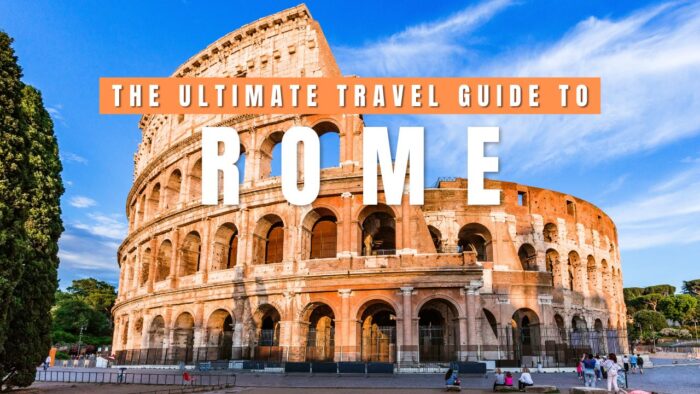
Rome Travel Guide
-
Travel, Blogs, Culinary, History & Art, Religion, Shopping
-
-
31 mins
-
Out of Town Blog
-
Team Out of Town
-


Rome, the Eternal City: A Complete Travel Guide to History, Food, and Local Life Rome isn’t just a city—it’s more like a living, breathing time machine where ancient ruins, buzzing piazzas, and espresso bars all exist side by side. One minute you’re standing in front of something that’s been around for over 2,000 years, and […]
ROME TRAVEL GUIDE: Best Things to Do, Where to Stay, Food & Tips
Rome, the Eternal City: A Complete Travel Guide to History, Food, and Local Life
Rome isn’t just a city—it’s more like a living, breathing time machine where ancient ruins, buzzing piazzas, and espresso bars all exist side by side. One minute you’re standing in front of something that’s been around for over 2,000 years, and the next you’re squeezing into a tiny café for a cappuccino that somehow tastes better than any you’ve ever had. Every street feels like it has a story, every corner hides a surprise, and even getting lost somehow feels like part of the experience.
Rome Travel Guide
What makes Rome so special isn’t just the famous landmarks (though, yes, the Colosseum really is that cool). It’s the little moments—watching locals chat animatedly over lunch, stumbling upon a quiet courtyard, or sitting on the steps of a random church, eating gelato, and people-watching. Rome has a way of slowing you down, inviting you to soak everything in, and reminding you that travel isn’t about rushing from one sight to the next—it’s about feeling the place.
Whether you’re here for the history, the food, the art, or just the vibe, this guide will help you explore Rome without feeling overwhelmed. From must-see spots to hidden gems, and from what to eat to how to avoid tourist traps, consider this your go-to companion for experiencing the Eternal City like more than just a visitor.
1. Destination Overview
Rome, often called the Eternal City, is a place where over 2,500 years of history blend seamlessly with modern life. Once the heart of the mighty Roman Empire, it shaped politics, architecture, and culture across much of the Western world. Today, its ancient ruins, Renaissance art, and baroque piazzas still tell those stories—just with better coffee and Wi-Fi.
Visiting Rome now means experiencing a city that honors its past while embracing a vibrant present, from buzzing food scenes to lively neighborhoods. With renewed cultural energy, improved travel access, and endless discoveries around every corner, Rome feels more alive than ever—making this the perfect moment to explore it.
What Makes Rome Special
- One of the world’s most historically dense cities
- Home to iconic landmarks like the Colosseum, Vatican, and Pantheon
- A food capital with fiercely traditional cuisine
- Neighborhood-based culture with strong local identity
Best Time to Visit
The best time to visit Rome really depends on what kind of trip you want—but overall, spring (April–May) and fall (September–October) are the sweet spots.
Spring brings mild weather, blooming gardens, and long, sunny days that are perfect for walking. It’s lively without being overwhelming, and outdoor cafés start buzzing again.
Fall is just as great—warm days, cooler evenings, and fewer crowds than summer. It’s ideal for sightseeing without the intense heat, and food lovers will appreciate seasonal dishes and wine harvests.
Summer (June–August) is the peak tourist season. It’s hot, crowded, and more expensive, but if you love long nights, festivals, and energetic vibes, it can still be fun.
Winter (November–February) is quieter and more affordable. While it’s cooler and sometimes rainy, you’ll get shorter lines, cozy cafés, and a more local feel.
Pro Tip: Late October is a sweet spot—pleasant weather, fewer tour groups, and seasonal dishes like porcini mushrooms and truffles.
Travel Difficulty & Duration
- Difficulty: Moderate (crowds, walking, navigation)
- Recommended Stay:
- Minimum: 4 days
- Ideal: 6–7 days
2. Essential Travel Information
Visa & Entry Requirements
- Filipino passport holders:
- Schengen Visa required
- Apply through the Italian Embassy or VFS
- Up to 90 days within 180 days
- Visa-free (90 days): US, Canada, UK, Australia, Japan
Currency & Budget (USD)
- Currency: Euro (€)
Daily Budget Estimates:
- Budget: $70–100
- Mid-range: $150–220
- Luxury: $300+
Typical Costs:
- Coffee at bar: $1.50–2
- Pasta dish: $12–18
- Colosseum ticket: ~$20
- Vatican Museums: ~$22
Language & Communication
- Language: Italian
- English is spoken in tourist areas, but is limited in neighborhoods
Useful Phrases:
- Buongiorno – Good morning
- Per favore / Grazie – Please / Thank you
- Il conto, per favore – The bill
- Parla inglese? – Do you speak English?
Transportation
Getting There:
Getting to Rome is pretty straightforward, no matter where you’re coming from. Here are the main ways:
By Air
Most international travelers fly into Leonardo da Vinci International Airport (Fiumicino – FCO), Rome’s main airport. It’s about 30 minutes from the city center by train, taxi, or shuttle. Some budget airlines also land at Ciampino Airport (CIA), which is smaller and closer to the city.
From Fiumicino, you can take:
- The Leonardo Express train (fastest and easiest)
- Regional trains
- Airport shuttles
- Taxis or rideshares
By Train
If you’re already in Europe, trains are a great option. Rome is well connected to cities like Florence, Milan, Venice, Naples, and more. High-speed trains arrive at Roma Termini, the main station, right in the city.
By Car
You can drive to Rome, but note that the city center has limited traffic zones (ZTLs) where non-residents are not permitted to enter. Parking can also be tricky, so this is usually better for travelers exploring the countryside first.
By Bus
Long-distance buses from other European cities are often cheaper, though slower. They usually arrive at stations near Termini.
Getting Around:
Getting around Rome is part of the adventure—sometimes chaotic, sometimes charming, but always memorable. Here’s how to navigate it like a pro:
Walking
Rome is incredibly walkable, especially in the historic center. Many major sights are close together, and wandering is half the fun. Just wear comfortable shoes—cobblestones are no joke.
Metro
Rome’s metro is simple with three main lines (A, B, and C). It’s fast and useful for longer distances, but it doesn’t reach every historic area due to ancient ruins underground.
Trams & Buses
Buses and trams cover areas the metro doesn’t. They’re cheap and frequent, but can be crowded and sometimes late. Great for budget travelers.
Taxis & Rideshares
Official taxis are white with a taxi sign on top. Uber works, but it’s more limited and expensive than in many cities.
Scooters & Bikes
Electric scooters and bikes are everywhere and fun for short distances—just be careful on busy streets.
Trains
For day trips (like Florence, Naples, or Tivoli), trains are super easy and fast.
Local Secret: Romans walk everywhere—plan accommodations centrally.
3. Top Attractions & Experiences
Must-See Landmarks

Ancient Colosseum in Rome, Italy
Colosseum
The Colosseum is Rome’s most iconic landmark, located in the heart of the city near the Roman Forum and Palatine Hill. This massive ancient amphitheater once hosted gladiator battles, public spectacles, and dramatic performances, offering a fascinating glimpse into Roman life. Today, visitors can explore its underground chambers, walk through the arena floor, and enjoy panoramic views from the upper levels.
Entry fees typically range from $18 to $25 USD and often include access to nearby ruins. What makes the Colosseum a must-visit is its powerful history, monumental scale, and the emotional experience of standing inside one of the greatest architectural achievements of the ancient world.

Roman Forum
Roman Forum
The Roman Forum is located in the heart of Rome, between the Colosseum and Palatine Hill, and was once the political, religious, and social center of ancient Roman life. Visitors can wander through the ruins of temples, basilicas, and triumphal arches, explore pathways once walked by emperors, and enjoy panoramic views from nearby Palatine Hill.
Entry is included with the combined Colosseum–Forum–Palatine ticket, typically priced at $18–20 USD. What makes the Roman Forum a must-visit is its unmatched historical significance—it offers a powerful, immersive glimpse into daily life in ancient Rome.

Ceiling of the Sistine Chapel
Sistine Chapel
The Sistine Chapel is located inside Vatican City, within the Vatican Museums, just northwest of Rome’s historic center. Famous for its breathtaking Renaissance frescoes, it is best known for Michelangelo’s ceiling and The Last Judgment, masterpieces that draw millions of visitors each year.
While there, travelers can admire intricate biblical scenes, learn about papal history, and experience one of the world’s greatest artistic achievements. Entry is included with a Vatican Museums ticket, typically $20–25 USD, with student discounts. Its unmatched artistic importance, spiritual atmosphere, and historical significance make it an absolute must-visit in Rome.

Pantheon
Pantheon
The Pantheon is located in the heart of Rome’s historic center, just a short walk from Piazza Navona and Campo de’ Fiori, making it easy to include in any sightseeing route. Originally built as a Roman temple and later converted into a church, it is famous for its massive concrete dome and central oculus, which opens directly to the sky.
Visitors can admire its perfect proportions, marble interiors, and the tombs of notable figures like Raphael. A small entrance fee may apply on certain days, but its architectural brilliance, remarkable preservation, and 2,000-year history make it an unmissable symbol of ancient Roman genius.

Trevi Fountain
Trevi Fountain
The Trevi Fountain (Fontana di Trevi) is one of Rome’s most iconic landmarks, located in the historic city center near the Pantheon and Piazza di Spagna. This magnificent Baroque masterpiece features the sea god Oceanus framed by dramatic sculptures and cascading water.
Visitors traditionally toss a coin over their right shoulder to ensure a return to Rome, making it a fun and meaningful ritual. There is no entrance fee, and the fountain is accessible 24/7. Its grandeur, romantic atmosphere, and rich legend make it an unmissable stop for first-time visitors and photographers alike.
Hidden Gems & Local Favorites

The fairy Villa on Piazza Mincio in the Quartiere Coppede
Quartiere Coppedè
The Quartiere Coppedè is a whimsical architectural quarter in northeastern Rome’s Trieste district, celebrated for its fantastical blend of Art Nouveau, Baroque, Medieval, and Ancient Greek styles. Centered around Piazza Mincio, this hidden gem feels like a storybook village with ornate arches, mosaics, lanterns, and mythical motifs.
Wander its enchanting streets to admire landmarks like the Fontana delle Rane and the Villino delle Fate. There’s no entrance fee—just bring your camera and curiosity. Its fairy-tale charm, unique design, and peaceful ambiance make Quartiere Coppedè a must-visit for architecture lovers and travelers seeking an off-the-beaten-path slice of Rome’s creative spirit.

Courtyard of the Basilica of San Clemente al Laterano in Rome, Italy.
Basilica di San Clemente
The Basilica di San Clemente sits near the Colosseum in Rome’s historic center, a captivating layered church where history literally goes underground. Visitors begin at the beautiful 12th-century basilica, admiring its intricate mosaics and serene atmosphere, then descend through earlier church levels into an ancient Roman house and a 1st-century pagan temple below.
Exploring these archaeological layers offers a unique glimpse into Rome’s evolving religious and civic life across millennia. A small entry fee applies (variable by age and ticket type), but its blend of art, architecture, and hidden history makes San Clemente a must-visit for those seeking Rome’s deeper stories beyond the surface.

Aventine Keyhole By Espegro – Own work, CC BY-SA 4.0
Aventine Keyhole
The Aventine Keyhole is a whimsical hidden gem on Via di Santa Sabina in Rome’s peaceful Aventine Hill district. Peering through the ornate keyhole of the Priory of the Knights of Malta reveals a perfectly framed view of St. Peter’s Basilica through a tree-lined garden pathway—a moment of delightful symmetry and surprise.
Aventine Hill itself offers serene strolls through Giardino degli Aranci (Orange Garden), panoramic views of the city, and the historic Basilica of Santa Sabina. There’s no fee to look through the keyhole or explore the public gardens, making it a free yet unforgettable experience. Its blend of secrecy, beauty, and Rome’s layered history makes it a must-visit.
Unique Roman Experiences
- Pasta-making class in Trastevere (~$70–100)
- Evening food tour (~$80)
- Sunday flea market at Porta Portese
Photography Hotspots
- Capitoline Hill at sunset
- Trastevere alleys at blue hour
- St. Peter’s Dome view from Via Piccolomini
Pro Tip: Early mornings (before 8am) are magical—and quiet.
For more activities and attractions to explore in Rome, read our Top 15 Best Things to do in Rome.
4. Accommodation Recommendations
Budget ($50–100/night)

Hotel Santa Maria in Rome
Hotel Santa Maria (Trastevere)
Hotel Santa Maria (Rome) is a charming, highly rated boutique hotel nestled in the heart of Trastevere, one of Rome’s most beloved neighborhoods known for its winding cobblestone streets, vibrant nightlife, and authentic Roman atmosphere. Just steps from Piazza di Santa Maria and its stunning basilica, the hotel places you within easy walking distance of key attractions such as Villa Farnesina, Porta Portese Market, the Tiber River, and a short tram ride from historic sites like Piazza Navona and the Pantheon.
Renowned for its warm, personalized service and tranquil ambiance, Hotel Santa Maria is located in a converted convent, surrounded by a lush, peaceful garden—an oasis amid Rome’s energetic streets. Guest rooms are individually styled with classic décor, modern comforts, and many overlook the garden. Facilities include complimentary breakfast in the garden, free Wi-Fi, and attentive concierge assistance. Travelers consistently praise its location, exceptional staff, and serene setting, making it one of Rome’s most beloved and highly rated stays for couples and culture seekers alike.
Mid-Range ($100–250/night)

Hotel Artemide in Rome
Hotel Artemide (Via Nazionale)
Hotel Artemide is an elegant 4-star boutique hotel located on Via Nazionale, one of Rome’s most vibrant boulevards, placing guests within easy walking distance of the Trevi Fountain, the Spanish Steps, the Roman Forum, and Piazza Barberini. Housed in a beautifully restored 19th-century building, it is centrally located and a perfect base for first-time visitors who want to explore the Eternal City on foot.
Guests praise its modern, spacious rooms with plush beds, soundproofing, and thoughtful touches like minibars and rainfall showers. The hotel features a rooftop terrace restaurant and bar with panoramic city views, a well-equipped fitness center, an inviting lobby lounge, and exceptional 24/7 concierge service that offers insider tips and seamless reservations. Daily breakfast is highly rated for its variety and quality.
Travelers consistently rate Hotel Artemide highly for its prime location, attentive staff, stylish design, and excellent value—making it one of Rome’s most recommended stays for comfort, convenience, and memorable service.
Luxury ($250+/night)

Hotel de Russie in Rome
Hotel de Russie
Hotel de Russie is an iconic 5-star luxury hotel perfectly situated between the Spanish Steps and Piazza del Popolo, making it a prime base for exploring Rome’s historic center on foot. Just minutes from Via del Corso, the Trevi Fountain, and the elegant streets of Tridente, guests enjoy effortless access to top attractions, shopping, and Roman cafés.
Known for its serene secret garden, the hotel offers an oasis of calm amid the bustling city. Elegant rooms and suites blend contemporary design with classic Roman charm, many featuring balconies or garden views. Facilities include a well-equipped fitness center, a relaxing spa, and stylish lounges. The renowned Le Jardin de Russie restaurant and bar serve refined Italian and Mediterranean cuisine in beautiful indoor and outdoor settings.
Guests consistently praise the hotel for its exceptional service, attention to detail, and tranquil ambiance—qualities that contribute to its high ratings among luxury travelers seeking sophistication, comfort, and a central location in Rome.
For more accommodation options in Rome, read our List of Hotels in Rome with the highest traveler ratings.
Alternative Stays
- Hostel Trastevere – Clean, social, $30–50
- Airbnb in Monti – Local vibe, stylish apartments
- Relais guesthouses – Boutique Roman homes
5. Food & Dining Guide
Must-Try Roman Dishes

Cacio e Pepe
Cacio e Pepe
This deceptively simple pasta—just pecorino cheese, black pepper, and pasta water—is a test of true Roman skill. Creamy without cream, bold yet balanced, it showcases Rome’s minimalist culinary philosophy. When done right, it’s unforgettable. Expect it to cost $12–16 at a traditional trattoria. Avoid tourist menus—locals swear by places that specialize in Roman classics only.

Carbonara
Carbonara
Authentic Roman carbonara contains no cream—only eggs, guanciale (cured pork cheek), pecorino, and black pepper. Rich, silky, and indulgent, it’s one of Rome’s proudest dishes. The sauce should coat the pasta smoothly, never scrambled. Found citywide, but best enjoyed in no-frills trattorias. Price range: $14–18.

Supplì
Supplì
Rome’s beloved street snack, supplì are fried rice balls filled with ragù and molten mozzarella. Crispy outside, gooey inside, they’re cheap ($2–3) and deeply satisfying. Traditionally eaten as a pre-dinner snack or quick bite, the best supplì are freshly fried and served piping hot.
Restaurant Recommendations
Da Enzo al 29 (Trastevere)
A legendary trattoria known for textbook Roman dishes. The menu focuses on classics—carbonara, amatriciana, coda alla vaccinara—executed flawlessly. Seating is tight, and reservations are limited, but the quality is worth the wait. Expect $25–35 per person. Arrive early or queue—locals do.
Roscioli Salumeria con Cucina
Part deli, part restaurant, Roscioli is a food lover’s paradise. Exceptional pasta, artisanal cured meats, and one of Rome’s best wine lists. Prices are higher ($35–50 per person), but ingredients are top-tier. Perfect for a splurge meal rooted in tradition.
Pizzarium Bonci
Rome’s most famous pizza al taglio spot. Thick, airy crusts topped with seasonal ingredients. You pay by weight ($5–10), making it affordable and flexible. Great for lunch or takeaway. Expect crowds—but turnover is fast.
Street Food & Dietary Needs
- Vegetarian options are widely available
- Vegan-friendly spots increasing
- Gluten-free pasta is common in restaurants
Pro Tip: Romans eat standing up—embrace it for cheaper coffee and snacks.
6. Local Culture & Etiquette
Romans are warm, expressive, and proud of their city—and once you understand a few cultural basics, you’ll feel right at home. Greetings matter here: a simple “Buongiorno” (good morning) or “Buonasera” (good evening) when entering shops or cafés goes a long way. It’s polite, expected, and appreciated.
Meals are a big deal in Rome. Lunch and dinner are social events, not something to rush. Don’t expect fast service—lingering is part of the experience. Also, cappuccinos are considered a morning drink; ordering one after a big dinner might earn you a smile, but it’s a tourist giveaway.
When visiting churches or religious sites, dress modestly—cover shoulders and knees. Romans also value personal style, so even casual outfits tend to look put-together.
Finally, don’t be afraid to ask for help. Even if the English isn’t perfect, locals usually appreciate the effort—and a little patience goes a long way.
Festivals
- Easter (Vatican celebrations)
- Estate Romana (summer events)
- Natale di Roma (April 21)
7. Practical Tips & Safety
- Safe city; watch for pickpockets in crowded areas
- Comfortable walking shoes are essential
- Refillable water fountains everywhere (free!)
- Emergency number: 112
Money-Saving Tip: Skip guided tours for smaller churches—they’re free and stunning.
8. Suggested Itineraries
3-Day Express
- Day 1: Colosseum, Forum, Monti
- Day 2: Vatican, St. Peter’s, Trastevere
- Day 3: Pantheon, Piazza Navona, food tour
7-Day Comprehensive
Includes day trips to Ostia Antica or Tivoli, a cooking class, and neighborhood exploration
Off-the-Beaten Path
- Appian Way walk
- Garbatella district
- Jewish Ghetto food crawl

Piazza Navona, Rome, Italy
Final Thoughts: Rome Is Not Rushed
Rome is the kind of place that sneaks up on you. You come for the big-name sights, but you leave thinking about the little moments—the late-night walks, the random piazza you stumbled into, the tiny café that became your favorite spot. It’s a city that doesn’t rush you, even when it’s busy, and somehow teaches you to slow down, look up, and enjoy where you are.
There’s no “right” way to do Rome. You can pack your days with museums and monuments, or you can spend hours wandering with no plan at all. Both work. The magic is in the mix—ancient history, modern chaos, incredible food, and everyday life happening all at once.
So don’t stress about seeing everything. You won’t—and that’s okay. Rome isn’t meant to be completed like a checklist. It’s meant to be felt, tasted, and explored one moment at a time. And if you do it right, you’ll leave already missing it, wondering when you can come back.
Rome Travel Tour Packages You Should Try
<script type="text/javascript"></p> <p> (function (d, sc, u) {</p> <p> var s = d.createElement(sc),</p> <p> p = d.getElementsByTagName(sc)[0];</p> <p> s.type = "text/javascript";</p> <p> s.async = true;</p> <p> s.src = u;</p> <p> p.parentNode.insertBefore(s, p);</p> <p> })(</p> <p> document,</p> <p> "script",</p> <p> "https://affiliate.klook.com/widget/fetch-iframe-init.js"</p> <p> );</p> <p></script>
Follow and subscribe to OutofTownBlog.com on Facebook , Twitter, Instagram, Pinterest, and YouTube for more Travel-related updates.
Read: 10 of The Best Airbnbs in Rome You Can Book Right Now
ROME TRAVEL GUIDE: Best Things to Do, Where to Stay, Food & Tips
The post ROME TRAVEL GUIDE: Best Things to Do, Where to Stay, Food & Tips appeared first on Out of Town Blog
Comments and Responses
Please login. Only community members can comment.