























































Respecting Japanese Culture: Hidden Etiquette Secrets for Visitors to Tokyo, Kyoto, Osaka, and Fukuoka – A Perfect Guide for Tourists Before Visiting the Country
-
Blogs, Culinary, History & Art, Travel
-
-
3 mins
-
Travel and Tour World
-
Ankita Neogi Khan
-


Unveil the subtle travel etiquette rules in Japan that most tourists miss. Understand the cultural nuances across Tokyo, Kyoto, and Osaka to ensure a respectful visit.
When planning a trip to Japan, most visitors focus on the obvious experiences: visiting Tokyo’s temples, exploring Kyoto’s serene gardens, or sampling sushi in Osaka. However, behind these iconic experiences lies a rich set of cultural nuances that can make your trip even more rewarding. Japan is a country where manners and etiquette are not just formalities but integral parts of everyday life. Whether it’s the subtle escalator rules in Osaka or the quiet expectations at a bustling Tokyo train station, these etiquette practices play a crucial role in shaping respectful interactions with locals. Understanding these unspoken rules will not only help you avoid awkward moments but also allow you to experience Japan like never before.
Why Eating While Walking Isn’t the Norm in Japan
In Japan, eating while walking is considered disrespectful. It may seem harmless to enjoy a snack on the go, but this practice goes against Japan’s commitment to cleanliness and order. Streets in cities like Kyoto and Osaka are known for being impeccably clean, and eating in public spaces is often avoided to prevent littering. Exceptions can be found at night markets or food stalls, where eating on the street is more acceptable. Travel Tip: If you must snack, make sure to stop at a designated area like a convenience store, finish your food there, and dispose of it responsibly.
The Silence of Japanese Trains: Understanding the Unspoken Code
The experience of taking a train in Japan is often marked by a profound sense of silence and respect for personal space. Tokyo trains, especially during rush hour, can be extremely crowded. Yet, passengers will rarely speak above a whisper. Sprawling out or stretching your legs can be seen as rude, especially in tight spaces. Fukuoka’s trains, for instance, are known for their quiet atmosphere, and even on crowded Osaka lines, people prefer to remain calm and still. Travel Tip: Avoid making phone calls or talking loudly while on trains. If you need to make a call, step out of the carriage to avoid disturbing fellow passengers.
The Unwritten Rules of Dining Out in Japan: Timing and Expectations
While Japan’s restaurant scene offers an array of delicious options, the timing of your visit can greatly affect your experience. Tokyo and Kyoto restaurants generally close by 8 PM, and many Osaka eateries do not accept new customers after 7 PM. It’s also common for popular restaurants to require reservations weeks in advance. Travel Tip: Book your table well ahead, especially for famous spots. Also, be prepared for dishes to arrive at different times. This is standard, and everyone waits for their food at their own pace.
Key Chopstick Customs You Must Follow in Japan
Chopsticks are an essential part of Japanese dining, but there are several faux pas that can deeply offend the locals. For example, passing food from one pair of chopsticks to another is a practice reserved for funerals, and doing so at the dinner table is considered highly disrespectful. Similarly, sticking your chopsticks into a rice bowl is associated with death rituals, making it a major no-no. Travel Tip: Always rest your chopsticks neatly beside your plate, not upright in a bowl, and avoid rubbing them together. This act suggests the chopsticks are of poor quality, which can be perceived as impolite.
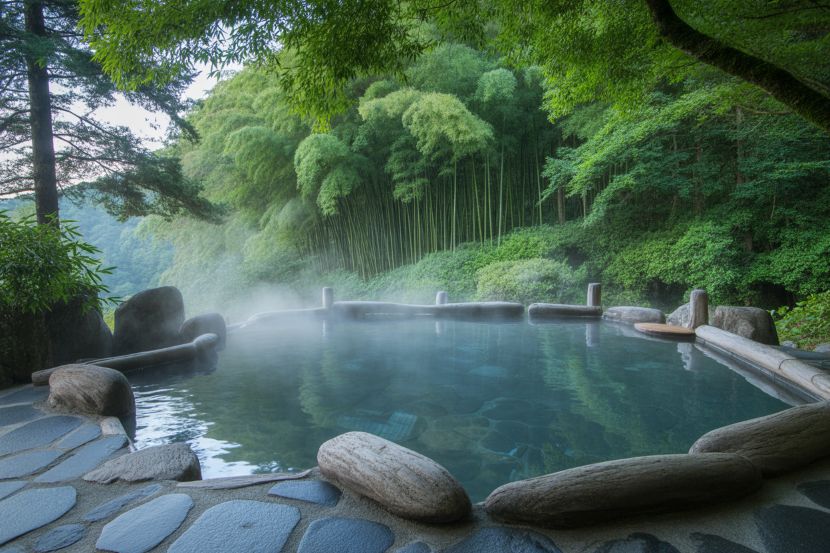
The Sacred Onsen Experience: Understanding Japanese Bathing Rituals
Japan’s onsen culture offers a unique and relaxing experience, but the rules around it are strict. Public hot springs, or onsen, are not only for soaking but for socializing quietly in a space shared by many. It’s vital to wash thoroughly before entering the water, as the communal bath is a sacred space. Travel Tip: Make sure your hair is tied back and your towel stays out of the water. The experience is about peace and quiet, so keep splashing or loud behavior to a minimum. This will ensure you enjoy a culturally respectful and deeply relaxing experience.
Escalator Etiquette: Navigating Regional Differences in Japan
In Japan, even escalator manners are nuanced. The rule of standing on the left or right varies by region. In Tokyo and most parts of the country, people stand on the left side and leave the right side clear for those in a hurry. However, in Osaka, the opposite is true: locals stand on the right and leave the left side open for walking. Fukuoka and other cities are experimenting with limiting walking on escalators entirely. Travel Tip: Always observe what the locals do when you’re using an escalator. It’s a simple gesture that ensures you won’t disrupt the flow of pedestrian traffic.
How to Embrace Japan’s Etiquette Like a Local
Navigating Japan’s travel etiquette doesn’t require perfection—it’s about showing respect. Here are a few quick tips:
- Be mindful of personal space: Whether on trains or in public places, avoid taking up more space than necessary.
- Be punctual: Whether it’s arriving on time for a reservation or being prompt at the station, punctuality is deeply valued.
- Respect the silence: In crowded spaces like trains, quieter is always better.
By embracing these subtle customs, you’ll be able to engage with Tokyo, Kyoto, Osaka, and beyond in a way that shows you truly appreciate Japanese culture.
The post Respecting Japanese Culture: Hidden Etiquette Secrets for Visitors to Tokyo, Kyoto, Osaka, and Fukuoka – A Perfect Guide for Tourists Before Visiting the Country appeared first on Travel and Tour World














































Comments and Responses
Please login. Only community members can comment.