
















































UAE Unites Saudi Arabia, Oman and Other Nations as Arabian Travel Market 2027 Targets Luxury Travel Companies from Europe, Asia and Africa
-
Blogs, Wellness, Culinary, Travel
-
-
7 mins
-
Travel and Tour World
-
Somudranil Sarkar
-


Discover how the UAE, Saudi Arabia, and Oman are uniting at the Arabian Travel Market 2027 to attract global luxury travel companies from Europe, Asia, and Africa.
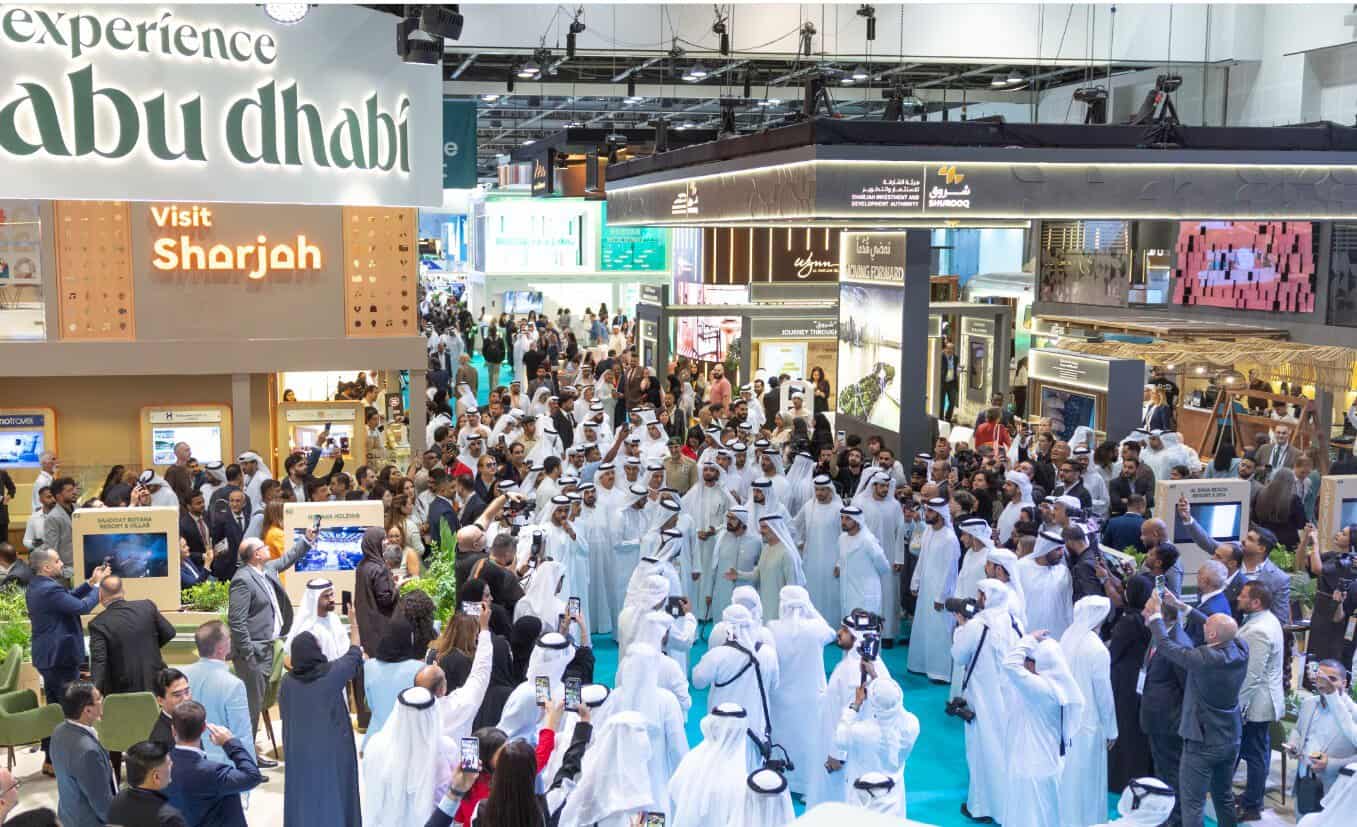
The Arabian Travel Market 2027 is officially set to redefine the global tourism landscape, bringing together the United Arab Emirates, Saudi Arabia, Oman, and other nations under a unified vision. Scheduled for May 2027 at the Dubai World Trade Centre, this premier event strategically targets luxury travel companies from Europe, Asia, and Africa. As regional governments align their ambitious economic frameworks, this collaboration signifies a pivotal shift towards experience-led tourism. This article explores the official government announcements, projected statistics, and the profound economic implications of this unprecedented regional integration, highlighting why this unified approach matters for the global travel industry.
Background: The Evolution of Middle Eastern Tourism
The Middle East has undergone a profound transformation over the past decade, transitioning from an oil-dependent economic bloc into a diversified, tourism-driven global destination. Historically, nations within the Gulf Cooperation Council (GCC) operated their tourism sectors in silos, competing for the same demographic of international visitors. However, the paradigm has shifted significantly. The upcoming Arabian Travel Market 2027 represents the culmination of years of strategic alignment between the United Arab Emirates (UAE), the Kingdom of Saudi Arabia, and the Sultanate of Oman.
These nations have recognised that collaborative tourism yields higher economic returns than fragmented competition. The foundation of this shift lies in state-sponsored economic diversification strategies, most notably the UAE Tourism Strategy 2031, Saudi Vision 2030, and Oman Vision 2040. By investing heavily in aviation infrastructure, luxury hospitality, and cultural preservation, these governments have successfully positioned the region as a premium destination.
The convergence of these national visions at the Arabian Travel Market 2027 is not merely ceremonial; it is a calculated economic strategy. The event, historically hosted at the Dubai World Trade Centre, has grown from a regional exhibition into a global powerhouse event. By uniting their promotional efforts, the UAE, Saudi Arabia, and Oman are creating a multi-destination narrative that appeals directly to high-net-worth individuals and luxury travel companies worldwide.
Latest Official Developments for ATM 2027
As verified by recent official announcements, the Arabian Travel Market 2027 will take place from the 3rd to the 6th of May 2027 at the Dubai World Trade Centre (DWTC). The official theme for the 2027 iteration has been designated as “Travel without boundaries,” reflecting a strategic pivot towards seamless cross-border travel and experience-led tourism.
This theme is directly aligned with the recent governmental push for regional integration. According to official exhibition updates, the event will heavily focus on how destinations and tourism businesses can adapt to changing consumer motivations by developing distinctive, high-value experiences that merge business, leisure, wellness, and adventure.
Furthermore, ATM Travel Tech will return as a co-located event, showcasing the technological innovations that are actively shaping the future of global travel logistics and hospitality management. This integration of technology and tourism is a key priority for regional governments, which are investing heavily in biometric border controls, smart city infrastructure, and artificial intelligence-driven hospitality services to cater to the exacting standards of international luxury travel companies.
Government Announcements: UAE, Saudi Arabia, and Oman Uniting
The synergistic approach visible at the Arabian Travel Market 2027 is underpinned by landmark governmental policy changes, most notably the progression of the GCC Unified Tourist Visa. First approved by GCC interior ministers, this Schengen-style visa allows tourists to travel seamlessly across the UAE, Saudi Arabia, Oman, Bahrain, Kuwait, and Qatar.
Official statements from the UAE’s Ministry of Economy and Saudi Arabia’s Ministry of Tourism have highlighted this unified visa as a cornerstone for future tourism growth. By eliminating bureaucratic friction, the region becomes vastly more attractive to European travel market operators who construct multi-week luxury itineraries.
Oman’s Ministry of Heritage and Tourism has also actively aligned its promotional campaigns with its neighbours. Rather than competing with the ultramodern urban appeal of Dubai or the massive giga-projects of Saudi Arabia (such as NEOM and the Red Sea Project), Oman is marketing its authentic heritage, eco-tourism, and rugged landscapes as a complementary experience. At the Arabian Travel Market 2027, this tripartite offering—UAE’s futuristic luxury, Saudi Arabia’s monumental scale, and Oman’s pristine heritage—will be packaged and presented to global buyers as a single, cohesive luxury tourism product.
Official Statistics: Projections for 2027
The statistical outlook for the Middle East, North Africa, and South Asia (MENASA) region is exceptionally robust. Official industry forecasts released in tandem with ATM preparations indicate that international arrivals in the MENASA region are projected to grow by 17 per cent in 2027.
Data from the UN Tourism (formerly UNWTO) and regional statistical authorities corroborate this upward trajectory. The Middle East remains the only global region to have not only fully recovered from the pandemic-era downturns but to have significantly surpassed pre-2019 arrival numbers.
For the Arabian Travel Market 2027, attendance figures are expected to build upon the massive success of previous iterations. The 2024 event saw over 46,000 attendees, including 33,500 visitors and 2,600 exhibiting firms from over 160 nations. With the introduction of the unified visa and the aggressive expansion of regional airlines such as Emirates, Qatar Airways, Saudia, and Riyadh Air, the 2027 event is projected to break all previous records regarding delegate attendance and high-value B2B contract signings.
Targeting Luxury Travel Companies from Europe, Asia, and Africa
The central commercial objective of the Arabian Travel Market 2027 is to capture the attention and capital of luxury travel companies from three key global demographics: Europe, Asia, and Africa.
The European Market
European travellers remain a high-yield demographic for the GCC. The strategy for 2027 involves moving beyond traditional winter-sun holidays. By showcasing luxury eco-resorts, elite wellness retreats, and cultural heritage sites (such as AlUla in Saudi Arabia), the GCC aims to attract European boutique agencies and luxury concierge services. The unified visa is particularly appealing to European operators accustomed to the borderless travel of the Schengen zone.
The Asian Market
With the rapid expansion of the middle and upper classes in nations like India and China, Asian travel operators are a primary target. The UAE and Saudi Arabia have streamlined e-visa processes for major Asian nations and increased direct flight connectivity. The 2027 ATM will feature dedicated pavilions and summits aimed at Asian luxury buyers, focusing on high-end retail tourism, medical tourism, and luxury destination weddings.
The African Market
Africa represents the next frontier for luxury outbound travel. Growing ultra-high-net-worth populations in South Africa, Nigeria, and Kenya are increasingly looking toward the GCC for premium leisure and business travel. The Arabian Travel Market 2027 is heavily promoting its connectivity advantage, leveraging the GCC’s geographical position as a global aviation crossroads to attract African luxury tourism operators.
Policy Implications and Regional Collaboration
The policy implications of this unified stance are vast. The collaboration showcased at the Arabian Travel Market 2027 necessitates unprecedented levels of data sharing, security cooperation, and legislative alignment between the participating nations.
To facilitate the unified visa and cross-border tourism packages, the GCC ministries of interior and foreign affairs are harmonising their customs protocols and security clearances. Furthermore, aviation policies are being synchronised to allow for smoother code-sharing agreements between national carriers.
This legislative alignment also extends to sustainability. Environmental ministries across the UAE, Oman, and Saudi Arabia are implementing strict green building codes and sustainable operational guidelines for the hospitality sector. This is highly relevant to international luxury travel companies, whose affluent clientele increasingly demand verifiable sustainability and eco-conscious travel options.
Industry Impact: A New Era for Hospitality
The global hospitality industry is recalibrating its development pipelines based on the unified strategy being presented at the Arabian Travel Market 2027. International hotel conglomerates are no longer building isolated properties; they are developing regional circuits.
For example, a luxury hotel brand can now confidently market a two-week package featuring a stay at a vibrant Dubai beachfront property, followed by a cultural excursion to a boutique hotel in Diriyah, Saudi Arabia, and concluding at a tranquil mountain resort in Jebel Akhdar, Oman.
This regional synergy reduces marketing costs for individual properties and increases the average length of stay (ALOS) for the region as a whole. Consequently, sovereign wealth funds and private real estate developers are accelerating capital deployment into high-end hospitality infrastructure, knowing that the unified marketing effort of ATM 2027 will guarantee a steady influx of high-yield tourists.
Economic Implications for the MENASA Region
The economic implications of the strategies culminating at the Arabian Travel Market 2027 are staggering. Tourism is a highly labour-intensive sector, and its expansion is vital for job creation across the GCC.
By targeting luxury travel companies, the region is focusing on “value over volume.” High-net-worth travellers inject significantly more capital into the local economy per capita, benefiting not just hotels, but the broader ecosystem of fine dining, luxury retail, private transport, and local artisan markets.
According to official economic frameworks like Saudi Vision 2030, the goal is to increase tourism’s contribution to the national GDP to 10 per cent. Similarly, the UAE aims to attract 40 million hotel guests by 2031. The unified approach championed at ATM 2027 acts as a catalyst for these goals, ensuring that tourism revenues are captured and circulated within the regional economy, thereby reducing historical reliance on petrochemical exports.
Tourism, Business, and Public Impact
The impact of the Arabian Travel Market 2027 extends far beyond B2B transactions; it profoundly affects the public sphere. For local businesses, the influx of international luxury operators opens up lucrative supply chain opportunities. SME service providers, including local tour guides, bespoke event planners, and culinary entrepreneurs, are being integrated into the luxury tourism value chain.
For the general public, the massive government investments in tourism infrastructure—such as new metro lines, expanded airport terminals, and enhanced public leisure spaces—directly improve the daily quality of life for residents. The cultural exchange fostered by increased international visitation also plays a crucial role in promoting mutual understanding and global tolerance, a key pillar of the UAE’s social policies.
Expert or Official Statements
While the exact proceedings of the event are forthcoming, official preparatory statements underscore the importance of the event. Representatives from the event organisers have noted that the 2027 theme, “Travel without boundaries,” was specifically chosen to address how destinations and tourism businesses must respond to changing travel motivations.
Official reports indicate that exclusive ATM research found 56 per cent of consumers are now more interested in exploring new destinations, highlighting the critical shift away from traditional, single-location holidays. This empirical data, heavily relied upon by regional tourism ministries, serves as the foundation for the collaborative marketing strategies being deployed across the UAE, Saudi Arabia, and Oman.
Future Outlook: Travel Without Boundaries
Looking ahead, the Arabian Travel Market 2027 is not just an exhibition; it is the blueprint for the future of global tourism. The successful integration of the UAE, Saudi Arabia, and Oman into a unified, frictionless travel zone will serve as a case study for other global regions.
As technology continues to bridge the gap between distinct destinations, and as regional governments maintain their steadfast commitment to economic diversification, the Middle East is firmly on track to become the undisputed epicentre of global luxury travel. The convergence of European, Asian, and African luxury travel companies at the Dubai World Trade Centre in May 2027 will mark the definitive moment when the region’s unified vision transitions from an ambitious plan into a highly profitable reality.
The post UAE Unites Saudi Arabia, Oman and Other Nations as Arabian Travel Market 2027 Targets Luxury Travel Companies from Europe, Asia and Africa appeared first on Travel and Tour World














































Comments and Responses
Please login. Only community members can comment.