























































Portugal’s Algarve Expands The Horizon With Powerful Cultural Immersion, Majestic Trails And Year-Round Festivals That Unveil The True Essence Of Portuguese Nature
-
Blogs, Nature & Wildlife, History & Art, Travel
-
-
3 mins
-
Travel and Tour World
-
Sanjana Dubey
-


Discover Algarve’s hidden inland treasures with year-round hiking trails, vibrant cultural festivals, and stunning landscapes that offer a unique, immersive Portuguese adventure.
Algarve, traditionally known for its coastal allure, is now unveiling its inland treasures to offer a richer, more diverse travel experience. Through year-round hiking trails, vibrant cultural festivals, and stunning natural landscapes, the region is redefining tourism. By highlighting its woodlands, picturesque villages, and unique traditions, Algarve aims to attract visitors throughout the year, providing a refreshing alternative to the beach-focused travel experience. These initiatives not only promote sustainable tourism but also help preserve the local economy and cultural heritage.
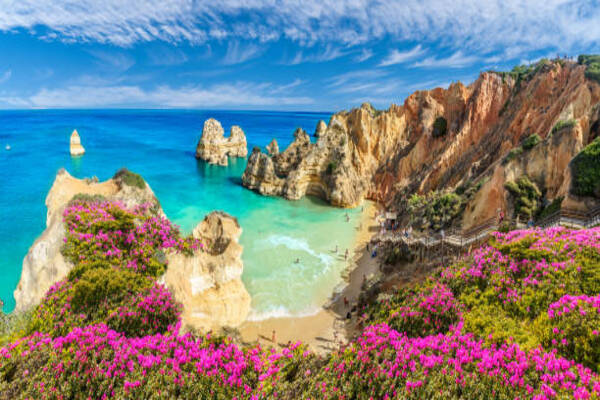
Portugal’s Algarve, traditionally renowned for its sun-kissed beaches, is embracing a new approach to tourism. A series of walking festivals and cultural programmes are shining a light on the region’s inland areas, offering a refreshing alternative to the beach-dominated experiences that attract most visitors. These initiatives are designed to encourage tourists to explore the Algarve’s charming villages and expansive woodlands year-round, helping to diversify the region’s tourism offerings.
Tourism in the Algarve has been steadily growing, with 2024 showing a 2.6% increase in visitors. However, most tourists continue to flock to the coastline, leaving the inland treasures largely untouched. While the Algarve’s beaches, with their dramatic cliffs and sandy coves, are undeniably captivating, the region’s inland areas boast rich cultural experiences and stunning natural landscapes. To promote these hidden gems, the Algarve has developed a network of year-round hiking and cycling trails, complemented by nature festivals that encourage visitors to explore beyond the coastline. The Algarve Walking Season (AWS), for instance, runs five walking festivals from November to April, covering diverse themes such as “water” and “archaeology.” These events aim to foster a deeper connection to the region, benefiting both tourists and locals by boosting the local economy and helping to address youth migration by providing local job opportunities.
During our visit to the Barão de São João national forest, an area recently affected by forest fires in September, we witnessed nature’s remarkable resilience. The forest, home to fire-resistant species like the strawberry tree, is beginning to regenerate, thanks to volunteers helping with rewilding efforts. Along our walk, our guide pointed out the star of Bethlehem flowers that had bloomed overnight—an inspiring sign of the rapid recovery of this unique landscape. This experience reinforced the importance of preserving and promoting the Algarve’s inland areas, which are often overlooked in favour of the coastal resorts.
The walk itself felt like an art trail, with standing stones marking the beginning of the journey, each painted with images of traditional agricultural life. Along the route, smaller stones depicted local wildlife, including hedgehogs and lynxes. The latter species, which is being actively rehabilitated by a conservation centre in the nearby town of Silves, symbolized the ongoing efforts to protect the region’s biodiversity. As we ventured up to the highest point of the trail, where the menhir (standing stone) on the Pedra do Galo trail stands, the dense vegetation gave way to the fresh scent of pine and the amber glow of tree resin. The trail offered panoramic views of the surrounding hills, and in the distance, wind turbines turned steadily in the breeze.
On the following day, our guide Francisco, from the ecotourism company Algarvian Roots, took us deeper into the Algarve’s inland landscapes. Francisco, who founded his company in 2020, is passionate about promoting the region’s natural beauty and cultural heritage through immersive and educational experiences. His tours, which range from birdwatching to full-day guided hikes, reflect the same goals as the AWS: to connect visitors with the region while promoting sustainable tourism practices. During our visit to the nearby mountain town of Monchique, we learned about the famous cork trees that dot the region. These fire-resistant trees are crucial to the local economy, as their bark is harvested for use in industries like wine production and construction. However, the cork industry is facing challenges due to market changes and the decline in traditional harvesting skills. Francisco emphasized the importance of supporting the cork industry by enjoying cork-sealed wine, which we were more than happy to oblige.
Monchique, located at the foot of the Algarve’s highest peaks—Fóia and Picota—also hosted a traditional celebration known as “magusto,” a chestnut festival held every November. As we entered the town, we were greeted by the lively sounds of music and the warm aroma of roasting chestnuts. The streets were filled with a multi-generational crowd gathered around firepits, enjoying freshly roasted chestnuts, local wine, and chestnut liqueur. The atmosphere was joyous and authentic, offering a glimpse into the strong sense of community that thrives in the Algarve’s inland villages.
This festival, along with the many cultural programmes and walking festivals, serves as a reminder of the Algarve’s rich heritage beyond its beaches. For those willing to explore the inland areas, the region offers a wealth of experiences—from hiking through lush forests to participating in traditional cultural festivals and engaging with local artisans. The Algarve’s inland treasures are waiting to be discovered, offering visitors a chance to connect with the land and people in a way that goes beyond the typical coastal vacation.
Through initiatives like the AWS, the Algarve is fostering sustainable tourism by highlighting its diverse landscapes and cultural richness. Visitors are encouraged to experience the Algarve in a more meaningful way, forging a deeper connection with the region’s history, traditions, and people. By embracing these inland experiences, the Algarve is redefining its tourism model, encouraging exploration, conservation, and cultural exchange. Whether through hiking festivals, the preservation of forests, or the celebration of local traditions, the Algarve’s interior offers a year-round experience that will captivate nature lovers, culture seekers, and adventure enthusiasts alike.
The post Portugal’s Algarve Expands The Horizon With Powerful Cultural Immersion, Majestic Trails And Year-Round Festivals That Unveil The True Essence Of Portuguese Nature appeared first on Travel and Tour World














































Comments and Responses
Please login. Only community members can comment.