
















































Paris Teams Up With Limoges and More as French Destinations Face Louvre Closure Amid Protests, Leaving Global Travellers Seeking Alternative Holiday Adventures!
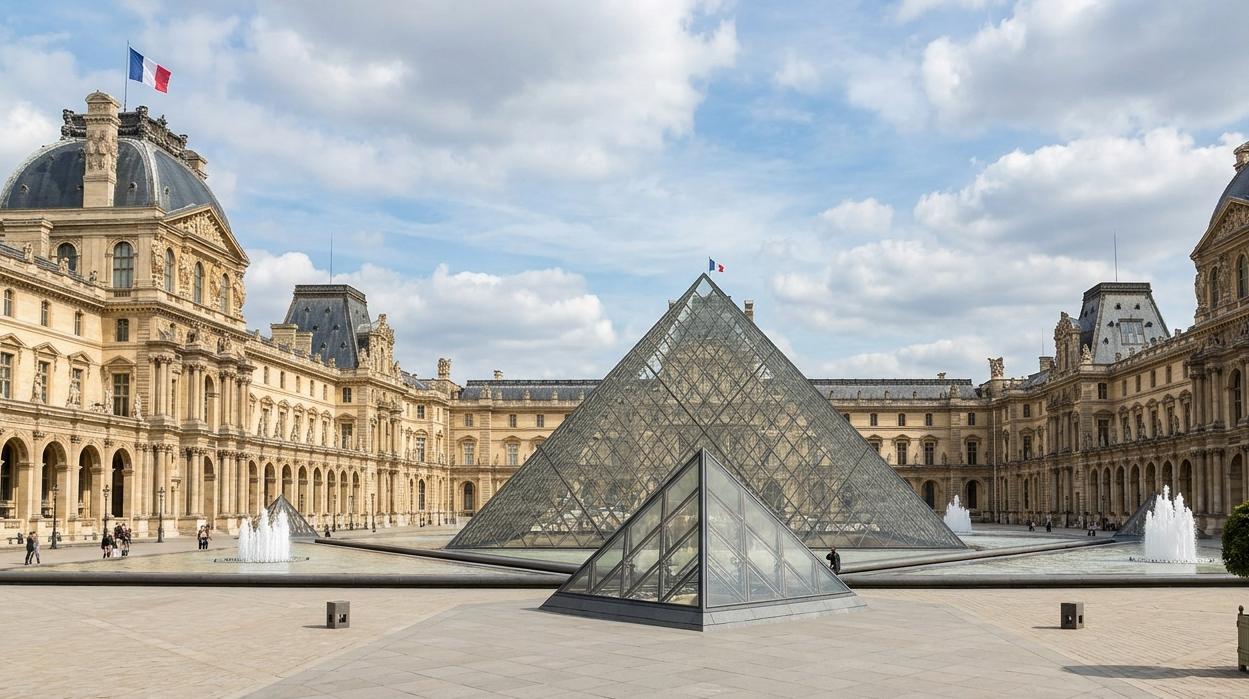
-
Blogs, Culinary, History & Art, Travel
-
-
10 mins
-
Travel and Tour World
-
Sarannya Acharya
-


Paris and Limoges attract travellers seeking alternative French holiday adventures amid the Louvre Museum closure and protests.
Paris Teams Up With Limoges and more as French destinations face the Louvre closure amid protests, leaving global travellers seeking alternative holiday adventures. Travel And Tour World explores how these developments could reshape travel plans across France. Paris remains a dream destination for global travellers, while Limoges and more French destinations offer cultural discoveries for visitors seeking alternative holiday adventures. However, the Louvre closure amid protests highlights the importance of checking official travel updates before exploring popular attractions. Moreover, Travel And Tour World urges readers to discover essential travel guidance, understand potential disruptions and explore alternative experiences before finalising their unforgettable French holiday adventures.
Louvre Museum Closure Amid Protests: Visitor Statistics, Paris Travel Disruptions and Six Alternative Destinations for Tourists
The Louvre closure and what it means for international travel
The reported Louvre Museum closure on October 19, 2026, highlights how demonstrations can disrupt even the most established cultural attractions. For visitors, the impact extends beyond one museum. A sudden closure can affect guided tours, timed-entry tickets, transport arrangements and carefully planned city itineraries.
However, travellers need to distinguish confirmed closures from general travel disruption. The available reporting identifies the Louvre as an attraction affected by the protests, while reporting also describes unrest and restrictions in several French cities. It does not establish that six additional tourist destinations were all closed because of the same demonstrations.
This distinction matters when planning a holiday. A city experiencing demonstrations is not necessarily inaccessible, and an attraction can remain open even when nearby streets face restrictions.
The following extension examines the Louvre’s visitor statistics, the wider travel implications, year-by-year comparisons, and six alternative destinations that travellers can consider after checking current access information.
Louvre Museum visitor statistics and year-by-year comparisons
The Louvre’s official figures demonstrate why even a temporary interruption matters to international tourism. The museum welcomed approximately 9 million visitors in 2025, compared with 8.7 million in 2024 and 8.9 million in 2023. These figures establish a strong baseline for understanding the attraction’s global reach.
Table 1. Annual Louvre attendance, based on official museum publications. Figures are rounded where the museum publishes rounded totals.
| Year | Visitors | Change from previous year | Travel context |
|---|---|---|---|
| 2019 | About 9.6 million | Baseline | Pre-pandemic reference year; the museum reported 2022 attendance was 19% lower. |
| 2020 | Not included in the verified series used here | — | COVID-19 restrictions affected international travel and museum operations. |
| 2021 | Not included in the verified series used here | — | International travel remained affected by pandemic restrictions. |
| 2022 | 7.8 million | +170% versus 2021 | Strong recovery following the lifting of pandemic-related restrictions. |
| 2023 | 8.9 million | +14% | Attendance moved closer to pre-pandemic levels. |
| 2024 | 8.7 million | Approximately −2.2% | Paris hosted the Olympic and Paralympic Games; the museum also closed on July 25 and 26 for Olympic security arrangements. |
| 2025 | 9.0 million | Approximately +3.4% | Attendance returned to approximately nine million annually. |
Sources: Louvre Museum’s official annual visitor announcements and key figures.
Important statistical note: The 2019 figure is approximate, and the 2020 and 2021 totals are omitted rather than supplied from unverified sources. The percentage changes in the table are calculated from published rounded totals, so they may differ slightly from changes calculated using unrounded attendance records.
What the figures reveal
The Louvre’s attendance increased from 7.8 million in 2022 to 8.9 million in 2023. That represents an increase of approximately 1.1 million visits in one year. The museum attributed its 2022 recovery to the return of visitors after COVID-19 restrictions eased.
Attendance then moved from 8.9 million in 2023 to 8.7 million in 2024. This was a reduction of around 200,000 visits, or 2.2%, based on the rounded figures. The 2024 Olympic year also produced exceptional visitor flows and security arrangements around the museum.
The reported 2025 total of nine million was approximately 300,000 higher than 2024. This equates to a 3.4% increase based on rounded totals. Such annual figures illustrate the Louvre’s continuing importance, but they do not measure the financial impact of a particular day’s closure.
Who visits the Louvre? International visitor data
The Louvre’s 2024 report offers a detailed picture of the museum’s international audience. Visitors from outside France accounted for 77% of attendance, while French visitors represented 23%. The United States was the largest individual foreign market, accounting for 13% of all visitors.
Table 2. Selected visitor characteristics reported by the Louvre for 2024.
| Indicator | Official figure | Significance for travel planning |
|---|---|---|
| Total attendance | 8.7 million | Shows the attraction’s overall visitor scale. |
| Visitors from France | 23% | Includes local and domestic tourism. |
| Visitors from outside France | 77% | Highlights the importance of international travel planning. |
| Visitors from the United States | 13% of all visitors | Indicates the museum’s appeal to a major long-haul market. |
| Visitors from China | 6% | Up from 2.4% in 2023, according to the museum. |
| Visitors under 26 | 41% | Demonstrates the importance of younger audiences. |
| First-time visitors | 66% | Many visitors may have limited flexibility to reschedule. |
| Visitors admitted free | 28% | Admission arrangements vary by visitor eligibility. |
| Visitors satisfied or very satisfied | 92% | Reflects the museum’s reported visitor-experience assessment. |
Source: Louvre Museum’s official 2024 attendance report.
These figures help explain why sudden access changes can affect a broad range of travellers. International visitors may have non-refundable flights, accommodation and other timed activities. Younger visitors and first-time tourists may also be working with fixed itineraries.
The museum’s figures should not be interpreted as proof that all visitors were affected by the October 2026 protests. They provide historical context, not a count of cancelled visits or refunds arising from the latest incident.
Louvre access restrictions and the October 2026 travel situation
The museum published an official notice requiring reservations for visitors from October 17 to November 1, 2026, subject to listed exemptions. It also explained that demonstrations had restricted access and that ticket holders would be directed through specified entrances.
This is an important distinction for visitors. An access restriction is not always equivalent to a full-day closure. Travellers must check the precise notice for the date of their visit, rather than relying on a headline published several days earlier.
Table 3. Verified access information relevant to visitors.
| Issue | Verified information | Recommended action |
|---|---|---|
| Demonstration-related access | The museum reported restricted access following demonstrations on October 17, 2026. | Check the current entrance instructions before departure. |
| Reservation period | Reservations were required from October 17 through November 1, 2026, subject to exemptions. | Secure a valid reservation and review eligibility rules. |
| Entrance arrangements | The notice specified access through the Galerie du Carrousel and Cour Napoléon for ticket holders. | Follow the latest official entrance guidance. |
| Full closure on October 19 | Contemporary reporting described the museum as closed amid protests. | Confirm whether subsequent opening announcements have changed the situation. |
| Refunds | The museum’s earlier closure notice reported automatic reimbursement for reservations affected by the closure it covered. | Verify that the refund policy applies to the specific booking and date. |
| Reopening time | A confirmed reopening time was not established in the initial reporting cited here. | Do not assume a reopening time without a new official announcement. |
Sources: Louvre Museum’s official notice and contemporary reporting.
The distinction between restricted entry and closure is especially important for tour operators. They should communicate changes clearly, confirm whether a booking remains valid and avoid sending customers to entrances that authorities have restricted.
How protests can affect tourism beyond a single attraction
The wider French unrest reported in October 2026 has raised concerns about transport, public safety and access to busy urban areas. Reuters reported curfews or other restrictions in parts of Paris, Lille, Nice and other cities following weekend unrest. It also reported that Marseille prohibited demonstrations during the affected period.
These reports do not establish that every attraction in those cities closed. They instead indicate why travellers should check local instructions before visiting specific neighbourhoods or public venues.
Paris is particularly sensitive to access changes because many visitors plan several attractions in one day. A disruption around one central location can affect walking routes, public transport connections and the timing of later reservations.
The wider lesson is that destination-level travel advice and attraction-level opening information serve different purposes. A city may remain open to tourists while individual streets, stations, parks or buildings experience temporary restrictions.
Six destinations and locations affected by the unrest: What tourists should know
A critical point for publication is that current reporting does not verify six tourist destinations that were all closed because of the protests. It does, however, identify several French cities where unrest, curfews, demonstration restrictions or damage to public-facing sites affected the travel environment. The following six locations provide a more accurate picture without falsely labelling every attraction as closed.
Table 4. Six locations associated with reported disruption. This is not a list of six confirmed destination-wide closures.
| Destination | Reported development | Implication for visitors | What to verify |
|---|---|---|---|
| Paris | Louvre closure and restrictions in designated central areas | Museum visits and some central walking routes may be affected. | Louvre notices, police instructions and transport updates. |
| Lyon | Damage reported at the city’s tourist office; unrest and restrictions also reported | Visitors should confirm whether affected visitor services are operating. | Lyon tourist information and municipal announcements. |
| Limoges | Fire damage reported at the historic town hall | Access to the affected civic building and nearby streets may be restricted. | Municipal notices and local access restrictions. |
| Lille | Curfews or restrictions reported in parts of the city | Evening travel plans may need adjustment. | Local curfew instructions and public transport information. |
| Nice | Restrictions reported following the unrest | Visitors should verify conditions around planned attractions and central streets. | Local authority announcements and transport updates. |
| Marseille | Demonstrations were prohibited during the reported period | Planned gatherings and routes near affected areas may be disrupted. | Current prefecture instructions and local travel notices. |
1. Paris: The Louvre and the historic city centre
Paris remains the central location in this story because the Louvre is one of its principal cultural attractions. The museum’s reported closure disappointed visitors who had organised their sightseeing around its collections. The wider situation also involved restrictions in designated areas, making it important to check individual routes rather than assume the whole capital is closed. The Louvre’s official visitor notice provides the most relevant information about entry requirements and access arrangements.
2. Lyon: Cultural visits and visitor information services
Lyon is known for its historic districts, culinary traditions and architectural heritage. Reporting on October 19 described damage to the city’s tourist office during the unrest. That incident does not establish that all Lyon attractions closed, but it makes checking visitor services particularly important. Travellers should confirm the operating status of their planned venues and follow municipal instructions before visiting central areas.
3. Limoges: A historic civic landmark affected by fire
Limoges entered the reporting because its historic town hall was damaged by fire during the disturbances. This is a specific incident involving a civic landmark, not evidence that the entire city became inaccessible. Visitors planning architectural walks or cultural excursions should check whether the affected building or surrounding streets have access restrictions. Other attractions should be assessed individually rather than assumed to be closed.
4. Lille: Check local restrictions before evening sightseeing
Lille was among the cities mentioned in reports of curfews and restrictions following the unrest. Travellers visiting its historic centre should confirm local instructions before planning evening restaurant visits, public gatherings or walks through affected districts. The available reporting does not confirm a citywide tourist-attraction shutdown. Visitors should therefore distinguish between restrictions in particular areas and the operation of individual cultural venues.
5. Nice: Verify conditions before exploring the French Riviera
Nice is an important base for visitors exploring the French Riviera. Reports of restrictions in parts of the city mean that travellers should verify local conditions before setting out. A restriction affecting one area does not automatically close the Promenade des Anglais, museums or other attractions. Each venue’s opening information and any instructions from local authorities should be checked separately.
Marseille: Demonstration restrictions and coastal sightseeing
Marseille combines a busy port, historic neighbourhoods and Mediterranean coastal scenery. Reporting indicated that demonstrations were prohibited during the affected period. Such restrictions can change the feasibility of attending public gatherings or passing through designated areas, but they do not prove that every tourism business or attraction was closed. Travellers should consult current prefecture announcements before organising excursions or evening activities.
Paris tourism statistics show the wider stakes
The impact of the Louvre disruption should also be considered against the scale of tourism in the wider Paris region. Paris je t’aime, the city’s official tourism information organisation, reported more than 37 million tourists in Greater Paris in 2023. The region recorded nearly 24 million hotel arrivals, an increase of 8.4% compared with 2022.
The organisation subsequently estimated that 37.4 million tourists would visit Greater Paris in 2025. Its August 2025 tourism barometer estimated 6.4 million tourists during July and August, broadly matching the equivalent period in 2023. These are Greater Paris tourism estimates, not Louvre attendance figures.
Table 5. Selected Greater Paris tourism indicators.
| Period | Indicator | Reported figure | Comparison |
|---|---|---|---|
| 2022–2023 | Greater Paris tourist visits | More than 37 million in 2023 | Tourism approached pre-pandemic levels. |
| 2023 | Hotel arrivals | Nearly 24 million | +8.4% versus 2022. |
| July–August 2025 | Tourist visits | Estimated 6.4 million | Similar to summer 2023. |
| July–August 2025 | Hotel occupancy | 76.8% | 1.1 percentage points above July 2023 and nine points above 2024. |
| Full-year 2025 | Greater Paris tourist visits | Forecast of 37.4 million | Forecast, not a confirmed final annual count. |
Source: Paris je t’aime tourism statistics and its August 2025 barometer.
These numbers show why tourism operators pay close attention to interruptions at major attractions. Visitors contribute to accommodation demand, transport use, restaurant spending and cultural activities. Nevertheless, the available statistics do not quantify how much revenue was lost because of the October 2026 protests.
Practical guidance for tourists with upcoming Paris bookings
Travellers can reduce uncertainty by taking several straightforward precautions.
- Check official opening notices: Consult the Louvre’s website on the day of travel and before leaving accommodation.
- Confirm refunds directly: Review the specific date and conditions attached to each ticket.
- Keep alternative plans flexible: Choose another attraction only after confirming its opening status and admission availability.
- Monitor transport information: Check for route changes, station restrictions and service interruptions.
- Avoid demonstrations: Do not approach crowds, barricades or areas where police are managing access.
- Review evening plans: Where restrictions or curfews apply, follow the relevant local authority’s instructions.
- Keep booking records: Retain tickets, payment confirmations and tour correspondence until any refund or rescheduling is resolved.
France’s Interior Ministry also provides a multilingual safety guide for tourists covering transport, public places and useful emergency contacts. Visitors can consult the official tourist safety guidance before travelling.
Conclusion
In conclusion, Paris Teams Up With Limoges and more as French destinations navigate the travel challenges surrounding the Louvre closure amid protests. Although these developments may disrupt sightseeing plans, global travellers can still discover France’s remarkable culture, historic landmarks and unforgettable holiday adventures. However, visitors should check official announcements, confirm attraction opening hours and review ticket policies before changing their itineraries. Meanwhile, alternative experiences across French destinations can help travellers make the most of their holidays. Travel And Tour World encourages readers to stay informed, plan flexibly and explore France confidently while prioritising reliable travel updates and personal safety.
The post Paris Teams Up With Limoges and More as French Destinations Face Louvre Closure Amid Protests, Leaving Global Travellers Seeking Alternative Holiday Adventures! appeared first on Travel and Tour World














































Comments and Responses
Please login. Only community members can comment.