























































Nepal’s Chitwan National Park Sees Surge in Foreign Tourists, Boosting Local Hotels and Safari Experiences Amid Growing Global Interest in Wildlife Tourism
-
Blogs, Nature & Wildlife, History & Art, Travel
-
-
4 mins
-
Travel and Tour World
-
Poulomi Sinha
-


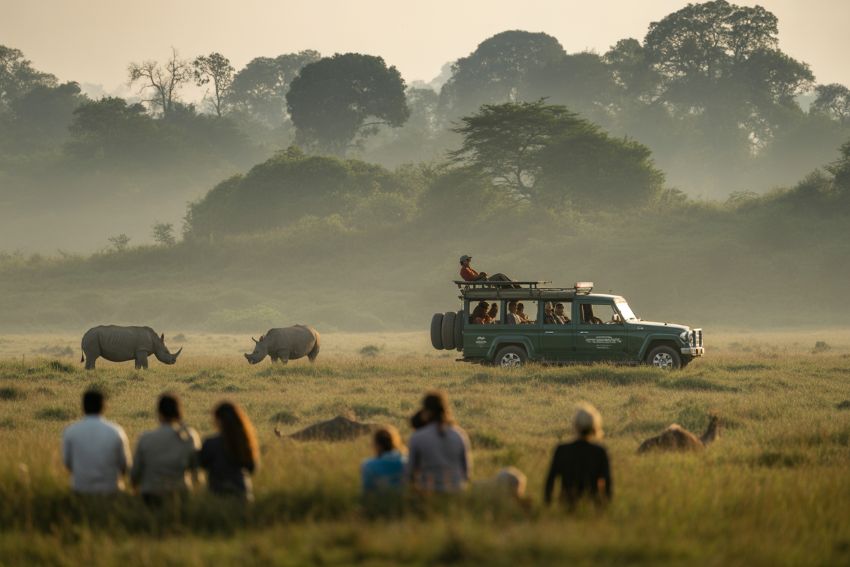
Chitwan National Park in Nepal sees rising foreign tourist numbers, driving growth in safari experiences and eco-friendly hotels in this wildlife haven.
Chitwan National Park, located in southern Nepal, continues to be a popular destination for both domestic and international visitors. The park’s diverse wildlife, which includes rhinos, tigers, and gharials, as well as the cultural experiences provided by the indigenous Tharu community, make it a must-see destination for both nature lovers and adventure seekers. According to recent reports, foreign visitors dominate the park’s tourism landscape, while domestic visitors continue to play an important but smaller role in the visitor demographic. This trend has resulted in a significant increase in hospitality services, which range from luxury resorts to eco-friendly lodges.
The Rise of Foreign Tourism in Chitwan
During a typical chilly morning, tourists eager for jeep safaris at Chitwan National Park can be seen congregating in the hotel dining halls for breakfast. At the Tigerland Safari–Lemon Tree Resort, located in Jagatpur, Bharatpur Metropolitan City, foreign visitors outnumber Nepali guests. Hotel Manager Lok Bahadur Kunwar confirmed that on one particular morning, out of 45 guests, only four were Nepali. The trend is similarly observed in the western sector of the park, which includes key areas like Kasara, Meghauli, and Amaltari. The data from the park office further highlights that foreign tourists make up a significant majority of park visitors in these areas, though domestic tourists still dominate the overall figures.
Chitwan’s Visitor Statistics: Foreign vs. Domestic Tourists
From mid-July to mid-October, Chitwan National Park welcomed a total of 67,735 visitors. The Sauraha area, which is situated in the eastern sector, recorded the highest number of tourists, with 60,073 visitors in just four months. Among these, 37,392 were domestic visitors, while 19,712 were international guests from around the world. The western sector, including Kasara, Meghauli, and Amaltari, saw relatively fewer tourists but still maintained a strong foreign presence. Kasara, for example, recorded 4,605 visitors, with 2,859 coming from abroad. Meanwhile, Meghauli had 2,261 visitors, including 1,468 foreigners, and Amaltari received 660 visitors, 557 of whom were international.
Growth of Hotels and Resorts in the Region
Over the years, the number of hotels and resorts in Chitwan’s western sector has increased substantially. Patihani, one of the major entry points for boat safaris on the Rapti River, has seen the opening of several hotels, including the Narayani Safari Hotel, which has been in operation since 1987. Meghauli, on the other hand, has a longer history of catering to tourists, with Nepal’s first jungle lodge, Tiger Tops, opening in 1964, even before the park itself was established. More recently, resorts like the Temple Tiger Green Jungle Resort in Amaltari have added to the growing inventory of accommodations.
According to Ganesh Paudel, operator of Jungle Villa Resort on the Kasara-Jagatpur border, the number of large-scale hotels in Kasara has risen from three to eight over the past 13 years. These hotels are spread out in a way that provides tourists with a peaceful, natural environment while maintaining a reasonable distance between each property, typically 500 metres to 1 km apart.
The Appeal of Chitwan’s Eco-Tourism and Safari Experiences
The main allure of Chitwan National Park lies in its pristine wildlife, which includes the famous one-horned rhino and the elusive Bengal tiger. Tourists come to explore the park’s rich biodiversity, with jeep and boat safaris providing an up-close experience of the park’s animal and bird life. The Rapti River, which flows through the park, is a popular location for boat safaris, especially for tourists from Hong Kong, who have been frequenting the area in large numbers. The services of local businesses—ranging from safari jeeps to nature guides—ensure that these high-end visitors enjoy a top-notch experience.
Choplal Pandey, vice-chair of the Kasara Tourism Business Committee, noted that the combination of excellent service and a serene environment has become a major factor in attracting foreign tourists to the region. The continued investment from both local and international hotel brands has further bolstered Chitwan’s tourism appeal.
Challenges and Opportunities for Local Tourism
While Chitwan continues to draw foreign visitors, the region faces its own set of challenges. The 2015 earthquakes, followed by the COVID-19 pandemic, led to setbacks for the tourism sector. In addition, protests and other social disturbances caused disruptions in booking trends, including a temporary decline in visitor numbers. Despite these setbacks, the overall interest from foreign visitors remains strong, with tourism steadily bouncing back.
In recent years, the growing number of weddings and events being held in the area has raised concerns about the impact on local settlements and the environment. Bishnuraj Mahato, the ward chair of Bharatpur Metropolitan City-22, highlighted that while hotels in the western sector provide easy access to wildlife viewing, the influx of large-scale events may disrupt the peace and serenity that many visitors seek when visiting the region. Ganesh Paudel emphasized the importance of collaborative efforts to address these challenges and ensure sustainable growth for both tourism and the local community.
The Role of the Tharu Community in Tourism
Chitwan National Park is not only about wildlife—its cultural experiences also draw tourists from across the globe. One of the key highlights is the opportunity to experience the traditional culture of the Tharu people, an indigenous community whose customs and way of life are closely tied to the land. Tourists can engage in cultural exchanges, visit Tharu villages, and participate in local events, adding a unique dimension to their wildlife-focused trip.
The Tharu community has long been involved in the tourism sector, providing services such as traditional dance performances, cooking classes, and cultural tours. These experiences offer visitors a deeper understanding of the region’s cultural heritage, enriching their stay in Chitwan.
A Bright Future for Chitwan’s Tourism
Despite the challenges posed by natural disasters, the pandemic, and social disruptions, Chitwan National Park is still one of Nepal’s top tourist destinations. Its wildlife, combined with the warm hospitality of its local communities, guarantees that it will continue to attract a steady stream of international visitors for many years to come. The region’s rapid growth in hotel and resort infrastructure, combined with ongoing investment in sustainable tourism practices, suggests a bright future for Chitwan’s tourism industry. Chitwan National Park will remain a jewel in Nepal’s tourism crown by striking a balance between environmental preservation and economic growth, providing unforgettable experiences for visitors from all over the world.
The post Nepal’s Chitwan National Park Sees Surge in Foreign Tourists, Boosting Local Hotels and Safari Experiences Amid Growing Global Interest in Wildlife Tourism appeared first on Travel and Tour World














































Comments and Responses
Please login. Only community members can comment.