























































Edible Origins: 12 National Dishes and the Tales That Made Them Famous

National Dishes with Fascinating Origin Stories
-
Travel, Blogs, Immigration, Culinary, Children, History & Art
-
-
23 mins
-
Out of Town Blog
-
Team Out of Town
-


Forks Through Time: 12 National Dishes and Their Incredible Origin Stories Travelers often discover a culture not through museums but through meals. This world cuisine guide explores the national dishes of the world — the famous foods and iconic dishes that define identity and history. From street stalls to royal kitchens, traditional foods by country […]
Edible Origins: 12 National Dishes and the Tales That Made Them Famous
Forks Through Time: 12 National Dishes and Their Incredible Origin Stories
Travelers often discover a culture not through museums but through meals. This world cuisine guide explores the national dishes of the world — the famous foods and iconic dishes that define identity and history. From street stalls to royal kitchens, traditional foods by country reveal migration, trade, survival, and celebration. This international cuisine list highlights must-try foods from around the world and those that represent countries through taste, story, and tradition. If you want to understand global food culture, start with traditional dishes from different countries — because every bite is a history lesson.
National Dishes with Fascinating Origin Stories
Below are 12 national dishes with fascinating origin stories, each described through its ingredients, etymology, taste, and the best places to try them. Let’s travel by fork.
Ragu alla Bolognese – Italy
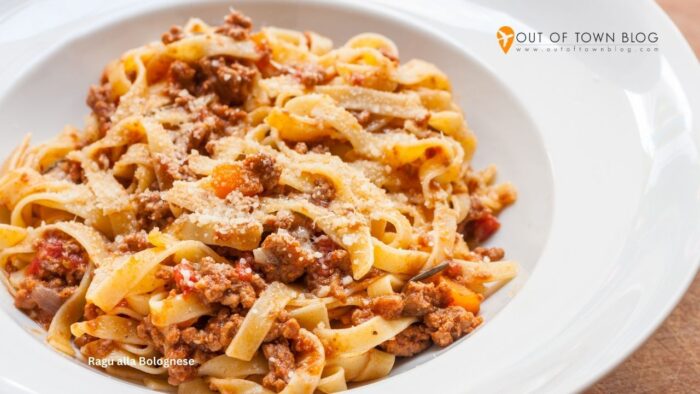
Ragu alla Bolognese
Ragù alla Bolognese is often considered Italy’s national dish because it represents slow, regional cooking elevated to global prominence. The sauce comes from Bologna in Emilia-Romagna, documented in the 18th–19th centuries and formally registered by the Accademia Italiana della Cucina at the Bologna Chamber of Commerce in 1982.
Its name derives from French ragout, meaning a rich stew, Italianized as ragu. Classic ingredients include minced beef (sometimes pork), pancetta, soffritto of onion, carrot, and celery, tomato paste or a little passata, white wine, milk, and broth, simmered for hours and served with tagliatelle, not spaghetti.
The flavor is deep, savory, slightly sweet, and creamy rather than tomato-heavy; the meat tastes tender and mellow, coated in silky fat and milk sugars. Italians celebrate it nationally because it unites regional technique with everyday comfort and culinary diplomacy abroad.
You can find authentic versions across Bologna’s trattorie, throughout Italy, and in good Italian restaurants worldwide, including some in the Philippines.
Curry Rice – Japan
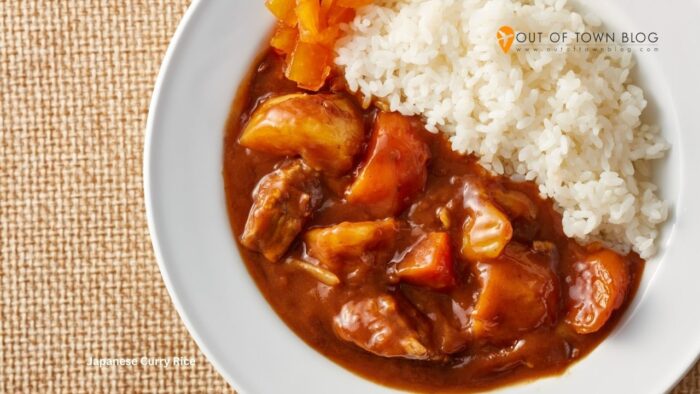
Japanese Curry Rice
Japanese curry rice (kare raisu) is Japan’s comforting national dish: rice topped with a thick, brown curry stew. Introduced in the late 19th century by the British Navy, which had adapted Indian curries with flour roux, it entered Japan during the Meiji era and spread through naval and school lunches. “Curry” comes from Tamil “kari” (sauce), while “raisu” reflects the English loanword “rice.”
Typical ingredients include onions, carrots, potatoes, and meat—usually pork or beef—simmered with curry roux blocks containing spices like turmeric, coriander, cumin, and garam masala, plus sweeteners such as apple or honey.
It was embraced as a national dish because it is affordable, nutritionally balanced, easy to mass-prepare, and beloved by children and soldiers alike. The flavor is mild, savory, slightly sweet, and gently spiced rather than hot.
Find it everywhere: homes, school cafeterias, convenience stores, and chains like Coco Ichibanya across Japan and abroad. In Manila, try Japanese restaurants in malls or specialty curry shops for authentic bowls or Japanese curry rice.
Mole Poblano – Mexico
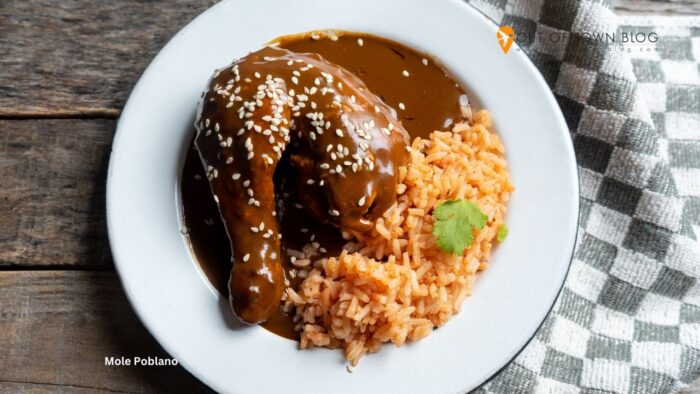
Mole Poblano
Mole poblano is widely regarded as Mexico’s symbolic national dish: a celebratory sauce served over turkey or chicken, representing the country’s fusion of Indigenous and Spanish traditions.
Ingredients: Its complex sauce blends dried chiles (ancho, mulato, pasilla), chocolate, nuts, seeds, tortillas or bread, spices (cinnamon, clove, anise), garlic, onion, tomato, and sometimes plantain or raisins. Despite the chocolate, it’s savory, not dessert-sweet.
Origin: It comes from Puebla, especially the convent kitchens of the 17th century. A famous legend credits the nuns at the Convent of Santa Rosa with improvising a rich sauce for visiting clergy using whatever they had.
Etymology: “Mole” comes from the Nahuatl word m?lli, meaning “sauce” or “mixture.” “Poblano” means “from Puebla.”
Why national dish: It embodies Mexico’s mestizo identity—Indigenous chiles and cacao combined with Old-World spices.
Taste: Deep, smoky, earthy, mildly sweet, spicy, and bitter-chocolatey.
Where to get it: Best in Puebla markets (especially during Cinco de Mayo) or traditional Mexican restaurants worldwide.
Khichdi – India
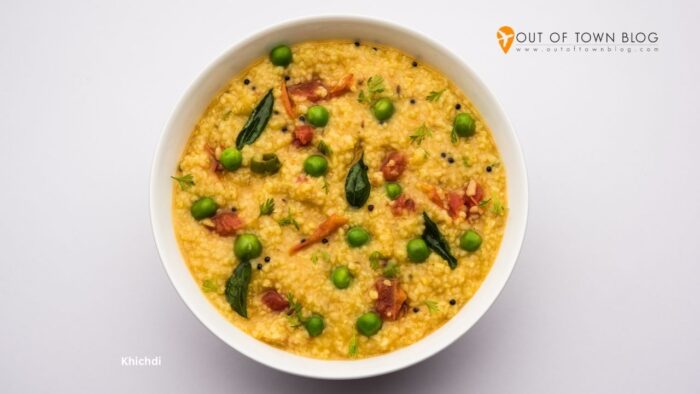
Khichdi
Khichdi is often called the national comfort dish of India: a simple, nourishing one-pot meal of rice and lentils cooked soft with turmeric, salt, and ghee, sometimes enriched with cumin, ginger, vegetables, or yogurt.
The name derives from Sanskrit khicca, meaning a mixture of grains and pulses; medieval travelers described similar porridge across the subcontinent, suggesting ancient Ayurvedic roots as easy-to-digest food for the sick and young. In 2017, it was symbolically promoted as India’s “national dish” during World Food India to showcase unity in diversity, because nearly every region cooks a version—Gujarati vaghareli khichdi, Bengali bhoger khichuri, South Indian pongal.
Flavor is mild, buttery, gently spiced, and comforting, tasting like savory rice pudding with the warmth of earthy dal.
You can find it in home kitchens, temple kitchens, railway canteens, and dhabas; abroad, Indian restaurants and tiffin services serve it, especially at lunch or during fasting days. It’s also common in hospitals and school meals, and it’s affordable nationwide today.
Pot-au-feu – France

Pot-au-feu
Pot-au-feu is often called France’s national dish: a humble, slow-simmered beef-and-vegetable stew that reflects the country’s home cooking. Its name literally means “pot on the fire,” from Old French pot (“cooking vessel”) and feu (“fire”).
The dish emerged in medieval hearth kitchens, where tough cuts—shank, chuck, oxtail, marrow bones—were boiled for hours with carrots, leeks, turnips, onions, celery, and bouquet garni.
Over centuries, it fed peasants and bourgeois alike, becoming a culinary symbol of unity; writers from King Henry IV’s era to 19th-century gastronomes praised it as everyday France in a pot, which is why it’s culturally treated as the national dish.
Broth is served first, clear and aromatic, then meat and vegetables with coarse salt, mustard, and cornichons. The flavor is clean, beefy, gently sweet, and comforting rather than spicy.
Try it in traditional bistros in Paris, Lyon bouchons, or Sunday family tables across the country. Outside France, seek classic French restaurants worldwide today.
Pad Thai – Thailand

Pad Thai Talay
Pad Thai is widely regarded as Thailand’s national dish, a stir-fried rice-noodle dish balancing sweet, sour, salty, and umami flavors.
Typical ingredients include soaked sen chan noodles, tamarind pulp, fish sauce, palm sugar, garlic, shallots, eggs, dried shrimp, tofu, and protein such as prawns or chicken, finished with bean sprouts, garlic chives, peanuts, and lime.
The name comes from pad (to stir-fry) and Thai (Thai style). Though noodles originated among Chinese migrants, the modern recipe was standardized in the 1930s–40s during Prime Minister Plaek Phibunsongkhram’s nation-building campaign, which promoted Thai identity and affordable street food, and was thus championed as a national dish.
Flavor is bright and tangy with caramelized sweetness, smoky wok aroma, and fresh crunch. Eat it at Bangkok street carts, night markets in Chiang Mai, or restaurants worldwide; in Metro Manila, try Thai eateries in Quezon City, Makati, and BGC.
Squeeze lime, add chili flakes, and adjust fish sauce to taste; vendors cook quickly over blazing charcoal or gas woks daily.
Paella – Spain
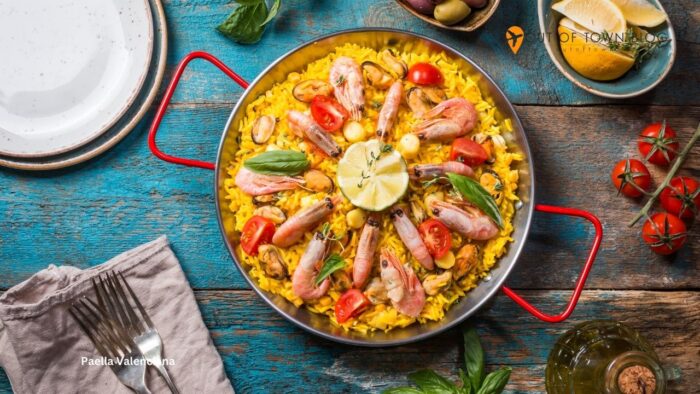
Paella Valenciana
Paella is widely regarded as Spain’s national dish. Originating in the rice-growing wetlands of Valencia in the 18th century, it began as a farmers’ lunch cooked outdoors over orange-wood fires.
The classic Valencian version uses short-grain rice, saffron, olive oil, rabbit, chicken, green beans, and sometimes snails; coastal versions add shrimp, mussels, squid, or fish. The word comes from the Latin patella, meaning shallow pan, referring to the wide steel pan in which it cooks.
It became a national symbol because it reflects Spain’s regions—land and sea—shared at gatherings and festivals, promoting culinary unity and tourism.
Proper paella tastes aromatic, lightly smoky, savory, and subtly floral from saffron, with a prized toasted rice crust called socarrat.
Eat it in Valencia for tradition, Barcelona or Madrid for variety, or abroad at Spanish restaurants and tapas bars that cook it fresh to order. In the Philippines, specialty Spanish eateries in Manila occasionally serve weekend paella feasts with sangria for sharing.
Moussaka – Greece

Moussaka
Moussaka is widely regarded as a national dish of Greece, a layered baked casserole symbolizing home cooking and festive gatherings. Classic Greek moussaka combines sliced eggplant, ground lamb or beef sautéed with onion, garlic, tomato, cinnamon, and sometimes allspice, then topped with creamy béchamel sauce and baked until golden.
Its roots lie in Middle Eastern and Ottoman dishes called musakhkhan/musaqqa‘a, but the modern Greek version was standardized in the 1920s by chef Nikolaos Tselementes, who added the French-style béchamel.
The name derives from Arabic musaqqa‘a, meaning “chilled” or “moistened,” referring to vegetable stews of the Levant. Greece embraced it as national cuisine because it blends Mediterranean produce, pastoral meats, and European technique, reflecting modern Greek identity after independence.
It tastes rich, savory, and aromatic: sweet eggplant, spiced meat, tangy tomato, and custardy topping.
In Greece, you’ll find it in tavernas everywhere—especially Athens, Thessaloniki, and island resorts; abroad, Greek restaurants and bakeries often serve it as a hearty lunch or dinner staple.
Couscous – Morocco

Couscous
Couscous is Morocco’s national dish: tiny steamed granules of semolina wheat served beneath a slow-simmered stew.
Ingredients usually include lamb or chicken, chickpeas, carrots, zucchini, pumpkin, turnips, onions, tomatoes, and a warm blend of cumin, ginger, turmeric, saffron, and cinnamon, finished with harissa or tfaya (sweet caramelized onions and raisins).
It descends from Amazigh (Berber) cuisine in North Africa, documented in medieval Maghrebi cookbooks and traditionally steamed in a two-tiered pot called a couscoussier. The word “couscous” likely derives from Berber seksu/ksksu, echoing the steaming or rolling motion of the grains.
Morocco has elevated it to national status as a dish because Friday communal couscous symbolizes hospitality, charity, and family unity after mosque prayers. Flavor is comforting: fluffy, nutty grains soak up savory broth while vegetables turn silky and spices add gentle warmth rather than heat.
In Morocco, you’ll find it in homes, souks, and restaurants; abroad, look for Moroccan eateries, North African cafés, or Friday specials in major cities worldwide, such as Paris and Manila.
Peking Duck – China

Peking Duck
Peking duck is one of China’s most celebrated culinary treasures, originating in Beijing during the imperial era. It dates back to the Yuan Dynasty and became a signature dish of the Ming court. The name reflects the older Western spelling of Beijing—“Peking.”
The dish features a specially bred white duck, air-dried, glazed (often with maltose syrup), and roasted until the skin turns lacquered and crackling crisp. It is traditionally served with thin wheat pancakes, sliced scallions, cucumber, and sweet bean or hoisin sauce.
Peking duck was recognized as a national dish because of its deep historical roots, imperial associations, and worldwide reputation as a symbol of Chinese cuisine.
It tastes rich yet balanced: ultra-crispy skin, tender juicy meat, subtle smokiness, and a sweet-savory contrast from the sauce.
For an authentic experience, visit historic restaurants in Beijing such as Quanjude or Bianyifang.
Hamburger – United States

Hamburger
The hamburger is often treated as an unofficial national dish of the United States because it embodies American fast, affordable, customizable food culture and the rise of diners, road travel, and fast-food chains.
Ingredients: A classic burger uses a grilled ground-beef patty on a sliced bun, usually topped with lettuce, tomato, onion, pickles, cheese, ketchup, mustard, and sometimes mayonnaise or bacon. Variations include smash burgers, double patties, and regional sauces.
Origin: The name comes from Hamburg, Germany. In the 19th century, German immigrants brought “Hamburg steak” (minced beef patties). In the late 1800s–early 1900s, American vendors began serving the patty between bread for portability—perfect for factory workers and fairs. The sandwich quickly spread nationwide.
Etymology: “Hamburger” originally meant “from Hamburg,” not “ham.” The shortened word “burger” later became a generic term for any patty sandwich.
Why national: Cheap beef, industrialization, and fast-food chains made it a symbol of American modern life.
Taste: Savory, juicy, smoky, salty, slightly sweet from sauces, with soft-crisp textures.
Where to get it: diners, food trucks, backyard barbecues, and fast-food restaurants everywhere.
Kuru fasulye – Turkey

Kuru fasulye
Kuru fasulye is Turkey’s beloved bean stew, often called the country’s unofficial national dish. Made from white beans (usually cannellini), onions, tomato paste, peppers, olive oil or butter, and either pastirma or diced beef, it is slowly simmered until creamy and rich.
The name comes from Turkish “kuru,” meaning dry, and “fasulye,” meaning beans, referring to dried legumes rather than fresh green beans. The dish developed in Ottoman urban kitchens, especially Istanbul taverns serving workers and soldiers in the 19th century; its affordability and nourishment made it iconic.
Though never legally declared, public affection elevated it to national status, symbolizing humble home cooking and shared canteen meals.
Flavor is hearty, savory, lightly sweet from tomatoes, and gently smoky when cured beef is used; the broth thickens and clings to rice. It is almost always eaten with pilav and pickles.
Try it in Istanbul’s Süleymaniye district esnaf lokantasi, Ankara diners, or any neighborhood lokanta across Turkey, especially at lunchtime for locals.
FAQ
What defines a national dish?
A dish widely recognized as representing a country’s culture and culinary heritage.
Why are national dishes important in travel?
They help travelers understand global food culture and connect with locals.
Are all national dishes ancient?
No. Some, like Pad Thai, were modern creations tied to national identity campaigns.
Why include them in a food bucket list?
They are must-try foods around the world and essential to authentic cultural experiences.
Final Bite: Why National Dishes Matter
Exploring national dishes is one of the most immersive ways to understand a culture. These iconic foods tell stories of conquest, colonization, celebration, innovation, and survival. From Naples’ wood-fired ovens to Marrakech’s spice-filled souks, each plate carries generations of memory.
If you’re planning your next culinary adventure, let these dishes guide you. Travel hungry, eat locally, and always ask about the story behind the plate — because sometimes, the most unforgettable journeys begin with a single bite.
Follow and subscribe to OutofTownBlog.com on Facebook, Twitter, Instagram, Pinterest, and YouTube for more Travel-related updates.
Read: Food Trip: The 18 Best Ilonggo Dishes to Enjoy in Iloilo
Edible Origins: 12 National Dishes and the Tales That Made Them Famous
The post Edible Origins: 12 National Dishes and the Tales That Made Them Famous appeared first on Out of Town Blog














































Comments and Responses
Please login. Only community members can comment.