
Namibia: A Top Destination for Responsible Travel and Authentic African Experiences
-
Blogs, Nature & Wildlife, History & Art, Travel
-
-
4 mins
-
Travel and Tour World
-
Moulina Dhara
-

Namibia is recognized as Africa’s most authentic travel destination, offering ecotourism, cultural engagement, and conservation-driven tourism experiences.
The African Tourism Board has recognized Namibia as the most authentic destination on the African continent. The growing global demand for destinations with low-density tourism experiences has prompted Namibia’s recognition. As people seek an opportunity to travel and interact with cultures that practice responsible travel, Namibia stands out with its deserts, diverse wildlife, and community tourism projects. It is due to its ability to provide an authentic African experience that Namibia stands out as a destination.
Namibia: The New Frontier for Authentic African Travel
The African Tourism Board (ATB) has officially recognized Namibia as Africa’s most authentic travel destination, highlighting the growing global demand for destinations that offer low-density, conservation-driven tourism experiences. As travelers increasingly seek immersive, responsible travel opportunities, Namibia is gaining attention for its vast deserts, abundant wildlife, and community-based tourism initiatives. The country’s appeal lies in its ability to offer visitors an authentic African experience, focusing on sustainability and cultural respect while showcasing the natural beauty of its landscapes.
This recognition by the ATB reflects a shift in global travel trends, with more tourists prioritizing destinations that provide space, sustainability, safety, and opportunities for engagement with both local communities and wildlife. As interest in Namibia continues to rise, the country is poised to become a top choice for travelers seeking a more meaningful and environmentally conscious experience in Africa.
Shift in Global Travel Demand: Favoring Namibia’s Unique Appeal
Namibia’s rise as a premier travel destination comes at a time when global tourism trends are shifting toward more sustainable and less crowded experiences. Increasingly, travelers are moving away from mass-market resorts in favor of destinations that offer authenticity, respect for nature, and a closer connection to local cultures.
According to the African Tourism Board, Namibia embodies these values perfectly, with its vast, unspoiled landscapes, protected wildlife areas, and focus on community-based tourism. “Namibia represents authenticity without compromise,” said an ATB spokesperson. “It is a destination that rewards travelers who want to understand Africa through its landscapes, wildlife, and communities.” This authenticity and commitment to conservation are key drivers in attracting a growing number of international travelers.
Space and Scale: Namibia’s Competitive Advantages in Global Tourism
Namibia is one of the least densely populated countries in the world, making it an increasingly attractive choice for tourists who value space and solitude. With large desert regions, remote coastlines, and protected wildlife reserves, Namibia offers travelers the opportunity to experience the vastness of Africa without the crowding that often characterizes more traditional tourist destinations.
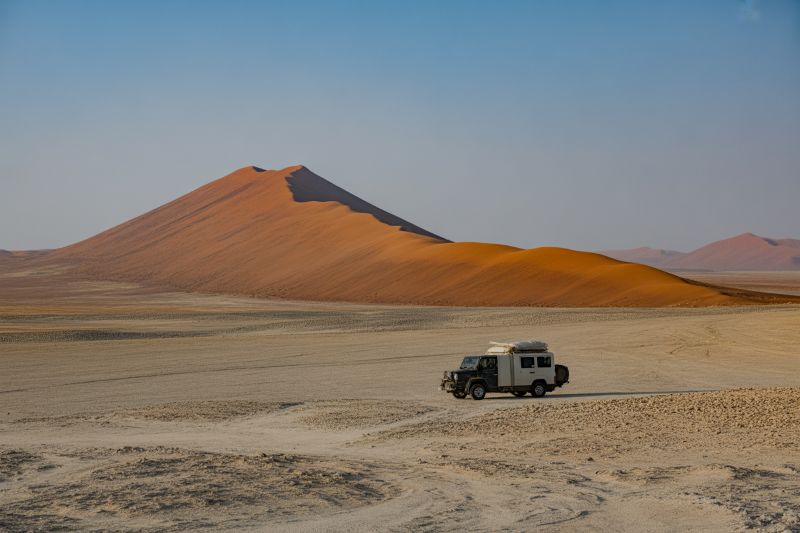
“Space has become a defining luxury in global tourism,” the ATB spokesperson noted. “Namibia offers silence, distance, and scale in a way few destinations can.” This vastness allows visitors to fully immerse themselves in the country’s natural beauty, from the towering red dunes of Sossusvlei to the windswept Skeleton Coast. Such experiences are perfect for travelers seeking tranquility, adventure, and the chance to connect with nature on a deeper level.
A Demanding Destination: Engaging Travelers in Meaningful Ways
Namibia’s tourism model is described as “demanding,” meaning it encourages travelers to engage more deeply with the environment and local communities. Unlike traditional mass-tourism destinations, Namibia is not designed for short, high-volume visits. Instead, it asks visitors to slow down, plan longer stays, and travel responsibly.
“Namibia is not designed for short, high-volume visits,” said the ATB leadership. “It asks visitors to slow down, travel responsibly, and invest time. That is precisely why it resonates with experienced travelers.” This thoughtful approach to tourism creates a more enriching and rewarding experience, one that fosters deeper connections with the land and its people.
Conservation at the Core of Namibia’s Tourism Model
At the heart of Namibia’s tourism strategy is conservation. The country has built a strong reputation for its community-based conservancy system, which channels tourism revenue directly into wildlife protection and rural development. This model has proven successful in safeguarding Namibia’s unique wildlife, including desert-adapted elephants and black rhinos, while providing economic benefits to local communities.
One of Namibia’s key attractions is Etosha National Park, where visitors can observe elephants, lions, giraffes, and other wildlife at the park’s waterholes. In Damaraland, desert-adapted elephants roam the arid landscape, and ancient rock art sites provide a glimpse into the area’s rich cultural history. As the ATB points out, Namibia shows that conservation and tourism can coexist in a mutually beneficial way. “Visitors directly contribute to protecting what they come to see,” the ATB spokesperson said.
Cultural Tourism: Respect, Consent, and Community Benefit
Cultural tourism in Namibia is deeply rooted in respect and community benefit. Unlike mass-tourism models, cultural encounters in Namibia are carefully managed to ensure that they are both respectful and mutually beneficial. Visitors to local communities, such as the Himba people in the Kunene Region, are encouraged to engage with local guides and participate in experiences that are arranged through community conservancies.
“Cultural encounters in Namibia are based on consent and respect,” the ATB emphasized. This approach not only protects the cultural integrity of local communities but also provides tourists with a genuine, meaningful understanding of Namibia’s diverse heritage.
Combining Desert, Wildlife, and Coastal Experiences in One Trip
One of Namibia’s unique advantages is its geographic diversity, which allows travelers to combine desert, wildlife, and coastal experiences within a single itinerary. From the red sand dunes of Sossusvlei in the Namib Desert to the coastal city of Swakopmund, travelers can explore a variety of landscapes and ecosystems.
Walvis Bay, known for its lagoon and flamingo populations, offers wildlife tours and dolphin cruises, while Sandwich Harbour is home to a rare landscape where towering sand dunes meet the Atlantic Ocean. These diverse experiences make Namibia a highly attractive destination for tourists seeking variety and adventure in one trip.
Implications for the Future of African Tourism
The African Tourism Board sees Namibia as a model for the future of African tourism development. The country demonstrates that high-value, low-impact tourism can be both commercially viable and socially sustainable. As mass tourism continues to decline globally, Namibia’s focus on conservation, authenticity, and community-based travel positions it as a leader in Africa’s evolving tourism landscape.
“Namibia shows that Africa does not need mass tourism to be competitive,” the ATB concluded. “High-value, low-impact tourism is commercially viable and socially sustainable.” This approach not only benefits Namibia but also sets a benchmark for other African countries looking to develop their tourism sectors in a sustainable and responsible manner.
Outlook for Namibia: A Bright Future for Responsible Travel
As there is an ever-growing interest in tourists from Europe and North America, Namibia will remain on the shortlist as one of the places on the African continent that everyone wants to see. As global tourists become ever more interested in experiences that have meaning and are more responsible and sustainable, Namibia will remain at the forefront as a destination that represents a haven for ecotourism and conservation. It truly represents for tourists who want Africa ‘the destination that has it all—space, scale, and authenticity’.
The post Namibia: A Top Destination for Responsible Travel and Authentic African Experiences appeared first on Travel and Tour World
Comments and Responses
Please login. Only community members can comment.