















































Mexico’s Día de los Muertos: The Ultimate Travel Experience You Can’t Miss
-
Blogs, Culinary, Children, History & Art, Religion, Travel
-
-
4 mins
-
Travel and Tour World
-
Saoli TTW
-


Mexico prepares for the vibrant Día de los Muertos celebration, honoring loved ones with altars, parades, and cultural events nationwide.
Día de los Muertos, or Day of the Dead, is an incredibly special time in Mexico, preparing to celebrate one of its most famous traditions. From November 1 to November 2, Mexicans celebrate the lives of the people who have passed away while honoring their memory in a cultural festival. This festival combines indigenous traditions with Catholic influences and is celebrated across the country. Serving as a reminder of Mexico’s rich cultural heritage, these festivities demonstrate its everlasting ties to the living and the dead.
The festivities run from joyous, colorful parades to the quiet, peaceful candlelit vigils. This vibrant celebration of life festivities is a unique and memorable experience for travelers and attracts thousands of people every year. Whether they are in big cities or tiny, remote villages, people participating in the celebration exemplify the resilience, identity, and family unity of the country.
The Meaning of Día de los Muertos
Día de los Muertos is celebrated throughout the country, and on November 1, the holiday commemorates deceased children, and on November 2, the holiday celebrates deceased adults. Understanding the deep meaning of the holiday is essential as it is focused on pre-Hispanic traditions, and later, Christianity integrated some influences. Most importantly, it is the only holiday celebrated in the world for spiritual and religious convergences. Conclusively, it is Mexico’s cultural and spiritual diversity celebrated throughout the world.
Josefina Rodríguez Zamora, Mexico’s Minister of Tourism, captures the essence of the celebration by stating, “It is a ‘unique celebration, full of color and joy’.” It is a holiday celebration for the dead and a celebration of life, and one of a kind. Most importantly, it is a celebration of pride in the backbone of Mexico.
Celebrations and Local Events Across the Country
In the country’s diverse regions, municipalities prepare traditional festivities. Families set up ofrendas (altars) at home and in the cemeteries to receive the souls of the ancestors. These ofrendas are garnished with marigold flowers, candles, decorated sugar skulls, and photographs of the departed. The ofrendas are guides for the spirits to help them navigate back to the living world. The streets, plazas, and cemeteries are filled with cempasúchil flowers, and Mexicans offer the spirits of the departed food, drinks, and other items that the loved ones used to enjoy.
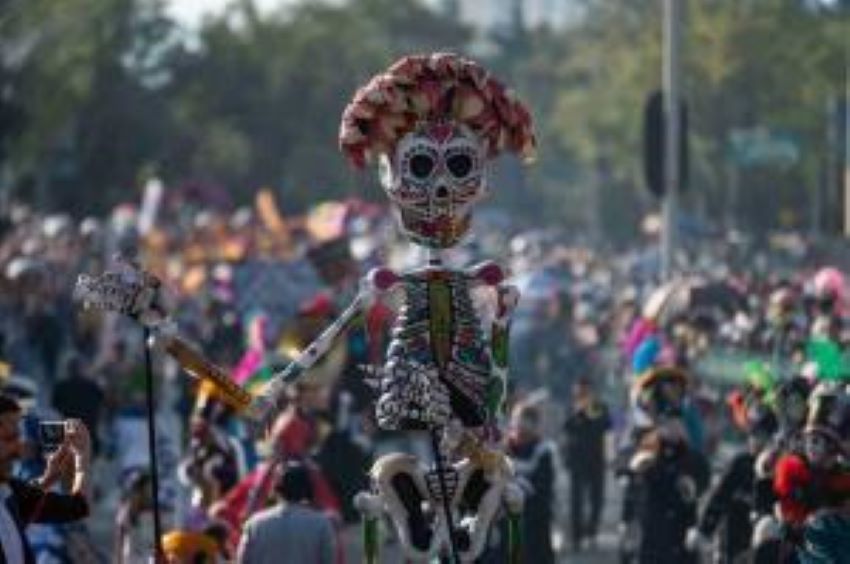
Mexico City will once again celebrate the Day of the Dead Parade, and the most important streets of the city, Paseo de la Reforma, will be transformed into a spectacle, with skeletal figures and traditional dancers. The private and elaborately decorated floats will be themed after the Mexican traditions. This is a grand event and a winter highlight that people come to enjoy from far and wide.
In Oaxaca, artisans create beautiful sand tapestries and paper decorations. In Pátzcuaro, Michoacán, families enjoy candlelit lake vigils, a sight loved around the world for its beauty and peacefulness. The coastal states of Veracruz and the Yucatán Peninsula also have food and music festivities, and celebrate with food like pan de muerto and tamales, part of the local cuisine.
Local Roots with a Global Celebration
Día de los Muertos is unique because it celebrates the different regions of Mexico. Each area makes the holiday special in its own way. In the northern states such as Nuevo León and Chihuahua, communities celebrate with gatherings and traditional craft fairs, showcasing the varying traditions of the region. Each region can showcase holiday traditions with the varying craft fairs and traditions.
UNESCO’s recognition of Día de los Muertos as an Intangible Cultural Heritage of Humanity in 2008 showcases the importance of this celebration for the culture of Mexico. Celebrating Día de los Muertos is about “{the community’s creativity,” and the “enduring relationship of the community with those who came before,” as stated by UNESCO. This enduring celebration is important for the people of Mexico and for people of the entire world.
Tourism and Cultural Impact
For tourists, this is an opportunity of a lifetime. Día de los Muertos is an opportunity for travelers to see Mexico’s culture and traditions authentically. Visitors in Mexico during this time are invited to the family fiestas and join families in making ofrendas, and most tourists visit the small towns of Pátzcuaro, Oaxaca, and San Andrés Mixquic. Here, for the most poignant of the celebrations, tourists can for the most poignant of the celebrations.
Día de los Muertos attracts many tourists while benefiting the country’s economy. As the holiday season approaches, Mexico expects over 1.6 million tourists, a 2.3% increase compared to last year. As the time approaches, more overseas tourists will be booking hotels to witness the culturally rich holiday celebrations that the country has to offer.
A Personal and Cultural Connection
Día de los Muertos is a unique holiday and a time of public remembrance. Families across Mexico separate the holiday as a time to remember and honor those members of their families who have passed on. Family stories and traditions are shared, and a sense of community is that connection to the past, making this holiday powerful and meaningful.
And then, there is the opportunity the holiday offers to visitors. For tourists, three and a half decades living outside Mexico is time to honor and remember family members who have passed on. Each moment of the holiday offers a lasting emotional richness and timeless cultural legacy of family, remembrance, and traditions that are rooted in Mexican heritage.
Final Thoughts: A Celebration of Life and Legacy
While preparing for the Día de los Muertos festivities, the country shows the world how important it is to honor the living and the dead. During this time, Mexicans find time for their heritage and spread it to the people coming into the country, and strengthen the relationships in their family and community. For travelers, this time of the year helps them get in touch with the country and people of Mexico, and the memories formed will last them a lifetime.
The post Mexico’s Día de los Muertos: The Ultimate Travel Experience You Can’t Miss appeared first on Travel and Tour World






































Comments and Responses
Please login. Only community members can comment.