




























































Malaysia’s Public Transport Surge Makes Travel Easier and More Affordable for Tourists, Enhancing Access to Iconic Destinations in Kuala Lumpur, Penang, and Beyond
-
Culinary, History & Art, Shopping, Travel
-
-
3 mins
-
Travel and Tour World
-
Manosree Majumder
-

Malaysia’s surge in public transport usage is improving travel access for tourists, making iconic destinations easier and cheaper to visit.
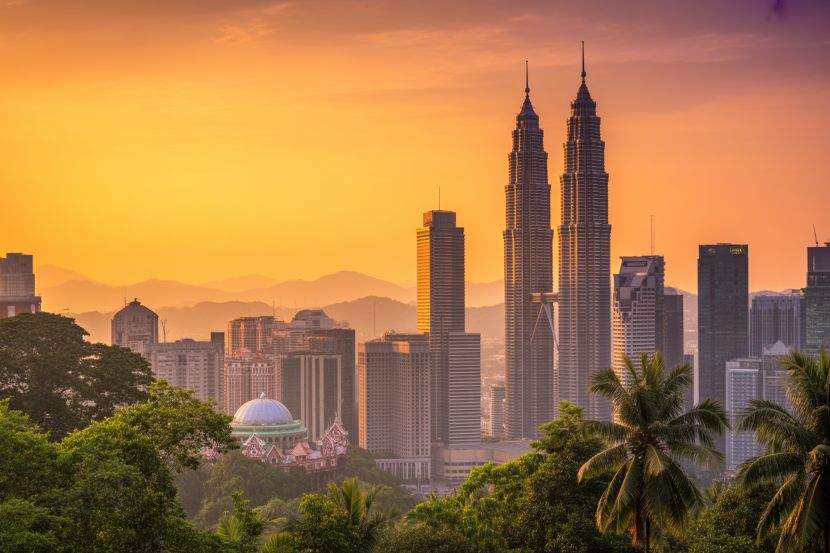
Kuala Lumpur, Penang and other major travel hubs in Malaysia are becoming increasingly connected and tourist‑friendly as public transport use rises significantly. Visitors planning trips to Malaysia’s cultural, food and heritage hotspots now find improved accessibility courtesy of expanding rail and bus networks that appeal to both travellers and locals alike. Official figures show that Malaysian public transport ridership has increased strongly, reflecting not only commuter trends but also opening up easier and more affordable travel options for international and domestic tourists. This shift is reshaping how visitors experience Malaysia’s iconic destinations and is a key development for travel planners and holidaymakers mapping their next adventures.
Record Growth in Ridership Signals Better Visitor Mobility
Data from Prasarana Malaysia Bhd, the state‑linked public transport operator responsible for major rail and bus services in Klang Valley and other urban areas, confirm a clear upward trend in ridership. Daily passenger numbers rose to an average of 1.31 million in 2025, up from approximately 1.18 million in 2024, representing an 11 per cent increase year‑on‑year. This growth reflects a renewed public confidence in public transport after improvements in reliability and service quality.
For tourists, this means better access to key travel destinations without the cost, stress or routing challenges associated with private car hire. Increased utilisation of train networks and bus services connects travellers not only to central urban attractions in Kuala Lumpur and Penang but also to cultural precincts, heritage quarters and regional food markets that define Malaysia’s rich travel experience.
Record High Daily Use Points to Visitor and Local Uptake
Transport reporting shows that on 31 December 2025, public transport networks recorded a peak of 1.63 million daily passengers — the highest figure in the operator’s history. This milestone is significant for tourists arriving in the country during festive periods or school holidays. With more people choosing public systems, visitors can tap into a reliable, timed network that links to major international gateways such as KL Sentral and KLIA Transit stations, which serve as pivotal hubs for international travellers entering Malaysia.
These statistics underline that public transport in Malaysia is not simply for daily commuters. They are equally valuable to travellers who want to navigate cities like Kuala Lumpur, George Town (Penang) and other heritage locations with ease and affordability. Rail lines such as the Kelana Jaya LRT and urban bus services offer seamless routes into cultural districts and market zones that appeal directly to sightseers and food explorers.
Improved Service Reliability Boosts Travel Confidence
Transport authorities and industry observers have attributed increased ridership to ongoing improvements in service reliability. The number of rail service disruptions saw a marked decline, helping to restore confidence in both commuter and leisure travel segments. This directly enhances a travel plan’s predictability for visitors seeking efficient ways to reach museums, heritage buildings or cultural food hubs without delays or inconvenience.
Enhanced timetables, clearer schedule information and integrated ticketing options make public transport a more attractive choice for travellers who prefer structured, timed transport over taxis or ride‑hailing services. This ease of movement plays into longer stays, repeat visits and more immersive travel experiences, which benefit the broader tourism ecosystem.
Public Transport as a Travel Advantage in Urban Tourism
Malaysia’s tourist attractions are diverse — from colonial architecture and street art lanes in Penang to bustling shopping districts and night markets in Kuala Lumpur. Public transport networks now link many of these attractions more efficiently. For example, the MRT and LRT systems provide transit access that reduces traffic congestion and cuts down travel time between key sightseeing spots, making city tours more convenient for visitors.
Destinations such as the historic core of George Town, a UNESCO World Heritage site, are easily reachable by bus services that tie into ferry terminals and rail stations. In Kuala Lumpur, trains and buses connect travellers to Petaling Street, Central Market, and the Batu Caves — enriching the travel itinerary with minimal transport barriers.
Convenience and Affordability Boost Tourist Experience
Public transport also aligns with budget travel preferences, especially for backpackers and younger visitors seeking cost‑effective ways to explore Malaysia. Using integrated transit systems, travellers can take advantage of travel passes and city cards that offer unlimited rides within specified periods, making local exploration cheaper and simpler. With the rising cost of private transport options, many tourists now plan itineraries that factor in local rail and bus schedules as core components of their travel logistics.
Additionally, public transport provides a culturally immersive experience for visitors keen to travel like locals. Riding urban trains or hopping on buses in Kuala Lumpur, Johor Bahru or Penang gives travellers real insight into everyday Malaysian life and facilitates interactions in neighbourhood markets, food streets and cultural precincts.
What This Means for Travel Planning in Malaysia
For travel writers, tour operators and holiday planners, the shift toward public transport use among Malaysians and visitors alike signals a strategic advantage for tourism promotion. City routes, urban loops and regional networks now serve as more than just commuter arteries — they are gateways to a richer travel narrative that connects culture, cuisine and exploration in a meaningful, affordable way.
Visitors to Malaysia can now more confidently build itineraries that prioritise public transit as part of the overall travel experience. From heritage trails in Penang to street food corridors in Kuala Lumpur, public transport is reshaping how tourists see and access the country’s most beloved destinations. With record figures and improved reliability, the country’s rail and bus systems are fast becoming part of the essential travel toolkit for anyone visiting Malaysia.
The post Malaysia’s Public Transport Surge Makes Travel Easier and More Affordable for Tourists, Enhancing Access to Iconic Destinations in Kuala Lumpur, Penang, and Beyond appeared first on Travel and Tour World
























































Comments and Responses
Please login. Only community members can comment.