













LONDON TRAVEL GUIDE: Best Time to Visit, Top Attractions, Hotels, Food & Local Tips
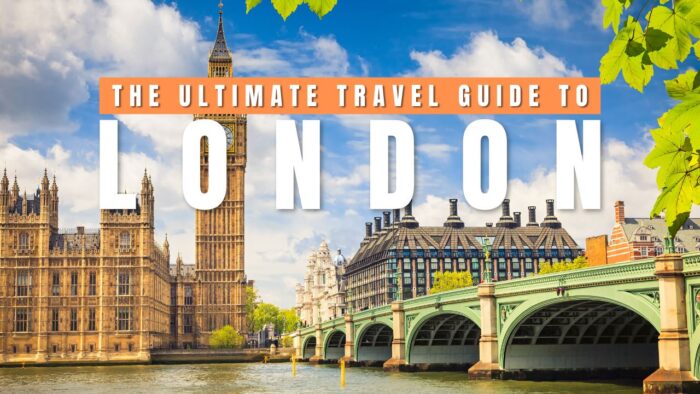
London Travel Guide
-
Travel, Blogs, Immigration, Entertainment, Culinary, Nature & Wildlife, History & Art, Shopping
-
-
43 mins
-
Out of Town Blog
-
Team Out of Town
-


London Travel Guide for First-Time Visitors: Attractions, Hotels, Costs & Itineraries London isn’t just a city—it’s a living museum, a global trendsetter, and a collection of villages stitched together by history, humor, and an unstoppable creative pulse. One moment you’re standing beneath centuries-old Gothic spires, the next you’re sipping flat whites in a repurposed warehouse […]
LONDON TRAVEL GUIDE: Best Time to Visit, Top Attractions, Hotels, Food & Local Tips
London Travel Guide for First-Time Visitors: Attractions, Hotels, Costs & Itineraries
London isn’t just a city—it’s a living museum, a global trendsetter, and a collection of villages stitched together by history, humor, and an unstoppable creative pulse. One moment you’re standing beneath centuries-old Gothic spires, the next you’re sipping flat whites in a repurposed warehouse while overhearing five different languages. This is a place where Roman walls coexist with cutting-edge architecture, and where tradition is honored—but never stagnant.
London Travel Guide
What makes London special is its layers. Scratch beneath the postcard sights and you’ll find neighborhood pubs older than entire countries, immigrant communities that have shaped British food, and parks so vast they feel like countryside escapes. Whether you’re a first-time visitor or returning for deeper exploration, London rewards curiosity.
Destination Overview
London is the capital city of England and the United Kingdom, located in southeastern England along the River Thames. It is one of the world’s most influential global cities, serving as a major center for politics, finance, culture, education, and tourism. With excellent international connectivity and a vast public transport network, London is easy for visitors worldwide to reach and navigate.
The history of London spans nearly 2,000 years, beginning with the Roman settlement of Londinium. Over the centuries, it developed through medieval, Tudor, and Victorian eras, each leaving a visible mark on the city’s architecture and institutions. London survived major events such as the Great Fire of 1666 and heavy bombing during World War II, rebuilding itself while preserving much of its historical character.
Today, London is a popular tourist destination due to its unique blend of heritage and modern life. Visitors are drawn to royal landmarks, world-class museums, historic neighborhoods, West End theatre, and a diverse food scene shaped by global cultures. The city’s parks, markets, shopping districts, and cultural events offer something for every travel style, making London appealing to both first-time visitors and repeat travelers.

Afternoon in London
Key highlights
- World-class museums (many are free)
- Royal landmarks and historic streets
- A diverse food scene influenced by the globe
- Excellent public transport
- Distinct neighborhoods with strong identities
Best time to visit
The best time to visit London is from April to June and September to early October. During these months, the weather is generally mild, parks are pleasant, and tourist crowds are more manageable compared to peak summer.
Season-by-Season Breakdown
- Spring (April–June): One of the best periods to visit. Temperatures range from 10–20°C (50–68°F), gardens and parks are in bloom, and sightseeing is comfortable.
- Summer (July–August): Warmest months (up to 25°C / 77°F) with long daylight hours and many festivals. However, this is peak tourist season with higher prices and larger crowds.
- Autumn (September–October): Cooler weather, fewer tourists, and cultural events returning after summer. A great balance of comfort and activity.
- Winter (November–February): Cold and occasionally wet, but festive lights, Christmas markets, and post-holiday hotel deals make it appealing for budget travelers (excluding late December).
Bottom line: For the best weather, value, and sightseeing experience, plan your trip in late spring or early autumn.
Travel difficulty: Easy
Recommended duration: 5–7 days (minimum 3 days for highlights)
Essential Travel Information
Visa Requirements & Entry Procedures
Filipino passport holders: Require a UK Standard Visitor Visa before arrival
- Apply online via UK Visas & Immigration
- Processing: ~3 weeks
- Cost: approx. USD 130 (6 months)
Visa-free nationalities: US, Canada, Australia, and EU citizens can stay up to 6 months
- The passport must be valid for the entire stay
Pro Tip: UK border officers may ask about accommodation and return flights—keep digital copies handy.
Currency & Budget Expectations
- Currency: British Pound Sterling (GBP)
- Credit/debit cards are widely accepted (even for small purchases)
Estimated daily costs (USD)
- Budget traveler: $70–100
- Mid-range: $120–200
- Comfortable/luxury: $250+
Meals:
- Street food: $8–12
- Casual restaurant: $15–25
- Mid-range dining: $30–45
Language & Communication
Language: English (British spelling and accents vary)
Londoners may seem reserved, but they are generally helpful when approached politely.
Getting There
London is one of the world’s most accessible cities, with multiple international airports, high-speed rail connections, and extensive road links.
By Air (Most Common Option)
London is served by six airports, with the following being the most relevant for travelers:
Heathrow Airport (LHR) – Best overall choice
- Main international hub
- Direct flights from Asia, North America, Europe, and the Middle East
- Fastest access to central London:
- Elizabeth Line: 30–45 minutes
- Heathrow Express: 15 minutes to Paddington
- Cost to city: $8–30 USD, depending on train
Gatwick Airport (LGW)
- Popular for European and budget airlines
- Gatwick Express to Victoria Station: ~30 minutes
- Cost: $15–25 USD
Stansted (STN) & Luton (LTN)
- Mainly low-cost carriers
- Longer transfers (45–75 minutes)
- Cheaper flights but less convenient
Pro Tip: Heathrow offers the best balance of flight options, transport speed, and comfort.
By Train (From Europe)
- Eurostar high-speed train connects London with Paris, Brussels, and Amsterdam
- Arrives at St Pancras International Station
- City-center to city-center travel
- Paris to London: ~2.5 hours
- Cost: $60–200 USD, depending on booking time
By Ferry & Car
- Ferries from France, Belgium, and the Netherlands connect to southern England
- From ports like Dover, drive or take trains to London (1–2 hours)
Arrival Tip
Have your accommodation details and return ticket accessible, as UK border officers may request proof upon entry.
Getting Around
London has one of the most efficient and user-friendly public transportation systems in the world. Visitors can easily move around the city without renting a car, as most attractions are well connected by public transport.
Public Transportation (Best Option)
London’s transport network is managed by Transport for London (TfL) and includes the Underground (Tube), buses, trains, and trams.
London Underground (Tube)
- The fastest way to travel long distances
- Covers most tourist areas
- Trains run every 2–5 minutes during peak hours
- Operating hours: approx. 5:00 AM–midnight (24-hour service on some lines on weekends)
Buses
- Slower than the Tube but more scenic
- Operate 24 hours on many routes
- Flat fare: ~$2.25 USD per ride
- Great for short distances and sightseeing
Local Tip: Sit on the upper deck of a red double-decker bus for city views.
How to Pay
- Contactless debit/credit card (easiest option)
- Oyster Card (reloadable transport card)
- Daily and weekly fare caps automatically limit spending
Trains & Overground
- London Overground & National Rail connect outer neighborhoods
- Useful for day trips and less touristy areas
Taxis & Ride-Hailing
- Black Cabs: Licensed, safe, can be hailed on the street (more expensive)
- Uber, Bolt, Free Now: Widely available and often cheaper than taxis
Walking & Cycling
- Many central areas are walkable
- Santander Cycles (“Boris Bikes”) are available across the city
- Cost: ~$3 USD for 30 minutes
What Not to Do
Renting a car is not recommended due to traffic, parking costs, and congestion charges.
Bottom Line: Use contactless payment on the Tube and buses for the fastest, cheapest, and most convenient way to get around London.
Local Secret: Buses are slower but scenic—and cheaper than the Tube.
Top Attractions & Experiences
Must-See Landmarks

Big Ben
Big Ben & Westminster
Big Ben and the Palace of Westminster form one of London’s most iconic landmarks. Big Ben, the famous bell inside the Elizabeth Tower, symbolizes British history, democracy, and timeless architecture. The surrounding Westminster area showcases Gothic grandeur, the River Thames, and a lively political atmosphere. It’s a must-visit for its striking skyline views, cultural significance, and classic photo opportunities.
Getting there is easy: take the London Underground to Westminster Station, served by the Jubilee, District, and Circle lines, just steps from the site.

Tower of London
Tower of London
The Tower of London is a historic fortress on the north bank of the River Thames, founded in 1066 by William the Conqueror. Over nearly a thousand years, it has served as a royal palace, prison, armory, and execution site.
Today it famously houses the Crown Jewels, guarded by the ceremonial Yeoman Warders. Intriguing facts include ravens kept on-site due to legend, and former prisoners such as Anne Boleyn. Its blend of dramatic history, architecture, and stories makes it a must-visit attraction.
To get there, take the Underground to Tower Hill station, or arrive by river boat along the Thames for a scenic approach.

British Museum
British Museum
The British Museum in London is one of the world’s leading museums, housing over eight million objects spanning two million years of human history. Founded in 1753, it was the first national public museum, free for all. Highlights include the Rosetta Stone, Parthenon sculptures, and Egyptian mummies. What makes it a must-visit is its global scope, scholarly depth, and the breathtaking Great Court with its glass roof. Located in Bloomsbury, it sits at the heart of the city’s cultural quarter.
Getting there is easy: take the Underground to Tottenham Court Road, Holborn, or Russell Square, all within a short walk. Interactive galleries, rotating exhibitions, and expert-led tours appeal to both first-time visitors and seasoned history enthusiasts worldwide.

Entrance Gate of the Buckingham Palace
Buckingham Palace
Buckingham Palace is the official London residence of the British monarch and a powerful symbol of the United Kingdom’s heritage. Built in the 18th century, it has 775 rooms and serves as the setting for state occasions, royal ceremonies, and the famous Changing of the Guard. One interesting fact is that the palace’s balcony is traditionally used for major national celebrations. What makes it a must-visit attraction is the chance to witness living history, admire its grand façade, and explore the surrounding St James’s Park.
Visitors can reach Buckingham Palace easily by taking the London Underground to Green Park, St James’s Park, or Victoria stations, all just a short walk away.

London Eye
London Eye
The London Eye is a giant observation wheel on the South Bank of the River Thames, offering panoramic views of London. Standing 135 meters tall, it was once the world’s tallest Ferris wheel and remains an iconic part of the city skyline. Each glass capsule rotates slowly, giving visitors about 30 minutes to take in landmarks such as Big Ben and St Paul’s Cathedral.
Originally, it was called the Millennium Wheel, and its smooth operation allowed passengers to board without stopping. It’s a must-visit attraction for first-time visitors, photographers, and families alike.
Getting there is easy: walk from Westminster Bridge or take the Underground to Waterloo Station, just a few minutes away.
Hidden Gems & Local Favorites

Little Venice in London
Little Venice
Little Venice is a charming canal district in west London where the Grand Union and Regent’s Canals meet. Known for its colorful narrowboats, waterside cafés, and leafy towpaths, it offers a peaceful escape from the city’s bustle. Interesting facts include its 19th-century origins as a transport hub and a debated nickname, sometimes linked to poet Robert Browning.
What makes it a must-visit is the relaxed atmosphere, scenic walks, and boat trips to Camden Market or London Zoo. Visitors can enjoy puppet theatre, floating cafés, and seasonal festivals.
Getting there is easy: take the Tube to Warwick Avenue (Bakerloo line) or Paddington, then walk 5–10 minutes to the canals.

Hampstead Heath Park
Hampstead Heath
Hampstead Heath is one of London’s most beloved green spaces, offering 790 acres of wild meadows, ancient woodland, and sweeping city views. Unlike manicured royal parks, it feels refreshingly untamed. From Parliament Hill, visitors enjoy one of the finest panoramas of the skyline.
The Heath is also famous for its historic swimming ponds, open year-round, and for Kenwood House, a stately home with an impressive art collection. Writers, artists, and locals have long drawn inspiration from its peaceful atmosphere. It’s a must-visit for walking, picnicking, wildlife spotting, or simply escaping the city’s bustle.
Getting there is easy: take the Tube to Hampstead or Belsize Park, or an Overground train to Hampstead Heath station.

Leadenhall Market
Leadenhall Market
Leadenhall Market is a beautifully preserved Victorian covered market in the heart of London. Dating back to Roman times, the building’s ornate roof and colorful details were added in 1881, making it one of the city’s most atmospheric spots.
The market is known for its elegant architecture, boutique shops, pubs, and eateries, and it served as Diagon Alley in the Harry Potter films. Unlike many tourist areas, it remains authentic and quieter on weekends. Its compact size makes it easy to explore while wandering the City.
To get there, take the Underground to Bank, Monument, or Liverpool Street stations—each just a short walk away.

God’s Own Junkyard photo via Facebook Page
God’s Own Junkyard
God’s Own Junkyard in London is a dazzling hidden gem: a neon wonderland tucked inside an industrial estate in Walthamstow. It showcases one of Europe’s largest collections of neon signs, vintage movie props, and quirky light art created and collected by neon artisan Chris Bracey and his family over decades. Walking in feels like entering a kaleidoscope of colour, with glowing signs stacked wall-to-ceiling and a fun, electric atmosphere that’s perfect for memorable photos. There’s also a café/bar called The Rolling Scones where you can sip drinks amid the lights, and many pieces are available to buy or rent.
To get there, take the Victoria Line to Walthamstow Central station, then enjoy a roughly 15-minute walk through the neighbourhood to the Ravenswood Industrial Estate.
It’s usually open Friday–Sunday, free to visit, and a must for art lovers and Instagram enthusiasts alike.

Postman’s Park
Postman’s Park
Postman’s Park in central London is a peaceful green square near St Paul’s Cathedral, famed for its touching Memorial to Heroic Self-Sacrifice — a series of ceramic plaques commemorating ordinary people who died saving others in acts of bravery. Created in 1900 and restored over time, the memorial highlights forgotten local heroes whose names might otherwise be lost, making it one of London’s most poignant and unique attractions.
The park’s quiet atmosphere offers a restful break from busy city streets, with shaded benches and seasonal flowers. It’s especially moving for history lovers and anyone interested in human stories of courage and compassion.
How to get there: Take the Central or Jubilee Line to St Paul’s Station (5-minute walk), or the District/Circle Line to Mansion House. It’s also close to bus routes along Queen Victoria Street.
Unique Experiences
- Thames River walk from Westminster to Tower Bridge
- West End theatre show ($30–100)
- Pub Sunday roast with locals
- Street art walk in Shoreditch
Photography Hotspots
- Tower Bridge at sunrise
- Primrose Hill skyline
- Sky Garden (free, book ahead)
- Notting Hill pastel houses
For more activities and places to visit in London, read our Top 15 Best Things to do in London.
Accommodation Recommendations
Budget ($50–100/night)

Point A Hotel London Kings Cross
Point A Hotel London Kings Cross
Point A London, Kings Cross is a modern, budget-friendly hotel in central London’s King’s Cross area, just a 5-minute walk from King’s Cross and St Pancras International stations, ideal for exploring the city or catching trains and the Eurostar.
Its compact, well-designed rooms feature air-conditioning, free Wi-Fi, flat-screen TVs, private bathrooms, and blackout curtains for restful stays. Facilities include a 24-hour front desk, a snack bar/café, a lounge, luggage storage, express check-in/check-out, and an optional continental breakfast. The hotel’s central location also places attractions such as the British Library and Granary Square within easy reach on foot or by public transport.

YHA London Central
YHA London Central
YHA London Central is a centrally located budget hostel at 104 Bolsover Street in London’s Fitzrovia/W1 district, just minutes from Oxford Street, Regent’s Park, and Great Portland Street Tube Station for easy sightseeing access. It offers a range of facilities, including free Wi-Fi, a self-catering kitchen, a common room, a café/bar with food, luggage storage and lockers, tour/ticket assistance, and a 24-hour front desk.
Dorms and private rooms with shared or ensuite bathrooms suit solo travelers and groups. Its friendly atmosphere and prime location make it a convenient and social choice for visitors exploring London.
Mid-Range ($100–250/night)

The Z Hotel Soho
The Z Hotel Soho
The Z Hotel Soho is a contemporary, compact hotel in the heart of London’s West End, on Moor Street in vibrant Soho, close to Leicester Square, Piccadilly Circus, and Covent Garden. Its 85 modern rooms are designed for comfort, with free Wi-Fi, handcrafted beds, HDTVs, and en suite showers. Communal spaces include a café/bar serving breakfast, snacks, and drinks.
The hotel combines classic Georgian exterior charm with stylish interiors and offers 24-hour reception and luggage storage. Its unbeatable central location puts guests steps from theatres, restaurants, and nightlife, making it ideal for short city stays.
CitizenM London Bankside
citizenM London Bankside is a contemporary 4-star boutique hotel in South Bank, central London, at 20 Lavington Street, SE1 — just steps from Tate Modern, Borough Market and Millennium Bridge. The property features sleek, tech-savvy guestrooms with XL beds, mood lighting, and tablets to control lighting, temperature, and entertainment.
Guests enjoy free high-speed Wi-Fi, a stylish canteenM restaurant, bar/lounge, 24-hour front desk, and business facilities including meeting rooms and a business centre. Additional amenities include breakfast (surcharge), air-conditioning, lift access, luggage storage, and accessible rooms, making it ideal for both leisure and business travellers in London.
Luxury ($250+/night)

The Savoy London photo via Facebook Page
The Savoy
The Savoy is an iconic 5-star luxury hotel on the Strand by the River Thames in central London, steps from Covent Garden, West End theatres, Leicester Square, and major attractions. It offers around 267 elegant rooms and suites in Edwardian and Art Deco styles, many with river views, plus world-class restaurants and bars, including the famous American Bar and Savoy Grill.
Facilities include a gym, indoor pool, spa, 24-hour concierge, business centre, meeting rooms, and valet parking, with free Wi-Fi and comprehensive guest services. Its prime location and historic glamour make it one of London’s most celebrated hospitality landmarks.

Shangri-La The Shard
Shangri-La The Shard London
Shangri-La The Shard, London, is a luxury 5-star hotel occupying levels 34–52 of The Shard, Western Europe’s iconic skyscraper in the London Bridge area, near Borough Market and London Bridge Station. The hotel offers panoramic skyline views, elegant rooms and suites with premium bedding and modern comforts, plus three restaurants including TING and the sky-high G?NG bar.
Facilities include a gym, spa, sauna, Western Europe’s highest hotel swimming pool on level 52, free Wi-Fi, 24-hour service, and a concierge. Its central location makes it ideal for exploring London’s attractions along the Thames.
Alternative Stays
- Airbnb in Greenwich or Hackney for a local feel
- Serviced apartments for families
Pro Tip: Stay near a Tube Zone 1–2 station to save time.
Food & Dining Guide
Must-Try Dishes

Crispy golden fish and chips with tartar sauce and mushy peas
Fish & Chips
Fish & Chips is Britain’s classic dish of crispy, golden-battered white fish (often cod or haddock) served with thick, crunchy chips — a hearty takeaway staple beloved across London. It became popular in the 19th century as affordable working-class fare and remains a cultural icon in traditional “chippies” and pubs worldwide.
Locals love its satisfying contrast of crisp batter and tender fish, often paired with malt vinegar or tartar sauce. Its deep roots in British life and nostalgia for seaside holidays make it a favourite comfort meal for Londoners and visitors alike.

Full English Breakfast
Full English Breakfast
A Full English Breakfast is a hearty traditional British morning meal commonly featuring bacon, sausages (often pork “bangers”), fried or scrambled eggs, grilled tomatoes, mushrooms, baked beans, and toast or fried bread. Black pudding (blood sausage) and hash browns are also typical additions.
Loved in London and throughout England, it’s a satisfying, flavorful blend of savory elements—perfect after a big night out or as a weekend treat. Served with tea or coffee, it’s become an iconic part of UK food culture and a must-try for visitors seeking a classic local experience.

Sunday Roast
Sunday Roast
A Sunday Roast is a classic British meal traditionally eaten on Sundays, featuring roasted meat (like beef, chicken, lamb, or pork) with crispy roast potatoes, seasonal vegetables, rich gravy, and often Yorkshire pudding.
It’s a beloved ritual in London pubs and homes, bringing people together over hearty, comforting food and sociable long lunches. Locals love it for its deep roots in British culture, satisfying flavors, and relaxed weekend vibe — a tasty way to enjoy time with family and friends.

Chicken Tikka Masala
Chicken Tikka Masala
Chicken Tikka Masala is a creamy, tomato-based curry of marinated grilled chicken pieces in a spiced sauce that became hugely popular in the UK after South Asian chefs adapted it to British tastes. It blends bold Indian spices with a rich, mild sauce that appeals to a wide range of palates, making it a staple on London menus and in curry houses nationwide.
Often dubbed Britain’s national dish, it reflects the UK’s diverse food scene and immigrant influences with its comforting flavor and cultural fusion.

Afternoon Tea
Afternoon Tea
Afternoon Tea is a classic British ritual of light sandwiches, freshly baked scones with clotted cream and jam, and sweet pastries served with fine tea, usually between 3–5 p.m. in elegant settings.
It began in the 1840s to bridge the long gap between lunch and a late dinner and became a cherished social tradition in London’s hotels and tearooms.
Locals love it for its blend of history, refinement, and relaxed socializing, making it both a cultural experience and a delicious indulgence.
Restaurant Recommendations
- Dishoom Covent Garden – Legendary Bombay-style comfort food ($20–30).
- Rules Restaurant – London’s oldest restaurant, classic British fare ($30–50).
- Borough Market – Global street food paradise ($10–15 per dish).
Street Food Safety
- Look for high turnover stalls
- Cashless payment preferred
Dietary Needs
- Vegan and halal options are widely available
- Marks & Spencer and Pret offer clear labeling
Local Secret: Ethnic food in London often beats its country of origin.
Local Culture & Etiquette
London is multicultural, polite, and rule-oriented—but largely unspoken. Understanding everyday etiquette will help you blend in smoothly and avoid awkward moments.
Social Norms & Everyday Behavior
- Queuing is sacred. Always line up patiently for buses, shops, restrooms, and attractions. Cutting the line is considered rude.
- Personal space matters. Londoners are friendly but reserved. Avoid loud conversations, especially on public transport.
- Small talk is minimal. Politeness is valued, but strangers typically engage only when necessary.
Local Secret: A simple “Sorry” is often used instead of “Excuse me,” even when it’s not your fault.
Public Transport Etiquette
- Stand on the right, walk on the left on escalators
- Let passengers exit before boarding
- Avoid eating hot or strong-smelling food on the Tube
- Keep backpacks off your back during rush hour
Dining & Pub Culture
- Order and pay at the bar in pubs—table service is uncommon
- Saying “Cheers” means thank you, not just a toast
- Tipping:
-
- Restaurants: 10–12.5% if service charge is not included
- Pubs: Not required, but rounding up is appreciated
Dress Code
- Casual and practical is normal
- Comfortable shoes are essential
- Smart-casual attire is expected for theaters and nicer restaurants
Cultural Sensitivity
- London is highly diverse—respect different cultures, accents, and traditions
- Avoid sensitive political topics unless initiated by locals
Pro Tip: Politeness, punctuality, and quiet confidence go a long way in London.
Festivals
- Notting Hill Carnival (August)
- Winter Wonderland (December)
- Trooping the Colour (June)
Practical Tips & Safety
- Generally safe; watch for pickpockets in crowded areas
- Emergency number: 999
- Pack layers and a waterproof jacket
- Use free museum days to save money
Money-Saving Tip: Many top museums are completely free.
Souvenir Shopping
- Tea, biscuits, shortbread
- Royal memorabilia
- London-themed prints
Best Places
- Covent Garden
- Camden Market
- Portobello Road Market (Saturday)
Suggested Itineraries
3-Day Express
Day 1: Westminster, Buckingham Palace, Thames walk
Day 2: British Museum, Covent Garden, West End show
Day 3: Tower of London, Borough Market, Sky Garden
Off-the-Beaten-Path
- Hampstead Heath picnic
- Greenwich Village and the Prime Meridian
- Canal walk from Little Venice to Camden
Final Thoughts
London is a well-organized, easy-to-navigate city that offers a wide range of experiences for travelers of different styles and budgets. With efficient public transportation, free museums, diverse food options, and clearly defined neighborhoods, it is an excellent destination for both first-time visitors and returning travelers.
By planning your visit around the right season, choosing accommodations near major transport lines, and balancing popular attractions with lesser-known areas, you can make the most of your time in the city. London also accommodates various dietary needs, travel budgets, and accessibility requirements, making it a practical choice for solo travelers, families, and groups.
Use this guide to build a realistic itinerary, estimate daily costs, and travel confidently. With proper preparation, London can be explored efficiently while still offering meaningful cultural experiences.
London Travel Tour Packages You Should Try
<script type="text/javascript"></p> <p> (function (d, sc, u) {</p> <p> var s = d.createElement(sc),</p> <p> p = d.getElementsByTagName(sc)[0];</p> <p> s.type = "text/javascript";</p> <p> s.async = true;</p> <p> s.src = u;</p> <p> p.parentNode.insertBefore(s, p);</p> <p> })(</p> <p> document,</p> <p> "script",</p> <p> "https://affiliate.klook.com/widget/fetch-iframe-init.js"</p> <p> );</p> <p></script>
Follow and subscribe to OutofTownBlog.com on Facebook , Twitter, Instagram, Pinterest, and YouTube for more Travel-related updates.
Read:
- Travel Guide for Visiting London
- “Secret London” – Fun and Quirky things to do in London that your average tourist wouldn’t know about?
LONDON TRAVEL GUIDE: Best Time to Visit, Top Attractions, Hotels, Food & Local Tips
The post LONDON TRAVEL GUIDE: Best Time to Visit, Top Attractions, Hotels, Food & Local Tips appeared first on Out of Town Blog
Comments and Responses
Please login. Only community members can comment.