























































Living in the Philippines as a Digital Nomad (Costs & Visas)

Living in the Philippines as a Digital Nomad
-
Travel, Blogs, Immigration, Entertainment, Wellness, Culinary, Nature & Wildlife, History & Art, Shopping
-
-
20 mins
-
Out of Town Blog
-
Team Out of Town
-


Digital Nomad Life in the Philippines: Complete Guide to Costs and Visa Requirements The Philippines launched its Digital Nomad Visa in April 2025, making it easier than ever for remote workers to live legally in the country for up to 2 years. You’ll need to show proof of $24,000 in annual income from foreign sources, […]
Living in the Philippines as a Digital Nomad (Costs & Visas)
Digital Nomad Life in the Philippines: Complete Guide to Costs and Visa Requirements
The Philippines launched its Digital Nomad Visa in April 2025, making it easier than ever for remote workers to live legally in the country for up to 2 years. You’ll need to show proof of $24,000 in annual income from foreign sources, health insurance, and a clean criminal record to qualify. The visa has opened doors for thousands of remote workers looking for an affordable base with great weather and friendly locals.
Living in the Philippines as a Digital Nomad
You can live comfortably in the Philippines for $1,000 to $2,000 per month, depending on your lifestyle and location choice. Cities like Manila and Cebu offer modern coworking spaces and fast internet, while island destinations like Siargao provide a more laid-back beach lifestyle. Your monthly costs will cover rent, food, transportation, and entertainment, leaving you with more money than in most Western countries.
This guide walks you through everything you need to know about working remotely from the Philippines. You’ll learn about visa options, monthly expenses in different cities, internet reliability, tax obligations, and practical tips for settling in. Whether you’re planning a short stay or thinking about making the Philippines your long-term base, you’ll find the information you need to make an informed decision.
Overview of Digital Nomad Life in the Philippines
The Philippines attracts digital nomads with low costs and beautiful landscapes, but slow internet and infrastructure issues create real obstacles. Filipino culture emphasizes warmth and connection, making it easier to build community while working remotely in the Philippines.
Top Benefits for Remote Workers
Your money stretches much further in the Philippines compared to Western countries. You can rent a comfortable apartment for $300-600 per month in most cities. Meals at local restaurants cost $2-5, and transportation remains cheap whether you use jeepneys, tricycles, or ride-sharing apps.
The country offers over 7,000 islands with diverse settings for your remote work setup. You can work from modern co-working spaces in Manila and Cebu, beachside cafes in Siargao, or mountain retreats in Baguio. The tropical climate means warm weather year-round, though the rainy season from June to November brings heavy storms.
English is widely spoken as an official language. You won’t struggle with basic communication in cities and tourist areas. Many Filipinos work in customer service and tech industries, creating a culture that understands remote work needs.
Typical Challenges to Expect
Internet connectivity ranks among the slowest in Southeast Asia. Upload speeds often drop during video calls, and streaming or transferring large files can be frustrating. You need backup options, such as mobile hotspots or multiple internet providers, to maintain reliable connections.
Power outages happen regularly, especially outside major cities. You should invest in a good power bank and portable battery backup for your devices. Some areas experience daily brownouts during peak hours.
Traffic in Manila reaches extreme levels during rush hours. A 20-minute trip can stretch to two hours. Typhoons and flooding disrupt normal life several times per year, sometimes cutting off internet and electricity for days.
Filipino Hospitality and Community
Filipino hospitality makes settling into digital nomad life easier. Locals welcome foreigners warmly and often go out of their way to help you navigate daily challenges. This cultural trait, called “pakikisama,” emphasizes getting along with others and helping them.
You’ll find active digital nomad communities in Manila, Cebu, and Siargao. Co-working spaces host regular networking events and skill-sharing sessions. Many expats and digital nomads in the Philippines organize beach trips, dinners, and work sessions through Facebook and Meetup.
Filipino culture strongly values family and social connections. You’ll receive frequent invitations to celebrations, meals, and gatherings once you build local friendships. This social atmosphere helps combat the isolation that remote workers often face.
Philippines Digital Nomad Visa and Entry Requirements
The Philippines introduced a Digital Nomad Visa in 2023 to attract remote workers who want to live and work legally in the country. You can stay for up to 1 year with this visa, though some sources indicate that extensions may allow up to 2 years.
What is the Digital Nomad Visa?
The Philippines Digital Nomad Visa (DNV) lets you work remotely in the Philippines for a foreign employer or clients while living in the country legally. The visa provides multiple-entry privileges and a valid stay of up to 12 months.
You cannot take local employment or work for Philippine-based companies while holding this visa. The DNV specifically targets remote workers, freelancers, and entrepreneurs who earn income from sources outside the Philippines. This visa gives you the legal right to stay longer than a typical tourist visa without needing frequent renewals or visa runs.
Eligibility Criteria
You need to meet specific income requirements to qualify for the Philippines digital nomad visa. Most sources indicate you must earn at least $1,500 per month from remote work or have sufficient financial means to support yourself during your stay.
You must be employed by a company outside the Philippines or work as a freelancer serving international clients. Your work cannot involve any Philippine-based employers or clients. You need valid health insurance coverage for the duration of your stay.
Key requirements include:
- Proof of remote employment or freelance work
- Minimum monthly income threshold
- Valid passport (typically with at least 6 months’ validity)
- Health insurance coverage
- Clean criminal record
Visa-Free Entry and Tourist Visa Extensions
You can enter the Philippines visa-free for 30 days if you hold a passport from one of over 150 eligible countries. This includes citizens from the United States, Canada, the United Kingdom, Australia, and most European nations.
If you want to test living as a digital nomad before committing to the Digital Nomad Visa, you can extend your tourist visa. Tourist visas can be extended for up to 36 months total through multiple extensions at immigration offices. Each extension requires a fee and paperwork, typically costing between $50 to $100, depending on the length.
Many digital nomads initially enter on a tourist visa to explore the country before applying for the official DNV.
Application Process and Required Documents
You can apply for the Digital Nomad Visa through the Philippine Bureau of Immigration. Applications opened in late June 2023, and you can submit your application online or at immigration offices in the Philippines.
Required documents typically include:
- Valid passport with at least 6 months’ validity
- Completed visa application form
- Proof of remote employment or business ownership
- Bank statements showing minimum income requirements
- Health insurance documentation
- Police clearance or background check
- Passport-sized photos
- Payment for visa fees
The visa fee has not been officially published across all sources, but you should expect processing fees similar to those for other long-term Philippine visas. Processing time varies, but most applications receive responses within several weeks. You may need to provide additional documentation if immigration officers request clarification on your employment or income sources.
Living Costs for Digital Nomads in the Philippines
The Philippines ranks among the most affordable destinations in Southeast Asia for remote workers. Monthly expenses typically range from $800 to $1,500, depending on your choices, with housing and food being your highest costs.
Monthly Budgets by Lifestyle
A budget lifestyle in the Philippines costs around $800 to $1,000 per month. You’ll stay in basic apartments or shared accommodations, eat mostly at local eateries, and use public transportation. This budget covers rent in smaller cities, street food meals at $2-3 each, and minimal entertainment expenses.
A mid-range lifestyle costs $1,200 to $1,500 per month. You can afford a comfortable one-bedroom apartment in popular areas, mix local and Western restaurants, and use ride-sharing apps regularly. This budget includes gym memberships, occasional weekend trips, and better quality housing with reliable amenities.
A comfortable lifestyle starts at $1,800 and can reach $2,500 per month. You’ll live in modern condos with pools and gyms, dine at international restaurants frequently, and enjoy regular activities like diving or island hopping. This tier gives you access to premium coworking spaces and more flexibility in your daily choices.
Cost Breakdown: Housing, Food, and Utilities
Housing represents your biggest monthly expense. Studio apartments in Manila or Cebu cost $300-500 in decent neighborhoods, while similar units in smaller cities like Siargao run $200-350. One-bedroom condos with amenities range from $400 to $ 700 in major cities.
Food costs vary based on eating habits. Local meals at carinderias cost $2-3, while mid-range restaurant dinners run $8-12 per person. Groceries for cooking at home average $150-250 per month when you buy a mix of local and imported items.
Utilities stay relatively low. Electricity costs $30-60 monthly, depending on air conditioning use. Internet plans with 50-100 Mbps speeds cost $25-40. Water bills rarely exceed $10 monthly.

Coworking Spaces
Coworking Spaces and Workspace Expenses
Coworking spaces in the Philippines charge $80-150 for monthly memberships in major cities. A Space Cebu offers plans starting at $100 per month, including high-speed internet and meeting rooms. Manila coworking spaces like KMC and The Loft range from $90 to $ 180, depending on amenities and location.
Day passes cost $8-15, making them practical for occasional use. Most spaces include free coffee, printing credits, and community events. Cafes work as budget alternatives at $2-4 per drink, though extended stays require multiple purchases throughout the day.
Internet reliability matters for remote work. Premium coworking spaces guarantee backup connections and generator power during outages. Home internet works well in cities but becomes less stable in beach towns and rural areas.
Best Destinations and Coworking Hubs
The Philippines offers several cities and islands that balance work infrastructure with lifestyle benefits. Cebu offers urban amenities with beach access, while Siargao attracts creative professionals drawn to surf culture, and Palawan delivers natural beauty alongside basic remote-work facilities.
Cebu City: Urban Comforts and Island Access
Cebu City stands out as the most developed digital nomad hub outside Manila. The city has reliable high-speed internet, numerous coworking spaces, and all the services remote workers need.
A Space Cebu operates in the IT Park area and offers daily, weekly, and monthly memberships. The IT Park and Cebu Business Park districts contain the highest concentration of coworking facilities. These areas have backup power systems and fiber internet connections that reach 100+ Mbps.
Monthly coworking memberships range from $80 to $150. You can find studio apartments near these business districts for $300 to $500 per month. The city has international restaurants, shopping malls, and medical facilities.
Cebu’s location gives you weekend access to nearby islands. Moalboal, Bantayan Island, and Malapascua are all reachable within a few hours. The Mactan-Cebu International Airport connects to major Asian cities.
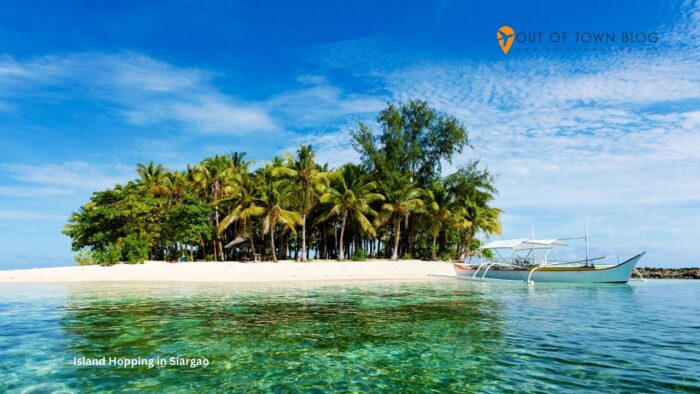
Island Hopping in Siargao
Siargao: Surf Culture and Creative Communities
Siargao has become popular with digital nomads who prioritize lifestyle over urban conveniences. The island’s main town, General Luna, hosts most of the coworking spaces and accommodations.
Internet speeds are slower than in Cebu, but adequate for most remote work. Several cafes and dedicated coworking spaces offer 20-50 Mbps connections. Power outages happen occasionally, so you need backup plans.
Monthly accommodation costs $400-$700 for basic apartments near the beach. Food is cheaper than in Cebu if you eat local meals. The island attracts designers, developers, writers, and other creative professionals who work independently.
The community is informal and social. You’ll find regular meetups at surf spots and beach bars. The Cloud 9 area has the most facilities, but some nomads prefer quieter spots like Pacifico Beach.

Palawan and Puerto Princesa: Nature and Adventure
Puerto Princesa serves as Palawan’s main city and entry point. The city has basic coworking infrastructure and stable internet in the downtown area. It’s less developed than Cebu but offers access to exceptional natural sites.
A few coworking spaces operate in the city center, with rates around $60 to $100 per month. Internet speeds average 25-40 Mbps. Apartments cost $250 to $450 per month.
El Nido and Coron attract digital nomads despite limited infrastructure. These towns have slower internet and fewer dedicated workspaces. Most remote workers use cafe wifi or their accommodation’s connection. The tradeoff is living near limestone cliffs, lagoons, and dive sites.
Palawan works best for nomads with flexible schedules who can handle occasional connectivity issues. The low cost of living and outdoor activities make it worth considering for stays of a few weeks to a few months.
Other Popular Cities and Islands
Manila provides the most coworking options and the fastest internet in the country. BGC (Bonifacio Global City) and Makati have dozens of professional coworking spaces. The city is crowded and expensive compared to other Philippine destinations. Monthly costs run $800 to $1,200, including housing and coworking.
Dumaguete attracts nomads seeking a university town atmosphere. It’s smaller and quieter than Cebu. The city has several coworking spaces and reliable internet. Monthly living costs stay around $600 to $900.
Baguio offers cooler mountain weather and a creative community. Internet infrastructure is decent in the city center. The mountain location means slower connections in some areas.
La Union, particularly San Juan, draws surfers and beach-oriented nomads. It has basic coworking facilities and a growing expat community. Monthly costs range from $500 to $800.
Internet Connectivity and Remote Work Infrastructure
The Philippines has made significant progress in digital infrastructure, though internet quality varies widely by location. Mobile data often outperforms fixed broadband in many areas, and coworking spaces provide reliable backup options for remote workers.
Average Internet Speeds and Providers
Internet in the Philippines averages 50-100 Mbps in major cities like Manila, Cebu, and Davao. Rural areas and smaller islands typically get 10-25 Mbps, which can make video calls challenging.
The main providers are PLDT, Globe, and Converge. PLDT offers fiber plans from P1,500-3,500 monthly ($27-63 USD) for speeds between 50-200 Mbps. Globe provides similar pricing and speeds. Converge is growing fast with competitive rates but has limited coverage outside Metro Manila.
Installation takes 1-4 weeks, depending on your location. Many landlords include internet, but speed and reliability aren’t guaranteed. Test the connection before signing a lease if you work remotely in the Philippines.
Mobile SIMs and Data Plans
Mobile data serves as an essential backup internet in the Philippines. Globe and Smart are the two major carriers with nationwide coverage.
Prepaid SIMs cost P40-50 ($0.70-0.90 USD) and require no contract. You can buy them at convenience stores, airports, and malls. Registration is mandatory and requires a valid ID.
Popular data plans include:
- Globe GoWiFi99: P99 for 8GB valid for 7 days
- Smart Giga99: P99 for 8GB valid for 7 days
- Globe Go50: P50 for 3GB valid for 3 days
Unlimited data plans run P999-1,499 monthly but often throttle after 10-20GB. LTE coverage is strong in cities but drops to 3G in remote areas. Keep both Globe and Smart SIMs since coverage varies by location.
Coworking Spaces and Cafés for Productivity
Coworking spaces cost P200-600 ($3.50-11 USD) per day or P3,000-10,000 ($54-180 USD) monthly. They provide fast internet (100+ Mbps), private meeting rooms, and air conditioning.
The Loft in BGC, Manila, offers 24/7 access and costs P8,500 per month. ImpactHub Manila offers community events for P5,500 per month. In Cebu, The Company charges P4,000 monthly with locations across the city. Siargao has Mad Monkey and WorkSurf priced at P300- P400 per day.
Coffee shops like Starbucks, Bo’s Coffee, and local cafés work for lighter tasks. Expect 10-30 Mbps speeds. A coffee costs Php100-200 and gets you 2-3 hours of space. Most shops have air conditioning, but outlets can be scarce during peak hours.
Legal, Tax, and Practical Considerations
Working remotely in the Philippines requires understanding local regulations, managing finances across borders, and knowing your tax obligations. The country has recently introduced specific policies for remote workers, but navigating banking and taxation still needs careful attention.
Remote Work Legality and Local Regulations
The Philippines Digital Nomad Visa allows you to work remotely for 12-24 months without needing a traditional work permit. This visa specifically targets freelancers and remote employees who work for foreign companies. You cannot use this visa to work for Philippine-based employers or engage in local employment.
Tourist visa holders can extend their stay up to 36 months through consecutive extensions. However, working on a tourist visa exists in a legal gray area. The Digital Nomad Visa removes this uncertainty.
You need to register with the Bureau of Immigration and provide proof of employment or freelance contracts with foreign companies. The visa requires you to show sufficient income to support yourself during your stay.
Banking and Managing Finances
Opening a Philippine bank account as a foreigner requires specific documentation and can be challenging without long-term residence status. Most banks require an Alien Certificate of Registration or a work visa.
You can use international banking services and digital payment platforms to manage finances more easily. Many digital nomads rely on:
- International banks with Philippine branches
- Digital wallets like PayPal or Wise for receiving payments
- ATM withdrawals using foreign cards (though fees apply)
- Credit cards from your home country
Currency exchange rates and transfer fees add up quickly. Compare services to find the most cost-effective way to access your money.
Tax Status for Digital Nomads
Your tax obligations depend on your residency status and the source of your income. The Philippines taxes residents on worldwide income but only taxes non-residents on Philippine-sourced income.
Digital nomads working for foreign companies typically owe taxes in their home country, not the Philippines. You become a tax resident if you stay in the country for more than 180 days in a calendar year. This triggers different reporting requirements.
Keep detailed records of your work contracts, income sources, and days spent in the country. Consult a tax professional familiar with both Philippine and your home country’s tax laws to avoid double taxation or compliance issues.
Lifestyle, Culture, and Integration
The Philippines offers a welcoming environment where English is widely spoken, and locals are known for their warmth. You’ll find it easier to build connections here than in many other Southeast Asian countries, though understanding cultural norms will help you integrate more smoothly into daily life.
Language and Communication
English is one of the official languages in the Philippines, which makes communication much easier than in most Asian countries. You’ll find that most Filipinos in cities speak English well, especially in business settings, restaurants, and coworking spaces.
Street signs, menus, and government forms are typically in English. This removes a major barrier that digital nomads face in other countries. However, learning basic Tagalog phrases like “salamat” (thank you) and “kumusta” (how are you) shows respect and helps build rapport with locals.
Filipinos appreciate it when foreigners make an effort to learn their language. You’ll also encounter regional languages like Cebuano in Visayas and Ilocano in Northern Luzon, but English remains your reliable communication tool throughout the country.
Making Connections and Social Life
Filipino hospitality is genuine and makes forming friendships straightforward. Locals are naturally friendly and often invite newcomers to social gatherings, family celebrations, and community events without hesitation.
You’ll find active digital nomad communities in major hubs like Manila, Makati, and Siargao. Coworking spaces regularly host networking events, meetups, and skill-sharing sessions. Facebook groups for expats and remote workers are also popular for finding social activities and getting advice.
The social culture revolves around food and gathering. Expect invitations to karaoke nights, beach outings, and shared meals. Filipinos value relationships and building personal connections before business ones, so investing time in friendships pays off both personally and professionally.
Adapting to Local Customs
Filipinos value respect for elders and use polite terms such as “po” and “opo” in conversation. You should address older people or those in authority with proper titles and show deference in social situations.
Key cultural practices to know:
- Remove shoes when entering homes
- Greet people with a smile and a slight nod
- Avoid public displays of anger or confrontation
- Use your right hand when giving or receiving items
- Dress modestly, especially in provincial areas
Family is central to Filipino culture, and you’ll notice businesses close for family events. “Filipino time” means social events often start late, though business meetings usually run on schedule. Patience and flexibility help you adapt to this more relaxed approach to time.
Frequently Asked Questions
Digital nomads heading to the Philippines often wonder about visa options, application processes, living expenses, and access to healthcare. The country offers multiple visa pathways for remote workers, with monthly costs typically ranging from $800 to $1,500 depending on your lifestyle and location choice.
What types of visas are available for digital nomads planning to live in the Philippines?
The Philippines introduced a Digital Nomad Visa in 2025, designed specifically for remote workers, freelancers, and entrepreneurs who work for clients or companies outside the Philippines. This visa allows you to stay in the country while maintaining your remote work.
You can also use a tourist visa, which grants you 30 days on arrival for most nationalities. Tourist visas can be extended at immigration offices for up to 36 months total.
The Special Resident Retiree’s Visa (SRRV) is another option if you’re 35 or older and meet certain deposit requirements. The 13(a) visa works if you’re married to a Filipino citizen.
How can one apply for a long-term stay visa as a digital nomad in the Philippines?
For the Digital Nomad Visa, you’ll need to submit your application through the Philippine Bureau of Immigration. You must provide proof of employment or business ownership outside the Philippines, along with evidence of sufficient income to support yourself.
Required documents typically include a valid passport, employment verification or business registration, bank statements, and health insurance coverage. The application process can be completed online or at Philippine embassies and consulates abroad.
If you’re already in the Philippines on a tourist visa, you can extend it at any Bureau of Immigration office. You’ll need to bring your passport, completed extension forms, and payment for the extension fee.
What is the average cost of living for a digital nomad in the Philippines?
Your monthly expenses will range from $800 to $1,500 in most cities, depending on your lifestyle choices. Budget-conscious nomads can live comfortably on the lower end, while those seeking more amenities will spend closer to the higher range.
Accommodation costs vary significantly by location. A one-bedroom apartment in Manila costs $400 to $800 per month, while similar units in smaller cities like Cebu or Davao run $250 to $500.
Food expenses are quite affordable. Local meals cost $2 to $4, while dining at mid-range restaurants runs $8 to $15 per person. Groceries for one person typically cost $150 to $250 monthly.
Transportation is inexpensive throughout the country. Jeepney rides cost less than $0.50, while ride-sharing apps charge $2 to $5 for most city trips. Monthly gym memberships cost $20 to $40.
What are the best cities or islands in the Philippines for digital nomads to settle in?
Cebu offers a balance of urban amenities and beach access, with reliable internet and a growing digital nomad community. The city has numerous coworking spaces, cafes with good WiFi, and affordable accommodation options.
Manila provides the most metropolitan experience with the fastest internet speeds and the most extensive coworking infrastructure. However, traffic congestion and higher costs are significant drawbacks.
Siargao has become popular among digital nomads who prioritize beach life and surfing. Internet reliability has improved significantly, though it’s still not as consistent as in major cities.
Dumaguete attracts nomads seeking a slower pace in a university town setting. The city offers good internet, low living costs, and a friendly expat community.
Palawan, particularly El Nido and Puerto Princesa, appeals to those seeking stunning natural beauty. Internet speeds can be inconsistent in remote areas, so check connectivity before committing to accommodation.
Are there any specific legal requirements or permits needed to work remotely in the Philippines?
You need a valid visa that allows you to stay in the Philippines for the duration of your intended stay. The Digital Nomad Visa specifically authorizes remote work for foreign clients or employers.
You cannot work for Philippine companies or serve Philippine clients while on a tourist visa or Digital Nomad Visa. Doing so requires a work permit and an appropriate visa sponsored by a local employer.
You must maintain valid health insurance coverage throughout your stay. Some visa types require proof of insurance as part of the application process.
Your work must be performed entirely for entities outside the Philippines. You’ll earn income from foreign sources and won’t compete with local workers for jobs.
How does the Philippine healthcare system accommodate foreign digital nomads?
The Philippines has both public and private healthcare systems, with private facilities offering higher-quality care that meets international standards. Major cities have excellent private hospitals with English-speaking doctors.
You should obtain international health insurance before arriving, as the Digital Nomad Visa requires coverage. Local health insurance is difficult for foreigners to access without permanent residency.
Private hospital consultations cost $20 to $50, while basic procedures and tests are affordable compared to Western countries. Prescription medications are widely available at pharmacies without excessive markup.
Medical tourism is common in the Philippines, so private hospitals are accustomed to treating foreign patients. You can pay out of pocket for services and submit claims to your international insurance provider.
Emergency services are available through private hospitals, which provide faster response times and better equipment than public facilities. Keep your insurance information and hospital contact numbers readily accessible.
Follow and subscribe to OutofTownBlog.com on Facebook, Twitter, Instagram, Pinterest, and YouTube for more Travel-related updates.
Read:
Living in the Philippines as a Digital Nomad (Costs & Visas)
The post Living in the Philippines as a Digital Nomad (Costs & Visas) appeared first on Out of Town Blog














































Comments and Responses
Please login. Only community members can comment.