
Laos Welcomes Global Travellers as That Luang Festival 2025 Lights Up Vientiane with Golden Glow, Culture and Tourism Revival
-
Blogs, Culinary, History & Art, Religion, Travel
-
-
5 mins
-
Travel and Tour World
-
Sutanwi Modak
-


Laos celebrates That Luang Festival 2025 in Vientiane from Nov 1–5, showcasing Lao heritage, tourism, and cultural unity through vibrant events and trade fairs.
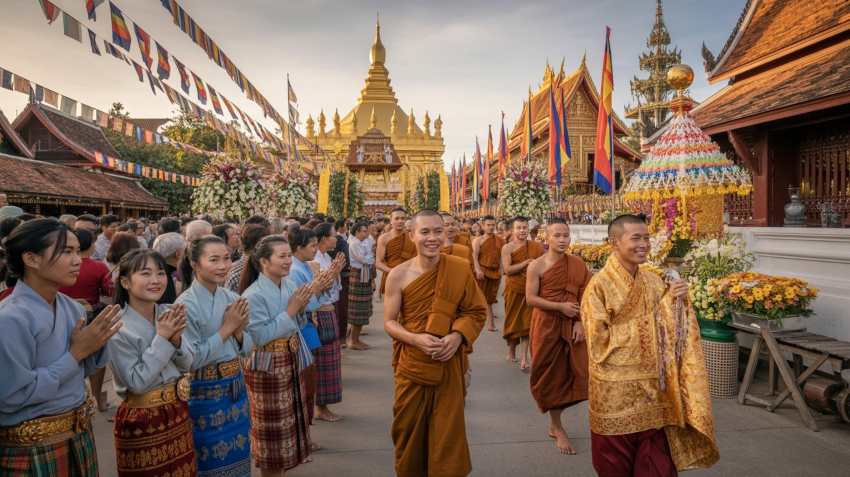
The golden glow of Laos’ That Luang Festival 2025 is set to illuminate the capital, Vientiane, as the country prepares for one of its most significant annual cultural celebrations. Streets are already lined with vibrant decorations, colourful stalls, and bustling crowds. The festival, scheduled from November 1 to 5, not only reflects deep spiritual devotion but also represents a major event for tourism and cultural diplomacy in Southeast Asia.
As the city awakens with renewed energy, the event brings together thousands of visitors, from pilgrims paying homage to the Great Stupa (That Luang)—a national symbol of Laos—to international travellers seeking an authentic cultural experience.
A Festival Rooted in Faith and Heritage
That Luang Festival, known locally as Boun That Luang, is celebrated in honour of the magnificent That Luang Stupa, believed to house relics of the Buddha. The event blends religious observances with cultural performances, reflecting the country’s devotion to Buddhism and its enduring traditions.
Each year, monks, devotees, and tourists gather for candlelight processions, offerings, and ceremonial prayers, creating an atmosphere of unity and peace. The rhythmic chants, traditional dances, and temple illuminations transform Vientiane into a living embodiment of Lao spirituality.
The festival’s continuity through centuries symbolises resilience and identity, bridging Laos’ ancient heritage with its modern aspirations.
Economic and Tourism Impact
Beyond its spiritual resonance, That Luang Festival 2025 plays a pivotal role in the growth of Laos’ tourism sector. With thousands of booths set up across Vientiane, the festival draws both domestic and international visitors, stimulating local commerce and creating seasonal employment opportunities.
A major feature of the celebration is the trade fair boasting over 2,370 booths. Exhibitors showcase a diverse array of One District One Product (ODOP) items—ranging from handcrafted textiles and traditional pottery to herbal remedies and organic produce. The fair also highlights tourism innovations and products from neighbouring countries, enhancing Laos’ image as a regional trade and travel hub.
The increased influx of tourists during this period strengthens small businesses and hospitality sectors, from boutique guesthouses and family-run eateries to local artisans. For travel agencies and tour operators, the festival marks a high-season opportunity to design immersive packages that combine festival participation with temple tours, heritage walks, and rural exploration.
Cultural Tourism and International Attention
In recent years, Laos has gained recognition as one of Asia’s most culturally rich yet tranquil destinations. Events like the That Luang Festival help showcase the nation’s soft power—its traditions, community spirit, and craftsmanship—to a global audience.
The participation of neighbouring countries in the trade fair emphasises Laos’ commitment to regional cooperation and cultural exchange. Visitors from Thailand, Vietnam, China, and Cambodia often join the festivities, making it an international meeting point for shared heritage and friendship.
Tourists are drawn not only to the spectacle of the festival but also to the sense of connection it fosters. The blending of ritual and celebration creates a unique travel narrative—one that goes beyond sightseeing to meaningful engagement.
Vientiane’s Transformation During the Festival
As the festival approaches, Vientiane undergoes a remarkable transformation. Streets near That Luang Square turn into lively corridors of light, music, and movement. Food vendors line the pathways, offering an array of Lao delicacies such as sticky rice, grilled fish, spicy papaya salad, and traditional sweets.
Lanterns illuminate the skyline while cultural troupes perform traditional dances accompanied by the soothing melodies of khene flutes. Visitors can witness the unique synthesis of ancient rituals and contemporary festivities—a hallmark of Laos’ inclusive culture.
For travellers, this transformation of the capital into a cultural epicentre offers a multisensory experience. The visual grandeur of the golden stupa at dusk, the aroma of local cuisine, and the sound of temple bells all combine to make Vientiane a must-visit destination in early November.
Linking Faith with Travel
For many pilgrims, the journey to the That Luang Festival is both spiritual and physical—a form of faith-based tourism deeply ingrained in Southeast Asian culture. Travellers from across Laos and neighbouring nations journey by road, river, and air to participate, reflecting how religious events can shape modern travel patterns.
In turn, Laos benefits from increased inbound tourism, as international visitors seek to experience the country’s authentic spiritual traditions. The event helps redefine Laos as more than a destination of natural beauty—it becomes a centre of living culture where travellers can participate rather than merely observe.
Faith-based tourism such as this contributes to preserving ancient rituals while supporting local economies. It also encourages cultural sensitivity among travellers, reinforcing the idea that tourism can coexist harmoniously with tradition.
Sustainability and Cultural Preservation
The government of Laos and tourism authorities have placed growing emphasis on sustainable event management. Efforts include eco-friendly booth designs, waste reduction campaigns, and the use of biodegradable materials.
By prioritising sustainability, the That Luang Festival 2025 sets a positive example for how traditional celebrations can align with modern environmental goals. Moreover, the promotion of One District One Product (ODOP) goods strengthens local industries, ensuring that tourism revenue benefits rural artisans and small entrepreneurs.
This model supports a circular tourism economy—where culture, commerce, and conservation operate in synergy.
A Platform for Local Innovation
The trade fair attached to the festival has evolved into a major showcase of creativity and innovation. Beyond traditional crafts, exhibitors present tourism-related technologies, digital travel tools, and sustainable packaging solutions.
For younger entrepreneurs, it provides a platform to connect with investors, while travellers gain deeper insights into Laos’ evolving industries. This fusion of innovation and tradition positions the festival as a modern celebration with international appeal.
Hospitality Industry Readiness
Hotels, resorts, and guesthouses across Vientiane are preparing for the expected influx of visitors. Travel agencies are offering guided experiences, temple tours, and excursions to nearby cultural landmarks such as Wat Sisaket and Patuxai Monument.
Local authorities have also improved urban facilities, including public transport and pedestrian access around That Luang Square, ensuring a smooth visitor flow. This infrastructure readiness enhances Laos’ overall tourism capacity, making it more accessible for future global events.
Media and Global Visibility
The That Luang Festival attracts not only tourists but also global media attention. Coverage across Asia promotes Laos as a destination rich in history, spirituality, and hospitality.
Social media influencers, travel photographers, and documentary producers frequently feature the event, further expanding its digital footprint. This organic storytelling helps Laos strengthen its position in the global travel market and inspire future visits.
Impact on Community Life
For residents of Vientiane, the festival is both a sacred occasion and a community celebration. Neighbours collaborate to decorate streets, prepare offerings, and welcome travellers.
The sense of unity the festival brings contributes to social well-being and cultural continuity. For tourists, participating in local activities—such as candlelight processions or merit-making ceremonies—offers an authentic way to connect with Lao life.
Tourism Beyond Vientiane
While Vientiane takes centre stage, the benefits of the festival extend beyond the capital. Many tourists continue their journeys to explore other Lao provinces, such as Luang Prabang, Champasak, and Savannakhet, which are known for their temples and riverside landscapes.
This inter-provincial movement helps distribute tourism benefits more evenly across the country. It also promotes regional tourism integration by encouraging cross-border itineraries with neighbouring countries.
Future Outlook for Laos’ Festival Tourism
As Laos invests in tourism infrastructure and digital marketing, festivals like That Luang are expected to play a key role in shaping its tourism identity. Cultural events serve as natural storytelling tools that highlight the nation’s values and hospitality.
With growing interest from international travel markets, Laos could position itself as a preferred destination for festival tourism, drawing those who seek authenticity over commercial spectacle.
Conclusion: A Beacon of Light for Travel and Culture
The That Luang Festival 2025 embodies everything that makes Laos exceptional—its spirituality, craftsmanship, and community warmth. It is more than a series of rituals; it is a cultural bridge connecting locals and travellers through shared experiences.
As Vientiane bathes in golden light and chants echo across temple courtyards, the festival symbolises renewal for both faith and tourism. For travellers, it offers an invitation to slow down, reflect, and rediscover connection in a world that often moves too fast.
For Laos, it marks another chapter in its journey toward sustainable cultural tourism—where every candle lit at That Luang also brightens the path for the nation’s tourism future.
The post Laos Welcomes Global Travellers as That Luang Festival 2025 Lights Up Vientiane with Golden Glow, Culture and Tourism Revival appeared first on Travel and Tour World
Comments and Responses
Please login. Only community members can comment.