























































KTO Forecast Reveals Dualistic Travel Future For South Korea In 2026: Balancing Tech, Emotional Depth And Practicality
-
Blogs, Wellness, Culinary, History & Art, Travel
-
-
4 mins
-
Travel and Tour World
-
Arpita Bhowmick
-


Korea's 2026 tourism is shaped by Dualism, a trend blending technology and emotion, luxury and practicality across seven key areas identified by the KTO.
The trajectory of South Korean travel is expected to be profoundly altered in the year 2026, with a central concept of Dualism serving as the key operative framework. This insight was provided by the Korea Tourism Organization (KTO) following the detailed findings presented at the recent 2025 Data Utilization and Convergence Analysis Conference. A dynamic environment is being established where seemingly contradictory elements are not merely tolerated but are actively sought out by contemporary travelers. It is suggested that visitors will increasingly demand trips where a blend of two contrasting experiences is achieved: high-end luxury services are to be seamlessly integrated with considerations of practicality, while cutting-edge technology is intended to enhance rather than detract from raw, unfiltered emotion and human connection.
Analytical Foundations of the Forecast
The forecasting of these pivotal shifts was not undertaken lightly; it was substantiated through an extensive, multi-layered analytical process conducted over a three-year period. This research included detailed macroenvironmental analysis, the scrutiny of mobile telecommunications and card-spending data, the monitoring of pervasive social media trends, and comprehensive surveys involving both industry experts and tourism consumers. Such a wide-ranging approach ensures that the identified trends are reflective of deep-seated shifts in consumer behavior and external factors, including social, environmental, and technological influences.
The Seven Pillars of D.U.A.L.I.S.M.
The acronym D.U.A.L.I.S.M. meticulously breaks down the future of tourism into seven distinct yet interconnected trends, each illustrating the convergence of contrasting forces.
Digital Humanity
The era of Digital Humanity is anticipated to see artificial intelligence transcend its functional role to become an ’emotional guide’ for travelers. Complex logistical procedures, such as itinerary construction, reservation management, and exhaustive information searches, are intended to be taken over entirely by AI technologies like the AI Trip Butler. This strategic delegation of labor allows for the human element of travel to be consciously prioritized. Travelers are thus liberated from the cumbersome administrative duties of a trip, and their attention can be fully devoted to sensory experiences, mindful presence, and authentic human connection.
Unity of Culture
The second trend, Unity of Culture, captures the burgeoning appeal of K-life tourism. The global phenomenon of K-content has successfully fostered a deep interest in South Korea, but visitors are now seeking engagement that extends far beyond mere passive consumption of K-dramas or concert locations. A strong desire is being registered for off-screen experiences where the rhythms of everyday Korean life are actively lived.
Adaptive Resilience
A significant philosophical shift is embodied in Adaptive Resilience, which points toward a growing preference for regenerative travel. Conventional tourism models often focus solely on minimization of negative impacts, but regenerative travel seeks to establish a positive, restorative relationship with the visited places. The concept suggests that travel should be designed in a manner that actively enhances and restores the communities and natural environments it touches. Travelers are increasingly expected to choose providers and itineraries that demonstrate a commitment to leaving a destination better than it was found.
Local Re-creation
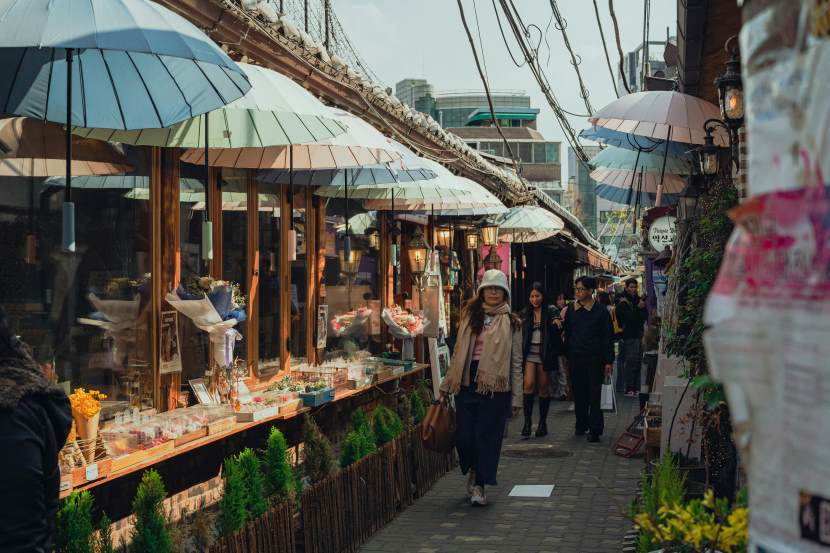
Local Re-creation highlights the value inherent in ordinary, previously overlooked neighborhoods and assets. The charm of the unfamiliar and the authentic is now being sought in the minutiae of daily life, such as local food vendors, venerable old shops, and the unscripted daily rituals of residential communities. These common urban or regional environments are being deliberately recast as distinctive and valuable travel assets.
Individual Value Spectrum
The concept of the Individual Value Spectrum addresses the evolving dynamics of consumer spending. Travelers are described as exhibiting a deliberate, highly focused style of consumption. This indicates a willingness to spend generously and without hesitation on experiences that are deemed meaningful and align perfectly with their unique, personal values. Simultaneously, however, this deliberate consumer is highly conscious of practicality, diligently avoiding expenditures perceived as unnecessary or wasteful. Financial decisions are therefore not driven by strict budget constraints but rather by a personalized value equation.
Spatial Experience
The trend of Spatial Experience recognizes the immense potential in transforming underutilized or overlooked physical spaces into new, immersive environments. This phenomenon, sometimes referred to as spatial brewing, involves the repurposing of vacant areas into dynamic cultural hubs, such as art galleries, interactive media centers, and installations featuring sensory design. These transformations are intentional and profound, creating settings where visitors can engage with space in an entirely novel manner. The architecture, design, and atmosphere of a location become the primary attraction, blending art, media, and technology to cultivate a holistic sensory experience that is far removed from standard, static sightseeing.
Multi-generation Flow
Finally, Multi-generation Flow recognizes the divergence and evolution of travel values across different age cohorts. Distinct generational priorities are becoming evident, with younger travelers typically seeking wellness experiences that specifically target emotional renewal and mental health benefits. Conversely, older travelers are often observed prioritizing mindful self-care, relaxation, and bespoke, comfortable journeys.
Conclusion: A Multifaceted Outlook
The convergence of these seven trends, collectively forming the D.U.A.L.I.S.M. framework, underscores that South Korea’s tourism future will be characterized by complexity and nuance. A multifaceted approach is mandated to cater to a global traveler who seeks both the high-tech efficiency of the future and the deep emotional resonance of the past. The blending of innovation and humanism, global standards and local uniqueness, and extravagance and sensible spending will ultimately forge a new tourism ecosystem. This strategic outlook is poised not only to enhance the overall experience for international visitors but also to encourage a deeper, more meaningful engagement with both the technological advancements and the rich cultural fabric that South Korea presents. The successful navigation of this dualistic landscape is expected to cement the nation’s standing as a premier global destination in the years to come.
The post KTO Forecast Reveals Dualistic Travel Future For South Korea In 2026: Balancing Tech, Emotional Depth And Practicality appeared first on Travel and Tour World














































Comments and Responses
Please login. Only community members can comment.