
















































American Airlines Supercharges Ambitious Winter Connectivity Taking Along JetBlue and More to Mexico, Venezuela and Several Others
-
Immigration, Wellness, Nature & Wildlife, History & Art, Travel
-
-
11 mins
-
Travel and Tour World
-
Anamika Talukder
-


American, United, JetBlue and Southwest expand winter flights to Mexico, Colombia, Costa Rica and more Latin American destinations in 2026–2027.
American Airlines, United Airlines, JetBlue and Southwest Airlines are expanding connections between the United States and Latin America for the 2026–2027 winter travel season, introducing new routes, increasing flight frequencies and strengthening access to destinations across Mexico, Colombia, Venezuela, Costa Rica, Brazil and the Dominican Republic. The expansion marks an important development in international aviation as US carriers respond to demand for winter vacations, family visits and business travel. From Miami and Fort Lauderdale to Houston, Washington Dulles, Las Vegas and Austin, airlines are building more extensive connections with Latin American destinations. While some services have already launched, others are scheduled to begin during the coming months or remain subject to regulatory approval. Together, these developments highlight the growing importance of Latin America within US airline networks and the opportunities that improved air connectivity could create for tourism, hospitality and regional economies.
US Airlines Are Expanding Their Latin American Networks for Winter 2026-2027
| US airline | Principal US hubs involved | Latin American countries or markets | Type of expansion | Winter 2026–2027 significance |
|---|---|---|---|---|
| American Airlines | Miami | Venezuela, Brazil | New destinations and increased or extended frequencies | Expanding Venezuelan connections and maintaining stronger winter Brazil services |
| United Airlines | Houston, Washington Dulles and other hubs | Venezuela, Colombia, Mexico, Dominican Republic | Announced new destinations and routes | Expanding access to both leisure and visiting-friends-and-relatives markets |
| JetBlue | Fort Lauderdale | Colombia, Dominican Republic | New daily international flights and additional frequencies | Developing South Florida as a stronger gateway to Latin America |
| Delta Air Lines | Atlanta, Austin and other hubs | Mexico, Guatemala, El Salvador, Panama, Belize | Documented expansion in the previous winter season | Relevant historical comparison; the identified announcement covers winter 2025–2026, not a confirmed new 2026–2027 programme |
Which US Airlines Are Leading the Winter Expansion Into Latin America?
American Airlines, United Airlines, JetBlue and Southwest Airlines are among the major US carriers expanding their international networks across Latin America. Each airline is approaching the winter travel market through a different strategy, reflecting its established hubs, customer base and commercial priorities.
American Airlines is strengthening its extensive Miami network, particularly through additional connections with Venezuela and increased winter services to Brazil. United Airlines is developing new international routes from major US gateways, including Houston and Washington Dulles.
JetBlue is concentrating on Fort Lauderdale, where new services to Colombia and additional flights to the Dominican Republic are expanding its presence in the region. Southwest Airlines is also entering new international markets from Las Vegas and Austin, improving nonstop access to Mexico and Costa Rica.
Delta Air Lines remains an important participant through its partnership with LATAM Airlines, which supports wider connectivity across South America.
Together, these developments demonstrate how US airlines are targeting both established destinations and previously underserved international markets.
How Is American Airlines Strengthening Its Miami Connections With Latin America?
American Airlines is reinforcing Miami International Airport’s position as one of the most important aviation gateways between the United States and Latin America.
The airline’s expansion includes additional services to Venezuela, where connections have particular significance for family travel, commercial relationships and international mobility. American introduced daily flights between Miami and Maracaibo on July 14, 2026, adding another destination to its Venezuelan network.
The airline has also announced a new connection between Miami and Barcelona, Venezuela, scheduled to begin January 15, 2027. The service is planned to operate three times weekly, on Mondays, Wednesdays and Fridays.
Meanwhile, American is maintaining stronger winter connectivity with Brazil through two daily flights between Miami and Rio de Janeiro during the 2026–2027 season.
These developments expand travel options for passengers connecting through Miami from other parts of the United States.
They also reinforce the airport’s importance for international tourism, corporate travel and communities with close family connections throughout Latin America.
Why Is United Airlines Introducing More Connections to Mexico, Colombia and Venezuela?
United Airlines is expanding its international network through additional routes connecting US airports with destinations across Mexico, Colombia, Venezuela and the Dominican Republic.
Among its announced developments is a new connection between Washington Dulles International Airport and Los Cabos, Mexico, a destination known for coastal resorts, luxury hospitality and outdoor recreation.
United has also announced a Houston–Santo Domingo service, strengthening connectivity between Texas and the Dominican Republic.
Additional destinations identified in the airline’s 2026 network plans include Cartagena in Colombia, Tuxtla Gutiérrez in Mexico and Caracas in Venezuela.
These markets represent different types of travel demand. Los Cabos is heavily associated with leisure tourism, while Cartagena combines cultural attractions, coastal experiences and business activity.
Caracas and Santo Domingo also serve travelers visiting family members, alongside commercial and leisure passengers.
The announced expansion could improve connections through United’s domestic network, although individual launch dates, operating frequencies and regulatory conditions must be checked before travel.
How Is JetBlue Transforming Fort Lauderdale Into a Stronger Latin American Gateway?
JetBlue is expanding its international operations from Fort Lauderdale-Hollywood International Airport, with Colombia emerging as an important focus of its latest network developments.
The airline launched daily nonstop flights between Fort Lauderdale and Barranquilla on October 1, 2026. A second daily service connecting Fort Lauderdale with Cali followed on October 15.
These additions provide travelers with more direct access to Colombian destinations beyond Bogotá and Medellín, which have traditionally attracted substantial international airline attention.
Barranquilla is recognized for its Caribbean location, commercial importance and cultural attractions, including its famous carnival celebrations. Cali offers a different experience, with its salsa heritage, urban culture and access to southwestern Colombia.
JetBlue is also increasing capacity on existing routes from Fort Lauderdale to Santo Domingo and Santiago de los Caballeros in the Dominican Republic.
The airline’s broader Fort Lauderdale expansion is expected to strengthen its competitive position in South Florida, where international demand includes vacationers, business passengers and travelers visiting relatives.
Why Is Southwest Airlines Expanding International Flights From Las Vegas and Austin?
Southwest Airlines is broadening its international network by introducing new connections from airports that have traditionally relied on larger coastal gateways for some Latin American services.
The airline has announced new nonstop routes from Las Vegas to Puerto Vallarta, Mexico, and San José, Costa Rica, for October 2026.
These services create additional travel opportunities for passengers departing Nevada and surrounding markets without requiring connections through another US airport.
Puerto Vallarta is an established Pacific coast vacation destination, attracting visitors with beaches, resorts, restaurants and cultural experiences. San José provides access to Costa Rica’s capital region and connections to the country’s wider tourism attractions.
Southwest is also planning a seasonal Austin–San José service beginning March 13, 2027.
Further international expansion from Austin is scheduled for June 2027, including Liberia, Costa Rica, and Punta Cana, Dominican Republic.
Those June launches fall outside the winter season but demonstrate the airline’s broader commitment to developing international connections from Texas.
Which Latin American Countries Are Benefiting Most?
| Country | Airlines involved | Key destinations | Nature of connectivity growth | Tourism and economic implications |
|---|---|---|---|---|
| Venezuela | American, United; JetBlue proposed | Caracas, Maracaibo, Barcelona | New services and network rebuilding | Family travel, business links and potential tourism recovery |
| Colombia | JetBlue, United, Delta–LATAM network | Barranquilla, Cali, Cartagena, Bogotá | New routes and broader connectivity | Urban tourism, visiting relatives and business travel |
| Mexico | Southwest, United; American and Delta in broader networks | Puerto Vallarta, Los Cabos, Tuxtla Gutiérrez, Cancún | New routes and leisure capacity | Beach tourism, resort demand and regional development |
| Costa Rica | Southwest | San José, Liberia | New seasonal and year-round-market connections | Nature tourism, adventure holidays and access beyond major hubs |
| Brazil | American, Delta–LATAM | Rio de Janeiro, São Paulo | Winter frequency support and partnership capacity | International tourism and corporate travel |
| Dominican Republic | United, JetBlue, Southwest | Santo Domingo, Santiago, Punta Cana | New route announcements and frequency growth | Resort tourism and diaspora connections |
| Argentina | Delta–LATAM partnership | Buenos Aires | Broader joint-network connectivity | Long-haul leisure and business travel |
| Peru | Delta–LATAM partnership | Lima | Broader joint-network connectivity | Cultural tourism and connecting passenger flows |
| Ecuador | Delta–LATAM partnership | Quito, Guayaquil | Broader partnership development | Heritage tourism and business connectivity |
| Chile | Delta–LATAM partnership | Santiago and connecting markets | Broader partnership capacity | Long-haul travel and regional connections |
| Paraguay | Delta–LATAM partnership | Partnership network | Broader connectivity | Business and regional travel |
| Uruguay | American’s wider network; Delta–LATAM partnership | Montevideo | Existing connectivity and partnership reach | Regional tourism and international access |
Which Latin American Countries Could Benefit Most From Additional US Flights?
Mexico, Colombia, Venezuela, Costa Rica, Brazil and the Dominican Republic are among the destinations positioned to benefit from the announced expansion of US airline networks.
Mexico continues to attract substantial leisure travel because of its beaches, resort destinations, cultural attractions and proximity to the United States. New services to Puerto Vallarta and Los Cabos could strengthen access from additional American cities.
Colombia is gaining direct connections to Barranquilla and Cali, potentially distributing international visitors across a wider range of urban destinations.
Costa Rica’s expanding links with Las Vegas and Austin could support demand for nature-based tourism, adventure travel and sustainable hospitality.
Brazil benefits from American Airlines’ winter service between Miami and Rio de Janeiro, while Venezuela’s new connections could improve travel options for passengers with family and commercial ties.
The Dominican Republic is also gaining additional capacity and route options.
However, the actual economic benefits will depend on passenger demand, flight utilization, visitor spending and the long-term sustainability of individual services.
How Could New International Flights Strengthen Tourism and Local Economies?
Additional international flights can influence tourism economies by improving accessibility, creating more convenient itineraries and expanding the number of markets connected to individual destinations.
When airlines introduce nonstop services, travelers may avoid lengthy connections, reducing total journey times and making destinations more attractive for shorter vacations.
Hotels, restaurants, tour operators, transportation companies and local attractions may benefit if improved connectivity generates additional visitor arrivals.
In Colombia, new direct services to Barranquilla and Cali could support tourism development beyond the country’s most established international gateways.
Costa Rica may benefit from greater access to US travelers interested in national parks, wildlife, beaches and outdoor activities.
Similarly, increased winter connectivity to Rio de Janeiro could support demand during Brazil’s summer season.
However, additional airline capacity does not automatically translate into higher tourism revenue. Outcomes depend on ticket prices, passenger spending, accommodation availability and whether new flights generate additional trips rather than simply redirecting existing travelers.
Why Are US Airlines Targeting Latin America During the Winter Travel Season?
Winter is an important commercial period for flights between the United States and Latin America because seasonal travel patterns create opportunities for airlines to serve different passenger groups.
Many US travelers seek warmer destinations during the northern winter, particularly in Mexico, Costa Rica and the Caribbean.
The holiday period also encourages travel among families and communities with relatives living across international borders.
For South American destinations, seasonal conditions can be especially attractive. Brazil, for example, experiences summer during the northern winter, making coastal destinations such as Rio de Janeiro appealing to international vacationers.
Airlines can also use seasonal scheduling to match aircraft capacity with periods of stronger demand.
Nevertheless, not every Latin American route depends primarily on tourism. Business travel, family visits, educational travel and regional trade connections also influence airline decisions.
The latest network developments reflect this combination of commercial opportunities, with carriers expanding both resort-focused routes and services to major regional population centers.
What Role Does Delta Air Lines Play in Expanding US–South America Connectivity?
Delta Air Lines remains an important participant in US–Latin America aviation through its joint venture with LATAM Airlines.
The partnership connects travelers across a broad network of destinations in North and South America, supporting travel between the United States and countries including Brazil, Chile, Colombia, Peru, Ecuador and Argentina.
Delta and LATAM have reported approximately 31% growth in combined capacity in 2026 compared with 2023, reflecting the development of their joint network over several years.
This figure should not be confused with a winter 2026–2027 increase or interpreted as evidence of an equivalent rise in passenger numbers.
Unlike a single new nonstop route, an airline partnership can improve connectivity through coordinated schedules, shared commercial arrangements and access to connecting flights.
For travelers, these arrangements may create more itinerary options across multiple destinations.
For the tourism industry, wider networks can improve access to secondary cities and regional attractions that may not support frequent nonstop flights from the United States.
What Should Travelers Know Before Booking Winter Flights to Latin America?
Travelers considering the new international routes should confirm operating schedules, entry requirements and flight availability before making reservations.
Airlines frequently adjust frequencies and seasonal operating periods in response to demand, aircraft availability and commercial conditions.
Passengers should also distinguish between routes that have already launched and services that remain announced but have not begun operations.
This is particularly important for destinations where regulatory approvals or other operational requirements may affect service availability.
Entry requirements vary by nationality and destination. Travelers should check passport validity rules, visa requirements, transit conditions and any applicable health documentation.
Those connecting through major US airports should also allow sufficient time for immigration, security screening and baggage procedures where required.
For leisure travelers, comparing nonstop and connecting flights may reveal differences in travel time, flexibility and total cost.
Booking decisions should ultimately be based on confirmed airline schedules rather than preliminary network announcements.
What Does the Winter Expansion Mean for the Future of US–Latin America Aviation?
The winter 2026–2027 expansion illustrates the continuing strategic importance of Latin America to US airlines and their international growth plans.
American Airlines is strengthening Miami’s connections with Venezuela and Brazil. United Airlines is extending its reach into additional Latin American markets. JetBlue is developing Fort Lauderdale through new Colombian routes, while Southwest is introducing international services from Las Vegas and Austin.
Delta’s partnership with LATAM adds another dimension by supporting connectivity across a wider South American network.
Together, these developments could give travelers more choices, improve access to regional destinations and create additional opportunities for tourism businesses.
The longer-term impact will depend on whether airlines maintain these routes beyond their initial operating periods and whether demand supports sustained capacity growth.
For Latin American destinations, improved US connectivity represents an opportunity to attract visitors, encourage investment and strengthen international relationships.
For American travelers, the immediate significance is a wider selection of potential routes to destinations across the region.
What Are the Most Important Trends Behind the Winter Expansion?
New direct flights are reducing dependence on connections.
Services to cities such as Cali, Barranquilla and Maracaibo create additional nonstop options between the US and Latin America. This can improve convenience for tourists, families and business passengers.
Winter leisure demand remains a major driver.
Airlines are strengthening connections to Mexico, Costa Rica and Caribbean destinations that attract travellers seeking warmer weather during the northern winter.
Airline partnerships are extending regional reach.
Delta’s joint venture with LATAM demonstrates that network expansion is not limited to launching routes. Connecting itineraries and coordinated services can also strengthen access across South America.
Diaspora travel is supporting route development.
The growing connections between South Florida and cities in Colombia, Venezuela and the Dominican Republic illustrate the commercial importance of passengers visiting friends and relatives.
The expansion of US airline connections to Latin America signals an important shift in international aviation ahead of the 2026–2027 winter season. American Airlines, United Airlines, JetBlue and Southwest are strengthening regional access through new routes and additional services. Mexico, Colombia, Costa Rica, Venezuela and Brazil stand to benefit from improved connectivity. The driving forces include seasonal vacation demand, family travel and competition among major carriers. For travelers, the changes could mean more convenient journeys and broader destination choices. For tourism economies, sustained airline investment may encourage visitor spending, support hospitality businesses and strengthen long-term international connections.
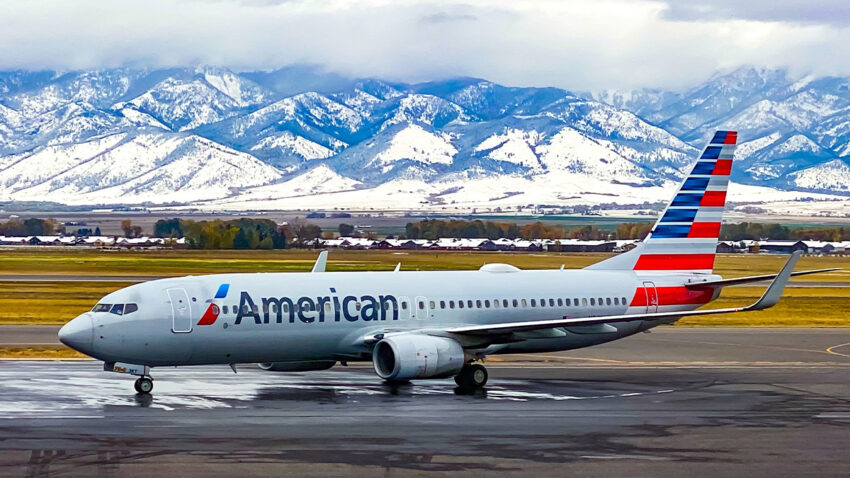
[Image: American Airlines]
The post American Airlines Supercharges Ambitious Winter Connectivity Taking Along JetBlue and More to Mexico, Venezuela and Several Others appeared first on Travel and Tour World
























































Comments and Responses
Please login. Only community members can comment.