
















































Eurostar Intertwins With Deutsche Bahn and More European Railway Services That Are Expected to Operate During Winter Connecting London, Paris and Other Popular Cities
-
Immigration, Culinary, Shopping, Travel
-
-
15 mins
-
Travel and Tour World
-
Anamika Talukder
-


Explore Europe winter rail travel 2026–2027, including major train routes while Eurostar and others, sleeper services, Alpine connections and possible disruptions.
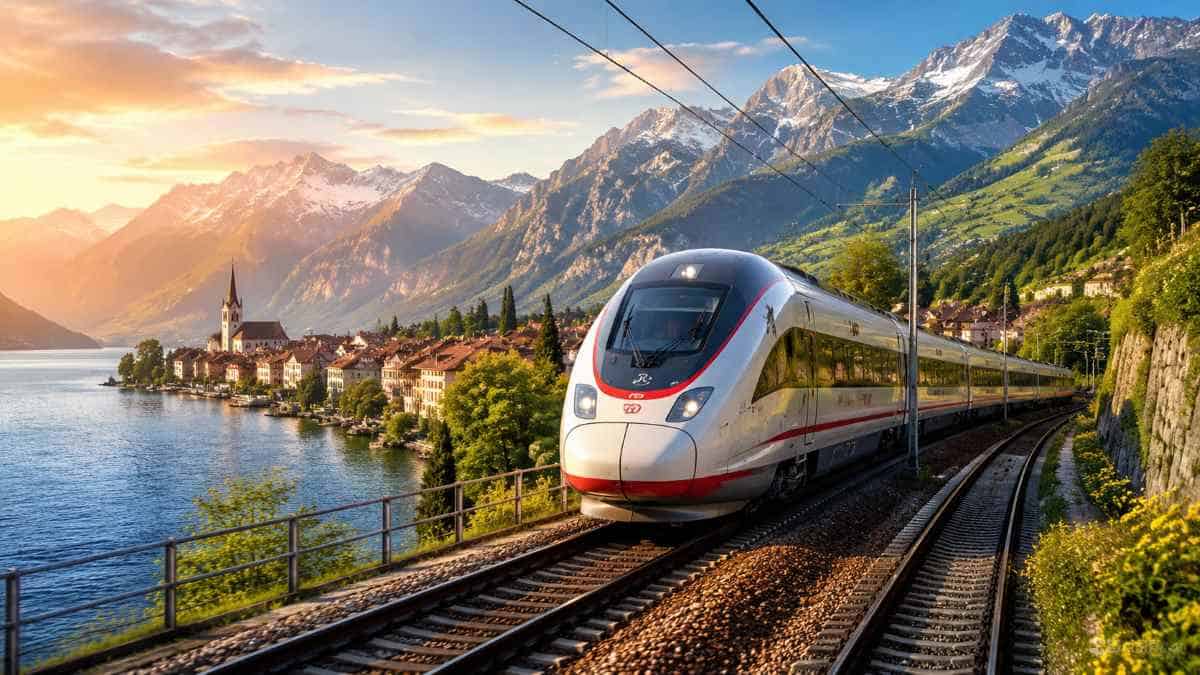
Europe promises exciting journeys with winter rail travel in 2026–2027 as major train routes connecting cities, countries and Alpine resorts remain accessible despite seasonal challenges. From London and Paris to Zurich, Vienna and Rome, extensive railway networks while Eurostar, Deutsche Bahn ICE, and others that will keep international tourism moving. High-speed services and overnight sleepers offer convenient alternatives to flying. Christmas markets, snow-covered mountains and historic destinations are within reach. However, planned engineering works, timetable changes and occasional weather disruptions could affect departures. With operators preparing for strong holiday demand, travelers should secure tickets early, check official schedules and prepare for an unforgettable European adventure across borders this season.
Major European International Railways Expected to Operate During Winter 2026–2027
| Railway operator / service | Countries connected | Important city connections | Winter 2026–27 status | Main travel advantage |
|---|---|---|---|---|
| Eurostar | UK, France, Belgium, Netherlands, Germany | London–Paris, London–Brussels, London–Amsterdam, Paris–Brussels, Brussels–Cologne | Year-round core network | Fast cross-border city breaks |
| SNCF TGV INOUI | France, Belgium, Luxembourg, Germany, Italy, Spain | Paris–Lyon–Marseille, Paris–Strasbourg, Paris–Barcelona, Paris–Milan | Winter services on sale for selected routes | French and international high-speed travel |
| TGV Lyria | France, Switzerland | Paris–Geneva, Paris–Lausanne, Paris–Basel–Zurich | Winter booking available to 31 March 2027 | Swiss city breaks and Alpine access |
| Deutsche Bahn ICE | Germany, Belgium, Netherlands, France, Switzerland, Austria | Berlin–Munich, Frankfurt–Brussels, Frankfurt–Amsterdam, Stuttgart–Paris | New timetable from 13 December 2026 | Central European connectivity |
| ÖBB Railjet | Austria, Germany, Hungary, Switzerland, Italy, Czechia | Vienna–Salzburg–Munich, Vienna–Budapest, Vienna–Prague, Vienna–Zurich | Year-round network, date checks required | Alpine and Central European travel |
| ÖBB Nightjet | Austria, Germany, Italy, Switzerland, Netherlands, Belgium | Vienna–Amsterdam, Vienna–Rome, Munich–Rome, Zurich–Hamburg | Winter network with route-specific restrictions | Overnight travel and sleeper accommodation |
| European Sleeper | Belgium, Netherlands, Germany, Czechia, France, Italy | Brussels–Prague, Paris–Berlin, Brussels–Milan | Published 2026 services; check 2027 dates | Multi-country sleeper journeys |
| Trenitalia Frecciarossa | Italy, France | Milan–Rome–Naples, Turin–Milan, Milan–Paris | Core year-round network | High-speed Italian city travel |
| Italo | Italy | Turin–Milan–Rome–Naples, Venice–Florence–Rome | Year-round domestic network | Alternative high-speed operator |
| SBB InterCity / EuroCity | Switzerland, Germany, Italy, Austria | Zurich–Geneva, Zurich–Milan, Basel–Bern, Zurich–Munich | Year-round core network | Reliable Swiss connections |
| Renfe AVE / international | Spain, France | Madrid–Barcelona, Madrid–Seville, Barcelona–Lyon, Madrid–Marseille | Core services year-round; international dates require checking | Spanish and cross-border high-speed travel |
| iryo | Spain | Madrid–Barcelona, Madrid–Valencia, Madrid–Seville | Year-round domestic network | Competitive Spanish high-speed fares |
| OUIGO | France, Spain | French domestic routes; Madrid–Barcelona and other Spanish corridors | Winter services; selected French Alpine dates published | Lower-cost high-speed journeys |
| NS International / EuroCity Direct | Netherlands, Belgium, Germany | Amsterdam–Brussels, Rotterdam–Antwerp, Amsterdam–Berlin | Year-round core network | Benelux and German city connections |
| SNCB/NMBS | Belgium, Netherlands, Luxembourg, France | Brussels–Antwerp, Brussels–Ghent, Brussels–Luxembourg via connections | Year-round network | Regional cross-border travel |
| DSB / international services | Denmark, Germany, Sweden | Copenhagen–Hamburg, Copenhagen–Malmö, Copenhagen–Aarhus | Year-round services, with 2027 changes | Scandinavian gateway |
| SJ / Snälltåget | Sweden, Denmark, Germany, Norway | Stockholm–Gothenburg, Stockholm–Malmö, Stockholm–Oslo, selected Hamburg connections | Core year-round network; sleeper schedules vary | Nordic winter travel |
| Vy | Norway, Sweden | Oslo–Bergen, Oslo–Gothenburg, Oslo–Trondheim | Core year-round services | Norwegian winter scenery |
| VR | Finland | Helsinki–Tampere–Oulu–Rovaniemi, Helsinki–Turku | Year-round services | Finnish Lapland access |
| PKP Intercity | Poland, Germany, Czechia, Austria | Warsaw–Kraków, Warsaw–Berlin, Warsaw–Prague, Kraków–Vienna | Year-round network | Affordable Central European connections |
| České dráhy | Czechia, Germany, Austria, Slovakia, Poland | Prague–Berlin, Prague–Vienna, Prague–Bratislava, Prague–Warsaw | Year-round network | Central European multi-city journeys |
| ZSSK | Slovakia, Czechia, Austria, Hungary | Bratislava–Vienna, Bratislava–Prague, Bratislava–Budapest | Year-round network | Short international connections |
| MÁV | Hungary, Austria, Slovakia, Romania, Croatia | Budapest–Vienna, Budapest–Bratislava, Budapest–Bucharest | Year-round network; engineering checks | Eastern and Central European links |
| HŽPP / SŽ | Croatia, Slovenia, Austria | Zagreb–Ljubljana, Ljubljana–Vienna, Zagreb–Vienna | Core services year-round | Adriatic and Alpine connections |
| CFR Călători | Romania, Hungary, Austria | Bucharest–Brașov, Bucharest–Budapest, Bucharest–Vienna sleeper | Year-round core network | Romanian and long-distance sleeper travel |
| BDŽ | Bulgaria | Sofia–Plovdiv, Sofia–Varna, Sofia–Burgas | Year-round domestic network | Bulgarian city connections |
| CP / Comboios de Portugal | Portugal | Lisbon–Porto, Lisbon–Faro, Porto–Braga | Year-round network | Portuguese winter city breaks |
| Euskotren / regional operators | Spain, France | San Sebastián–Hendaye and regional Basque connections | Year-round regional operations | Local border connections |
Why Will European Railways Remain Essential for Winter Travel in 2026–2027?
European railways will play a central role in keeping the continent connected during winter 2026–2027. Major operators are preparing to maintain extensive passenger services despite colder weather, shorter daylight hours and seasonal changes in travel demand.
Rail transportation provides a practical way to visit several European cities without repeatedly traveling through airports. Passengers can move between historic capitals, cultural centers and mountain destinations using established high-speed and conventional railway networks.
Countries including France, Germany, Switzerland, Austria and Italy have particularly extensive international connections. These networks allow travelers to combine destinations such as Paris, Frankfurt, Zurich, Vienna and Milan within one itinerary.
Winter also creates different travel patterns. Christmas markets attract visitors to Germany and Austria, while Switzerland and France receive travelers heading toward Alpine resorts.
However, railway availability does not mean every service operates daily. Some routes follow seasonal timetables, while engineering projects can require transfers or alternative transportation.
For travelers, the strongest advantage remains the ability to reach major city centers through established rail corridors.
Which European Countries Will Maintain Major International Railway Connections?
France, Germany, Belgium, the Netherlands, Switzerland, Austria, Italy and Spain will remain important centers of European winter railway travel.
France provides connections between Paris and cities including London, Brussels, Frankfurt, Geneva, Zurich and Barcelona. Germany serves as a major railway hub, linking Western Europe with Austria, Switzerland, Poland, Denmark and the Czech Republic.
Switzerland maintains an extensive domestic network alongside international connections to France, Germany, Austria and Italy. Its railway system is especially valuable for visitors combining city breaks with mountain holidays.
Austria provides another important connection point. Vienna and Salzburg support international travel toward Germany, Hungary, Switzerland, Italy and the Czech Republic.
Farther north, Denmark and Sweden maintain services across the Øresund corridor, while Norway and Finland continue operating domestic routes that support winter tourism.
Eastern and Central European operators also connect cities including Warsaw, Prague, Bratislava, Budapest and Bucharest.
These networks provide broad continental coverage, although travelers may need multiple trains to reach smaller cities or remote destinations.
How Will Eurostar Connect London, Paris, Brussels and Amsterdam During Winter?
Eurostar will remain one of the most important railway options for travelers moving between the United Kingdom and mainland Europe.
Its established network connects London with Paris, Brussels and Amsterdam, making international city breaks possible without taking a flight.
The London–Paris journey generally takes approximately two hours and twenty minutes. London–Brussels services typically take around two hours, while journeys between London and Amsterdam usually require approximately four hours or slightly longer.
These connections are particularly useful during the Christmas shopping season, when European capitals attract visitors to festive markets, museums and cultural attractions.
Eurostar also supports onward journeys. Passengers arriving in Brussels can connect with services toward Cologne, while Paris provides access to France’s wider high-speed railway network.
However, travelers should not assume that every scheduled departure will operate unchanged.
Selected services may face cancellations, engineering restrictions or altered station stops during the winter season.
Passengers should also allow time for security and border formalities when traveling between Britain and continental Europe.
Why Will Germany Become a Major Gateway for Cross-Border Winter Rail Journeys?
Germany will remain one of Europe’s most important railway transit countries during the 2026–2027 winter season.
Deutsche Bahn’s extensive network connects Berlin, Frankfurt, Munich, Hamburg, Cologne and Stuttgart with international destinations.
Its ICE high-speed trains provide important connections toward Belgium, the Netherlands, France, Switzerland and Austria.
The railway timetable beginning December 13, 2026, is particularly significant because it introduces changes to international services.
The published schedule includes additional connections between Stuttgart and Paris, strengthening an important corridor between southwestern Germany and France.
Hamburg and Amsterdam will also benefit from expanded direct railway connections, while further international timetable improvements are planned for 2027.
Nevertheless, Germany’s railway infrastructure program will affect certain journeys.
Engineering work on the Hannover–Berlin corridor can create diversions and longer travel times, including for some international services.
Travelers planning multi-country journeys through Germany should therefore check connection times carefully rather than relying on historical schedules.
How Will Switzerland and Austria Support Winter Tourism Across the Alps?
Switzerland and Austria will remain central to European winter rail tourism because their networks connect major cities with Alpine destinations.
Switzerland’s SBB services link Zurich, Geneva, Basel, Bern and Lausanne, while international trains connect Swiss cities with France, Germany, Italy and Austria.
TGV Lyria provides direct high-speed connections between Paris and destinations including Geneva, Lausanne and Zurich.
These routes allow travelers to combine a French city break with a Swiss winter holiday without flying.
Austria’s ÖBB Railjet network offers another important set of connections. Vienna, Salzburg and Innsbruck serve as gateways for travelers visiting Central Europe and the Alps.
Railjet services link Austria with destinations such as Munich, Budapest, Prague and Zurich.
Mountain weather can occasionally affect operations, particularly when heavy snowfall or infrastructure problems interrupt railway traffic.
Nevertheless, established Alpine railways are designed to operate during winter conditions.
Passengers should distinguish between mainline railway services, which generally operate throughout the year, and mountain excursions that may follow seasonal schedules.
Which Italian and Spanish High-Speed Trains Will Continue Operating Through Winter?
Italy and Spain will continue offering extensive high-speed railway services during the winter season.
In Italy, Trenitalia’s Frecciarossa trains connect major destinations including Milan, Turin, Florence, Rome, Venice and Naples.
The Milan–Rome journey generally takes approximately three to three and a half hours, making rail an attractive option for travelers combining northern and central Italy.
Italo also operates high-speed services across important Italian corridors, giving passengers additional choices.
International rail services connect Italy with neighboring countries, including Switzerland and France.
Spain maintains a similarly extensive high-speed network. Renfe’s AVE trains connect Madrid with Barcelona, Seville and other major destinations.
Private operators such as iryo also serve important Spanish routes.
The Madrid–Barcelona journey typically takes approximately two and a half to three hours, depending on the service.
Winter railway travel in both countries provides access to museums, historic districts, food destinations and cultural attractions.
However, passengers should confirm international schedules separately because cross-border services may have different booking windows.
Why Are Overnight Sleeper Trains Becoming Important for European Winter Travel?
Overnight sleeper trains offer an alternative way to travel between European cities while reducing the need for a separate hotel stay.
Austria’s ÖBB Nightjet network remains one of the most recognizable international sleeper systems.
Its established connections include journeys linking Vienna with Amsterdam and Rome, alongside services connecting Zurich with German destinations.
Passengers can choose accommodation according to availability and budget, ranging from seats to couchettes and private sleeping compartments.
European Sleeper also operates international overnight connections, including routes involving Brussels, Prague, Paris and Berlin.
These services appeal to travelers who prefer arriving in another city the following morning rather than spending daylight hours in transit.
However, sleeper trains generally require advance reservations, and operating days vary considerably.
Infrastructure work can also affect availability.
For example, the Munich–Rome Nightjet service faces a construction-related suspension beginning February 7, 2027.
Travelers should verify the exact train, operating date and accommodation category before planning an overnight journey.
How Will Nordic Railways Keep Scandinavia and Finland Accessible During Winter?
Northern Europe’s railway networks will continue supporting winter tourism despite challenging seasonal weather.
Denmark maintains important connections between Copenhagen and German destinations, while the Øresund railway links Copenhagen with Malmö in Sweden.
This cross-border connection allows travelers to visit two Scandinavian cities within a relatively short journey.
Sweden’s rail network connects Stockholm, Gothenburg and Malmö, alongside longer-distance services toward northern destinations.
Norway’s railway system provides access to cities including Oslo, Bergen and Trondheim.
The Oslo–Bergen railway is particularly popular with travelers seeking dramatic mountain scenery, although severe winter conditions can occasionally disrupt services.
Finland offers another major winter rail experience through VR’s services connecting Helsinki with Rovaniemi and other northern destinations.
Overnight trains are especially useful for travelers visiting Finnish Lapland.
VR has published winter 2026–2027 ticket availability and additional services for selected dates extending into spring 2027.
These routes provide access to northern landscapes, winter activities and destinations associated with Arctic tourism.
Which Seasonal Alpine Trains Will Offer Special Winter Travel Opportunities?
Seasonal railway services will provide additional travel options for visitors heading toward European ski destinations.
Eurostar Snow is among the most notable winter-focused international rail products.
For winter 2026–2027, the published service arrangements include journeys connecting London with Bourg-Saint-Maurice through Lille.
Outbound travel is scheduled on selected Saturdays from December 19, 2026, through February 20, 2027.
Return services extend into late February, subject to the published operating pattern.
Another Eurostar Snow connection links cities including Amsterdam, Rotterdam, Antwerp and Brussels with Bourg-Saint-Maurice.
That seasonal service is scheduled to continue into April 2027, supporting travel during the later part of the Alpine ski season.
France’s OUIGO network also offers selected winter services toward destinations such as Grenoble, Albertville, Moûtiers and Bourg-Saint-Maurice.
These stations provide onward access to several Alpine resorts.
However, travelers must arrange local transfers separately when their accommodation is not within walking distance of the railway station.
What Railway Closures and Engineering Restrictions Could Affect Winter Journeys?
Although European railway networks will remain widely accessible, engineering work represents an important consideration for winter travelers.
Germany’s Hannover–Berlin corridor is undergoing major infrastructure work that affects some domestic and international services.
Diversions can increase journey times, particularly for passengers traveling between the Netherlands and Berlin.
Nightjet passengers also face route-specific restrictions.
The announced Munich–Rome suspension beginning in February 2027 demonstrates why travelers should not assume overnight connections will remain unchanged throughout the season.
Eurostar has identified selected winter operational restrictions, including cancellations and altered station calls on certain dates.
Other European operators may introduce replacement buses, adjusted departure times or temporary timetable changes during construction projects.
Winter weather introduces an additional risk.
Heavy snow, ice, strong winds and flooding can occasionally interrupt railway operations, particularly in mountainous or exposed regions.
Passengers should check official operator updates shortly before departure and allow additional time when making international connections.
How Can Travelers Find Affordable European Winter Train Tickets?
Travelers can often improve their chances of finding affordable railway tickets by booking early and comparing different operators.
High-speed railway fares frequently vary according to demand, travel date, booking conditions and available ticket categories.
Christmas, New Year and school holiday periods can generate particularly strong demand.
Passengers traveling between major European cities should compare direct services with connecting itineraries.
For example, a journey involving Paris, Brussels and Amsterdam may offer several ticket combinations depending on the chosen operators.
Rail passes such as Interrail provide another option for travelers planning multiple journeys.
However, these passes do not automatically cover every reservation requirement.
Eurostar, TGV and several other high-speed services require mandatory seat reservations or supplements.
Sleeper accommodation also involves additional booking conditions.
Passengers should compare the total journey cost rather than the advertised base fare alone.
Cancellation rules, baggage allowances, connection times and local transportation expenses can influence the overall value of a winter railway journey.
Important Winter Rail Corridors Connecting Major European Cities
| Route | Countries | Approximate journey time | Service pattern | Winter suitability |
|---|---|---|---|---|
| London–Paris | UK–France | 2h 20m | Direct Eurostar | Excellent |
| London–Brussels | UK–Belgium | 2h | Direct Eurostar | Excellent |
| London–Amsterdam | UK–Netherlands | 4h–4h 30m | Direct Eurostar | Excellent |
| Paris–Brussels | France–Belgium | 1h 20m–1h 30m | Direct high-speed | Excellent |
| Brussels–Amsterdam | Belgium–Netherlands | 2h–2h 15m | Direct international | Excellent |
| Brussels–Cologne | Belgium–Germany | 1h 50m–2h | Direct high-speed | Excellent |
| Paris–Frankfurt | France–Germany | 3h 45m–4h 15m | Direct ICE/TGV | Excellent |
| Paris–Stuttgart | France–Germany | 3h–3h 30m | Direct ICE/TGV | Excellent |
| Paris–Zurich | France–Switzerland | 4h–4h 15m | Direct TGV Lyria | Excellent |
| Paris–Geneva | France–Switzerland | 3h 10m–3h 20m | Direct TGV Lyria | Excellent |
| Paris–Barcelona | France–Spain | 6h 30m–7h | Direct TGV | Good |
| Barcelona–Madrid | Spain | 2h 30m–3h | Direct high-speed | Excellent |
| Madrid–Seville | Spain | 2h 40m–3h | Direct high-speed | Excellent |
| Milan–Zurich | Italy–Switzerland | 3h 15m–3h 30m | Direct EuroCity | Excellent |
| Milan–Rome | Italy | 3h–3h 30m | Direct high-speed | Excellent |
| Rome–Florence | Italy | 1h 25m–1h 40m | Direct high-speed | Excellent |
| Munich–Vienna | Germany–Austria | 4h | Direct Railjet/other trains | Excellent |
| Vienna–Budapest | Austria–Hungary | 2h 25m–2h 45m | Direct Railjet/EuroCity | Excellent |
| Vienna–Prague | Austria–Czechia | 4h–4h 30m | Direct Railjet/other trains | Excellent |
| Prague–Berlin | Czechia–Germany | 4h–4h 30m | Direct EuroCity | Good |
| Berlin–Warsaw | Germany–Poland | 5h–6h | Direct EuroCity | Good |
| Prague–Bratislava | Czechia–Slovakia | 4h–4h 30m | Direct services | Good |
| Budapest–Bratislava | Hungary–Slovakia | 2h 20m–2h 45m | Direct services | Excellent |
| Copenhagen–Malmö | Denmark–Sweden | 35m–45m | Frequent Øresund trains | Excellent |
| Copenhagen–Hamburg | Denmark–Germany | 4h 45m–5h 30m | Direct/connecting | Good |
| Stockholm–Gothenburg | Sweden | 3h–3h 30m | Direct intercity | Excellent |
| Oslo–Bergen | Norway | 6h 30m–7h 30m | Direct day/night services | Good |
| Helsinki–Rovaniemi | Finland | 8h–12h | Day and overnight trains | Excellent |
| Lisbon–Porto | Portugal | 2h 50m–3h 15m | Direct Alfa Pendular | Excellent |
| Bucharest–Brașov | Romania | 2h 15m–3h | Direct intercity | Good |
| Zagreb–Ljubljana | Croatia–Slovenia | 2h 15m–3h | Direct regional/international | Good |
What Should Travelers Know Before Planning a Multi-Country European Rail Holiday?
Travelers planning a European winter rail holiday should begin by identifying the countries and cities they want to visit.
A practical itinerary might connect London, Paris, Brussels and Amsterdam before continuing toward Germany.
Another journey could combine Paris, Zurich, Milan and Rome using established international and domestic railways.
Central European travelers may prefer Vienna, Budapest, Bratislava and Prague because these cities have relatively convenient railway connections.
However, direct service availability varies by route and date.
The major European timetable change on December 13, 2026, makes schedule verification especially important.
Passengers should also check passport requirements, visa conditions and border procedures.
The Schengen Area simplifies travel between many participating European countries, but entry requirements still depend on nationality and immigration status.
Travel insurance may provide additional protection against eligible cancellations or interruptions, depending on policy conditions.
For winter journeys, flexibility is valuable.
Allowing extra connection time and monitoring railway updates can reduce the impact of unexpected disruptions.
Why Does Europe’s Winter Railway Network Matter for International Tourism?
Europe’s winter railway network supports tourism by keeping major destinations accessible beyond the traditional summer travel season.
High-speed trains make it easier for international visitors to explore multiple countries during one holiday.
Overnight services create additional possibilities for longer journeys, while regional connections provide access to smaller cities and winter attractions.
Railways also support tourism businesses in destinations that depend on seasonal visitors.
Hotels, restaurants, cultural institutions and Alpine resorts benefit when travelers can reach their locations through convenient transportation networks.
For passengers, rail travel offers an opportunity to experience Europe’s changing landscapes while moving between destinations.
Nevertheless, the continent’s railway system remains a collection of national and international networks rather than one universally connected service.
Some journeys require transfers, reservations or alternative transportation.
As winter 2026–2027 approaches, the key message is clear: Europe’s major railway corridors will continue supporting international travel, but passengers should confirm individual schedules and restrictions before departure.
Europe’s railway networks will remain essential for winter tourism, allowing travelers to explore multiple destinations without relying entirely on air transportation. High-speed connections, international express services and overnight sleepers will support journeys between major capitals, cultural landmarks and mountain destinations. Although engineering projects, seasonal adjustments and severe weather could interrupt individual services, established railway corridors will continue operating. Early reservations, flexible itineraries and regular timetable checks can help passengers avoid unnecessary complications. For international visitors seeking convenient, scenic and rewarding holidays, rail transportation offers a practical solution that combines cross-border accessibility, memorable landscapes and greater flexibility throughout the colder months.
The post Eurostar Intertwins With Deutsche Bahn and More European Railway Services That Are Expected to Operate During Winter Connecting London, Paris and Other Popular Cities appeared first on Travel and Tour World
























































Comments and Responses
Please login. Only community members can comment.