
















































Jasper National Park in Alberta Rockies: Landscapes, Lakes, and More
-
Entertainment, Wellness, Nature & Wildlife, Travel
-
-
3 mins
-
Travel and Tour World
-
Ryan Rashid
-


Travel overview of Jasper National Park in Alberta, covering lakes, trails, glaciers, waterfalls, and visitor-accessible sites.
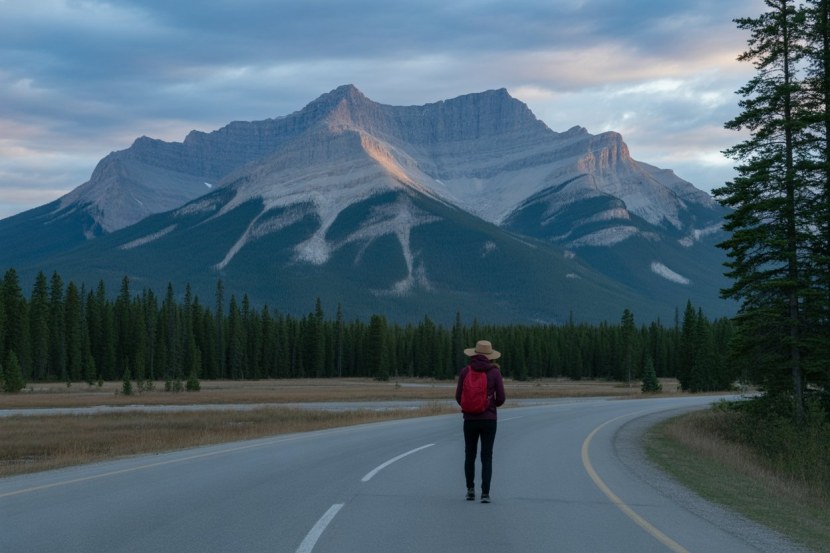
Jasper National Park is located in the Alberta Rockies region of western Alberta and forms part of Canada’s Rocky Mountain Parks. The park holds designation as a UNESCO World Heritage Site and represents the largest protected area within the Canadian Rockies park system. The park consists of extensive mountain valleys, alpine terrain, glaciers, forests, rivers, and meadow landscapes situated along the eastern slopes of the Rocky Mountains. From a tourism perspective, the area functions as a major destination for travelers seeking access to natural environments, scenic drives, and maintained trail networks within a protected setting.
Park Scale, Landscape, and Visitor Infrastructure
Jasper National Park extends across a broad geographic area, with terrain ranging from rugged mountain faces to wide valleys and glacial systems. Forested sections transition into alpine meadows at higher elevations, while wild rivers move through carved channels and basins. The park includes more than 1,200 kilometers of designated hiking trails, accommodating both day-use visitors and those undertaking overnight travel within the park boundaries. In addition to foot access, several established mountain drives allow travelers to move through different elevations and landscapes by vehicle, supporting sightseeing-oriented tourism.
The park’s natural features have shaped how visitors experience the region. Glaciers remain visible from accessible locations, while lakes and waterfalls are reached via short walks or roadside pull-offs. Picnic areas, parking zones, and maintained paths are present at several sites, supporting structured visitor movement without requiring technical travel skills.
Travel Experiences Shaped by Natural Settings
From a tourism standpoint, Jasper National Park operates as a destination where travel experiences are influenced by scale, distance, and environmental variation rather than urban development. Movement through the park typically occurs between multiple natural viewing areas, connected by roads, trails, and walking paths. Seasonal changes affect visibility, water flow, and access conditions, shaping how travelers interact with the landscape during different times of the year.
The presence of glaciers, lakes, and canyon systems contributes to varied travel pacing, with some locations suited to brief stops and others designed for extended walking or observation. Visitor engagement is structured around viewing, walking, and passive recreation rather than intensive development.
Visitor Movement and Tourism Flow
Tourism within Jasper National Park is structured around gradual movement through large open spaces rather than concentrated attractions. Travelers often shift between viewpoints, trails, and roadside features, creating a travel rhythm based on distance and terrain rather than scheduled activities. This type of movement supports a travel experience focused on observation, orientation, and environmental awareness rather than rapid site-to-site transitions.
From a broader tourism lens, the park functions as a corridor of experiences rather than a single destination point. Visitor flow is shaped by road access, trail length, and seasonal accessibility, encouraging varied travel patterns depending on time available and preferred pace.
Travel Context for Tourists in Protected Landscapes
Tourists entering protected mountain environments typically adapt their travel behavior to natural conditions rather than external schedules. In Jasper National Park, this translates into travel planning centered on daylight, weather stability, and physical access rather than structured itineraries. The park environment supports reflective travel experiences where movement, pauses, and scenery define engagement.
Tourism in such settings emphasizes awareness and adjustment, with travelers navigating large-scale spaces that require time and spatial consideration. This context positions the park as a destination shaped by environmental presence rather than constructed entertainment.
Key Lakes, Canyons, and Water Features Accessible to Visitors
Several water-based features form central components of travel within Jasper National Park. Maligne Lake is accessed by road and supports boat travel, providing views of differently colored water zones and access to Spirit Island through scheduled cruises. Nearby shoreline paths offer alternative walking access away from the main visitor area.
Maligne Canyon presents a deeply cut river channel with waterfalls and carved rock formations. Maintained footpaths run along the canyon rim, while seasonal conditions allow winter access to the canyon floor. Along the same route, Medicine Lake functions as a variable water body where inflow disappears underground, with lake depth changing according to seasonal meltwater.
Beaver Lake is reached via a 1.5-kilometer trail from a picnic area and sits between mountain ranges, while Athabasca Falls features a powerful river passage through a narrow gorge with paved viewing paths.
Additional roadside or short-walk stops include Sunwapta Falls, Tangle Falls, and wildlife viewing areas such as roadside goat observation zones.
Glaciers, Mountains, and Thermal Facilities
Mountain and glacial features form another major travel component. Mount Edith Cavell supports access to Angel Glacier via maintained trails. Whistlers Mountain is accessed by tramway, with further walking routes leading toward higher viewpoints.
The Columbia Icefield represents one of the largest and most accessible glacier systems in the Rockies. Additional recreational water sites include Lake Annette and Pyramid Lake.
For relaxation-oriented travel, Miette Hot Springs operates seasonally between May and mid-October. Mineral water emerges at high temperatures before being cooled for pool use, with on-site facilities including pools, a café, rentals, and interpretive exhibits.
Image Source: AI
The post Jasper National Park in Alberta Rockies: Landscapes, Lakes, and More appeared first on Travel and Tour World























































Comments and Responses
Please login. Only community members can comment.