
















































Japan’s Plans to Increase Visa and Departure Fees for Inbound Travelers, Aiming to Fund Overtourism Solutions and Free High School Tuition Across Tokyo and Beyond
-
Immigration, Travel
-
-
4 mins
-
Travel and Tour World
-
Ankita Neogi Khan
-

Japan considers raising fees for inbound travelers to fund overtourism solutions and free high school tuition, while avoiding domestic tax hikes.
Japan is exploring the idea of increasing fees for inbound travelers as part of a new strategy to raise revenue without imposing further taxes on its citizens. With the growing popularity of inbound tourism and inflation placing pressure on the domestic economy, the government is looking for alternative sources of income. These plans include increasing departure taxes, visa issuance charges, and implementing new pre-entry screening fees. These measures would bring Japan’s tourist fees closer in line with those of other countries, which have higher rates.
In an effort to maintain political stability, the government is also considering using the raised revenue to address the issue of overtourism and enhance immigration security. If the income from these new charges exceeds expectations, it could also contribute to funding free high school education, a policy already supported by several political parties. However, this proposal has sparked concerns from various sectors, including businesses and tourism experts, who fear the fee hikes might discourage international visitors and hinder cultural exchange.
Rising Fees for Inbound Travelers
Japan’s visa fees, which have remained unchanged since 1978, are now much lower than those of Western countries. A single-entry visa to Japan costs only about 3,000 yen ($19), while a U.S. tourist visa is priced at 28,000 yen ($185), and many European countries charge around 16,000 yen ($90). The government has acknowledged that these fees are considerably lower than international standards and is considering a raise to bring them in line with global norms.
This move also includes increasing the departure tax, which is currently set at 1,000 yen. The new plan suggests increasing this fee to around 3,000 yen. Japanese citizens will also be subject to this increased departure tax, which means that these changes won’t be limited to international visitors.
Moreover, Japan plans to introduce a pre-entry screening charge similar to the one in place in the U.S. This screening will apply to visa-free travelers, with a fee of around 6,000 yen ($40), an attempt to reduce the administrative burden on immigration officials and speed up the entry process.
Addressing Overtourism and Free High School Tuition
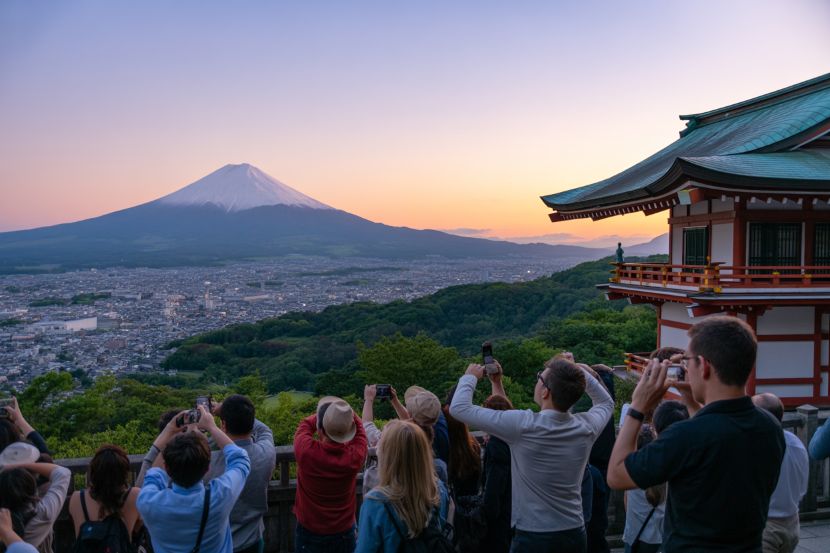
The revenue generated from these proposed fee hikes is planned to serve two key purposes. First, Japan aims to alleviate the growing problem of overtourism. This issue has been exacerbated by the country’s rapidly increasing number of international visitors, which has put a strain on popular tourist sites and local resources. By using this income, the government intends to fund measures that would help manage crowds and improve security at high-demand destinations.
Secondly, the government hopes to use surplus funds to finance the expansion of free high school tuition, a policy that is already under discussion in the Japanese political landscape. Several political parties, including the ruling Liberal Democratic Party (LDP), Kōmeitō, and Nippon Ishin no Kai (Japan Innovation Party), have expressed their support for this initiative. The total cost for expanding free high school tuition is estimated to be around 400 billion yen, a substantial amount that the government hopes to cover through these new fees.
Public Opinion and Business Concerns
While the government’s proposed fee hikes have received some public support, there are mixed reactions from the general population and businesses. On the one hand, some see the increases as a necessary step to manage the growing number of international visitors. Others, however, are concerned that such hikes could hurt the Japanese economy, especially in areas heavily dependent on tourism.
For example, department store chain Takashimaya expressed concern that a reduction in the number of inbound tourists could hurt their bottom line. In addition, local businesses, particularly those in popular tourist destinations like Tokyo’s Ginza district, are worried that higher costs might drive foreign shoppers away, thereby affecting their sales and foot traffic.
Potential Impact on International Exchange
Experts are divided on the long-term effects of these fee increases. While some acknowledge that Japan’s visa and departure fees are quite low compared to international standards, others warn that these hikes might discourage foreign visitors. In an increasingly globalized world, where travel is more accessible than ever, additional financial barriers could stifle cross-cultural exchange.
Tanaka Hideaki, a professor of public finance at Meiji University, pointed out that while the need to raise fees is understandable, excessive burdens could lead to a decrease in international travel. The professor urged the government to carefully balance these fee increases to avoid impeding valuable cultural and educational exchanges.
What Travelers Need to Know
For travelers planning a trip to Japan in the near future, it’s important to be aware of the upcoming changes in fees. While it’s unclear when the new charges will be implemented, those considering a trip should anticipate higher costs related to visas, departures, and entry screenings.
In light of the new measures, tourists might consider planning their trips ahead of time to avoid last-minute price hikes. Additionally, as Japan looks to manage overtourism, visitors are encouraged to explore lesser-known attractions, thus helping to spread out the impact on popular tourist spots.
Travel Tips:
- Book your visas and entry arrangements in advance to avoid increased fees.
- Look into less crowded travel destinations in Japan to help reduce the strain on major tourist areas.
- Keep an eye on official Japanese government announcements regarding these new fee structures.
Expanding Access to High School Education
One of the more positive aspects of the proposed fee increases is the potential to fund free high school education for all Japanese students. This could significantly reduce financial barriers for families across Japan, ensuring that education remains accessible even during times of economic strain. This initiative also demonstrates Japan’s commitment to investing in its future generations, an effort that aligns with broader educational reforms already underway.
Looking Ahead
Japan’s strategy to increase fees on inbound tourism is a delicate balancing act. While it provides a way to raise needed funds without increasing domestic taxes, it also risks alienating the international community. For tourists, staying informed about these changes and adjusting travel plans accordingly will be essential for navigating the evolving landscape of Japan’s tourism industry.
The post Japan’s Plans to Increase Visa and Departure Fees for Inbound Travelers, Aiming to Fund Overtourism Solutions and Free High School Tuition Across Tokyo and Beyond appeared first on Travel and Tour World
























































Comments and Responses
Please login. Only community members can comment.