





















































Japan, Italy, Germany, UK, France Tourists Say ‘No More U.S. Trips’, American Airlines and Hilton Brace for Mass Cancellations as New Social Media History Rule Looms!
-
Blogs, History & Art, Travel
-
-
6 mins
-
Travel and Tour World
-
Angana Dutta
-


Japan, Italy, Germany, UK, France tourists say ‘No More U.S. Trips’ — American Airlines and Hilton brace for mass cancellations as new social media history rule looms!
Japan, Italy, Germany, UK, France tourists say ‘No More U.S. Trips’ — American Airlines and Hilton brace for mass cancellations as new social media history rule looms! The U.S. is considering a sweeping change that could drastically alter the way travelers from visa-waiver countries visit the country. The proposed rule, which would require visitors from approximately 40 countries, including Japan, Italy, Germany, the UK, and France, to disclose up to five years of social media activity, email accounts, and family history, has raised concerns in the global travel community. Tourists, airlines, and the hospitality industry alike are bracing for the impact, as travelers question their privacy and whether the ease of visiting the U.S. will become a thing of the past. With major carriers like American Airlines and hotel chains such as Hilton already preparing for potential disruptions, the question arises: How will this affect international travel, and what does this mean for the future of U.S. tourism?
Japan, Italy, Germany, UK, France Tourists Say ‘No More U.S. Trips’ — American Airlines and Hilton Brace for Mass Cancellations as New Social Media History Rule Looms!
The travel world is buzzing with news of a potential U.S. policy change that could have a profound effect on tourism from some of the world’s most prominent countries. Travelers from Japan, Italy, Germany, the UK, and France — nations whose citizens have long enjoyed visa-free access to the U.S. under the Visa Waiver Program (VWP) — are now grappling with a new rule that could change how they visit the U.S. The proposed rule, which would require travelers to disclose five years of social media history, email accounts, family history, and other personal details before being granted entry, has sent shockwaves through the global tourism industry. U.S. airlines, such as American Airlines, and major hotel chains like Hilton are already preparing for potential disruptions in bookings, as travelers from these countries begin to rethink their travel plans.
What the New U.S. Social Media Rule Means for Travelers
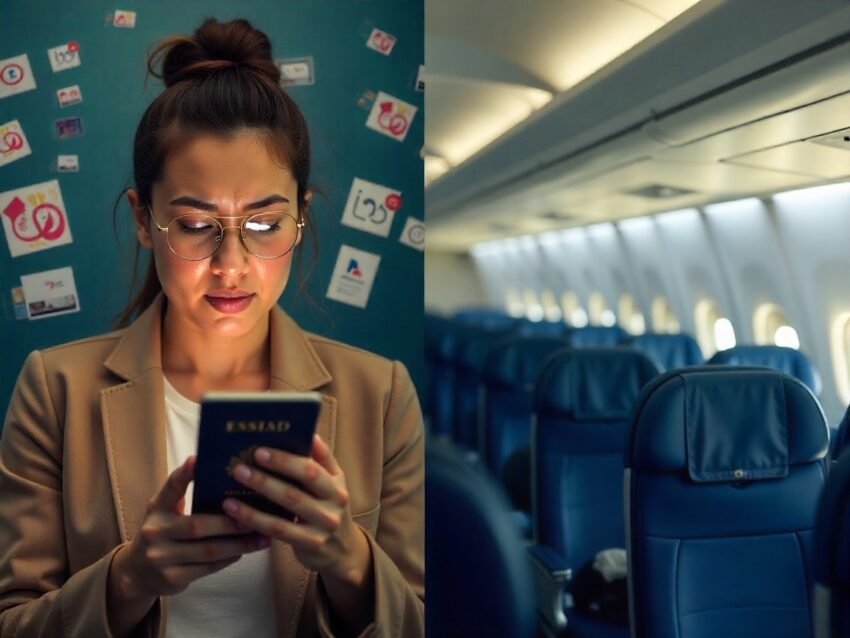
The U.S. Department of Homeland Security (DHS) has proposed a sweeping change to the Electronic System for Travel Authorization (ESTA), which currently allows citizens from 40 countries to travel to the U.S. without a visa. The new rule would require travelers to submit not only their social media history but also email addresses, phone numbers, and family details, stretching as far back as five years. This is an unprecedented move that could affect millions of travelers annually.
As many travelers are unaware of the extent of data that may be collected, this shift raises serious questions about privacy and freedom of speech. For tourists from countries like Japan, Italy, Germany, the UK, and France — all part of the VWP — the proposal has sparked concern. Travelers who have always enjoyed the ease of travel to the U.S. may now hesitate, wondering if their personal online history will be scrutinized or if they’ll be denied entry based on content that is inoffensive to them but deemed inappropriate by U.S. authorities.
For airlines and hotels, the implications are just as significant. With fewer travelers booking U.S. vacations, the tourism and hospitality industries are bracing for potential losses that could run into billions of dollars.
How U.S. Airlines Could Be Affected: A Threat to Bookings
American Airlines, Delta Air Lines, and other U.S.-based carriers could see significant declines in international bookings. These airlines have long relied on a steady stream of tourists flying into the U.S. from Europe and Asia, including the countries most affected by the proposed rule. For example, Japan, Italy, and Germany are among the top contributors to international flights to the U.S., with millions of travelers boarding flights each year.
Recent reports suggest that U.S. carriers may see a decrease in flight demand as more tourists become concerned about sharing sensitive personal information with the government. In 2019, Japan alone accounted for more than 3 million arrivals into the U.S., with Italy and Germany also contributing substantial numbers. If the new rules result in a mass reduction in bookings, airlines may be forced to adjust schedules, reduce routes, or even face financial strain due to fewer international travelers filling seats.
In response, some airlines may need to consider offering greater flexibility in their cancellation policies or providing additional guarantees to encourage travelers to continue booking flights. These steps will be crucial in reassuring customers who might otherwise opt for alternate destinations like Canada or other European countries, which are not implementing similar regulations.
Hilton Hotels and Other Hospitality Brands Brace for Impact
The hotel industry is equally concerned. Hilton, Marriott, and other major hotel chains that cater to international tourists are already preparing for a slowdown in bookings from key European and Asian markets. The U.S. has long been a top destination for international tourists, with major cities like New York, Los Angeles, and Orlando attracting millions of visitors each year. If the proposed rule deters travelers from these markets, hotel occupancy rates could fall, especially during peak tourist seasons.
In 2019, the U.S. welcomed over 79 million international visitors, with Europe contributing nearly 60% of that total. Hilton, one of the world’s largest hotel chains, had thousands of international guests staying in its properties across the U.S. However, with fewer travelers from countries like the UK, France, and Italy, the hotel giant could see a significant drop in bookings. To mitigate the impact, Hilton and other hospitality providers may need to ramp up their marketing efforts, emphasizing the convenience and safety of their properties to reassure travelers concerned about the new regulations.
Impact on Tourists: What Travelers Need to Know
For tourists who are planning to visit the U.S., the new social media disclosure rule raises several important considerations. First, it is essential to understand that the policy has not yet been implemented. Currently, the proposal is under review, and public feedback is being collected by the U.S. government. If passed, the new rules would apply to all travelers from VWP countries, including Japan, Italy, Germany, the UK, and France, who apply for ESTA approval before traveling to the U.S.
While travelers have generally enjoyed the convenience of visa-free entry, the new rule could lead to delays in the approval process. Tourists who are concerned about their social media history may face challenges in receiving ESTA approval if their social media activity includes content that U.S. authorities deem inappropriate. Additionally, the requirement to disclose five years of personal information may be unsettling for travelers who value their privacy.
To avoid any issues with the new rule, tourists should be mindful of the information they provide when applying for ESTA. Travelers should consider reviewing their social media accounts and ensuring that all content complies with U.S. guidelines. Additionally, if any personal information is outdated or inaccurate, it may be beneficial to update it before submitting an ESTA application.
The Future of U.S. Tourism: Potential Alternatives and Solutions
As the U.S. government considers implementing the social media disclosure rule, travelers may start to explore alternative destinations. Canada, with its proximity to the U.S., is already seeing increased interest from tourists who are concerned about the new regulations. European countries, such as Spain and Greece, are also likely to benefit as tourists shift their travel plans to regions with less stringent entry requirements.
For travelers who still want to visit the U.S. but are concerned about the new rule, one option could be applying for a traditional visa instead of using the ESTA system. While this process is more time-consuming and requires an in-person interview, it may offer travelers more control over what information is disclosed. However, the additional time and cost associated with the visa application process may not be appealing for all tourists.
Travel Tips for Visiting the U.S. Under the New Rules
For those who still plan to visit the U.S., there are a few key travel tips to ensure a smooth experience under the new rules:
- Review Your Social Media Accounts: Before applying for ESTA, review your social media accounts to ensure there is no content that could be seen as problematic by U.S. authorities. This includes posts that could be considered politically charged or controversial.
- Update Personal Information: Ensure that all personal information, including family details, phone numbers, and email addresses, is up-to-date before applying for ESTA. Any discrepancies could lead to delays or denials of entry.
- Prepare for Potential Delays: Given the increased scrutiny under the new rule, travelers should allow extra time for the ESTA approval process. It is also advisable to book flights and accommodations with flexible cancellation policies in case there are any issues with entry approval.
- Consider Travel Alternatives: If you are uncertain about the new rules or have concerns about the data required for ESTA, consider exploring alternative travel destinations. Countries like Canada, Mexico, and several European nations may offer similar experiences without the added complexities of the new U.S. entry requirements.
The Bottom Line: What’s at Stake for Travelers and the U.S. Tourism Industry
As the U.S. considers implementing the social media disclosure rule, the travel industry is bracing for potential disruptions. Airlines like American Airlines and Delta, as well as major hotel chains such as Hilton, are likely to experience significant financial losses if international tourism declines. For travelers from countries like Japan, Italy, Germany, the UK, and France, the ease of visiting the U.S. could become a thing of the past.
While the policy has yet to be finalized, the potential impact on the U.S. tourism industry is undeniable. As the travel landscape continues to evolve, it’s essential for travelers to stay informed and be prepared for any changes that may affect their plans.
For now, those who are still eager to visit the U.S. should ensure they are fully aware of the new rules and take the necessary steps to comply with the updated requirements. Whether it’s reviewing their social media history, updating personal details, or considering alternate destinations, the key is to stay proactive and plan ahead.
Japan, Italy, Germany, UK, France tourists say ‘No More U.S. Trips’ as the new social media rule threatens to shake global travel! American Airlines and Hilton brace for massive cancellations — is your U.S. vacation at risk?
The future of U.S. tourism may depend on how the government addresses these concerns and whether travelers continue to see the U.S. as an attractive destination. In the meantime, American Airlines, Hilton, and other key players in the tourism and hospitality industry will be watching closely as these changes unfold.
The post Japan, Italy, Germany, UK, France Tourists Say ‘No More U.S. Trips’, American Airlines and Hilton Brace for Mass Cancellations as New Social Media History Rule Looms! appeared first on Travel and Tour World














































Comments and Responses
Please login. Only community members can comment.