























































Jamaica Joins Barbados, Sri Lanka, Guyana, Israel, and Curaçao Lead 2026 Tourism Surge with Digital Entry Advancements, Sustainable Travel Initiatives, and Expanded Flight Connectivity
-
Blogs, Culinary, Nature & Wildlife, History & Art, Religion, Travel
-
-
4 mins
-
Travel and Tour World
-
Hrittik Shaw
-


Jamaica, Barbados, Sri Lanka, Guyana, Israel, and Curaçao report strong tourism growth in 2026 with digital entry, new flight links, and sustainability driving record travel demand.
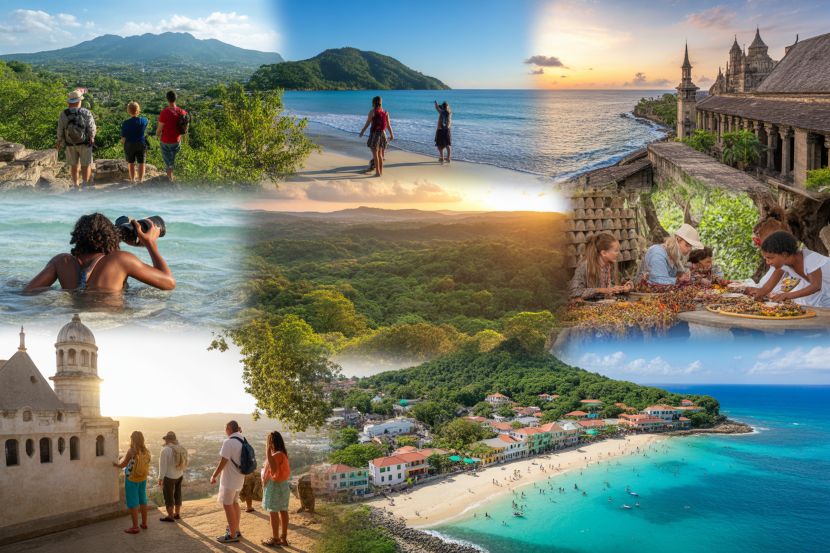
Jamaica, Barbados, Sri Lanka, Guyana, Israel, and Curaçao are witnessing a remarkable recovery and expansion in international tourism in 2026, with people from around the world returning to explore sun‑soaked beaches, rich cultural heritage, dense rainforests, and historic cities. This year has seen strengthened travel demand, driven by streamlined digital entry systems, expanded flight networks, and an urgent focus on sustainable tourism experiences that appeal to environmentally conscious travellers. These destinations are now emerging as global leaders in post‑pandemic tourism resurgence.
For visitors planning travel this year, improved accessibility and enhanced tourism offerings signal that these countries are investing deeply in both visitor experience and long‑term sector resilience. Government tourism agencies and official statistics indicate that strategic policy changes and infrastructure investments have combined to fuel strong international arrivals.
Jamaica’s Connectivity Growth and Record Numbers
Jamaica continues to reinforce its position as one of the Caribbean’s most accessible destinations, with direct flights from more than 55 global gateways. This flight network expansion has been pivotal to driving growth in tourist arrivals, including stops from major hubs in the United States, Europe, and Latin America. Recent aviation data forecasts that Jamaica will welcome millions of tourists in 2026, building on strong performance figures from 2025.
The Jamaican government and the Jamaica Tourist Board have prioritised inclusive tourism growth and connectivity, recognising that easier access yields stronger economic benefits for local communities. Tourism officials routinely highlight how improved international connectivity supports not only leisure travel but also business and cultural exchanges that contribute to broader economic resilience.
Barbados Strengthens Its All‑Round Appeal
In Barbados, the tourism landscape continues to thrive, with strong demand from key markets such as the United Kingdom, Europe, and North America. Barbados’s historically open and welcoming visa policies have supported travel recovery, allowing many international visitors to enter visa‑free or with minimal administrative requirements. While official entry guidelines do not currently impose strict visa conditions for many nationalities, the government maintains up‑to‑date information on its entry requirements, ensuring travellers are aware of documentation needed before departure.
Alongside accessibility, Barbados has emphasised cultural and culinary tourism, strengthening its appeal beyond traditional beach holidays. Investments in heritage sites, farm‑to‑table dining experiences, and community‑led tourism projects support sustainable economic benefits while welcoming diverse traveller interests.
Sri Lanka’s Post‑Crisis Growth and Eco‑Tourism Focus
Sri Lanka’s tourism industry has returned to pre‑pandemic levels, with more than 2.36 million international visitors recorded in 2025, reflecting both pent‑up demand and renewed confidence among global travellers. The Sri Lankan government continues to promote digital travel authorisations, allowing visitors to obtain Electronic Travel Authorisation (ETA) ahead of arrival, which simplifies entry procedures and enhances visitor planning.
In early 2026, Sri Lanka reported a strong start to the year with tens of thousands of visitors arriving in the first week of January alone, underscoring renewed interest in the island’s natural attractions and cultural heritage.
Beyond numbers, Sri Lanka is actively marketing its rich biodiversity, nature reserves, and wildlife sanctuaries to eco‑tourists, aligning with global trends that prioritise sustainable, nature‑based travel experiences.
Guyana’s Record‑Breaking Tourism Performance
Guyana has emerged as one of the fastest‑growing tourism destinations in the Caribbean and South America, closing 2025 with its highest visitor arrival figures in history and maintaining strong momentum into 2026. Official government data show that Guyana recorded over 453,000 visitor arrivals in 2025, a significant increase over the previous year.
The Guyana Tourism Authority attributes this growth to enhanced global visibility, improved travel connectivity, and the country’s unique eco‑tourism offerings. Dense rainforests, spectacular waterfalls, and rich biodiversity have made Guyana particularly attractive to travellers seeking immersive nature experiences.
Authorities have also set ambitious tourism targets for 2026, aiming to build on record performance with strategic marketing and broader international flight options that ease access from major feeder markets.
Israel’s Measured Recovery and Digital Entry Modernisation
Israel’s tourism sector is seeing a measured but steady recovery as global travel resumes in full force. The Israeli government has modernised its entry procedures with the Electronic Travel Authorization (ETA‑IL) requirement for travellers from visa‑exempt countries, streamlining border processes and improving planning certainty for visitors.
This digital authorisation aligns with global trends toward online entry systems that enhance security and predictability for tourists. Israel’s appeal lies in its rich historical cities, religious sites, and Mediterranean coastline, drawing travellers from North America, Europe, and beyond.
Government tourism agencies are also focusing on strengthening ties with new source markets and expanding infrastructure to support longer‑stay visitors and diverse travel interests.
Curaçao’s Sustainable Tourism Emphasis and Infrastructure Growth
Curaçao has consistently reported rising international visitor numbers, buoyed by its new tourism strategies that emphasise sustainability and quality experiences. While the territory typically does not require visas for many international visitors, official travel information underscores the importance of proper documentation and entry guidelines for a smooth arrival process.
The Curaçao Tourist Board and local authorities are investing in both eco‑friendly tourism initiatives and traditional tourism infrastructure upgrades, including improvements at Curaçao International Airport and new hotel developments. These enhancements aim to balance environmental stewardship with a growing travel demand.
Global Impacts and Future Prospects
The combined experiences of these six countries illustrate how strategic policy reforms—particularly around digital entry and flight expansion—can swiftly translate into measurable growth for national tourism sectors. Digital travel authorisation systems, expanded flight routes, and targeted sustainability investments are harmonising traveller expectations with local development goals.
Industry analysts note that the digital travel market continues to grow, driving efficiencies in planning and booking, while increasing global mobility for tourists. This trend is expected to further support tourism growth in 2026 and beyond as countries refine their systems to meet modern traveller needs.
As we progress through the year, Jamaica, Barbados, Sri Lanka, Guyana, Israel, and Curaçao are poised to capitalise on these gains, welcoming more international visitors and deepening their roles as must‑visit destinations on the global tourism map.
The post Jamaica Joins Barbados, Sri Lanka, Guyana, Israel, and Curaçao Lead 2026 Tourism Surge with Digital Entry Advancements, Sustainable Travel Initiatives, and Expanded Flight Connectivity appeared first on Travel and Tour World














































Comments and Responses
Please login. Only community members can comment.