
















































Indian Railways Hikes Fares Starting December 26 with New Charges for Long-Distance Travel: What Travelers Must Know Now
-
Nature & Wildlife, Travel
-
-
5 mins
-
Travel and Tour World
-
Anirban Bhattacharya
-

Indian Railways, the backbone of India’s transportation system, is implementing new fare increases starting December 26, 2025. The updated fares are set to impact long-distance travel, with increases ranging from Rs 5 to Rs 20 depending on the distance traveled. …
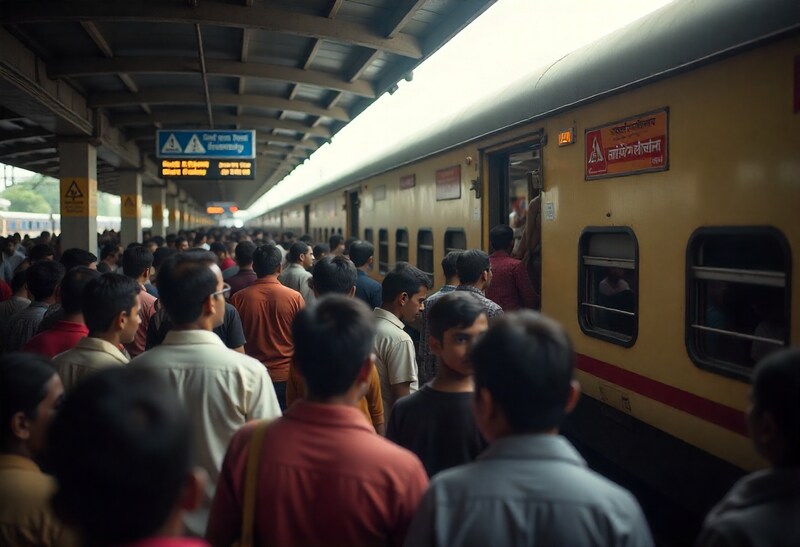
Indian Railways, the backbone of India’s transportation system, is implementing new fare increases starting December 26, 2025. The updated fares are set to impact long-distance travel, with increases ranging from Rs 5 to Rs 20 depending on the distance traveled. This is the second price hike of the year, following an earlier adjustment in July 2025. These changes, announced by the Indian Railway Ministry, are part of an ongoing effort to balance affordability for passengers with the financial sustainability of the rail network. The hike will affect ordinary class journeys, as well as services on mail and express trains, including non-AC and AC classes.
Introduction: Indian Railways Adjusts Fares in a Bid to Maintain Sustainability
India’s railway network is an essential part of the country’s transport infrastructure, connecting millions of people across vast distances. But with rising operational costs and the need to maintain and improve services, Indian Railways has had to implement fare hikes. Starting from December 26, passengers will see a rise in ticket prices for long-distance travel. The fare increases are designed to ensure that the railway system remains financially sustainable while continuing to provide affordable travel options for millions of Indians.
The new fares will impact a variety of travelers, but the most significant increases will apply to long-distance routes, especially those beyond 215 km. However, the government has attempted to limit the impact on short-distance travelers by structuring the fare increases based on the distance traveled. This means that while passengers traveling shorter distances won’t be significantly affected, those traveling across longer routes will see a more substantial increase.
For many, rail travel remains the most affordable way to travel across the country. Despite the hikes, Indian Railways continues to be an integral part of the nation’s transport system, serving not just as a way to get from one city to another but as a vital lifeline for millions of daily commuters.
Here’s a breakdown of what passengers can expect with the new changes. These fare adjustments are set to impact everyone from daily commuters to those making longer journeys across the country. The introduction of these new rates means that rail travel, which is still one of the most economical options for domestic transport, is becoming more expensive.
Key Changes in Indian Railways Fares Starting December 26, 2025
- Ordinary Class (Non-AC) Fare Increases:
- No increase for journeys up to 215 km.
- Rs 5 increase for journeys between 216 km and 750 km.
- Rs 10 increase for journeys between 751 km and 1,250 km.
- Rs 15 increase for journeys between 1,251 km and 1,750 km.
- Rs 20 increase for journeys between 1,751 km and 2,250 km.
- Mail and Express Trains (Non-AC and AC classes):
- A 2 paise per kilometre rise for non-AC and AC classes on mail and express trains.
- For example, a 500 km journey in a non-AC mail or express train will now cost an additional Rs 10.
- Sleeper Class and First Class Fare Increases:
- 1 paise per kilometre increase on sleeper class and first class fares on non-suburban routes.
- Impact on Popular Services:
- The new fare increases will affect major services such as Rajdhani, Shatabdi, Duronto, Vande Bharat, Tejas, and several other express and mail trains.
- AC MEMU and DEMU services will remain unaffected by this hike.
How the Fare Increases Will Affect Passengers
While the rail fare increase may initially be a cause for concern, it’s important to consider the broader context of these adjustments. Here’s how these changes will impact different categories of passengers:
- Long-Distance Travelers: Passengers traveling long distances, especially those covering more than 750 km, will experience the most significant fare increases. These travelers will face an additional burden of Rs 5 to Rs 20 depending on their journey’s length.
- Short-Distance Commuters: Those traveling less than 215 km will see no change in their fare, keeping the impact on daily commuters minimal.
- Sleeper and First Class Passengers: Passengers opting for sleeper class or first class tickets on non-suburban routes will experience a slight increase of 1 paise per kilometre. This will affect shorter-distance services as well.
For example, a 500 km journey on a non-AC mail or express train will now cost an additional Rs 10, which could add up for those traveling frequently. On the other hand, passengers traveling shorter distances will be less affected by the increase, as fares for journeys up to 215 km will remain unchanged.
Booking and Implementation Details
- Effective Date: The new fare structure will apply to all tickets booked on or after December 26, 2025.
- Existing Tickets: Passengers who have already booked tickets before this date will not be charged the new rates, even if their journey occurs after December 26.
- Updated Fare Charts: New fare charts reflecting the revised prices will be available at all railway stations and will be displayed for easy reference.
These fare hikes come as part of Indian Railways’ ongoing efforts to maintain a balance between keeping train travel affordable and ensuring the long-term sustainability of the system. The government aims to minimize the financial burden on passengers while also addressing the challenges of rising fuel costs and infrastructure maintenance.
Why These Fare Hikes Are Necessary for Indian Railways
The need for fare hikes is rooted in the operational challenges faced by Indian Railways, including maintenance costs, infrastructure development, and staffing requirements. The railway system is vast, and ensuring its continued operation requires substantial investment. These fare increases are intended to address these financial needs without compromising the overall quality of service.
Indian Railways must also invest in modernizing its trains, upgrading infrastructure, and ensuring safety standards are met. With such a large and diverse passenger base, it is essential to balance affordability with the need for investment in the system’s future.
Conclusion: Indian Railways Moves Towards a Sustainable Future with New Fare Increases
Indian Railways is taking significant steps towards financial sustainability while ensuring that it continues to provide safe, efficient, and reliable travel options for millions of passengers. The fare increases set to take effect on December 26 are designed to support the long-term health of the railway system while minimizing the impact on short-distance commuters. While long-distance travelers will face higher fares, the overall goal is to ensure that Indian Railways can continue to serve the nation effectively in the years to come.
These adjustments reflect the complex nature of managing a vast and complex transportation network, and while the hikes may not be welcome by all, they are crucial for ensuring the continued success and sustainability of Indian Railways.
The post Indian Railways Hikes Fares Starting December 26 with New Charges for Long-Distance Travel: What Travelers Must Know Now appeared first on Travel and Tour World























































Comments and Responses
Please login. Only community members can comment.