























































Iceland’s Ring Road Open for October Travel, But Drivers Must Be Prepared
-
Blogs, Travel
-
-
3 mins
-
Travel and Tour World
-
Bikram Chakraborty
-


October travelers to Iceland can explore the Ring Road, but should rent a 4X4 and prepare for unpredictable weather.
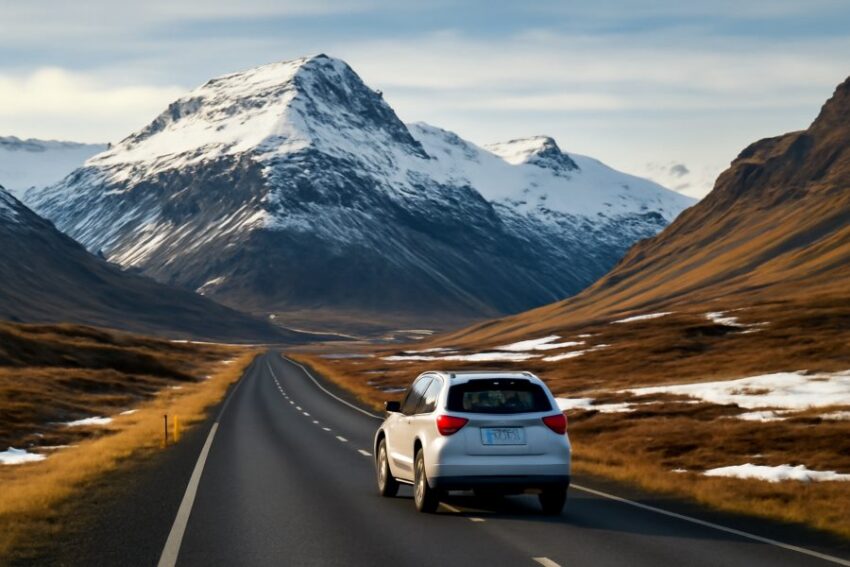
October is one of the most exciting months to visit Iceland. During this time, the majority of the country’s most popular routes and natural attractions are easily accessible. Travelers can explore the island’s stunning scenery, including glaciers, volcanoes, waterfalls, and geothermal hotspots. The Ring Road, which forms a loop around the entire island, remains open, allowing visitors to experience the breathtaking beauty of Iceland from the comfort of their vehicle.
The Ring Road in October: A Smooth Journey or Unexpected Challenges?
The Ring Road is usually cleared of snow and ice regularly during the autumn months, making it a feasible option for those looking to drive themselves around the country. For most of October, visitors can expect a smooth journey, with easy access to Iceland’s key sights. However, Iceland’s weather is unpredictable, and conditions can change rapidly, especially in more remote regions.
Though much of the Ring Road remains open, travelers should be aware of potential challenges that can arise. Heavy rainfall, sudden snowstorms, or even the possibility of avalanches could block parts of the road, particularly in the northern parts of the country. These unforeseen weather events can make travel difficult or even dangerous, particularly if you’re not prepared for such conditions.
A 4X4 Rental: The Best Option for October Driving
One of the most important pieces of advice for anyone planning to drive on Iceland’s roads during October is to rent a 4X4 vehicle. While it may seem like an unnecessary expense, a 4X4 is the best choice for dealing with Iceland’s often unpredictable weather. Even if your travel plans only involve sticking to the main Ring Road, road conditions can quickly change, especially when venturing into northern or higher elevation areas.
The roads may appear clear at first, but the weather can shift quickly, turning perfectly safe roads into slick or snow-covered paths. With a 4X4, you’ll have greater control over your vehicle and be able to navigate tougher conditions with more confidence. Whether you’re driving through rain, snow, or icy patches, a 4X4 gives you the added security and peace of mind.
For visitors planning to explore Iceland’s less-traveled routes or venture off the main highway, a 4X4 is practically a necessity. Certain attractions, such as the Highlands or remote waterfalls, may require driving on rough gravel roads or through more challenging terrain. In these areas, a standard car simply won’t cut it. A 4X4 will ensure that you can reach all corners of the island without compromising safety.
Be Prepared for Changing Weather Conditions
In Iceland, weather can change drastically in a matter of hours, making it essential for travelers to stay informed and flexible. Even though the Ring Road is usually in good condition, it’s wise to check for weather updates regularly. Websites and apps that provide real-time weather information can be lifesavers. Travelers should also keep an eye on road conditions to ensure they are not encountering any closed routes or dangerous driving areas.
It’s a good idea to check the Icelandic Road and Coastal Administration website for updates on road conditions and closures. If you’re unsure about the road conditions ahead, it’s better to be cautious and plan an alternative route. Furthermore, paying attention to local weather reports will help you anticipate changes in conditions, allowing you to adjust your travel plans if necessary.
Tips for Drivers Who Are Uncertain About Challenging Conditions
For those who may be nervous about driving in difficult weather conditions, it’s a good idea to consider staying in the southern parts of Iceland. The southern region tends to experience more stable weather in October, with fewer drastic changes in temperature or precipitation. This part of Iceland also boasts many of the country’s most popular tourist attractions, such as the famous Golden Circle route, which includes sites like the Geysir geothermal area, Gullfoss waterfall, and Thingvellir National Park.
By sticking to the south, visitors can avoid the worst of the winter weather and still experience many of Iceland’s most iconic landmarks. The Ring Road in the south is also well-maintained, and driving is generally safer in these areas compared to the north, where conditions can be more unpredictable and challenging.
That said, the southern region offers a range of natural wonders that are just as impressive as those in the northern part of the country. If you’re not keen on driving in tough conditions, focusing on the south allows you to have a relaxed, enjoyable trip without sacrificing the beauty of Iceland’s landscapes.
Stay Informed and Plan Ahead for a Safe and Enjoyable Journey
While Iceland offers an unforgettable travel experience in October, ensuring a safe trip requires some preparation and awareness of the potential risks. Travelers should always plan ahead and be prepared for sudden changes in road conditions or weather. Renting a 4X4 is highly recommended to increase safety and provide greater freedom on the road, especially when traveling in less accessible parts of the country. However, for those who prefer to stay on the main road, focusing on the southern regions can help avoid any difficult weather conditions and ensure a smoother journey.
With the right preparation and a little bit of caution, October is an ideal time to drive the Ring Road and explore Iceland. By following these tips, travelers can enjoy all that Iceland has to offer while staying safe on the road.
The post Iceland’s Ring Road Open for October Travel, But Drivers Must Be Prepared appeared first on Travel and Tour World














































Comments and Responses
Please login. Only community members can comment.