
How Japan Remains Safe to Travel Amid Megaquake Fears – What You Need to Know Before Booking Your Trip!
-
Blogs, Travel
-
-
4 mins
-
Travel and Tour World
-
Somudranil Sarkar
-

Following a 7.5-magnitude earthquake, Japan warns of further tremors. Travelers are advised to stay alert, and flight disruptions continue. Here's the latest travel advice.
On December 8, 2025, a 7.5-magnitude earthquake struck Japan, causing widespread disruptions and injuries. The tremor, which originated off the coast of Aomori Prefecture, triggered tsunami warnings, though the waves were far less severe than initially feared, reaching only 2.2 feet in some coastal regions. Despite the tsunami alerts being lifted, Japan’s Meteorological Agency has warned that additional powerful earthquakes could follow in the coming days, urging residents and travelers to remain cautious. This article offers crucial insights into the current travel situation in Japan, including advice for those planning to visit.
The Aftermath of the 7.5-Magnitude Earthquake
The earthquake’s impact has been significant, with at least 33 people injured and considerable disruption to transportation. Services such as train operations were suspended temporarily, and traffic jams were reported as people sought to leave the affected areas. At New Chitose Airport, one of Japan’s largest airports, passengers were stranded due to flight cancellations and delays. While some disruptions have been resolved, travelers are still advised to check the status of their flights and other transportation services before departure.
The Aomori Prefecture, located at the northern tip of Honshu, Japan’s main island, was particularly affected by the tremor. The region, known for its winter snowfall, experienced significant shaking, leading to temporary suspensions in East Japan Railway services and Shinkansen train routes. The tremor caused panic-induced traffic jams as people tried to flee from Hachinohe, a city in the prefecture. The earthquake’s effects were felt across Hokkaido, with reports of damage and public safety concerns still ongoing.
Potential for Further Earthquakes
The Japan Meteorological Agency (JMA) has issued warnings that further strong earthquakes could occur over the next week, especially in regions that experienced significant shaking. The agency has highlighted the risk of follow-up quakes and aftershocks following major seismic events, especially when the earthquake exceeds a magnitude of 7.0. The advisory is part of Japan’s preparedness system that aims to provide early warnings for communities in high-risk areas.
While the likelihood of another powerful earthquake occurring in the immediate aftermath is low, the JMA urges the public to stay on high alert for the next seven days. The agency has also recommended preparations such as securing furniture, checking evacuation routes, and ensuring emergency supplies are readily available. In areas with strong shaking, the risk of house collapses and landslides remains high, particularly in hilly or mountainous regions.
Travel Alerts and Safety Precautions
The UK Foreign, Commonwealth & Development Office (FCDO) has issued a statement advising travelers to follow local authorities’ instructions and remain informed about the evolving situation. Although all tsunami advisories have been lifted, the FCDO emphasizes the possibility of further earthquakes, which may disrupt travel plans in the affected areas.
The FCDO also notes that no specific advice has been issued to discourage non-essential travel to Japan, meaning travelers are still free to proceed with their plans unless new government guidelines are issued. For those traveling to the affected areas, the FCDO recommends staying updated through Japan’s official news channels, such as NHK, which provides the latest information in English.
Impact on Flights and Airports
The earthquake caused significant disruptions at New Chitose Airport in Hokkaido, where approximately 200 passengers were stranded overnight. Due to flight cancellations and safety inspections, many passengers were forced to wait until operations resumed. However, as of the latest updates, airport operations have largely returned to normal, although some delays and cancellations are still reported.
Travelers are advised to monitor FlightRadar for real-time updates on their flight status and to contact their airlines directly for more information on the specific situation at their departure airport.
Should You Cancel Your Holiday to Japan?
For travelers concerned about the ongoing aftershocks and potential disruptions, it’s important to understand that the FCDO has not issued a formal warning against traveling to Japan at this time. As such, there are no provisions for automatic refunds or cancellations due to the earthquake alone. Whether a trip can be postponed or canceled without penalty will depend on individual holiday providers and the terms of travel insurance policies.
Travelers who have purchased travel insurance should check their coverage to see if it includes protection for natural disasters like earthquakes. Some policies may cover unforeseen events that prevent arrival at the destination, but it’s important to confirm the specifics with the insurance provider. If travelers have travel insurance and are considering canceling or changing their plans, it is recommended to contact the insurer to determine whether the policy covers cancellations or trip interruptions due to the earthquake.
Is It Safe to Travel to Japan Now?
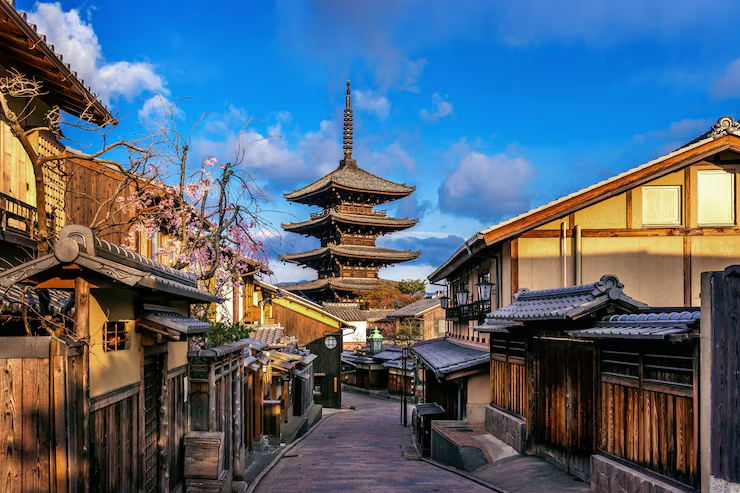
Although the earthquake has certainly caused disruption, the majority of Japan remains safe for travelers. Tokyo, Kyoto, and other major tourist destinations are not directly impacted by the tremors. However, as with any natural disaster, travelers should remain aware of local conditions and follow official advisories. While Hokkaido and Aomori are still under alert, other areas of the country continue to operate normally, and travelers are encouraged to stay informed via local news updates.
Conclusion: Staying Informed and Prepared
Japan is no stranger to earthquakes, and its preparedness systems are robust, with measures in place to mitigate damage and ensure public safety. While the recent 7.5-magnitude earthquake has caused disruption, travelers should follow local guidelines and stay updated on the evolving situation. With tsunami alerts lifted and most airports resuming operations, Japan remains a safe and fascinating destination for those willing to remain flexible and stay informed about the latest developments.
As always, it is advisable for travelers to monitor their flight statuses, confirm accommodation arrangements, and ensure they have emergency supplies should they be in an affected area. By remaining prepared and cautious, visitors can enjoy a safe and enriching trip to this beautiful and resilient country.
The post How Japan Remains Safe to Travel Amid Megaquake Fears – What You Need to Know Before Booking Your Trip! appeared first on Travel and Tour World
Comments and Responses
Please login. Only community members can comment.