



























































Greece Launches Euro Water Security Plan, Led by Evrytos Project, Ensures Sustainable Tourism and Safeguards Water Supply
-
History & Art, Travel
-
-
4 mins
-
Travel and Tour World
-
Gishan Das
-

Greece euro water security investment plan, including the Evrytos project, promotes sustainable tourism growth and secures the water supply amidst drought threats.
Greece has announced a 2.5 billion-euro investment plan, which will help the country improve its water security and curb the risk of drought for the next three decades. The project would safeguard water supply in the Attica region, home to the capital Athens, for at least the next 30 years. Completion by mid-2029 will ensure that the capital and its environs will have a continuous supply of water. This ambitious plan is not only a response to climate change but a strategic move in a bid to support sustainable tourism in the country.
Ensuring Long-Term Water Security for Tourism in Athens and Beyond
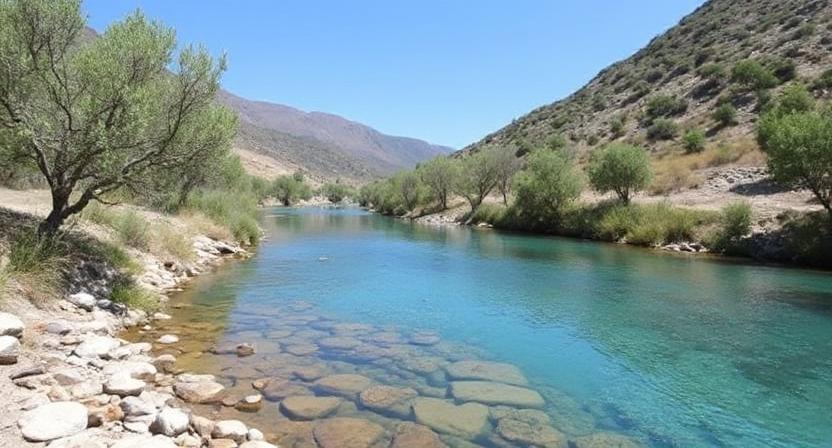
The Evrytos project, a partial diversion of the Krikeliótis and Karpenisiótis rivers toward the Evinos reservoir, aims to secure the water supply for the Attica region, where Athens and key tourism areas like Phytia and Marathon are located. As tourism continues to be a significant contributor to Greece’s economy, ensuring the reliability of water supply for both locals and tourists is essential to maintaining the high standards of hospitality and sustainable tourism that Greece is known for.
By securing the water supply for the capital and surrounding areas, the Greek government ensures that tourism infrastructure, including hotels, restaurants, and attractions, continues to be fully supported, even during periods of drought. The country’s reputation for offering high-quality drinking water—a key selling point for tourists—remains intact. Additionally, the Evrytos project will have long-term benefits for tourism-dependent regions outside of Athens, allowing tourist destinations like Santorini, Mykonos, and Crete to thrive, even amid climate challenges.
Boosting Sustainable Tourism Through Improved Water Management
The Evrytos project is part of a larger seven-pillar national strategy for water management that integrates short-term, medium-term, and long-term measures to improve the country’s climate resilience. The plan includes groundwater source activation, desalination infrastructure, and enhanced water management across the country, ensuring that tourism hotspots are well-equipped to handle rising visitor numbers without depleting water resources.
Sustainable tourism is increasingly seen as a key focus for Greece, and the investment in water infrastructure directly supports the country’s ability to maintain a thriving tourism sector while addressing environmental sustainability. For example, water-efficient practices, such as rainwater harvesting, recycled water systems, and sustainable water usage in hotels and resorts, will be implemented across the country, contributing to the global movement toward eco-conscious travel.
Promoting Tourism to Low-Altitude Regions with Water Infrastructure Upgrades
Beyond Attica, the national water security plan also includes 151 projects in over 40 islands to improve water and sewage infrastructure. These upgrades, including new desalination units in islands like Kastellorizo and Amorgos, will support tourism growth by ensuring a consistent water supply in these popular tourism destinations, which often face challenges with water availability during the peak seasons.
As islands like Corfu and Crete continue to see growing international visitors, maintaining a reliable water system will be critical in sustaining the high standards of service expected by travelers. These improvements will not only enhance visitor experiences but also help island communities maintain sustainable tourism practices while balancing the needs of both residents and tourists.
Securing Long-Term Growth for Water-Dependent Tourism Regions
The Evrytos project and the national water strategy will play a key role in the continued development of water-dependent tourism regions in Greece. Areas like Athens, Thessaloniki, and the Peloponnese are not only popular for cultural tourism but also for their beaches, eco-tourism, and outdoor activities. As tourists seek both cultural enrichment and nature-based experiences, ensuring that there is a sustainable water supply will be critical for the long-term success of these destinations.
With the growing focus on eco-tourism and nature-based tourism, having a reliable water supply supports sustainable practices in tourism operations and ensures the protection of the natural environment. The development of new water sources and desalination technologies will allow Greece to continue growing its eco-tourism sector, helping to attract environmentally conscious tourists who prioritize sustainability in their travel choices.
Greece’s Competitive Advantage in the Global Tourism Market
Greece’s emphasis on water security and sustainability is already paying off by enhancing the country’s global tourism competitiveness. Visitors to Greece are increasingly looking for destinations that offer not only scenic beauty and rich culture but also responsible tourism practices. By ensuring that Greece’s water infrastructure can support both local residents and tourists during peak seasons, the country strengthens its position as a global leader in sustainable tourism.
This commitment to water security aligns with the broader European Union environmental goals, helping Greece to meet its climate targets and foster long-term growth in the tourism sector. In particular, countries that are climate resilient and prioritize sustainable development in tourism are increasingly attractive to international visitors who want to experience authentic, sustainable, and eco-friendly vacations.
Safeguarding Tourism and Water Resources for Future Generations
The 2.5-billion-euro investment by Greece in water security and the Evrytos project is a forward-thinking plan to ensure security for the future of both water supply and tourism. This will protect the main tourist areas of the country while ensuring water resources are managed sustainably. Given that tourism is fast becoming and will continue to be one of the most important sectors of Greece’s economy, such an investment will help the country stay competitive within the global tourism market and preserve its natural beauty for generations to come.
This innovation in water management makes Greece a leader in the path toward sustainable tourism growth, whereby locals and tourists alike can enjoy this nation’s marvels without sacrificing its environmental integrity.
The post Greece Launches Euro Water Security Plan, Led by Evrytos Project, Ensures Sustainable Tourism and Safeguards Water Supply appeared first on Travel and Tour World

























































Comments and Responses
Please login. Only community members can comment.