























































GOYANG TRAVEL GUIDE: The Ultimate Local’s Guide to South Korea’s Most Underrated City
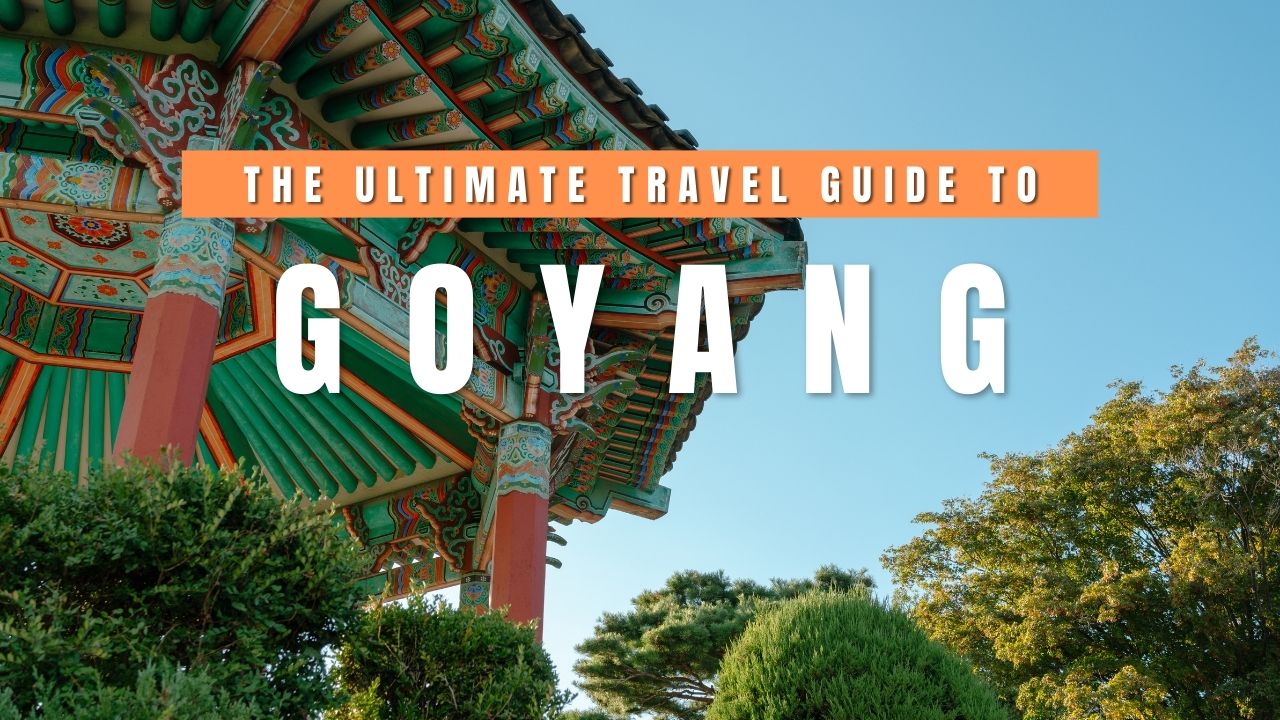
Goyang Travel Guide
-
Travel, Blogs, Wellness, Culinary, Nature & Wildlife, History & Art, Shopping
-
-
45 mins
-
Out of Town Blog
-
Team Out of Town
-


Discover the Best Things to Do, Where to Stay, What to Eat & How to Explore Goyang Like a Local If you’ve already ticked off Seoul, Busan, and Jeju from your South Korea bucket list, it’s time to look a little deeper—and that’s where this Goyang Travel Guide comes in. Located just northwest of Seoul […]
GOYANG TRAVEL GUIDE: The Ultimate Local’s Guide to South Korea’s Most Underrated City
Discover the Best Things to Do, Where to Stay, What to Eat & How to Explore Goyang Like a Local
If you’ve already ticked off Seoul, Busan, and Jeju from your South Korea bucket list, it’s time to look a little deeper—and that’s where this Goyang Travel Guide comes in.
Goyang Travel Guide
Located just northwest of Seoul in Gyeonggi Province, Goyang is a city that quietly charms those who venture beyond Korea’s most famous destinations. While most travelers rush through packed shopping streets and neon-lit districts, Goyang offers something refreshingly different: spacious parks, lakeside promenades, traditional fortresses, world-class art centers, and food streets where locals actually eat.
This is not a city built for tourists—it’s a city built for living. And that’s exactly what makes it special.
In Goyang, you can cycle around one of Asia’s largest artificial lakes, picnic under cherry blossoms, attend a classical concert in the afternoon, explore ancient royal tombs before sunset, and end the night with sizzling street food and craft beer. It’s modern Korea without the chaos, traditional Korea without the tourist traps, and local Korea without intimidation from the language barrier.
This Goyang travel guide is designed to be your complete planning resource—whether you’re visiting for a day from Seoul or staying for a full cultural immersion. You’ll find detailed itineraries, real costs, hotel descriptions, must-try dishes, cultural etiquette, and hidden gems locals don’t usually share.
If you’re seeking authentic Korean experiences, fewer crowds, and budget-friendly travel—along with beautiful green spaces and rich cultural immersion—Goyang is the perfect destination. Visiting for the first time? This Goyang Travel Guide is designed especially for you.
1. Destination Overview – Why Visit Goyang, South Korea?

Ilsan Lake Park in Goyang, South Korea
Where Is Goyang?
Goyang is located in Gyeonggi Province, bordering Seoul’s northwest edge. Thanks to Korea’s excellent public transportation, you can reach central Goyang in about 30–45 minutes from downtown Seoul, making it perfect for both day trips and longer stays.
Despite its proximity to the capital, Goyang feels like a completely different world—more spacious, greener, and noticeably calmer.
What Makes Goyang Special?
Unlike Seoul, which thrives on speed, density, and constant stimulation, Goyang is about balance.
Goyang is special for tourism because it offers a rare balance of nature, culture, and modern city life without the crowds found in larger destinations like Seoul. The city is known for its expansive green spaces, historic sites, including royal tombs and fortresses, and vibrant cultural venues, such as the Aram Nuri Arts Center.
Goyang also hosts major seasonal events, most notably the International Flower Festival. With its relaxed atmosphere, excellent transport connections, affordable dining, and authentic local neighborhoods, Goyang allows travelers to experience everyday Korean life while still enjoying diverse attractions.
Best Time to Visit Goyang
Spring (April–May) – BEST TIME
- Cherry blossoms are in full bloom
- Goyang International Flower Festival
- Mild temperatures (10–20°C / 50–68°F)
- Perfect for walking and cycling
Pro Tip: Book hotels early during festival season—prices rise fast.
Summer (June–August)
- Warm and humid
- Water parks and lake activities shine
- Outdoor concerts and festivals
Downside: High humidity and monsoon rains in July.
Autumn (September–November)
- Crisp air
- Golden foliage
- Fewer tourists
- Stunning park scenery
Local Secret: Autumn evenings at Ilsan Lake Park are magical and peaceful.
Winter (December–February)
- Cold but quiet
- Snow-dusted parks
- Fewer tourists
- Cozy café culture
Travel Difficulty Level
Difficulty: Easy
Goyang is extremely traveler-friendly, with:
- Clear English signage
- Efficient transport
- Safe streets
- Helpful locals
Even first-time travelers to Korea will feel comfortable here.
Recommended Duration
- Day trip from Seoul: 1 day
- Relaxed city break: 2–3 days
- Deep cultural immersion: 4–5 days
2. Essential Travel Information for Goyang
Visa Requirements
For Filipino Travelers
Filipino passport holders must apply for a tourist visa (C-3) before entering South Korea.
Required documents usually include:
- Valid passport
- Completed application form
- Passport photo
- Bank certificate & statements
- Certificate of employment
- Flight itinerary
- Hotel booking
- Daily schedule
Processing time: 7–15 working days
Pro Tip: Apply at least 6–8 weeks in advance.
For Visa-Free & K-ETA Nationalities
Many nationalities can enter South Korea visa-free, but must apply for K-ETA (Korea Electronic Travel Authorization) before arrival.
Cost: ~$8–$10
Validity: 2 years
Processing time: Usually within 24–72 hours
Currency & Budget Expectations
Currency
South Korean Won (KRW)
KRW1,000 = $0.75–$0.80 USD
Daily Budget in Goyang (Per Person)
Budget Traveler – $35–$60/day
- Hostel or budget hotel: $20–$40
- Street food & convenience meals: $10–15
- Transport: $5–8
- Attractions: Mostly free or cheap
Mid-Range Traveler – $70–$150/day
- Comfortable hotel: $80–120
- Café meals & restaurants: $20–40
- Attractions & activities: $10–30
- Transport: $5–10
Luxury Traveler – $200+/day
- High-end hotel or suite
- Fine dining
- Private tours
- Taxi transfers
Language & Communication Tips
Official Language: Korean
English is moderately spoken, especially by:
- Younger people
- Hotel staff
- Café workers
- Tourist attractions
Useful Korean Phrases
Hello – Annyeonghaseyo
Thank you – Gamsahamnida
Excuse me – Joesonghamnida
Yes / No – Ne / Aniyo
How much? – Eolma-eyo?
Pro Tip: Download Papago or Google Translate with offline Korean packs.
How to Get to Goyang, South Korea
Goyang is located in Gyeonggi Province, just northwest of Seoul, and is easily accessible via South Korea’s efficient public transportation system. Whether you’re coming from the airport or central Seoul, getting to Goyang is simple, affordable, and stress-free.
From Incheon International Airport (ICN)
Option 1: Airport Limousine Bus (Most Convenient)
This is the easiest option if you have luggage.
How it works:
- Go to the airport bus terminal
- Look for buses heading to Ilsan, Baekseok, or Daehwa
- Get off at your closest Goyang stop
Travel Time: 60–90 minutes
Cost: $10–$15 USD
Best for: First-time visitors, families, heavy luggage
Pro Tip: Ask your hotel which stop is closest before boarding.
Option 2: AREX + Subway (Cheapest)
Steps:
- Take the AREX train from Incheon Airport to Seoul Station or Hongdae (Hongik Univ. Station)
- Transfer to Subway Line 3 or Gyeongui–Jungang Line
- Get off at stations like:
- Jeongbalsan
- Baekseok
- Daehwa
- Hwajeong
Travel Time: 70–90 minutes
Cost: $6–$10 USD
Best for: Budget travelers
From Gimpo International Airport (GMP)
Gimpo is much closer to Goyang than Incheon.
Subway Option
- Take Subway Line 5 or Line 9
- Transfer to Line 3
- Get off at your Goyang station
Travel Time: 35–50 minutes
Cost: $3–$6 USD
From Seoul to Goyang
This is the most common route for travelers.
Subway (Best Option)
Goyang is connected by several subway lines:
Line 3 (Orange Line) – Most Useful
Stops in Goyang include:
- Daehwa
- Juyeop
- Jeongbalsan
- Baekseok
- Hwajeong
From popular Seoul areas:
- Myeongdong to Goyang: ~40 minutes
- Hongdae to Goyang: ~30–40 minutes
- Gangnam to Goyang: ~50–60 minutes
Cost: $1.50–$3 USD
Taxi
Taxis are safe, clean, and reliable.
From Seoul:
- Travel Time: 40–60 minutes
- Cost: $30–$60 USD
Best for: Late-night arrivals, families, convenience
Getting Around Goyang
Once you’re in the city, getting around is easy.
Subway
Fast, cheap, English-friendly.
Buses
Cover residential areas and outer districts well.
Taxi
Short rides usually cost $4–$10.
T-Money Card (Highly Recommended)
Buy a T-money card at any convenience store or subway station.
Why you need it:
- Works on buses, subways, and taxis
- Saves money on transfers
- No need to buy single tickets
3. Top Attractions & Experiences in Goyang
If you’re wondering what makes Goyang special, this section of the Goyang Travel Guide will show you exactly why this city deserves a spot on your Korea itinerary. From massive green spaces to historic fortresses and cultural complexes, Goyang offers a beautifully balanced mix of old and new.
Must-See Landmarks & Cultural Sites in Goyang
These are the places that define the city and should be on every first-time visitor’s list.
1. Ilsan Lake Park

Ilsan Lake Park
Ilsan Lake Park is the heart of Goyang—and one of the largest artificial lakes in Asia. This enormous park is a favorite hangout for locals, families, couples, joggers, and photographers.
The park is divided into multiple themed gardens, including a rose garden, a Korean traditional garden, and a wetlands area. You’ll find wooden bridges, lakeside cafés, fountains, and endless walking paths.
Best Things to Do Here:
- Rent a bike and ride around the lake (~$6–$10/hour)
- Have a picnic under cherry blossoms in spring
- Watch the sunset over the water
- Visit during the Flower Festival
Estimated Cost: Free
Time Needed: 2–4 hours
Photography Tip: The best shots are taken during golden hour on the western side of the lake.
2. Goyang Aram Nuri Arts Center

Goyang Aram Nuri Arts Center photo via Visit Korea
This massive cultural complex is a symbol of modern Goyang. It houses opera halls, theaters, art galleries, libraries, and outdoor performance spaces.
You can catch everything from traditional Korean dance performances to orchestral concerts, K-pop showcases, and art exhibitions.
What Makes It Special:
- Stunning architecture
- Frequent free exhibitions
- Rooftop garden views
- Local creative energy
Estimated Cost:
- Gallery entry: Free–$5
- Performances: $15–$60
Local Secret: Even if you don’t attend a show, the lobby and rooftop gardens are worth visiting.
3. Seooreung Royal Tombs

Goyang West Five Royal Tombs photo via Visit Korea
A UNESCO-style heritage site without the crowds. These royal tombs house the kings and queens of the Joseon Dynasty and are surrounded by forested walking paths.
This is where history meets nature—quiet, atmospheric, and beautifully maintained.
Best For:
- History lovers
- Peaceful walks
- Cultural immersion
Estimated Cost: ~$3
Time Needed: 1–2 hours
4. KINTEX (Korea International Exhibition Center)

Korea International Exhibition Center
One of the largest convention centers in Asia, KINTEX hosts global expos, tech shows, K-beauty events, travel fairs, and food festivals. If you’re lucky, your visit might coincide with a world-class exhibition.
Estimated Cost: Depends on event ($5–$30)
Pro Tip: Check event calendars before your trip—some festivals are incredible.
5. Hyundai Motorstudio Goyang
This isn’t just a car museum—it’s an immersive experience into Korea’s design, technology, and future mobility.
Interactive exhibits, concept cars, VR experiences, and hands-on tech zones make this fascinating even if you’re not a car fan.
Estimated Cost: $5–$10
Time Needed: 1.5–2 hours
Hidden Gems & Local Favorites in Goyang
If you want to explore beyond the usual tourist trail, these hidden spots belong in your Goyang travel guide itinerary.
1. Haengjusanseong Fortress

Haengjusanseong Fortress traditional pavilion in Goyang, South Korea
Haengjusanseong Fortress is one of Goyang’s most important historical landmarks and a must-visit for travelers who want to understand Korea beyond its modern cities. Built on a hill overlooking the Han River, this fortress played a key role during the Imjin War, when Korean forces famously defended the area against invading troops.
Today, it offers a peaceful escape with scenic walking trails, shaded paths, and panoramic views stretching across the river and surrounding countryside. Visitors can explore stone walls, gates, and memorial areas while enjoying fresh air and quiet surroundings. Its combination of history, natural beauty, and panoramic views makes Haengjusanseong Fortress one of Goyang’s top tourist attractions.
What You’ll Love:
- Panoramic city views
- Forest walking paths
- Quiet atmosphere
Estimated Cost: ~$2
Local Secret: Visit early in the morning for misty views and minimal crowds.

Bukhansan National Park
2. Bukhansanseong Fortress Trail
Bukhansanseong Fortress Trail is one of the most scenic and culturally rich outdoor attractions near Goyang, combining history, nature, and panoramic views in one unforgettable experience. The trail winds along the ancient stone walls of a mountain fortress originally built to protect the region during invasions.
As you hike, you’ll pass through forested paths, fortress gates, and lookout points that offer sweeping views of Seoul, Goyang, and the surrounding mountains. The trail is well-marked and suitable for beginners, making it accessible to most travelers. Its peaceful atmosphere, fresh air, and deep historical significance make it a favorite among locals and visitors alike.

Dakgalbi- spicy stir-fried chicken with rice cake
3. Geumgang-ro Food Street
Geumgang-ro Food Street is one of Goyang’s most vibrant dining districts and a must-visit for travelers seeking authentic Korean food culture. Lined with locally owned restaurants, late-night eateries, and street food stalls, this area is where residents actually go to eat, socialize, and unwind.
You’ll find everything from sizzling Korean barbecue and spicy dakgalbi to handmade dumplings, seafood stews, and comforting noodle dishes. What makes Geumgang-ro special is its lively, everyday atmosphere—no tourist menus, no gimmicks, just real flavors at affordable prices. It’s the perfect place to taste Goyang’s culinary identity in one walk.
Must Try Here:
- Spicy grilled chicken
- Soy-marinated crab
- Handmade dumplings
- Korean pancakes
4. Hwajeong Café Alley
Hwajeong Café Alley is one of Goyang’s most charming and photogenic districts, known for its relaxed atmosphere, creative cafés, and strong local personality. Unlike crowded café zones in Seoul, this area feels intimate and authentic, with independently owned coffee shops, dessert bars, and bakeries tucked along quiet streets.
Many cafés feature unique interiors, specialty brews, and handcrafted pastries, making them perfect for slow afternoons and casual meetups. Its proximity to Hwajeong Station makes it easy to reach, while its laid-back vibe offers travelers a glimpse into everyday Korean café culture—one of the reasons it’s considered a must-visit spot in Goyang.
Pro Tip: Try the Korean-style soufflé pancakes.
Unique Experiences You Can Only Have in Goyang
These experiences help Goyang stand out from other Korean cities.
1. Goyang International Flower Festival

Goyang International Flower Festival by Misokkkin via Wikimedia cc
The Goyang International Flower Festival is the city’s most celebrated annual event, transforming Ilsan Lake Park into a massive open-air garden filled with colorful floral installations, themed landscapes, and artistic displays.
Held each spring, the festival showcases both Korean and international horticulture, blending nature with cultural performances, food stalls, and evening illuminations. It attracts visitors from across the country and abroad, making it a highlight for photography lovers, families, and anyone seeking a vibrant seasonal experience in Goyang.
Entry: ~$8–$12
When: April–May
2. Lakeside Cycling
Lakeside cycling in Goyang is a popular local activity, especially around Ilsan Lake Park, where wide, well-maintained paths loop around the water and landscaped gardens. Bike rentals are readily available, making them accessible to visitors of all ages. The flat terrain, scenic views, and calm atmosphere make it ideal for relaxed rides, sunset cruising, and photo stops, offering a refreshing way to experience the city’s green side.
Rental Cost: $6–$10/hour
3. Korean Picnic Culture
Korean picnic culture in Goyang is relaxed, social, and centered on scenic public spaces such as Ilsan Lake Park. Locals gather with friends and family to share convenience-store snacks, fried chicken, kimbap, and drinks on picnic mats, especially in spring and autumn. It’s a simple, everyday way to enjoy nature and community.
Must-Have Picnic Items:
- Kimbap
- Fried chicken
- Banana milk
- Tteokbokki
4. Cultural Performances at Aram Nuri
Aram Nuri Arts Center in Goyang hosts diverse cultural performances—traditional gugak, modern musicals, ballet, indie concerts, and community festivals—often in intimate, acoustically refined halls. Compared to Seoul’s mega-venues, it feels more personal, affordable, and accessible, with less crowding and easier transport.
Local curation highlights emerging artists and regional stories, creating warmer audience-artist connections, relaxed atmospheres, and immersive experiences that feel authentic, not commercial, for families, students, and curious travelers alike seeking meaningful nights out together here after dark.
Photography & Instagram Hotspots in Goyang
Looking for the most photogenic spots? Add these to your Goyang itinerary:
Ilsan Lake Park Boardwalks
Best during:
- Sunrise
- Cherry blossom season
- Autumn foliage
Aram Nuri Architecture
Modern lines, reflections, dramatic lighting.
Haengjusanseong Fortress Viewpoints
City + nature + river = stunning.
Western Dom at Night
Neon signs, cafés, street life.
Flower Festival Displays
Floral tunnels, giant sculptures, themed gardens.
4. Where to Stay in Goyang: Best Hotels, Guesthouses & Local Stays
Choosing the right accommodation can completely shape your experience, and one of the best things about Goyang is that it offers excellent value for money compared to Seoul.
Whether you’re backpacking, traveling as a couple, with family, or looking for a luxury escape, this Goyang travel guide has you covered.
Best Areas to Stay in Goyang
Ilsan District
- Close to Ilsan Lake Park
- Best for first-time visitors
- Plenty of restaurants and cafés
- Easy transport
Jeongbalsan Area
- Great nightlife and shopping
- Near Western Dom and La Festa
- Excellent subway access
Hwajeong District
- Local vibe
- Cheaper accommodations
- Great street food
Budget-Friendly Hotels ($50–$100/night)
Ilsan Guesthouse
Ilsan Guesthouse is a cozy, budget-friendly accommodation located in a quiet residential area near Ilsan’s main attractions and subway access. It offers clean, comfortable rooms, shared kitchen facilities, free Wi-Fi, and welcoming communal spaces where travelers can relax or socialize.
The guesthouse has a warm, home-like atmosphere, making it ideal for solo travelers and backpackers. Staying here provides a more local experience while remaining conveniently close to cafés, parks, and public transportation.
Price Range: $30–$60/night (dorms and private rooms)
Goyang Residence Hotel
Goyang Residence Hotel offers comfortable, affordable accommodations ideal for travelers seeking convenience and value in Goyang. Located near key transit hubs, it offers convenient access to Ilsan Lake Park, shopping districts, and cafés.
Rooms feature practical amenities, including free Wi-Fi, kitchenettes, and laundry services, making them ideal for longer stays or independent travelers. With a quiet residential feel and straightforward service, it’s a dependable choice for those who want relaxed, self-contained accommodation close to the city’s main attractions.
Price Range: $50–$90/night
Mid-Range Hotels ($100–$250/night)

Sono Calm Goyang Hotel
Sono Calm Goyang
Sono Calm Goyang is a contemporary mid-range hotel located in the heart of Goyang’s bustling district, close to Western Dom, La Festa, and Hwajeong Station. Its modern rooms feature comfortable beds, sleek décor, and practical workspaces, ideal for business and leisure travelers alike.
Amenities include a fitness center, a restaurant, a 24-hour front desk, and complimentary Wi-Fi. Guests choose Sono Calm for its convenient location, stylish interiors, and easy access to shopping, cafés, cultural venues, and transit.
Price Range: $140–$220/night

Urban-Est Hotel Goyang
Urban-Est Hotel
Check Rates and Availability.
Urban-Est Hotel in Goyang is a stylish mid-range option centrally located near Jeongbalsan Station, making it ideal for exploring Western Dom, La Festa, cafés, and shopping. The hotel features modern, minimalist rooms with comfortable bedding, free Wi-Fi, and practical workspaces.
Guests enjoy on-site amenities, including a café, fitness center, and 24-hour front desk. Its location in a vibrant district, combined with contemporary comfort and convenient transit access, makes it a strong choice for both leisure and business travelers.
Price Range: $110–$160/night
Luxury Hotels ($250+/night)
Although Goyang itself is more low-key, luxury travelers can stay nearby in premium Seoul-area hotels and commute easily.

Oakwood Premier Incheon
Oakwood Premier Incheon
Oakwood Premier Incheon is a luxury serviced apartment complex in the Songdo International Business District, offering elegant, spacious suites with fully equipped kitchens and panoramic city or waterfront views. Guests enjoy premium amenities, including a fitness center, swimming pool, spa services, business facilities, and on-site dining.
Its convenient location near transportation links makes it an excellent base for exploring Goyang, Incheon, and Seoul while providing a calm, upscale retreat ideal for families, extended stays, or travelers seeking comfort and flexibility.
Price Range: $250–$400/night
Sheraton Seoul D Cube City
Sheraton Seoul D Cube City is a luxury hotel located in the Sindorim district, offering easy access to central Seoul and convenient transport links to Goyang. The hotel features spacious rooms with skyline views, an indoor swimming pool, a full-service spa, a fitness center, and multiple upscale dining options.
Guests enjoy refined comfort, professional service, and modern facilities, making it ideal for travelers seeking premium amenities, relaxation, and seamless access to the city while exploring the greater Seoul–Goyang area.
Price Range: $280–$450/night
Alternative Accommodations
Airbnb in Goyang
Staying at Airbnb properties is Great for families because they often offer monthly discounts, which is beneficial for those who want to stay longer than usual. Airbnbs offer a residential experience, and you can save on food costs because many include access to a kitchen.
Hanok-Style Guesthouses (Nearby)
Traditional Korean houses provide a deeply immersive cultural experience, giving visitors a closer look at authentic architecture, customs, and everyday life in Korea.
Pro Tip: Book early during the Flower Festival and summer weekends. Prices jump fast.
5. Goyang Food Guide: What to Eat & Where to Eat It
Food is one of the best reasons to visit Korea—and Goyang is no exception. This city offers authentic, local flavors without tourist markups.
Must-Try Local Dishes in Goyang
Each of these dishes tells a story of Korean culture.
1. Bibimbap

Bibimbap
Bibimbap is a classic Korean rice dish made with warm steamed rice topped with an assortment of seasoned vegetables, sliced beef or tofu, a fried or raw egg, and spicy-sweet gochujang sauce. When combined, it creates a balanced mix of savory, slightly sweet, nutty, and mildly spicy flavors, with contrasting textures.
In Goyang, you can find excellent bibimbap at traditional Korean restaurants around Ilsan, Geumgang-ro Food Street, and local neighborhood eateries near Jeongbalsan and Hwajeong stations.
Cost: $6–$12
2. Dakgalbi

Dakgalbi
Dakgalbi is a popular Korean dish made from marinated chicken stir-fried with cabbage, sweet potatoes, onions, rice cakes, and a bold gochujang-based chili sauce. It tastes spicy, slightly sweet, smoky, and deeply savory, with tender meat and caramelized vegetables creating rich layers of flavor. The dish is usually cooked at your table, making it a fun, social dining experience.
In Goyang, you can find excellent dakgalbi along Geumgang-ro Food Street and near Ilsan and Jeongbalsan stations, where local restaurants specialize in generous, customizable servings.
Cost: $10–$15
3. Tteokbokki

Tteokbokki
Tteokbokki is one of Korea’s most iconic street foods, made from chewy cylindrical rice cakes simmered in a spicy-sweet gochujang-based sauce. It often includes fish cakes, boiled eggs, scallions, and cabbage, creating a bold, comforting dish that’s both fiery and slightly sweet. The texture is soft, bouncy, and deeply satisfying.
In Goyang, you can find excellent tteokbokki at street stalls near subway stations, food alleys around Hwajeong and Western Dom, and casual snack shops popular with students and locals.
Cost: $2–$4
4. Haemul Pajeon

Haemul Pajeon
Haemul Pajeon is a savory Korean pancake made with fresh seafood such as shrimp, squid, and clams mixed into a light batter with generous amounts of green onions. Crispy on the outside and soft inside, it has a rich, slightly briny flavor balanced by the mild sweetness of scallions. It’s typically dipped in soy-based sauce with vinegar and chili.
In Goyang, you can find excellent Haemul Pajeon at traditional Korean restaurants and local eateries along Geumgang-ro Food Street, especially those specializing in jeon and makgeolli.
Cost: $8–$12
5. Ganjang Gejang

Ganjang Gejang
Ganjang Gejang is a classic Korean delicacy made from fresh raw crab marinated in a savory soy sauce brine infused with garlic, ginger, chili, and fruit-based sweetness. The result is a rich, silky texture with a deep umami flavor—salty, slightly sweet, and intensely ocean-fresh.
It’s typically eaten with hot rice, which absorbs the marinade beautifully. In Goyang, you’ll find excellent versions at traditional seafood restaurants along Geumgang-ro Food Street, where locals go for authentic, high-quality preparations of this iconic dish.
Cost: $20–$40
Best Restaurants in Goyang
1. Myeongdong Dakgalbi (Ilsan Branch)
A sizzling pan of spicy chicken, cabbage, cheese, and rice cakes—this place is always busy for a reason.
Why It’s Great:
- Huge portions
- Custom spice levels
- Friendly staff
Average Cost: $12–$18 per person
2. Geumgang-ro Ganjang Gejang House
This restaurant specializes in soy-marinated crab, prepared fresh daily.
Why It’s Great:
- Authentic flavors
- Popular with locals
- High-quality seafood
Average Cost: $25–$40
3. Western Dom Café Street
Not one restaurant but a cluster of stylish cafés, bakeries, and brunch spots.
What to Try:
- Korean soufflé pancakes
- Matcha lattes
- Croffles
Average Cost: $5–$12
4. Hanwoo BBQ House
Premium Korean beef grilled at your table.
Why It’s Special:
- Melt-in-your-mouth texture
- Locally sourced beef
- High-end dining experience
Cost: $30–$60 per person
Street Food Safety Tips
- Choose stalls with long lines
- Avoid food sitting out
- Eat freshly cooked items
- Carry wet wipes
Vegetarian & Dietary Options
While Korean food is meat-heavy, there are options.
Vegetarian-Friendly Dishes
- Bibimbap (ask for no meat)
- Kimbap
- Pajeon
- Japchae
Vegan Cafés (Near Seoul)
- Plant Café
- Osegyehyang
Pro Tip: Say “Gogi eopseo-yo” (No meat, please).
6. Local Culture & Etiquette in Goyang
Understanding local customs will make your experience in Goyang smoother, more respectful, and more meaningful. Korean culture emphasizes politeness, harmony, and social awareness.
Important Cultural Norms in Goyang
1. Respect Comes First
Koreans value politeness, especially toward elders. Small gestures—such as slight bows and polite phrases—go a long way.
2. Quiet Public Behavior
On public transport, people speak softly or stay silent. Loud conversations or phone calls are considered rude.
3. Shoes Off Indoors
If you visit a traditional restaurant, hanok-style accommodation, or someone’s home, you will likely be asked to remove your shoes.
4. Two Hands Rule
When giving or receiving something (especially money, cards, or gifts), use both hands as a sign of respect.
Do’s and Don’ts in Goyang
Do:
- Bow slightly when greeting
- Say “Annyeonghaseyo” (hello)
- Wait for the elders to start eating
- Carry your trash until you find a bin
Don’t:
- Talk loudly on public transport
- Stick chopsticks upright in rice (symbolizes death)
- Write names in red ink
- Point directly at people
Tipping Culture
Tipping is not expected in South Korea.
- Restaurants: No tipping
- Taxis: No tipping
- Hotels: No tipping
Great service is part of the culture, not a bonus.
Local Festivals & Seasonal Events in Goyang
Goyang International Flower Festival (April–May)
The Goyang International Flower Festival is the city’s most famous annual event, held each spring at Ilsan Lake Park. It transforms the park into a vibrant open-air garden with massive floral sculptures, themed landscapes, and international horticultural displays.
The festival is popular for its stunning visuals, cultural performances, night illuminations, and family-friendly atmosphere. It attracts both local and international visitors, making it a top seasonal highlight and a favorite spot for photography, leisurely walks, and relaxed outdoor experiences in Goyang.
Summer Night Markets
Pop-up food markets and outdoor performances appear around Ilsan and Western Dom.
Autumn Cultural Events
Expect classical music concerts, traditional performances, and art exhibitions.
Local Secret: Festivals are best enjoyed on weekdays—weekends get crowded.
7. Practical Tips & Safety for Visiting Goyang
One reason Goyang is great for travelers is its safety and efficiency. Korea is consistently ranked among the world’s safest countries.
Health & Safety Considerations
General Safety
- Violent crime is extremely rare
- Pickpocketing is uncommon
- Streets are well-lit
Medical Care
- Pharmacies are easy to find
- Hospitals are modern
- Many doctors speak English
Tap Water
Yes, it’s safe to drink.
Emergency Contacts
Police: 112
Fire & Ambulance: 119
Tourist Hotline: 1330 (24/7, English)
What to Pack for Goyang
Essentials
- Passport + photocopy
- Travel adapter (Type C & F)
- Portable Wi-Fi or SIM card
- Power bank
Seasonal Packing Guide
Spring (March–May)
- Light jacket
- Comfortable walking shoes
- Umbrella
Summer (June–August)
- Breathable clothes
- Sunscreen
- Hat
- Portable fan
Autumn (September–November)
- Light sweaters
- Jacket
- Scarf
Winter (December–February)
- Thermal layers
- Heavy coat
- Gloves & beanie
What to Wear in Goyang
Koreans dress well, but are casually stylish.
For Sightseeing
- Clean sneakers
- Neutral tones
- Simple outfits
For Evenings
- Smart casual
- Layered looks
Temple or Traditional Visits
- Avoid revealing clothing
- Cover shoulders
- Long shorts or skirts
Money-Saving Tips in Goyang
This is one of the best-value destinations in South Korea.
1. Eat Like a Local
Street food and small restaurants offer huge portions for low prices.
2. Use Public Transport
A T-money card saves money and time.
3. Visit Free Attractions
Parks, fortresses, galleries, and markets are often free.
4. Convenience Store Meals
Korean convenience stores are amazing—and cheap.
Pro Tip: Lunch menus are cheaper than dinner menus at most restaurants.
Sustainable & Responsible Travel in Goyang
Korea is actively pushing sustainability—and you can help.
How to Travel Responsibly
- Carry a reusable bottle
- Avoid single-use plastics
- Use public transport
- Support local businesses
- Respect nature and heritage sites
- Don’t litter
Local Secret: Recycling is serious in Korea—separate waste properly.
Essential Korean Phrases for Travelers
Hello – Annyeonghaseyo
Thank you – Gamsahamnida
Excuse me – Joesonghamnida
Where is…? – Eodisseoyo?
How much? – Eolma-eyo?
No meat, please – Gogi eopseo-yo
8. Souvenir Shopping in Goyang
No Goyang travel guide would be complete without helping you find the perfect souvenirs. While Goyang isn’t a major shopping destination like Seoul, it offers a more authentic, locally driven, and meaningful experience.
Popular Local Souvenirs to Buy in Goyang
1. Korean Skincare & Beauty Products
In Goyang, you can find a wide range of Korean skincare and beauty products—from hydrating essences, sheet masks, and serums to sunscreens, moisturizers, and specialty treatments like snail mucin and fermented-ingredient creams. Popular categories include brightening toners, anti-aging ampoules, cushion foundations, lip tints, and cleansing balms.
These are available at major Korean beauty chains and pharmacies throughout the city, especially in shopping districts like Western Dom and La Festa, as well as at nationwide stores such as Olive Young, LOHB, and Watsons. Supermarkets and department stores also carry premium and niche brands across all price points.
2. Traditional Korean Snacks
In Goyang, you can buy traditional Korean snacks like yakgwa (honey cookies), rice cakes (tteok), hangwa (sweet confections), roasted seaweed, jeolpyeon, and hangwa sweets. These snacks are fragrant, often subtly sweet, and make excellent edible souvenirs.
You’ll find them at local markets, supermarket chains like E-Mart and Lotte Mart, traditional snack shops around Western Dom and La Festa, and seasonal stalls during festivals, especially near Ilsan Lake Park in spring.
3. Flower-Themed Souvenirs
During the Flower Festival season, vendors sell:
- Dried flower art
- Floral stationery
- Botanical candles
4. Korean Stationery
Cute notebooks, stickers, pens, and planners make great gifts.
Best Places to Shop in Goyang
Western Dom & La Festa Area
Western Dom & La Festa is Goyang’s bustling lifestyle and shopping district, known for its interconnected open-air malls, trendy boutiques, cafés, and dining spots. It’s a lively area where locals and visitors stroll, shop, and socialize, especially on weekends and evenings.
You can find fashion clothing, accessories, Korean skincare, artisanal crafts, stationery, and stylish home goods. It’s also a great place to pick up souvenirs, beauty products, and boutique items while enjoying desserts or coffee in a relaxed urban setting.
Local Supermarkets (E-Mart, Lotte Mart)
Perfect for edible souvenirs and snacks.
Flower Festival Markets
Limited-edition floral souvenirs are available only during festival season.
Night Markets & Flea Markets
Goyang’s night and flea market scene is mostly seasonal and pop-up, with most events held around Ilsan Lake Park, Western Dom Plaza, and community festival spaces from spring to autumn. These markets feature street food stalls (tteokbokki, hotteok, and fried snacks), handmade crafts, accessories, clothing, local artwork, and festival goods, including floral souvenirs during the Flower Festival.
You’ll also find vintage items and quirky trinkets at weekend flea markets. Markets typically run in the evenings on weekends and during special events, creating a fun, local shopping atmosphere.
Local Tip: Ask hotel staff what’s happening that week.

The Lake Park, Goyang
9. Suggested Itineraries for Goyang
Whether you’re here for a short visit or a deeper exploration, this Goyang travel guide offers two itineraries: a 3-day express route and an off-the-beaten-path alternative.
3-Day Express Itinerary for Goyang
Day 1: Nature & City Life
Morning:
- Arrive in Goyang
- Walk around Ilsan Lake Park
- Coffee by the lake
Afternoon:
- Visit Hyundai Motorstudio
- Lunch at Western Dom
Evening:
- Sunset stroll
- Korean BBQ dinner
Estimated Daily Cost: $40–$90
Day 2: Culture & History
Morning:
- Seooreung Royal Tombs
- Forest walk
Afternoon:
- Lunch at Geumgang-ro Food Street
- Aram Nuri Art Gallery
Evening:
- Attend a cultural performance
- Dessert café crawl
Estimated Daily Cost: $45–$100
Day 3: Hidden Gems & Shopping
Morning:
- Haengjusanseong Fortress hike
Afternoon:
- Souvenir shopping
- Brunch café
Evening:
- Farewell dinner
- Night walk around Western Dom
Estimated Daily Cost: $40–$80
Off-the-Beaten-Path Itinerary
For travelers who want a deeper, more local experience.
Day 1: Local Life
- Morning market visit
- Picnic by Ilsan Lake
- Visit independent cafés
- Local fried chicken dinner
Day 2: History & Nature
- Fortress hiking
- Han River viewpoints
- Traditional restaurant
- Evening performance
Day 3: Food & Community
- Street food crawl
- Baseball game
- Karaoke night
Final Thoughts: Why Goyang Belongs on Your South Korea Itinerary
Goyang may not appear on every first-time visitor’s radar, but that’s exactly what makes it worth exploring. This city offers something increasingly rare in popular travel destinations: space, authenticity, and a strong sense of local life.
Instead of navigating constant crowds, you’ll find wide parks, peaceful walking paths, neighborhood cafés, and cultural spaces that locals genuinely use. Goyang is where people live, relax, and gather—and as a traveler, that gives you the opportunity to experience South Korea in a more natural, less commercialized way.
This Goyang travel guide was designed to help you plan confidently, whether you’re coming for a day trip from Seoul or building a multi-day stay around food, culture, and outdoor experiences. With its easy transportation, affordable accommodations, excellent dining, and year-round attractions, Goyang is an ideal destination for travelers who value depth over hype.
If you’re looking for a destination that blends modern Korea with green spaces, cultural heritage, and everyday local experiences—without overwhelming crowds—Goyang deserves a spot on your itinerary.
Now that you have everything you need, it’s time to start planning.
Seoul Travel Tour Packages You Should Try
<script type="text/javascript"></p> <p> (function (d, sc, u) {</p> <p> var s = d.createElement(sc),</p> <p> p = d.getElementsByTagName(sc)[0];</p> <p> s.type = "text/javascript";</p> <p> s.async = true;</p> <p> s.src = u;</p> <p> p.parentNode.insertBefore(s, p);</p> <p> })(</p> <p> document,</p> <p> "script",</p> <p> "https://affiliate.klook.com/widget/fetch-iframe-init.js"</p> <p> );</p> <p></script>
Follow and subscribe to OutofTownBlog.com on Facebook , Twitter, Instagram, Pinterest, and YouTube for more Travel-related updates.
Read: Top 15 Best Things to do in Seoul, South Korea
GOYANG TRAVEL GUIDE: The Ultimate Local’s Guide to South Korea’s Most Underrated City
The post GOYANG TRAVEL GUIDE: The Ultimate Local’s Guide to South Korea’s Most Underrated City appeared first on Out of Town Blog














































Comments and Responses
Please login. Only community members can comment.